
.svg)












.webp)

Focused Shockwave Therapy vs. Radial Shockwave: Which One Actually Supports Tissue Healing?
Chronic pain from tendon, joint, and soft tissue injuries can disrupt daily life, making simple movements a challenge. When standard approaches fail to provide relief, many individuals look for non-surgical pain treatment to avoid invasive operations and lengthy downtime. Extracorporeal Shockwave Therapy (ESWT) has become an increasingly utilized treatment option for managing these stubborn conditions.
If you are looking for shockwave therapy in Los Angeles providers, you will quickly notice that clinics offer different types of technology. Not all shockwave devices function the same way or yield identical results. The two primary categories are focused shockwave therapy and radial shockwave therapy.
Understanding the technical distinctions between these methods helps you make an informed decision regarding your rehabilitation. While both options utilize acoustic energy, they deliver it differently and may be used in different clinical situations. Selecting the appropriate modality is an important step when developing a treatment plan focused on recovery, function, and long-term musculoskeletal health.
Also Read: Exploring Non-Surgical Options for Long-Term Pain Relief
What Is Shockwave Therapy?
How It Works
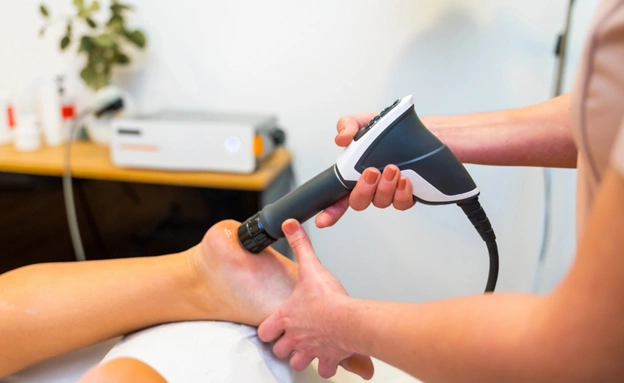
Shockwave therapy is a non-invasive modality that sends acoustic energy directly into damaged musculoskeletal structures. It is not an electrical shock; rather, it consists of high-energy sound pulses that travel through the skin to the site of discomfort.
When these sound waves pass into irritated or degenerative structures, they create mechanical stress on a cellular level. This mechanical stimulus initiates a biological cascade:
- Microcirculation: The mechanical pulses stimulate microscopic blood vessels, increasing blood flow to areas that traditionally receive poor circulation, such as tendons.
- Cellular Activity: The energy activates localized cells, including fibroblasts, which are responsible for building new connective tissue.
- Healing Cascade: The process kickstarts the biological response required for soft tissue repair, helping the body restart a stalled healing process in chronic injuries.
How Does Shockwave Therapy Promote Healing
A common question patients ask is: how does shockwave therapy promote healing on a structural level? The acoustic waves create controlled mechanical stimulation within the targeted tissue. This stimulation may trigger biological responses involving growth factors, nitric oxide, and increased blood vessel formation.
Common Conditions Treated
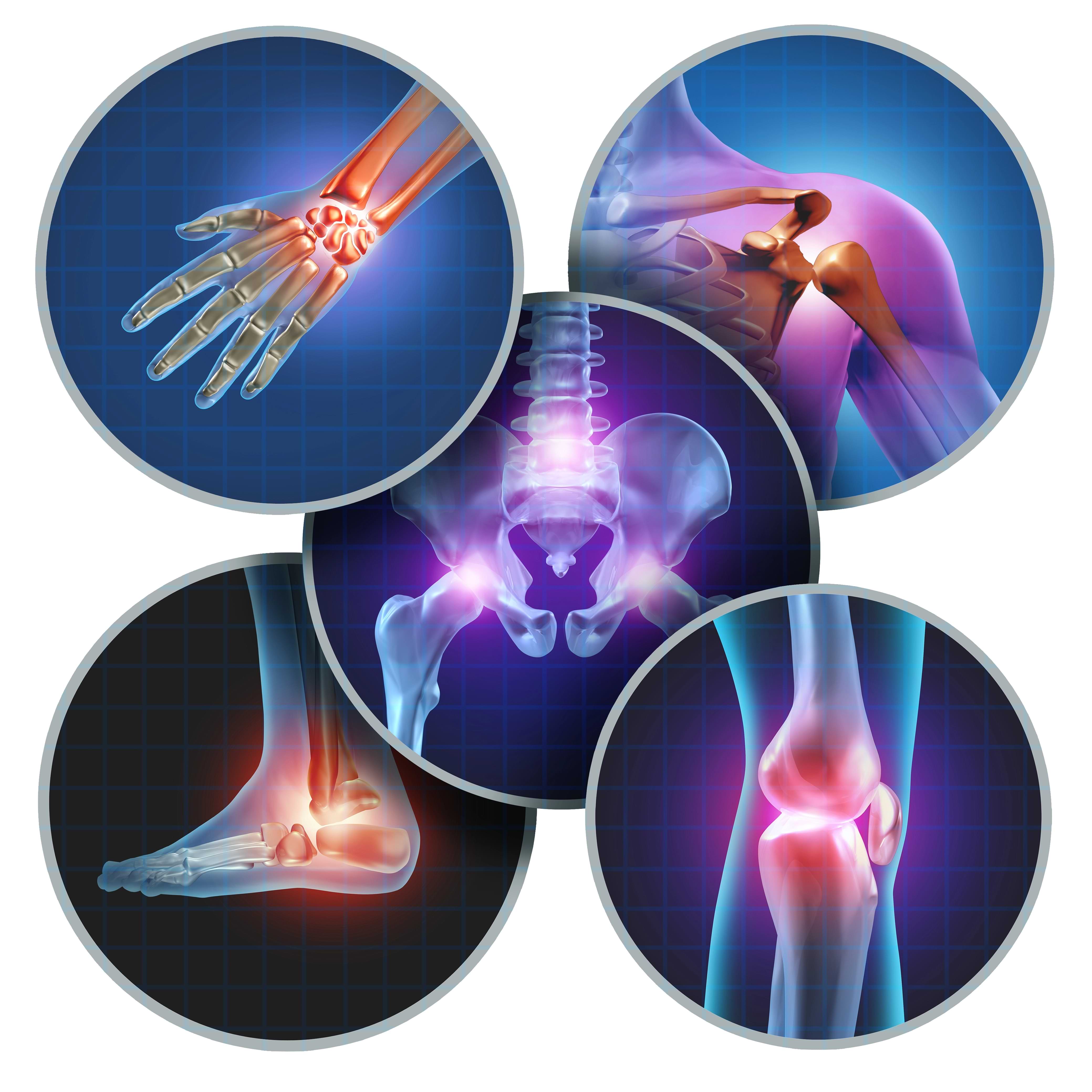
This regenerative therapy is widely used across sports medicine and orthopedics due to its versatility. It is commonly used for chronic musculoskeletal conditions that have not responded adequately to other conservative treatments. Common issues treated with ESWT treatment protocols include:
- Plantar Fasciitis: Severe heel pain caused by inflammation or degeneration of the thick band of tissue supporting the foot arch.
- Tennis Elbow (Lateral Epicondylitis): Irritation of the tendons that connect the forearm muscles to the outside of the elbow.
- Achilles Tendinopathy: Pain and stiffness in the large tendon at the back of the heel, frequently seen in runners and athletes.
- Rotator Cuff Injuries: Micro-tears or chronic wear in the shoulder tendons, which limit overhead movement.
- Chronic Soft Tissue Pain: Long-standing discomfort in muscle groups, ligaments, and myofascial trigger points that limits mobility.
Why Some Patients Get Different Results From Shockwave Therapy
One reason shockwave therapy receives mixed reviews is that not every injury responds to the same type of treatment. Patients are often surprised to learn that the technology being used can influence how effectively energy reaches the injured tissue.
For example, a patient with chronic plantar fasciitis may have degeneration occurring deep where the plantar fascia attaches to the heel bone. Someone with Achilles tendinopathy may have damage located several centimeters beneath the skin surface. In these situations, treatment depth and precision can become important factors.
By contrast, a patient dealing with widespread muscle tightness, trigger points, or broad soft tissue discomfort may benefit from a treatment approach designed to cover a larger area rather than concentrate energy at a specific location.
Understanding the difference between focused and radial shockwave therapy starts with understanding what structure is actually causing the pain.
Radial Shockwave Therapy
Radial shockwave therapy works by sending pressure waves outward from a handheld device placed on the skin. Think of it like dropping a stone in water — the energy spreads out in all directions from the point of contact, rather than being directed anywhere specific. Because of this, the energy is strongest at the skin's surface and fades as it moves deeper into the body, reaching only about an inch or two below the surface.
This makes radial therapy a more general, surface-level treatment. It is not designed — nor able — to reach and repair damaged tissue deeper in the body, which is why it falls short when the goal is actual healing rather than temporary relief.
Focused Shockwave Therapy
Focused shockwave therapy is designed to concentrate acoustic energy at a specific depth within the body. Rather than dispersing outward, the energy converges at a targeted point, allowing clinicians to deliver treatment to deeper structures while minimizing energy loss in surrounding tissue.
This level of precision can be particularly valuable when treating chronic tendon disorders, calcific tendinopathy, and other conditions involving deeper musculoskeletal structures. Because the energy is directed toward a defined target, focused therapy is often selected when the goal is to stimulate biological processes associated with tissue repair within a specific area.
Also Read: Why Deep Tissue Remodeling Requires Focused Shockwave Over Radial Therapy
Focused vs. Radial Shockwave: Key Differences
To help understand what is the difference between focused and radial shockwave therapy, it helps to compare their mechanical behaviors side-by-side:
Wave Structure
- Radial Shockwave Therapy: Divergent waves that spread outward from the treatment source.
- Focused Shockwave Therapy: Convergent waves that concentrate energy at a specific target point.
Maximum Energy Location
- Radial Shockwave Therapy: Highest energy is delivered near the skin surface.
- Focused Shockwave Therapy: Highest energy is delivered deep within the targeted tissue.
Penetration Depth
- Radial Shockwave Therapy: Typically reaches superficial structures, generally up to 1–3 cm in depth.
- Focused Shockwave Therapy: Can target deeper structures, often up to 12 cm or more depending on treatment settings.
Treatment Area
- Radial Shockwave Therapy: Covers a broader, more diffuse treatment zone.
- Focused Shockwave Therapy: Targets a specific, highly localized area with greater precision.
Primary Use Cases
- Radial Shockwave Therapy: Often used for muscle tightness and superficial soft tissue conditions.
- Focused Shockwave Therapy: Frequently used for chronic tendon disorders, calcific tendinopathy, deep musculoskeletal structures, and areas requiring precise energy delivery.
Tissue Healing Potential
Patients often ask whether shockwave therapy simply helps manage pain or whether it can influence the healing process itself. The answer depends in part on the condition being treated and the type of technology being used.
Radial shockwave therapy is often used to address superficial soft tissue discomfort and muscle-related conditions. Focused shockwave therapy is frequently selected to help repair chronic tendon disorders and deeper musculoskeletal conditions because it can deliver therapeutic energy directly to the affected structure.
For conditions such as chronic plantar fasciitis, calcific shoulder tendinopathy, and persistent Achilles tendon disorders, focused technology is often preferred because it can reach areas that may be difficult to target effectively with broader, surface-level treatment approaches.
Which Option Is Right for You?
When Focused Shockwave May Make More Sense Than Radial Therapy
Treatment selection depends on more than the diagnosis alone. The location of the injured tissue, the depth of the problem, and how long symptoms have been present all influence which approach may be most appropriate.
Focused shockwave therapy is designed to reach and repair damaged tissue. By concentrating energy at a precise point deep within the body, it can stimulate the biological processes that drive real healing — rebuilding tendon fibers, breaking down calcifications, promoting new blood vessel growth, and reducing chronic inflammation at its source. This is why it is used for conditions like chronic tendon degeneration, calcific tendinopathy, Achilles tendon injuries, and plantar fasciitis — conditions where the tissue itself needs to be treated, not just the pain managed.
Radial shockwave, by contrast, spreads energy broadly across the surface and cannot reach or concentrate on a specific damaged structure. It does not stimulate the same repair processes. For patients seeking treatment that addresses the root cause of their condition — not just symptom relief — focused shockwave therapy is the more appropriate choice.
Why a Professional Evaluation Matters
Self-diagnosing can lead to choosing a treatment that misses the root cause of your pain. A thorough evaluation by a qualified specialist is necessary to:
- Identify the exact anatomical source of your symptoms.
- Assess whether your condition involves superficial muscle tightness or deep structural degeneration.
- Determine whether focused shockwave therapy may be appropriate for your specific injury and treatment goals.
- Design a comprehensive recovery strategy that addresses your long-term mobility.
Also Read: ACL and Knee Tendon Injury Recovery with PRP and Focused Shockwave Therapy
Conclusion
Both radial and focused shockwave therapies offer distinct benefits for individuals dealing with musculoskeletal pain. Radial shockwave therapy is often used for broad treatment areas involving superficial soft tissue and muscle-related conditions. However, when symptoms originate from chronic tendon disorders or other deeper musculoskeletal structures, focused shockwave therapy may offer advantages because it allows energy to be delivered more precisely to the intended treatment area.
If you are looking for long-term recovery and want to explore how ESWT for chronic pain and tissue repair can help you return to an active lifestyle, choosing the right technology is key.
Contact The Pain Free Institute today to schedule a comprehensive evaluation and find out if focused shockwave therapy is the right choice for your condition.
.png)

.png)





Medipark
Miracle Mile Surgery Center provides advanced outpatient surgical care with expert physicians and state-of-the-art facilities.
Contact Us
