About the treatment
Epidural Steroid Injections (ESI)
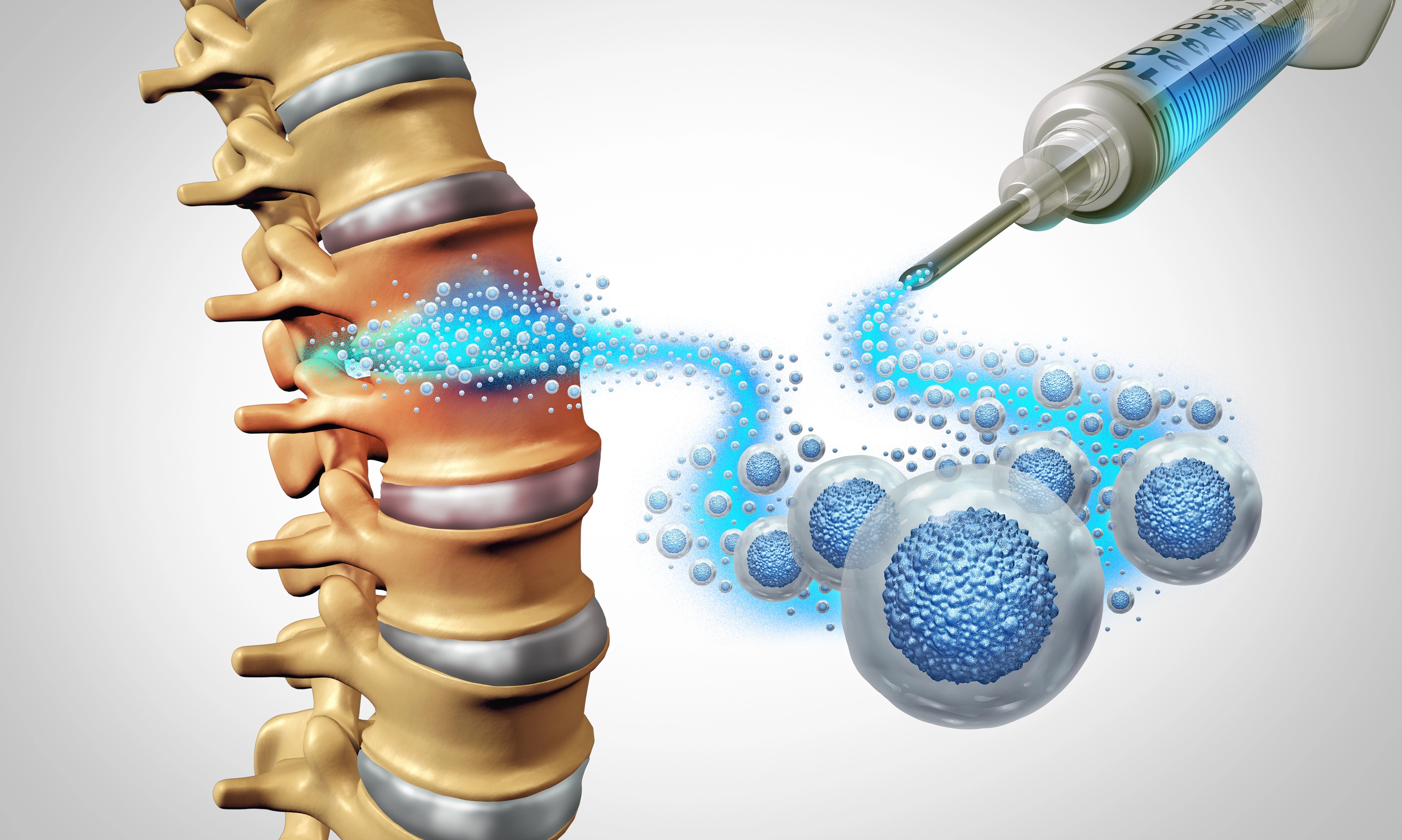
Epidural injections deliver anti-inflammatory medication directly into the epidural space of the spine to help reduce inflammation and pain caused by:
● Herniated or bulging discs
● Spinal stenosis (narrowing of the spinal canal)
● Sciatica or nerve pain that radiates down the arms or legs (radiculopathy)
Facet Joint Injections
These injections target the small joints in the spine (facet joints) that can become painful due to:
● Arthritis in the spine
● Degenerative disc disease
● Chronic lower back or neck pain related to wear and tear
Medial Branch Blocks
This procedure temporarily numbs the nerves that carry pain signals from the facet joints. It’s often used to:
● Identify the source of spinal pain
● Provide relief from facet joint-related pain
● Determine if you're a candidate for radiofrequency ablation (a longer-lasting treatment)
Selective Nerve Root Blocks (SNRB)
These injections are used to target a specific spinal nerve that may be pinched or irritated. They help treat:
● Nerve compression from a herniated disc or bone spur
● Radiating pain in the arms or legs (depending on the location)
● Conditions like sciatica and cervical or lumbar radiculopathy
Sacroiliac (SI) Joint Injections
The SI joints connect your spine to your pelvis. Injections in this area can help reduce pain from:
● SI joint dysfunction or instability
● Inflammation due to arthritis or injury
● Lower back pain that may radiate into the hips or thighs
Purpose of the Injection
Spinal injections are designed to both diagnose and treat the source of pain with precision. By delivering medication directly to the affected area of the spine, these injections help reduce inflammation, relieve nerve irritation, and improve overall function.
Depending on your condition, spinal injections may be used to confirm the exact origin of pain or provide meaningful, long-lasting relief that supports your recovery plan. They are often recommended when conservative options like medication or physical therapy have not provided sufficient results.
Wondering if spinal injections are right for you? Contact Pain Free Institute today to schedule a consultation with one of our pain management specialists.
Indications for Spinal Injections
Diagnostic Use
Spinal injections can help identify the exact source of pain by targeting specific nerves or joints. If meaningful pain relief is achieved following the injection, it confirms that the treated area is the primary cause of your discomfort. This allows your provider to build a more accurate and effective treatment plan tailored to your condition.
Therapeutic Use
These injections are commonly used to reduce inflammation and relieve pain caused by conditions such as herniated discs, spinal stenosis, arthritis, and nerve compression. The anti-inflammatory medication helps calm irritated nerves, allowing patients to experience improved comfort and mobility over time.
Role in a Pain Management Plan
Spinal injections are often part of a comprehensive, non-surgical treatment strategy. By reducing pain, they make it easier for patients to participate in physical therapy, rehabilitation, and lifestyle modifications that support long-term healing and function.
The Spinal Injection Procedure
Pre-Procedure Preparation
Before your procedure, your provider will review your medical history, current medications, and any relevant imaging results. You may be advised to temporarily stop certain medications in the days leading up to treatment. On the day of your appointment, basic health checks will be completed to confirm you are ready to proceed.
Positioning and Sterilization
You will be positioned comfortably, typically lying face down on the procedure table. The treatment area is thoroughly cleaned and sterilized to reduce any risk of infection before the procedure begins.
Needle Insertion with Fluoroscopy Guidance
A thin needle is guided carefully into the targeted area using fluoroscopy, which is a form of real-time X-ray imaging. This allows your provider to see exactly where the needle is positioned throughout the procedure, ensuring both accuracy and safety.
Contrast Injection for Confirmation
A small amount of contrast dye is injected to confirm that the medication will reach the intended nerve or joint. This step is standard in fluoroscopy-guided injections and helps ensure the treatment is delivered precisely where it is needed.
Medication Injection
Once proper placement is confirmed, a combination of a local anesthetic and anti-inflammatory medication is injected directly into the treatment area to reduce pain and calm inflammation at the source.
Post-Procedure Care
After the procedure, you will be monitored briefly before being discharged. You will receive specific aftercare instructions from your specialist, which typically include resting for the remainder of the day and avoiding strenuous activity for a short period.
Ready to move forward? Call us today to book your spinal injection appointment at Pain Free Institute.
Recovery and What to Expect
Immediate Side Effects
Some patients may experience temporary numbness, mild soreness, or a brief feeling of weakness in the treated area following the procedure. These effects are normal and typically resolve within a few hours.
Pain Relief Timeline
Pain relief may begin within 24 to 72 hours, though in some cases it may take several days for the full effect of the medication to be felt. Results can vary depending on the individual condition and the type of injection performed.
Repeat Injection Guidelines
Depending on how you respond to the initial treatment, additional injections may be recommended. Most providers follow established guidelines that limit the number of injections to a few times per year, balancing ongoing relief with long-term safety.
When Surgery Is Considered
If spinal injections and other non-surgical treatments do not provide adequate relief, your provider will discuss alternative options with you. These may include minimally invasive procedures or, in some cases, surgery. Our goal is always to exhaust conservative options first
Treatments Offered
● Shockwave Therapy
● Spinal Injections for Pain Relief
● Nerve Ablation Procedures
● Regenerative Medicine and Alternative Therapies
● Joint and Musculoskeletal Pain Treatments
● Spinal Cord and Peripheral Nerve Stimulation
● Minimally Invasive Spine Procedures
● Headaches, Migraines, and Nerve Pain Treatments
● Pain Management for Chronic Conditions
Frequently Asked Questions About Spinal Injections
1. How long do spinal injections last?
Relief can vary depending on the type of injection and your condition. Corticosteroid injections typically provide relief for 6 to 12 weeks, while other types may last longer. Your provider will discuss realistic expectations based on your specific situation.
2. Are spinal injections painful?
Most patients experience minimal discomfort. A local anesthetic is used to numb the area before the procedure begins, and the injection itself is generally well tolerated. Some mild soreness at the injection site is normal afterward.
3. Are spinal injections safe?
Yes, spinal injections are considered safe when performed by experienced, board-certified pain management specialists using real-time imaging guidance. As with any procedure, there are minor risks, such as temporary soreness or bruising, which your provider will review with you beforehand.
4. How many injections will I need?
This depends on your condition and how your body responds to treatment. Some patients experience significant relief after a single injection, while others benefit from a planned series of treatments. Your provider will work with you to determine the most appropriate approach.
5. Can spinal injections cure my condition?
Spinal injections are not a cure, but they can be an effective tool for managing pain and improving function. By reducing discomfort, they allow patients to engage more fully in physical therapy and rehabilitation, which supports longer-term recovery.
6. What conditions can spinal injections treat?
They are commonly used for herniated discs, spinal stenosis, sciatica, facet joint arthritis, nerve pain, and other spine-related conditions. Your provider will confirm whether a spinal injection is appropriate for your diagnosis.
7. How long does the procedure take?
Most spinal injections take approximately 15 to 30 minutes. Patients are typically able to return home the same day after a brief monitoring period.
8. Will I need someone to drive me home?
Yes. It is recommended that you arrange for a friend or family member to drive you home after the procedure, as the local anesthetic and any sedation used may affect your ability to drive safely.
9. When can I return to normal activities?
Most patients can resume light daily activities within 24 hours. Strenuous activity, heavy lifting, and vigorous exercise should be avoided for a short period, as advised by your provider at the time of discharge.
10. What should I do if my pain returns?
Contact your provider to schedule a follow-up appointment. Returning pain does not always mean the treatment failed. Your provider will reassess your condition and recommend next steps, which may include an additional injection, a different treatment approach, or a referral for further evaluation.
Still have questions? The team at Pain Free Institute is here to help. Contact us today to schedule your consultation and find out if spinal injections are right for you.

.svg)
















.webp)