.svg)









.webp)


Search the site

Pain Management for Chronic Conditions

For chronic pain that doesn't respond to conventional treatments, advanced pain management options offer hope and lasting relief. Whether you're dealing with nerve pain, complex regional pain syndrome (CRPS), or fibromyalgia, our specialized treatments are designed to reduce pain and improve function. Explore the options we offer.
About the treatment
Medically reviewed by Shahbaz Farnad, MD — double board-certified in Anesthesiology and Interventional Pain Management. · Last updated August 2026.
The Pain Free Institute is a chronic pain management practice in Los Angeles (Miracle Mile), led by double board-certified pain specialist Dr. Shahbaz Farnad. It treats chronic conditions including CRPS, fibromyalgia, and neuropathic pain using non-surgical, non-opioid options such as ketamine and lidocaine IV infusions, sympathetic nerve blocks, and radiofrequency ablation.
Living with chronic pain can feel overwhelming. When everyday treatments stop working, it may seem like relief is out of reach. At The Pain Free Institute in Los Angeles, we believe that lasting relief is possible. Our team of experienced pain management specialists provides advanced, personalized care for patients dealing with complex, long-standing pain conditions.
Whether you have been struggling with nerve pain, Complex Regional Pain Syndrome (CRPS), fibromyalgia, or another condition that has not responded to conventional treatment, we offer a range of specialized therapies designed to reduce pain, restore function, and improve your overall quality of life.
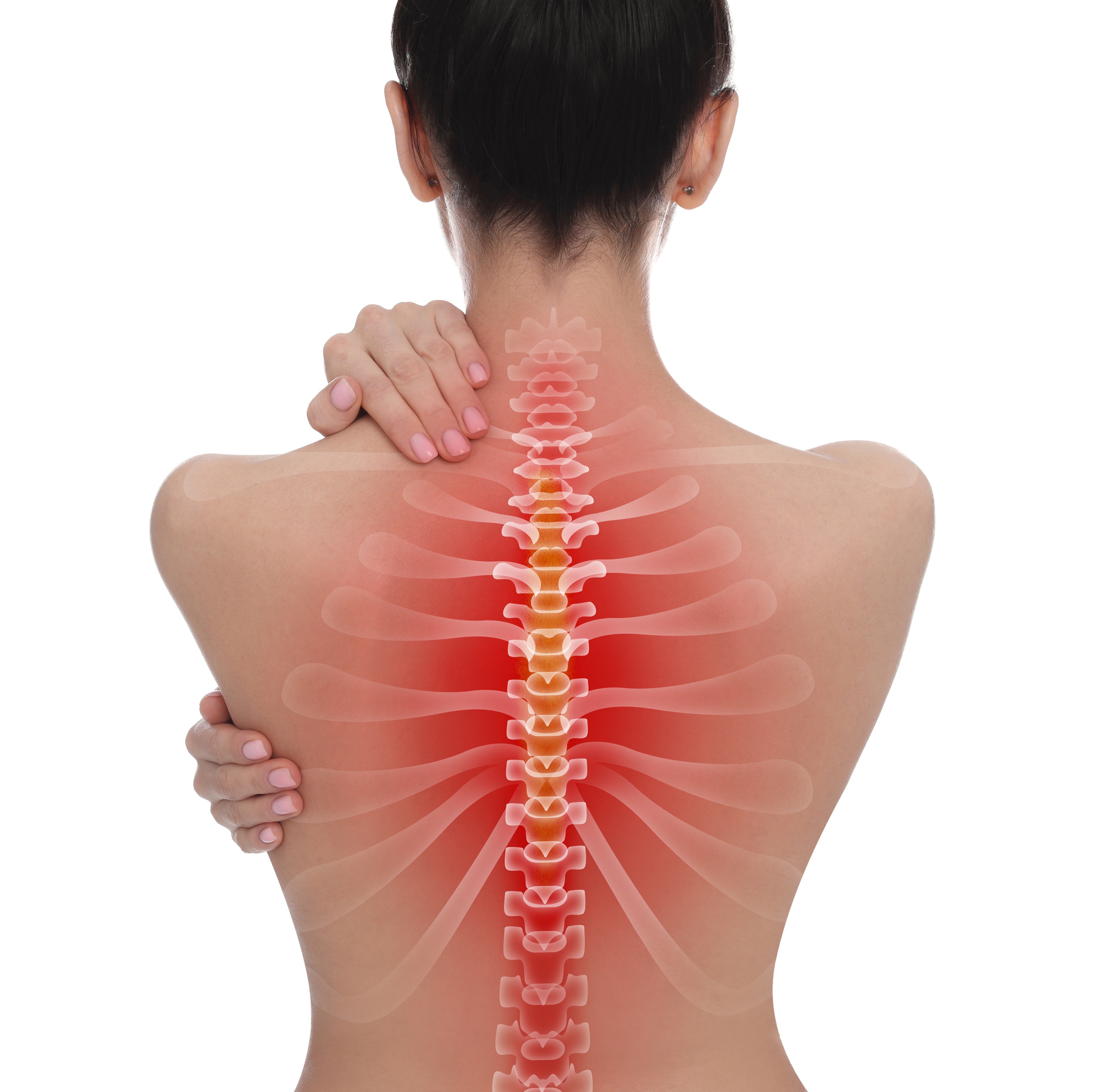
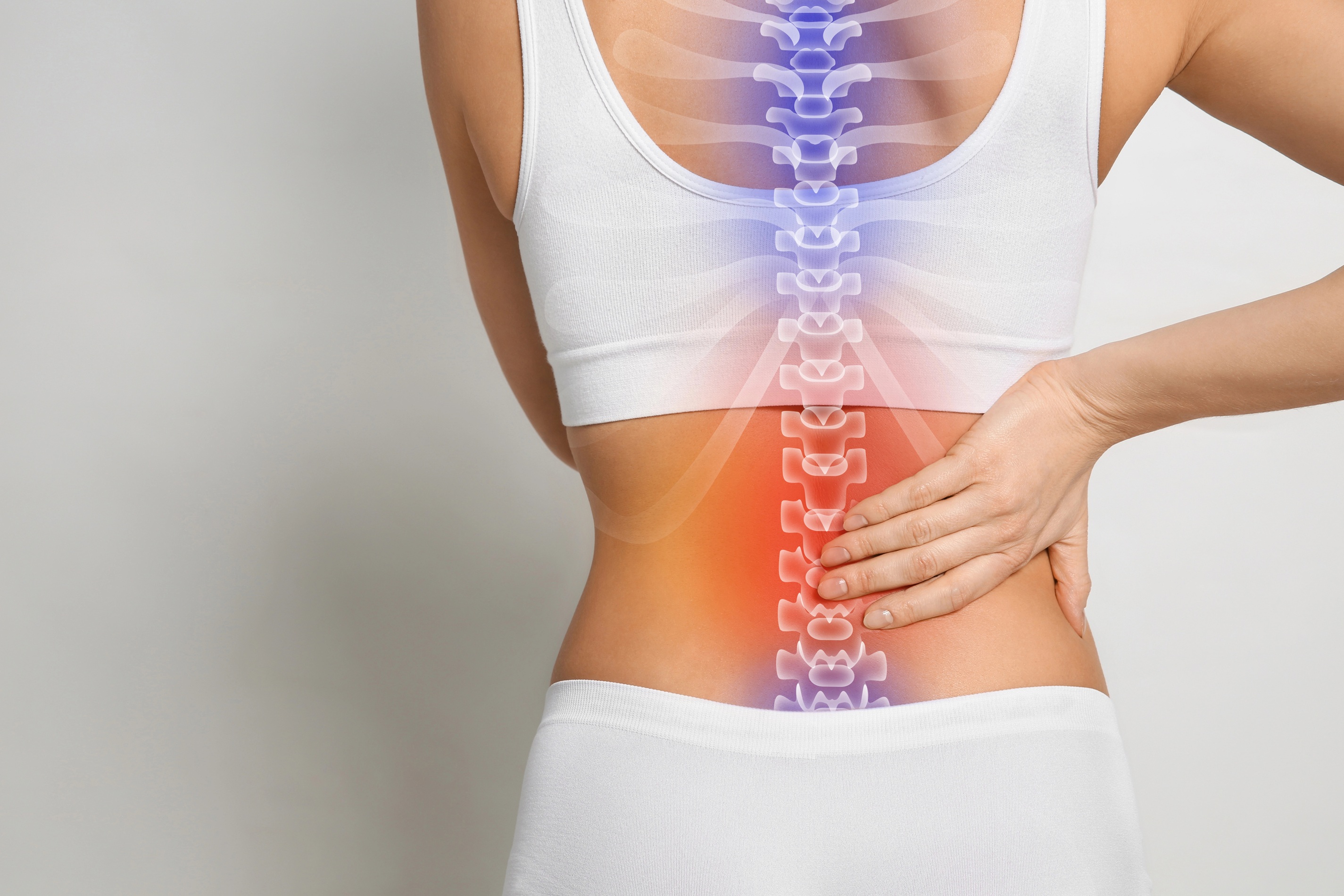
Chronic pain is generally defined as pain that persists for three months or longer, often continuing even after an injury has healed or in the absence of any identifiable tissue damage. Unlike acute pain, which serves as a warning signal, chronic pain can become a condition in itself, affecting the nervous system, mental health, physical mobility, and daily functioning.
Common chronic pain conditions include:
Chronic pain does not look the same for every patient. That is why The Pain Free Institute takes an individualized approach, carefully evaluating each patient's history, symptoms, and goals before recommending a treatment plan.
Our approach to chronic pain management begins with a thorough evaluation. We review your medical history, previous treatments, imaging studies, and current symptoms. From there, our team develops a customized treatment plan that may combine multiple therapies to address both the source of your pain and its effect on your daily life.
We focus on:
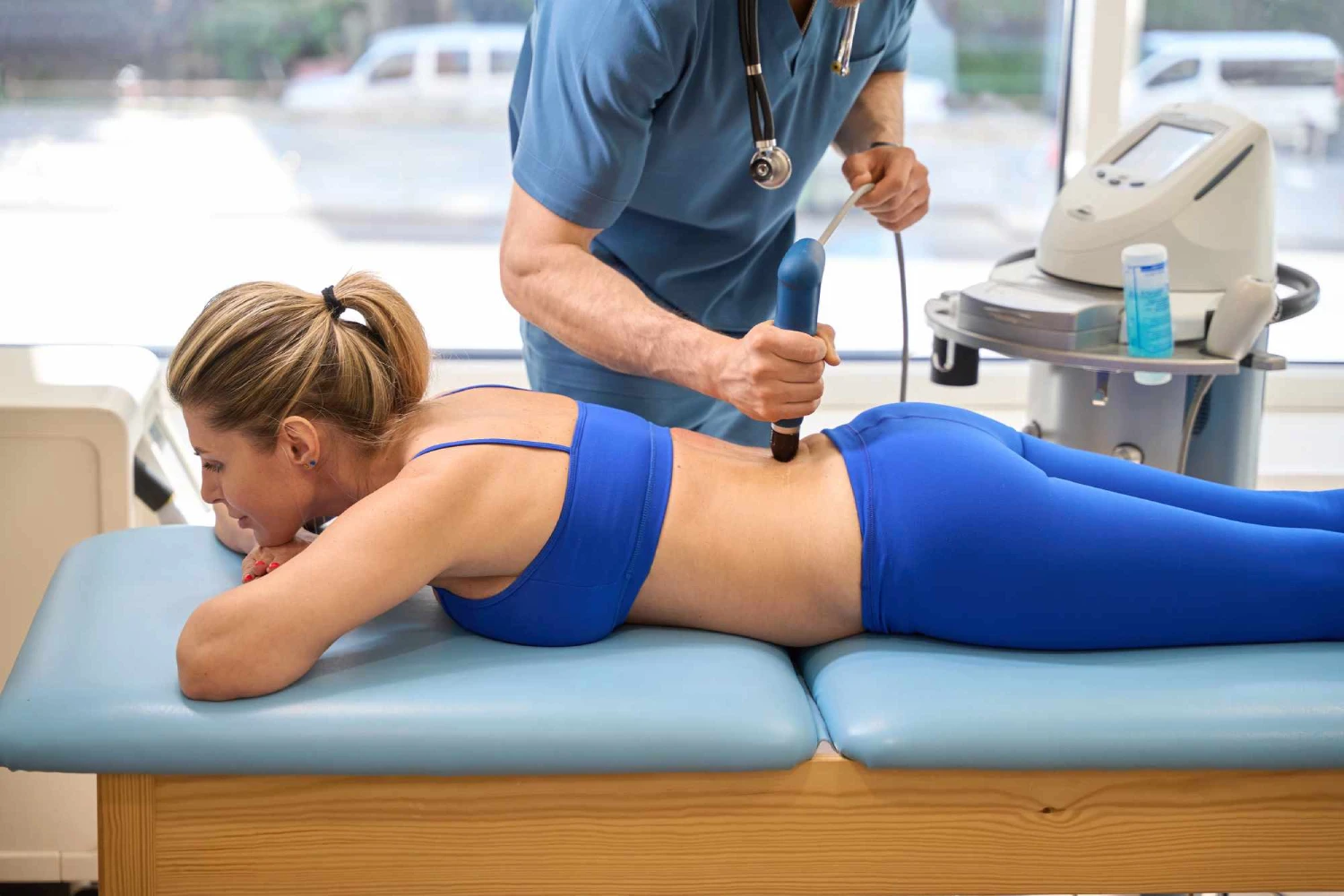
We offer a full spectrum of interventional and non-surgical options, including minimally invasive procedures, nerve-targeted therapies, regenerative treatments, and advanced infusion therapies. Many of these treatments can be performed on an outpatient basis with minimal downtime.
Below is a detailed overview of the specialized treatments we provide for chronic pain conditions. Our team will help you understand which options are most appropriate based on your diagnosis and needs.
IV infusion therapy delivers powerful medications directly into the bloodstream, allowing for faster absorption and more effective relief than oral medications. This approach is particularly beneficial for patients whose pain has not responded to standard treatments.
At The Pain Free Institute in Los Angeles, IV infusion therapy—including ketamine and lidocaine infusions—delivers medication directly into the bloodstream to interrupt abnormal pain signaling. It is used for neuropathic pain, CRPS, fibromyalgia, and chronic pain syndromes that have not responded to other treatments.
Conditions treated with IV infusion therapy include:
IV infusion therapy is administered in a supervised clinical setting where patients are closely monitored throughout the session. Most infusions are completed within a few hours, and patients may require a series of treatments to achieve optimal results.
Peripheral joint nerve ablation at The Pain Free Institute uses radiofrequency ablation or cryoablation to disrupt the nerves carrying pain from an arthritic or injured joint, providing long-lasting relief without major surgery for chronic knee, hip, shoulder, and other joint pain.
We offer two types of nerve ablation:
Peripheral joint nerve ablation is effective for:
This procedure is performed on an outpatient basis and typically takes less than an hour. Most patients experience significant pain relief within days to weeks following the procedure, and results can last from six months to two or more years.
Sympathetic nerve blocks at The Pain Free Institute in Los Angeles interrupt abnormal pain signaling in conditions like CRPS by injecting a local anesthetic near the sympathetic nerves—targeting the stellate ganglion for upper-body pain or the lumbar sympathetic chain for lower-body and leg pain.
Sympathetic nerve blocks involve the injection of a local anesthetic near specific clusters of sympathetic nerves to interrupt this abnormal pain signaling. Depending on the location of the pain, different nerve clusters may be targeted, including the stellate ganglion (for upper body pain) or the lumbar sympathetic chain (for lower body and leg pain).
Conditions treated with sympathetic nerve blocks include:
Sympathetic nerve blocks can provide both immediate short-term relief and contribute to longer-lasting symptom management when performed as part of a comprehensive treatment plan. Some patients experience significant improvement after a single injection, while others benefit from a series of procedures
The Pain Free Institute is a dedicated chronic pain management practice based in Los Angeles, serving patients throughout the greater Southern California area. Our practice is led by Dr. Farnad, a board-certified pain management specialist with extensive experience treating complex and difficult-to-manage pain conditions.
When you choose The Pain Free Institute, you benefit from:
We understand that living with chronic pain affects every area of your life. Our goal is to help you find meaningful relief so that you can return to the activities, relationships, and experiences that matter most to you
Below are answers to some of the most common questions our patients ask about pain management for chronic conditions.
Chronic pain is generally defined as pain that lasts for three months or longer. It may be constant or intermittent, and it can occur even when there is no ongoing tissue damage or identifiable injury. Chronic pain is a recognized medical condition that affects the nervous system and often requires specialized treatment.
Acute pain is a short-term response to injury or illness that typically resolves as the body heals. Chronic pain persists well beyond the expected recovery period, sometimes for years, and may develop a life of its own independent of the original cause. It often requires a different, more targeted approach to treatment.
We treat a wide range of chronic pain conditions, including Complex Regional Pain Syndrome (CRPS), fibromyalgia, neuropathic pain, arthritis, chronic back and neck pain, post-surgical pain, headaches and migraines, and vascular pain conditions, among others.
Most of the treatments we offer are non-surgical or minimally invasive. Procedures such as nerve blocks, radiofrequency ablation, cryoablation, and IV infusion therapy do not require general anesthesia or extended hospital stays. Many are performed on an outpatient basis with minimal recovery time.
Ketamine is an anesthetic medication that, when administered at low doses through an IV infusion, can reset abnormal pain signaling pathways in the nervous system. It has been shown to be effective for conditions like CRPS, fibromyalgia, and treatment-resistant neuropathic pain. Sessions are conducted in a supervised clinical setting and typically take one to two hours.
Both are nerve ablation techniques used to disrupt pain signals from specific nerves or joints. Radiofrequency ablation uses heat generated by radio waves, while cryoablation uses extreme cold. Both are minimally invasive and can provide significant pain relief lasting months to years. Your provider will recommend the most appropriate option based on your condition and anatomy.
Most patients experience relief for six months to two or more years following a nerve ablation procedure. Because nerves can regenerate over time, pain may gradually return, at which point the procedure can often be repeated.
CRPS is a chronic pain condition that typically develops after an injury, surgery, stroke, or heart attack. It causes intense, burning pain, swelling, changes in skin color and temperature, and hypersensitivity in the affected area. We treat CRPS using sympathetic nerve blocks, IV infusion therapy (including ketamine), spinal cord stimulation, and other advanced interventions tailored to the severity of symptoms.
Yes. While fibromyalgia does not have a single cure, we offer several treatments that can significantly reduce pain and improve function, including ketamine and lidocaine infusions, nerve-targeted therapies, and regenerative medicine options. We work with each patient to develop a comprehensive plan that addresses both pain and the lifestyle factors that influence it.
The number of sessions varies depending on your condition, the severity of your pain, and your response to treatment. Some patients experience significant relief after a single procedure, while others benefit from a series of treatments. Your provider will outline a recommended plan during your initial consultation and adjust it based on your progress.
This depends on the specific treatment being planned. Some procedures or infusion therapies may require temporary adjustments to your current medications. Your provider will review your full medication list during your consultation and provide clear instructions on how to prepare.
Coverage varies depending on your insurance plan and the specific procedures recommended. We encourage you to contact our office directly at (323) 433-7744 so that our team can verify your benefits and discuss payment options prior to your first appointment.
No. While opioids have historically been used for pain management, modern interventional pain medicine focuses on addressing the underlying cause of pain through targeted procedures, nerve-based therapies, and regenerative treatments. At The Pain Free Institute, our goal is to reduce or eliminate the need for long-term opioid use by providing more precise and effective alternatives.
The best treatment for your chronic pain depends on your diagnosis, your medical history, the location and nature of your pain, and how you have responded to previous treatments. During your consultation at The Pain Free Institute, Dr. Farnad will conduct a comprehensive evaluation and recommend a personalized treatment plan based on your specific needs and goals.
Scheduling an appointment is simple. You can call our office at (323) 433-7744 or request an appointment online through our website. Our office is located at 5757 Wilshire Boulevard, PR2, Los Angeles, CA 90036. We are open Monday through Friday from 8:30 AM to 5:00 PM and look forward to helping you begin your path to relief.
You do not have to keep living with pain. The Pain Free Institute offers advanced, compassionate care for patients with chronic pain conditions throughout Los Angeles and Southern California. Contact us today to schedule your consultation and learn which treatment options may be right for you.
Call us at (323) 433-7744 | Visit us at 5757 Wilshire Blvd, PR2, Los Angeles, CA 90036
Request your appointment today to start managing your pain and reclaiming your quality of life!
Other Treatments

Medipark
Miracle Mile Surgery Center provides advanced outpatient surgical care with expert physicians and state-of-the-art facilities.
Contact Us
A link to the federal Centers for Medicare and Medicaid Services (CMS) Open Payments web page is provided here. The federal Physician Payments Sunshine Act requires that detailed information about payment and other payments of value worth over ten dollars ($10) from manufacturers of drugs, medical devices, and biologics to physicians and teaching hospital be made available to the public.