
.svg)








.webp)

.png)
Focused Shockwave and Prolotherapy Offer Alternatives to Cell-Based Injections
The Rise of Regenerative Medicine, And the Confusion Around It
Nowadays, patients are increasingly hearing about stem cells and advanced injections. The promise of regenerating tissue and avoiding surgery is powerful, leading many to believe that the most expensive or high-tech procedure is the only path to recovery. However, not all options are necessary or ideal for every patient.
Effective healing does not always require the most complex or costly cell-based therapies. While biologics have their place, focused shockwave therapy in Los Angeles and prolotherapy stand as proven, practical alternatives. These treatments align with a philosophy centered on targeted, non-surgical solutions that respect the body's biology without jumping to the most aggressive intervention first.
Also Read: Regenerative Medicine & Alternative Therapies
What Are Cell-Based Injections?
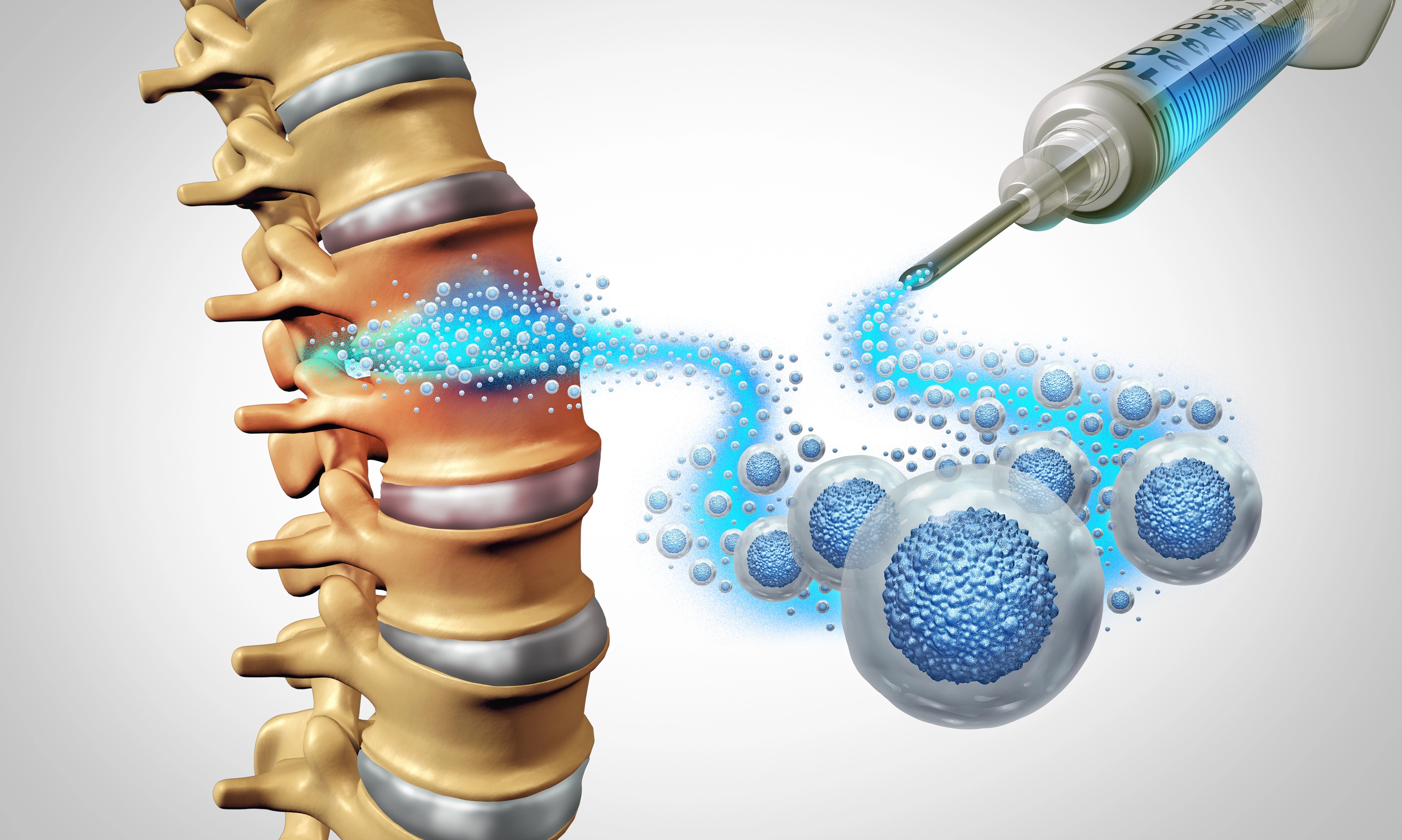
Cell-based injections, often grouped under the umbrella of regenerative medicine, involve the use of biological materials to repair damaged areas.
- Stem Cell Therapy: This involves harvesting cells from a patient’s own body, typically from bone marrow or fat tissue, and injecting them into an injured site.
- Purpose: These cells are intended to differentiate and assist in the repair of damaged cartilage, bone, or soft tissue.
This method shows promise, but they are often costly. Because the field is still evolving, these procedures are not always the required first-line treatment for musculoskeletal pain.
The Problem with “More Advanced” Isn’t Always “Better”
A common misconception in chronic pain therapy is that a newer or more complex treatment automatically yields superior results. Many patients assume that because a procedure involves lab processing or cell harvesting, it must be more powerful than a mechanical or simple injection-based approach.
In reality, many conditions respond remarkably well to simpler regenerative methods. The priority should always be matching the treatment to the severity of the condition. For many, other regenerative tools can achieve the desired relief.
What Is Focused Shockwave Therapy?
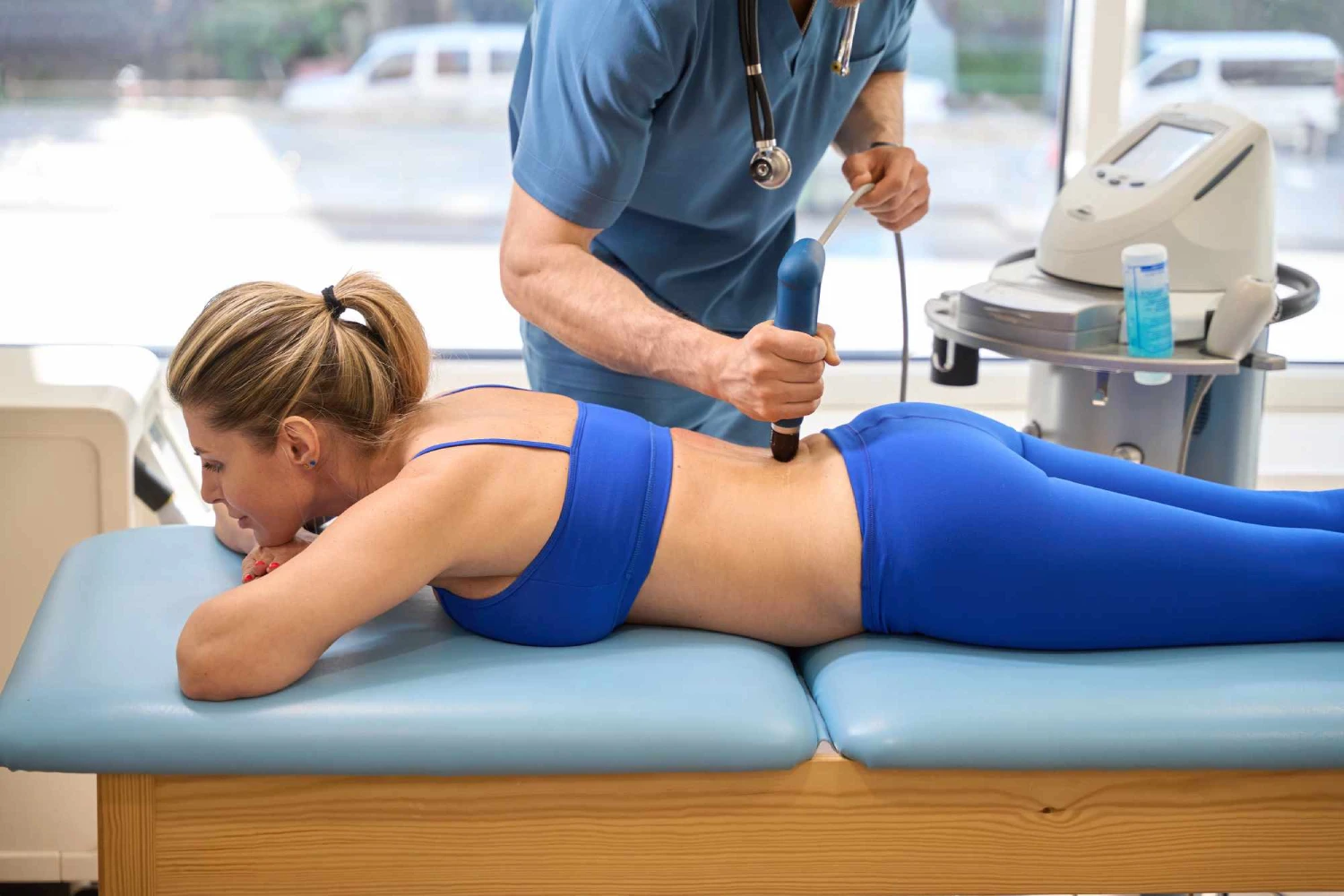
Focused shockwave therapy is a non-invasive acoustic wave treatment that stimulates a healing response within deep tissues. Unlike radial waves, which spread energy over a surface, a focused shockwave penetrates to a specific depth to address the source of joint pain therapy.
- Mechanism: The waves promote blood flow and stimulate tissue repair by creating micro-trauma at a cellular level. This process activates the body’s natural repair mechanisms.
- Evidence: Research indicates that this method is highly effective for treating tendons, ligaments, and soft tissues.
- Key Advantage: There are no needles, no downtime, and minimal discomfort involved.
What Is Prolotherapy?
Prolotherapy is an injection-based treatment that uses a mild irritant solution, usually a dextrose mixture, to stimulate the body’s repair systems.
- Mechanism: By causing a controlled, temporary inflammatory response, it encourages the growth of new, healthy ligament and tendon fibers. This is how prolotherapy stimulates natural healing without the need for harvested cells.
- Benefits: It is particularly useful for improving joint stability and reducing pain over time.
- Evidence: For those seeking the benefits of prolotherapy for joint and ligament pain, clinical data show meaningful improvement in chronic conditions where laxity or weakness is the primary issue.
These Treatments Are Essential Alternatives
We’ll look at the various ways in which shockwave therapy helps chronic pain.
Less Invasive, More Accessible
Shockwave therapy is completely non-invasive, requiring no skin penetration. Prolotherapy involves simple, low-risk injections. In contrast, cell-based therapies often require harvesting procedures and complex lab processing, which increases the physical burden on the patient.
Also Read: Shockwave Therapy vs Injections: Which Is Better for Pain Relief?
Proven Effectiveness for Common Conditions
When comparing prolotherapy vs PRP and stem cell therapy, it is important to note that prolotherapy has a long-standing track record for ligament instability. Similarly, shockwave therapy is highly supported by research for tendinopathies. Both can deliver life-changing results without the need for advanced biologics.
Faster Recovery and Lower Barrier to Treatment
One of the main draws of non-surgical pain treatment is the recovery time. Shockwave involves zero downtime, and prolotherapy requires minimal rest. Cell-based injections often come with stricter post-procedure restrictions and longer recovery windows.
Cost-Effective Without Sacrificing Results
High-value care means getting the best result for the least unnecessary expense. Prolotherapy and shockwave provide accessible non-surgical alternatives to cell-based injections for the vast majority of patients, when the expense of cell-based therapies may make other regenerative approaches a more practical starting point.
When Cell-Based Injections May Not Be Necessary
For many patients in the early to middle stages of injury, cell-based therapy might be premature. Alternatives, like shockwave therapy and prolotherapy, are often great options for:
- Mild to moderate injuries.
- Chronic overuse conditions like tendonitis.
- Early-stage joint degeneration.
- Patients who prefer to start with the least invasive regenerative approach.
Conditions Commonly Treated with These Alternatives
- Tendonitis: Including Achilles, patellar, and rotator cuff issues
- Ligament Injuries: Chronic instability in the ankles or knees.
- Plantar Fasciitis: A condition that responds exceptionally well to shockwave.
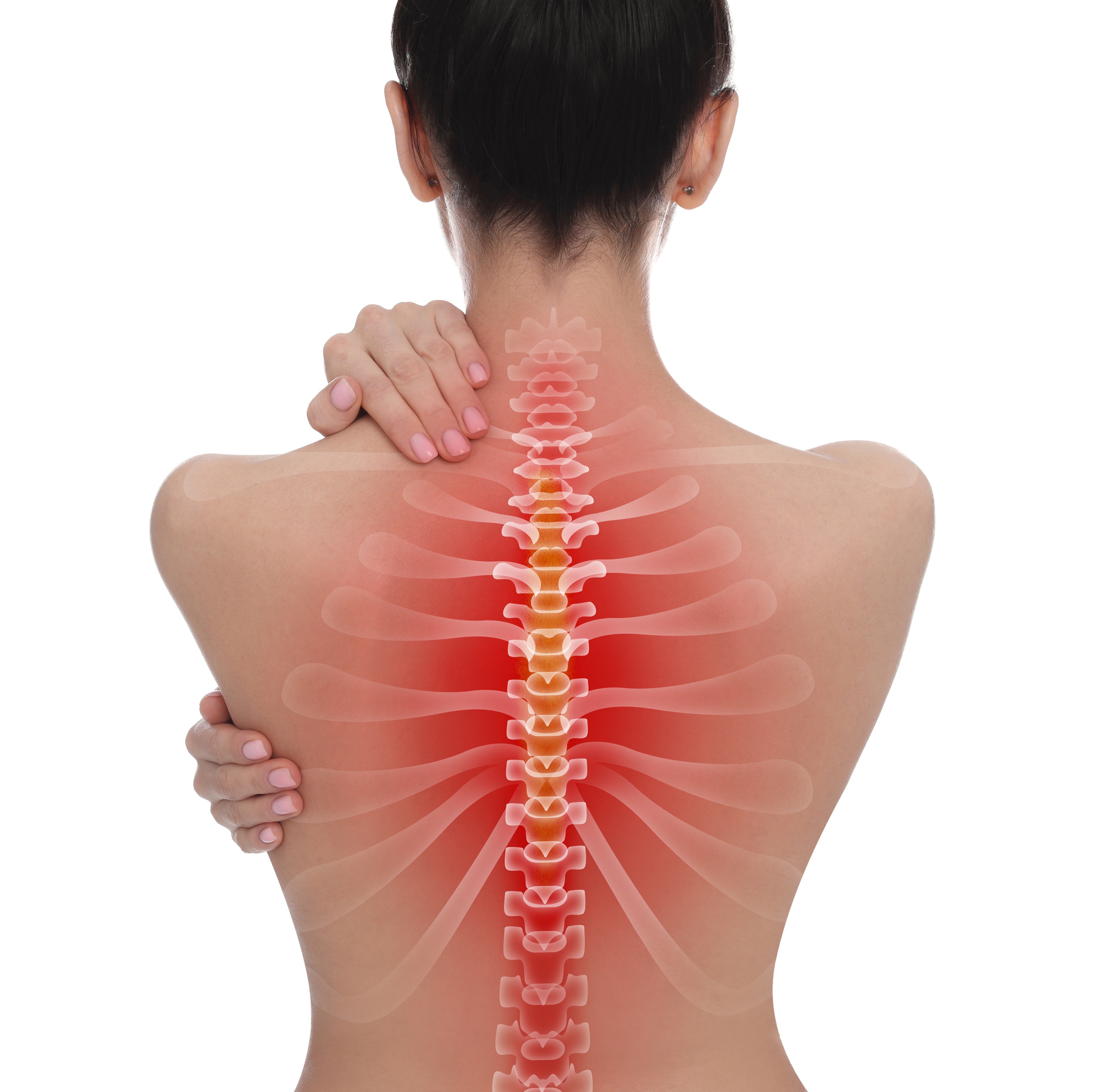
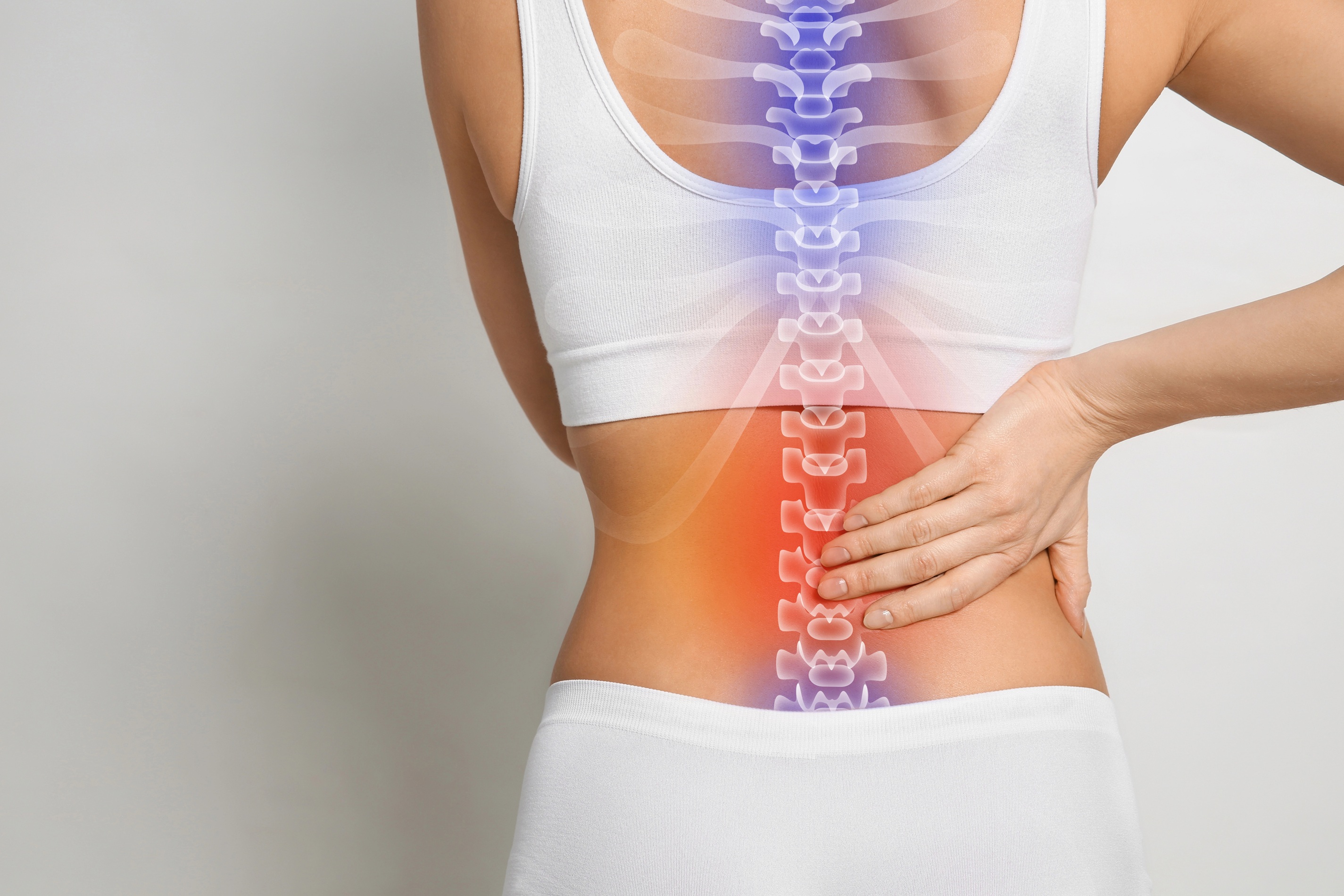
- Chronic Back and Neck Pain: Often rooted in ligament laxity.
- Sports-Related Overuse: Where quick recovery is a priority.
What Patients Can Expect
The process begins with a detailed evaluation and diagnosis to confirm which therapy is appropriate. A personalized plan is then developed. Shockwave therapy in Los Angeles sessions is typically quick and non-invasive, while prolotherapy injections are performed with care to minimize discomfort. Improvement is usually gradual, occurring over several weeks as the body builds new tissue and strengthens existing structures.
Why a Conservative Regenerative Approach Matters
Choosing a conservative path helps avoid overtreatment. The goal is to use the least invasive method that will be successful. By following a stepwise care plan, starting with non-invasive therapies, moving to simple injections, and only considering advanced biologics if needed, patients can manage their health more effectively and affordably.
Why Choose a Specialized Clinic
An expert clinical team understands how to match the right treatment to each specific condition. Having access to multiple regenerative tools allows for a balanced perspective, rather than a one-tool approach. This focus on patient-centered care ensures that the chosen path is most likely to lead to long-term relief and functional improvement.
Also Read: Why Shockwave Therapy Is Becoming a Go-To Choice for Chronic Pain Relief
Conclusion
You don’t always need the most complex or expensive treatment to get results. Shockwave therapy and prolotherapy are effective, accessible, and evidence-supported alternatives to more invasive cell-based procedures. They offer a way to harness the body’s own healing power with minimal risk and no downtime.
If you are struggling with chronic pain or a sports injury, explore your non-surgical pain treatment options today. Schedule a consultation at The Pain Free Institute to receive a personalized evaluation and find out which regenerative path is right for you.
.png)

.png)




Medipark
Miracle Mile Surgery Center provides advanced outpatient surgical care with expert physicians and state-of-the-art facilities.
Contact Us
