.svg)









.webp)

Shockwave Therapy for Athletes With Lingering Injuries
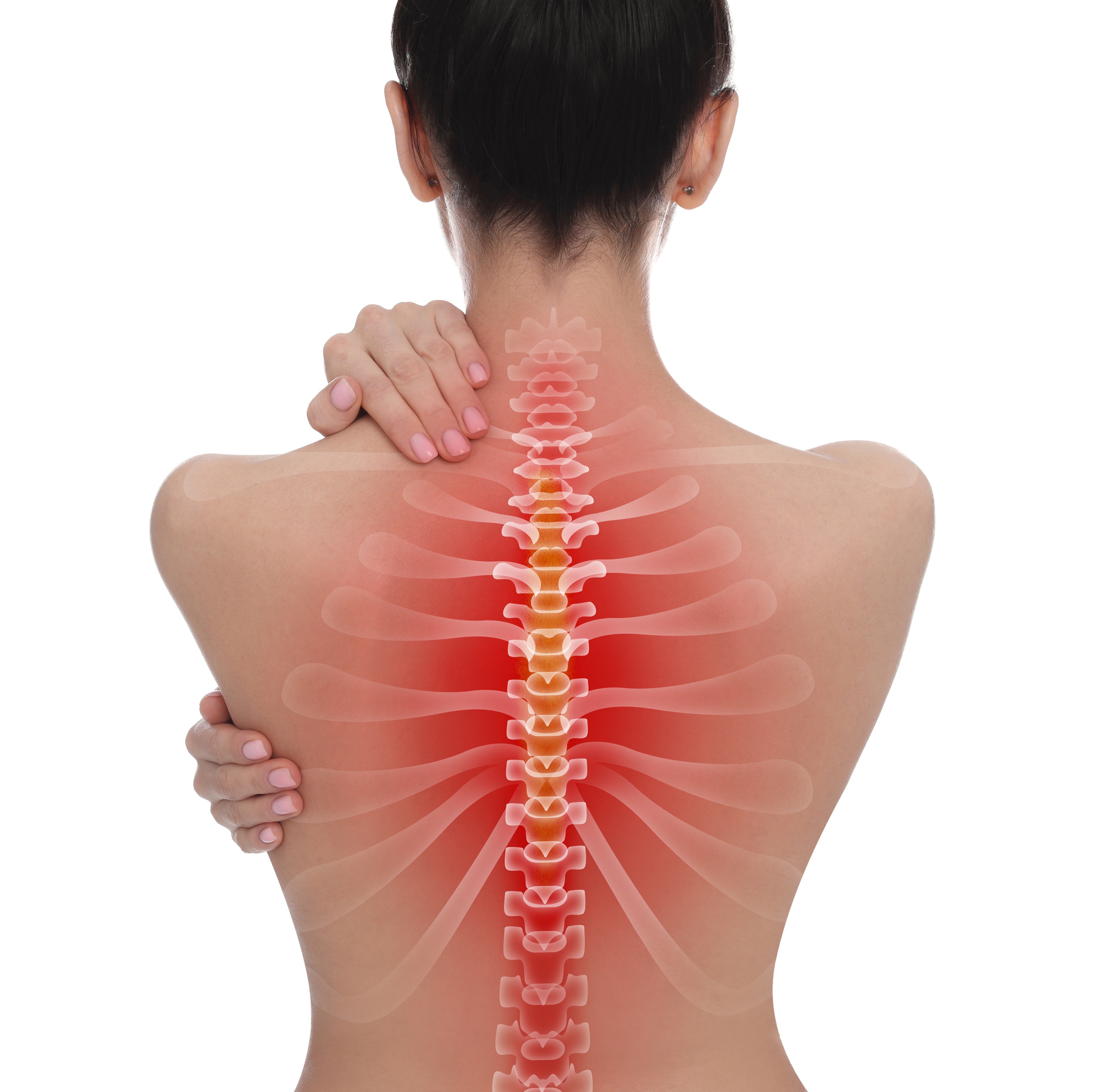
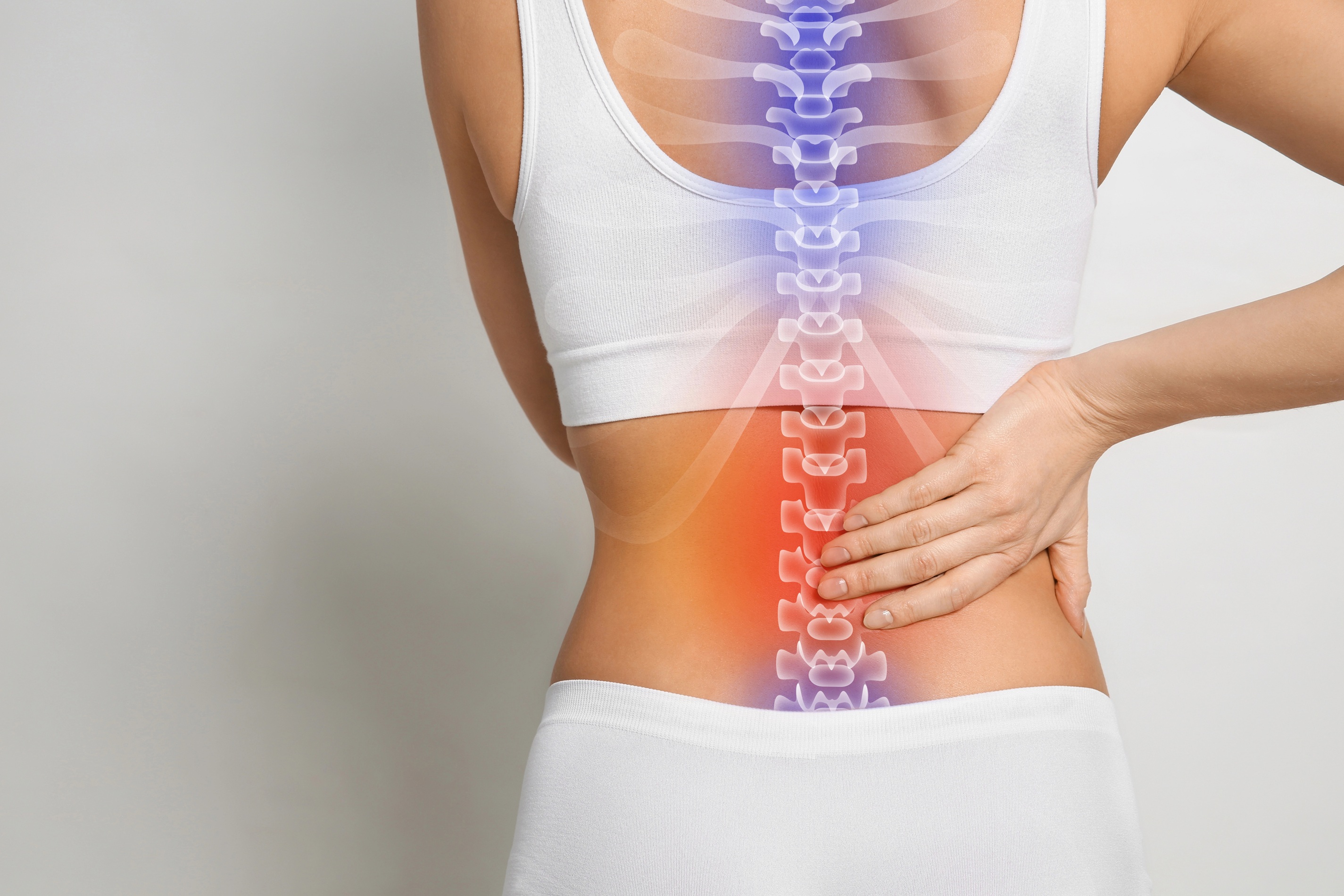
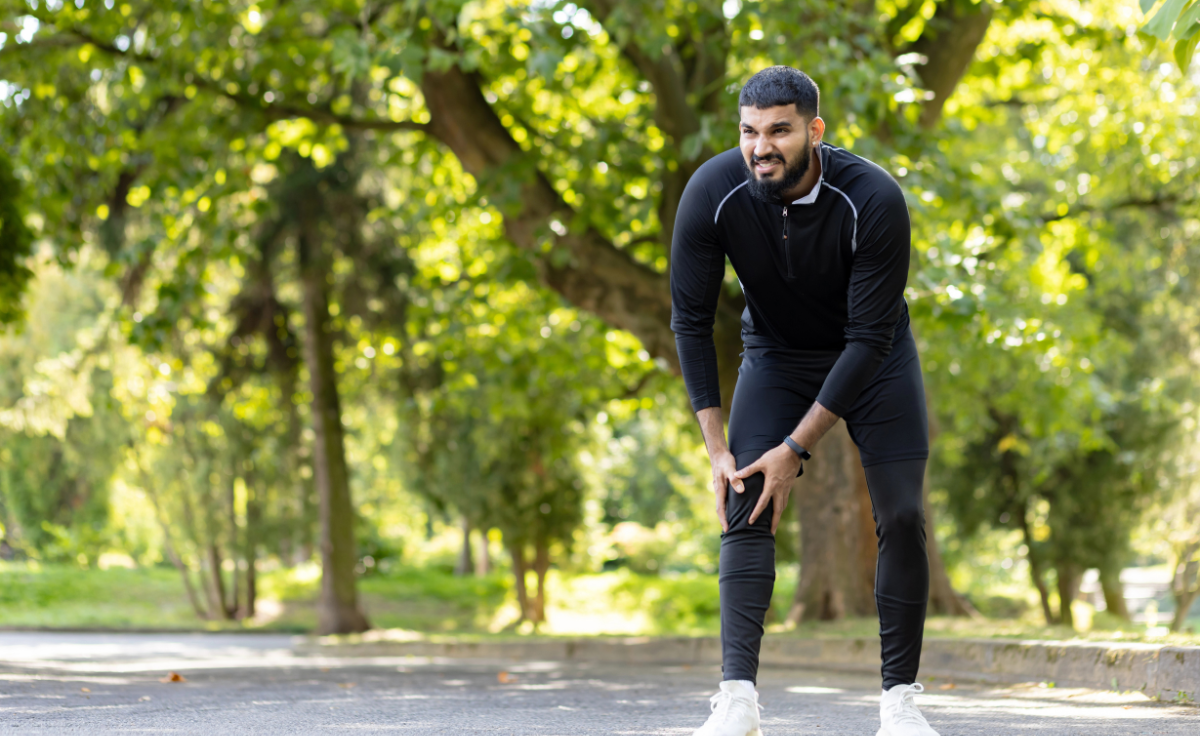
For many athletes, the hardest part of the game isn’t the workout or the competition; it’s the injury that won’t go away. You follow the protocols for rest, you ice the area, and you wait. Yet, weeks or months later, that familiar ache returns the moment you ramp up your intensity. This cycle of “almost healed” is a common hurdle in athletic injuries.
While traditional methods like ice and rest have their place, they sometimes fail to address the underlying reasons why a recovery has stalled. For those dealing with chronic sports injuries, shockwave therapy in Los Angeles offers a way to restart the healing process without surgery or long periods of inactivity.
Why Some Injuries Refuse to Heal
There is a specific kind of mental exhaustion that comes with lingering injuries. When a standard three-week recovery turns into a three-month struggle, it impacts your performance and your mental health. Most athletes are used to pushing through discomfort, but an injury that refuses to budge suggests the body has stopped trying to fix the problem.
Healing requires a steady supply of blood and nutrients to the site of the damage. However, many sports injuries occur in tendons or ligaments, areas that naturally have poor blood flow. When an injury becomes chronic, the body may stop its acute inflammatory response and instead lay down disorganized scar tissue. This “patch job” is weaker than healthy tissue and lacks the elasticity needed for high-level movement.
Rest is passive. While it prevents further damage, it doesn’t necessarily repair the structural issues within the tissue. For an athlete, total rest can lead to muscle a trophy and stiffening. Without a stimulus to fix the scar tissue or increase blood flow, the injury remains in a state of stalled repair, waiting for a catalyst to finish the job.
Common Athletic Injuries That Become Chronic
Plantar fasciitis: Plantar fasciitis and heel pain are classic overuse injuries where the thick band of tissue on the bottom of the foot becomes thickened and inflamed. It often feels worse during the first steps of the morning and can sideline runners for months.
Achilles and patellar tendonitis: Tendons connect muscle to bone. When they are overloaded repeatedly, they develop small tears. Because tendons have low vascularity, these tears heal slowly, leading to “jumper's knee” or Achilles pain that makes every sprint painful.
Hamstring and calf strains: Muscle strains are common, but they often leave behind tight knots of scar tissue. These areas become weak points that are prone to re-tearing during explosive movements.
Shoulder and rotator cuff irritation: Over head athletes, such as swimmers or baseball players, frequently deal with fraying in the rotator cuff. Without intervention, this irritation can lead to a loss of range of motion and strength.
Shin splints and stress reactions: Lower leg pain is a frequent complaint for those on hard surfaces. If the bone and surrounding tissue don’t recover between workouts, the inflammation becomes a constant companion.
What Shockwave Therapy Is
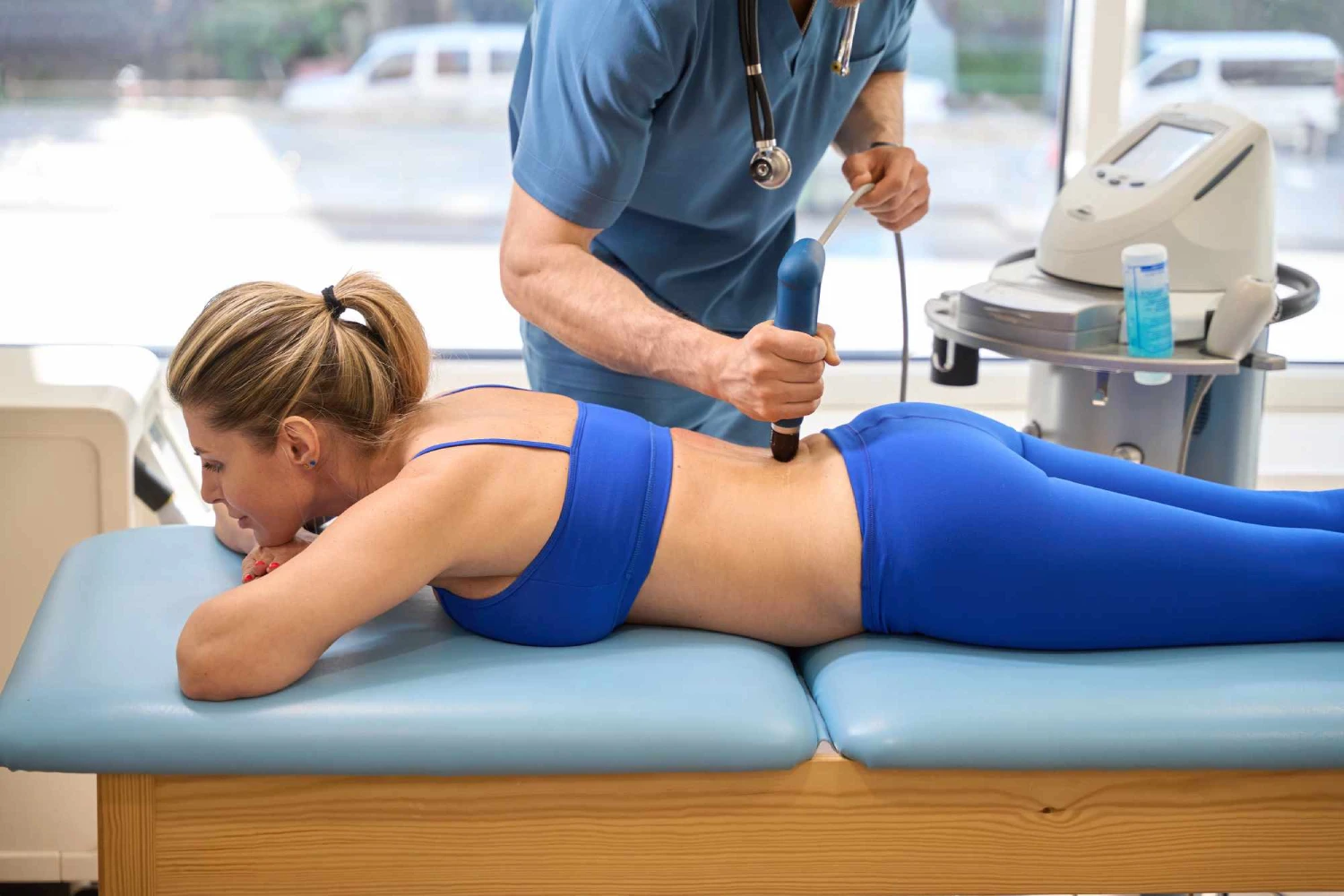
Shockwave therapy uses high-energy acoustic pulses, essentially soundwaves, that are delivered through a handheld device. These waves travel through the skin to reach the deep tissues where the injury resides. This isn't an electrical shock; it is a mechanical pressure wave that creates a physical stimulus within the cells.
Standard physical therapy usually focuses on stretching, strengthening, and manual manipulation. While these are helpful, they might not be able to break up calcifications or deep-seated scar tissue. Injury treatment via shockwave acts as a mechanical reset, physically bothering the tissue just enough to wake up the immune system.
Many treatments, like cortisone shots or anti-inflammatories, focus on masking pain. Shockwave is different. It aims to change the structure of the tissue itself. By addressing the scar tissue and poor blood flow, it treats the reason the pain exists in the first place.
Also Read: Shockwave Therapy Myths vs. Facts: What Patients Should Know Before Treatment
How Shockwave Therapy Works in the Body
So, does shockwave therapy help athletic injuries? The pressure waves create micro-trauma in the area. The body responds to this by creating new blood vessels in a process called neovascularization. More blood vessels mean more oxygen and nutrients reach the damaged site.
Chronic tension can lead to calcium deposits in tendons, which cause sharp pain. The mechanical energy of the shockwaves helps dissolve these deposits and breaks up the dense, brittle scar tissue that limits mobility.
Collagen is the building block of your tendons and ligaments. Shockwave therapy encourages the cells to produce new, healthy collagen, which helps the tissue regain its strength and elasticity.
By creating a controlled amount of irritation, the therapy signals the brain that there is a new injury to attend to. This restarts the inflammatory cycle in a controlled way, allowing the body to finally finish the repair work it abandoned weeks prior.
Why Athletes Benefit Most
Faster recovery without surgery: For many, the choice is between living with pain or undergoing an invasive procedure. Shockwave therapy for athletes with lingering injuries provides a middle ground. It offers significant pain relief without the risks or long recovery times associated with surgery.
No downtime or anesthesia: There is no need for numbing agents or recovery rooms. You can walk out of the clinic and go about your day immediately after a session. Unlike surgery, which requires total immobilization, shockwave usually allows for "relative rest."
Keeps athlete straining while healing: Most athletes can continue light training and mobility work between sessions, which helps maintain their fitness levels.
Ideal for over use and repetitive strain injuries: Because athletes repeat the same motions thousands of times, they are prone to wear and tear that builds up over time. Shockwave therapy for chronic sports injuries is specifically designed to address these types of non-acute, repetitive injuries.
What Treatment Feels Like
A typical session at The Pain Free Institute takes up to 15 to 20 minutes. Most patients require 4 to 6 sessions, often spaced a week apart, to see the best results. You will feel a rhythmic tapping or thumping sensation. It can be slightly uncomfortable, especially over bony areas or the most tender parts of the injury, but the intensity can be adjusted based on your comfort level.
Some people might feel a bit sore for 24 hours, similar to the feeling after a deep-tissue massage. This soreness is actually a sign that the body is beginning to respond to the treatment.
Also Read: Why Shockwave Therapy Is Becoming a Go-To Choice for Chronic Pain Relief
When Results Begin
Many athletes notice a decrease in stiffness after the first or second visit. This is often due to the analgesic effect, where the shockwaves temporarily desensitize the pain receptors in the area.
The shockwave therapy benefits for athletes are the real structural changes, like the growth of new blood vessels and collagen, which take time. The most significant improvements are usually felt 6 to 12 weeks after the final session as the body finishes its internal repairs.
We look for an increased range of motion, a decrease in morning stiffness, and the ability to return to sport-specific movements without a flare-up of symptoms.
Who Is a Good Candidate
If an injury has not responded to the usual RICE (Rest, Ice, Compression, Elevation) method within two months, it has likely entered a chronic phase. If you’ve been doing your rehab exercises but the pain hasn’t decreased in weeks, shockwave can provide the extra stimulus needed to get past that plateau. Whether you are a professional athlete or a weekend warrior in Los Angeles, if you want to avoid injections or going under the knife, this is a viable path forward.
When Shockwave Therapy May Not Be Enough
If a tendon is completely torn or if there is a stress fracture, shockwave treatment is not the primary solution. These require different stabilization methods. While shockwave therapy helps soft tissue, it cannot regenerate cartilage in a joint with severe bone-on-bone arthritis. If the source of the pain is unclear, an X-ray or MRI may be necessary to confirm the diagnosis before starting any shockwave treatment for athlete recovery.
The Role of a Targeted Treatment Plan
Not all heel pain is plantar fasciitis, and not all knee pain is tendonitis. Success depends on knowing exactly which tissue is damaged and why it isn’t healing. Shockwave clears the path, but rehab builds the strength. Combining these treatments helps ensure that once the pain is gone, the muscles are strong enough to support the area. We work with you to identify the movement patterns or equipment issues that originally caused the injury. This stops the cycle from starting over again.
Conclusion
Shockwave therapy acts as a bridge between the frustration of chronic pain and the return to peak performance. It is a powerful tool for those seeking the best shockwave therapy in Los Angeles, offering a non-invasive way to jump-start the body’s internal repair systems. By addressing the root cause of athletic injuries, we help you move past the lingering phase and back into the game.
Do you want the best shockwave therapy in Los Angeles? If you are tired of waiting for your body to heal on its own, it may be time to try a different approach. Book an appointment online at The Pain Free Institute.
.png)

.png)




Medipark
Miracle Mile Surgery Center provides advanced outpatient surgical care with expert physicians and state-of-the-art facilities.
Contact Us
