
.svg)















.webp)

.png)
The Hidden Cost of Delaying Musculoskeletal Injury Treatment
Many people assume musculoskeletal injuries will heal on their own with time and rest. A mild strain, sore joint, or lingering ache may not seem serious enough to warrant medical attention. While some minor injuries improve naturally, delaying treatment can allow underlying damage to worsen and create additional health concerns.
The hidden cost of delaying musculoskeletal injury treatment often extends far beyond the initial injury. What begins as a manageable condition can develop into chronic pain, limited mobility, longer recovery periods, and more involved treatment needs. Understanding the risks of delaying injury treatment can help patients make informed decisions about their health and recovery.
Why Patients Often Delay Treatment After an Injury
One of the most common reasons people postpone injury treatment is the belief that pain will simply go away with enough time. Mild symptoms may seem manageable at first, leading individuals to assume that rest alone will solve the problem.
Many people also continue working, exercising, or participating in daily activities despite discomfort. Busy schedules and personal responsibilities often take priority over seeking orthopedic care, even when symptoms persist.
Another factor is temporary symptom improvement. Pain and swelling may decrease after the initial injury, creating the impression that healing has occurred. However, symptom relief does not always mean damaged tissues have fully recovered.
Concerns about medical expenses, time away from work, or uncertainty about the need for treatment can further contribute to delays. Unfortunately, waiting too long can increase the likelihood of more serious complications and make injury recovery more difficult.
Also Read: Rethinking Chronic Pain Treatment Without Surgery
What Happens When Musculoskeletal Injuries Go Untreated
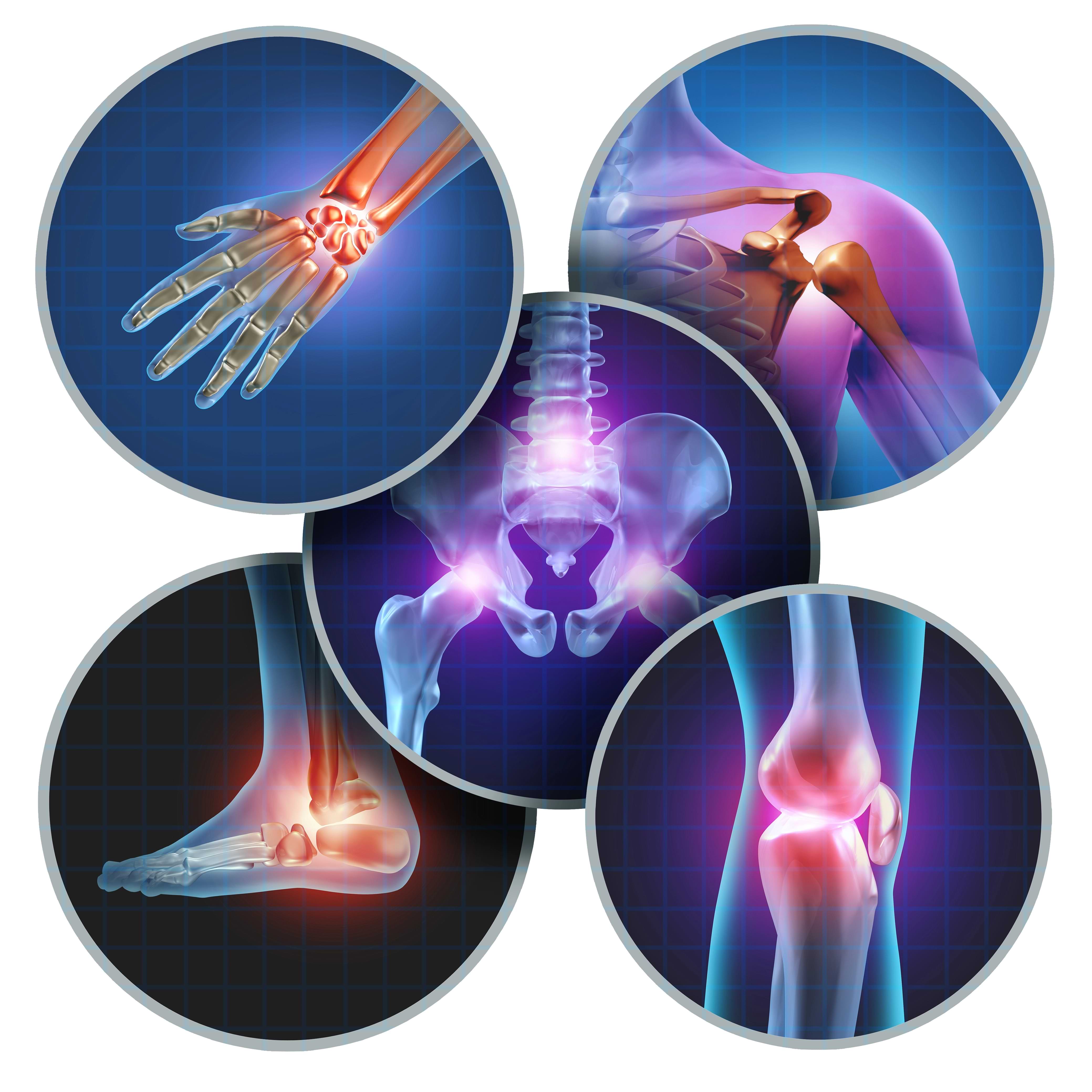
Many musculoskeletal injuries involve damage to muscles, tendons, ligaments, joints, or other soft tissues. Without appropriate evaluation and care, these injuries may continue to affect the body long after the initial incident.
Ongoing inflammation may contribute to continued tissue irritation, delayed healing, and increased discomfort over time. Inflammation is part of the body's natural healing process, but when it persists longer than expected, it can make recovery more difficult and contribute to ongoing symptoms.
As pain develops, people often change the way they move to avoid aggravating the injured area. These altered movement patterns can place additional stress on nearby muscles and joints. Over time, this compensation can create new injuries or worsen existing conditions.
Minor injuries that might have responded well to early treatment can progress into chronic pain conditions. Patients may experience recurring symptoms, stiffness, weakness, and ongoing limitations in daily activities.
Untreated orthopedic injuries can also increase the risk of reduced function and mobility. Tasks that were once simple, such as walking, lifting objects, exercising, or climbing stairs, may become increasingly difficult.
The long-term effects of untreated injuries may include chronic pain, reduced mobility, muscle weakness, joint dysfunction, and limitations that affect daily activities. Understanding the consequences of untreated musculoskeletal injuries can help patients recognize the importance of timely care.
The Hidden Costs of Delaying Care
Chronic Pain That Becomes Harder to Treat
One of the most significant consequences of untreated musculoskeletal injuries is the development of chronic pain. Acute pain serves as a warning sign that the body has been injured. When the underlying issue remains unresolved, that pain may continue long after the initial injury occurred.
Over time, the nervous system can become more sensitive to pain signals, making symptoms more difficult to manage. Patients may experience discomfort even during routine activities or periods of rest.
The effects of chronic pain often extend beyond physical symptoms. Ongoing pain can affect sleep quality, concentration, mood, and participation in work or recreational activities. What began as a temporary injury may eventually influence many aspects of daily life.
Longer and More Complicated Recovery
One major reason early treatment matters is that prompt intervention often supports a smoother recovery process.
When injuries are evaluated promptly, healthcare providers can identify the source of pain and recommend treatment before the condition progresses. Addressing issues early may help reduce inflammation, restore function, and prevent additional damage.
Delayed treatment for sports injuries and other musculoskeletal conditions can result in more extensive recovery needs later. Patients may require longer rehabilitation periods, additional therapies, or more involved procedures to address problems that have worsened over time.
The longer an injury remains untreated, the greater the possibility that surrounding structures may also become affected. This can increase recovery time and make returning to normal activities more challenging.
Delayed care can allow inflammation, tissue irritation, and movement dysfunction to progress, often extending recovery timelines and increasing the need for additional therapies.
Reduced Mobility and Physical Function
Musculoskeletal pain can gradually limit movement and physical performance. Patients may avoid certain activities due to discomfort, which can contribute to muscle weakness and reduced flexibility.
Over time, decreased activity levels can affect overall function. Simple tasks such as walking, standing for extended periods, lifting objects, or exercising may become more difficult.
Reduced mobility can also interfere with work responsibilities and recreational activities. Individuals who participate in sports may notice declining performance, while others may struggle with everyday movements that once felt effortless.
Another concern is the increased risk of compensatory injuries. When one area of the body is injured, other muscles and joints often work harder to compensate. This additional strain can lead to secondary injuries and further limitations.
Some patients also experience complications from untreated orthopedic injuries, including joint instability, recurring pain, reduced strength, and increased stress on surrounding muscles and joints.
Greater Reliance on Pain Management
As symptoms continue, many patients rely more heavily on pain management strategies to cope with discomfort. While medications and symptom-focused treatments may provide temporary relief, they do not address the underlying cause of the injury.
Without identifying and treating the source of the problem, symptoms may continue to return. This can create an ongoing cycle of pain management without meaningful progress toward recovery.
Early evaluation often creates more opportunities to develop an effective treatment plan before symptoms become more difficult to manage, helping preserve mobility, improve physical function, and reduce the likelihood of chronic pain and long-term complications.
Also Read: Spine-Related Pain Conditions
Signs It’s Time to Seek Professional Evaluation
When should I see a doctor for a musculoskeletal injury? While every injury is different, certain symptoms suggest that professional evaluation may be necessary. Pain that lasts longer than a few weeks shouldn’t be ignored. Ongoing discomfort may indicate that healing is not progressing as expected.
● Recurring pain during physical activity is another warning sign. If symptoms repeatedly return during exercise, work, or daily movement, an underlying issue may be present.
● Swelling, stiffness, and reduced range of motion can also signal the need for medical attention. These symptoms may indicate tissue damage, joint problems, or ongoing inflammation.
● Numbness, tingling, or weakness should be evaluated promptly, as they may involve nerve irritation or compression.
How Early Treatment Can Improve Long-Term Outcomes
Early treatment for musculoskeletal injuries in Los Angeles can help identify the source of pain before the condition progresses. A timely evaluation allows healthcare providers to assess the injury and determine the most appropriate course of care.
Patients dealing with a musculoskeletal injury should consider evaluation before symptoms worsen or begin affecting mobility and daily function.
Treatment plans are often based on the patient's symptoms, activity level, medical history, and specific injury. This individualized approach helps address both current symptoms and factors contributing to the condition.
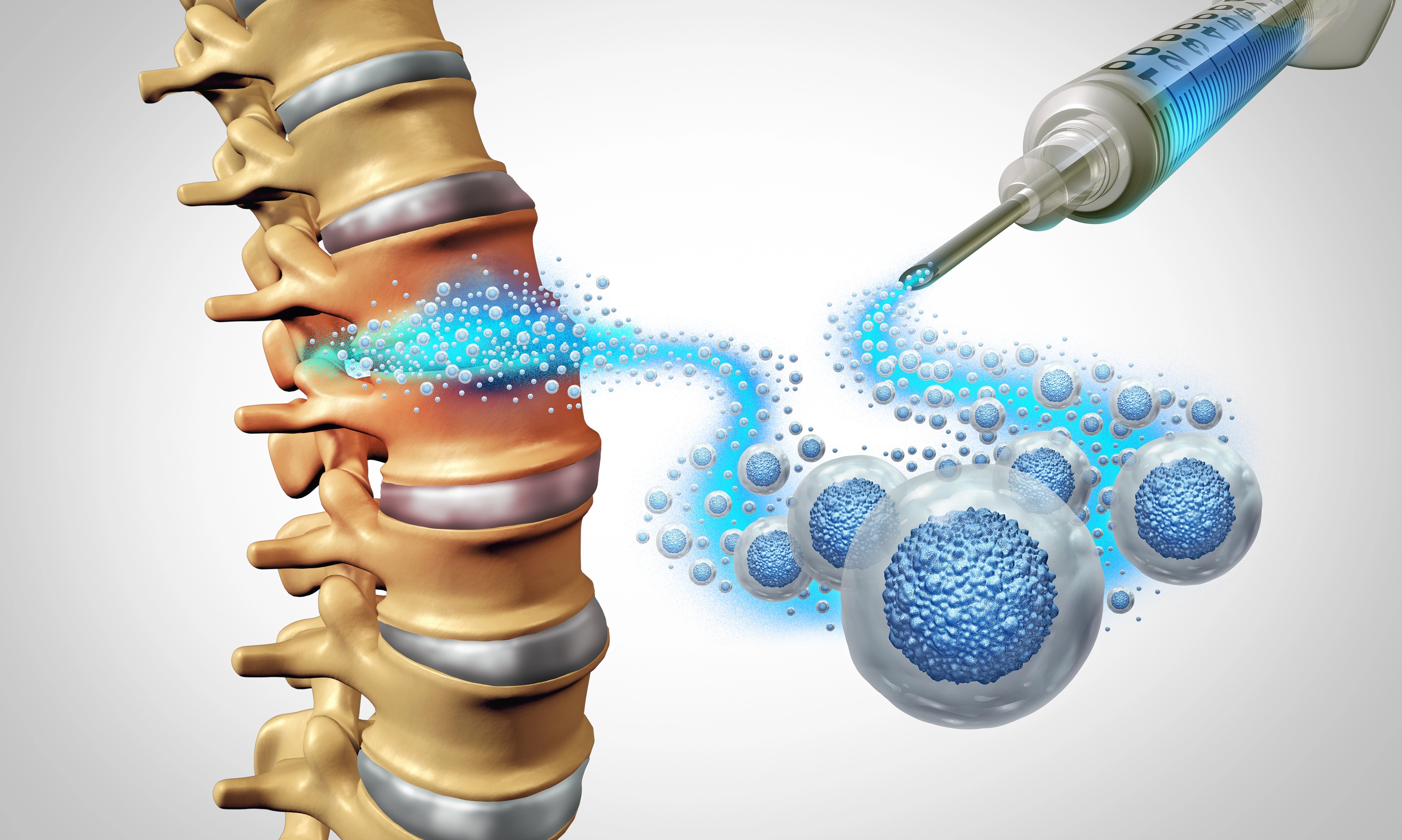
Patients who seek care early may also have access to a broader range of non-surgical and minimally invasive treatment options before injuries become more complex. Depending on the condition, treatment may include regenerative medicine therapies, interventional pain management procedures, physical rehabilitation strategies, or a combination of approaches. Regenerative medicine may involve treatments that either deliver biologic healing components to injured tissue or stimulate the body's natural healing response through controlled biological activation.
Early evaluation often creates more opportunities to develop an effective treatment plan before symptoms become more difficult to manage. Addressing injuries before they worsen may help preserve mobility, improve physical function, and reduce the likelihood of chronic pain and long-term complications.
In many cases, delaying treatment can allow symptoms to progress and increase the likelihood of long-term complications.
Also Read: Pain Management Specialist in Los Angeles | Pain Free Institute
Conclusion
Untreated musculoskeletal injuries often involve far more than temporary discomfort. The hidden cost of delaying musculoskeletal injury treatment may include chronic pain, reduced mobility, prolonged recovery, and additional complications that affect daily life.
Depending on the condition, untreated injuries may lead to chronic pain, reduced physical function, limited mobility, and prolonged recovery challenges that affect quality of life.
The long-term effects of untreated injuries can interfere with work, exercise, sleep, and quality of life. Taking action early allows patients to address underlying problems before they become more difficult to manage.
Early evaluation may also provide access to non-surgical and minimally invasive treatment options that can support healing before an injury progresses. Addressing symptoms promptly can help reduce the likelihood that a minor injury develops into a chronic condition that affects long-term function and quality of life.
If you are experiencing musculoskeletal pain or recovering from orthopedic injuries, scheduling an evaluation can help identify the source of your symptoms and support a healthier recovery path. Address your injury before a temporary problem becomes a long-term condition.
.png)

.png)





Medipark
Miracle Mile Surgery Center provides advanced outpatient surgical care with expert physicians and state-of-the-art facilities.
Contact Us
