
.svg)










.webp)


Exploring Non-Surgical Options for Long-Term Pain Relief
Living with discomfort that lasts for months or years changes how you interact with the world. Chronic pain often dictates your ability to move, your sleep patterns, and your mental state. When standard remedies like rest or basic medication stop working, it is common to feel that surgery is the only remaining path. However, the field of pain medicine has grown significantly. New methods now provide non-surgical pain relief that Los Angeles residents can use to regain their lifestyle without the risks of an operating room.
Long-term pain relief starts with a shift in perspective. Instead of just masking a sensation, modern care looks to find the reason the body is signaling distress. By focusing on restoring function and supporting the natural repair processes within your tissues, it is possible to achieve lasting results that once seemed out of reach.
Why Chronic Pain Can Be Difficult to Resolve
Chronic pain management is rarely as simple as fixing a single broken part. While acute pain acts as a warning after a sudden injury, chronic symptoms often stem from a mix of factors. These can include old injuries that never quite healed, degenerative conditions like osteoarthritis, or repetitive strain from daily habits.
The difficulty in resolving these issues often lies in the complexity of the human frame. Pain frequently involves a web of structures:
● Joints and cartilage
● Tendons and ligaments
● Nerve pathways
Many traditional approaches fail because they focus solely on symptom relief. If a treatment only dulls a nerve without addressing why that nerve is irritated, the discomfort will return. Furthermore, biomechanical stress, the way you walk, sit, or lift, can create a cycle of irritation that prevents healing. Without looking at these movement patterns, the underlying cause remains active.
Also Read: When Pain Becomes Chronic: Why Early Intervention Matters
The Importance of Identifying the Source of Pain
Every successful pain therapy plan is built on a clear understanding of the “why” behind the ache. A surface-level look is rarely enough to create a lasting change.
A detailed evaluation at The Pain Free Institute involves several layers:
- Medical History: A look at past injuries and how your pain behaves throughout the day.
- Physical Examination: Testing range of motion and specific points of tenderness.
- Diagnostic Imaging: Using X-rays or MRIs to see structural changes.
- Movement Assessment: Watching how your body compensates for pain during activity.
- Musculoskeletal Ultrasound: A real-time look at soft tissues and joints.
When the diagnosis is accurate, the path forward becomes clear. This level of detail allows for a strategy that targets the specific tissue or mechanical flaw responsible for your limitations.
When Surgery May Not Be the Best First Option
Surgery is a powerful tool, and in cases of severe structural failure or nerve compression, it can be a necessity. However, for many musculoskeletal conditions, it does not have to be the starting point. Invasive procedures come with inherent risks, such as infection, reactions to anesthesia, and long recovery periods.
Choosing non-invasive therapies for chronic pain relief first offers several advantages:
● Lower risk of complications
● No hospital stays
● Minimal to no downtime
● Lower overall costs
Many patients find that once they address inflammation and mechanical imbalances through non-invasive pain treatment, the structural “flaw” seen on an image no longer causes symptoms. Exploring these avenues first gives the body a chance to recover less stressfully.
Non-Surgical Therapies Used in Modern Pain Care
Modern pain management utilizes a toolkit of various methods that work better when used together. By combining different modalities, we can address pain from multiple angles, reducing inflammation while simultaneously building strength.
Commonly used methods include:
● Physical Rehabilitation: Programs designed to correct weaknesses and improve flexibility.
● Targeted Therapeutic Injections: Delivering relief directly to the site of inflammation.
● Regenerative Medicine: Using biological substances to support tissue health.
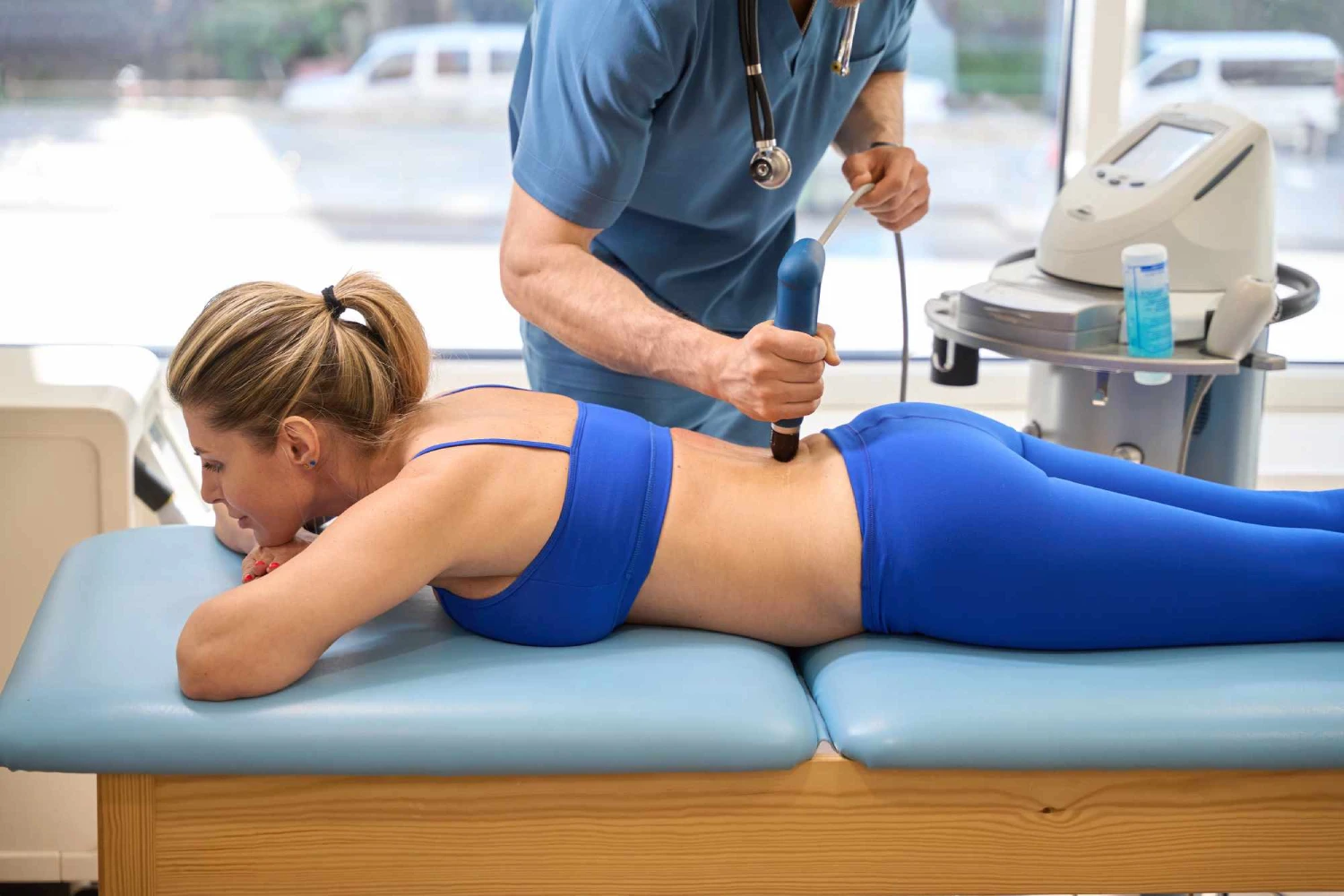
● Shockwave Therapy: Using sound waves to stimulate blood flow and healing in tendons.
● Lifestyle Modifications: Adjusting activity levels and nutrition to lower systemic stress.
By integrating these tools, the focus shifts from living with it to actively improving the affected area.
Also Read: Shockwave Therapy vs Injections: Which Is Better for Pain Relief?
Regenerative Medicine and Tissue Healing
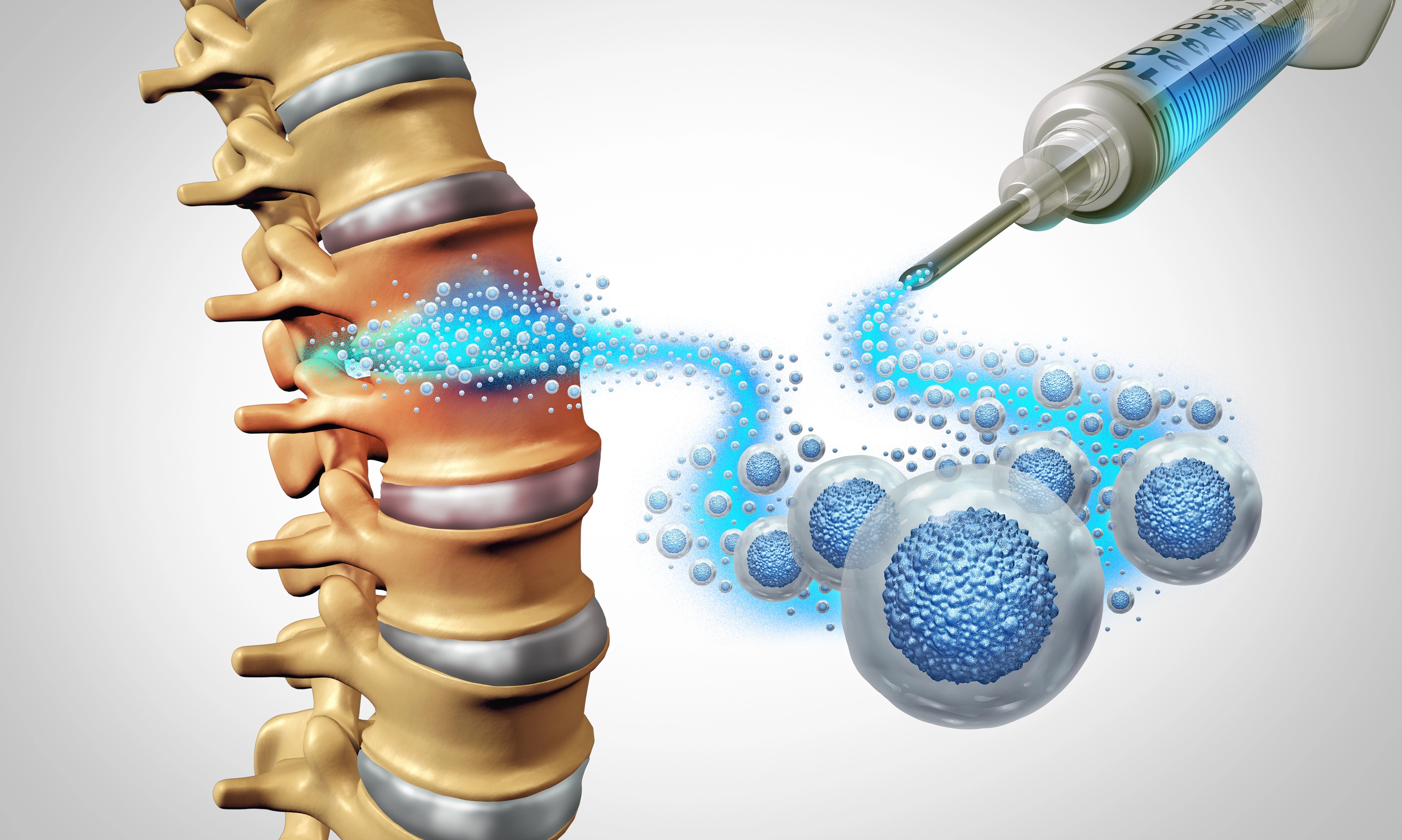
One of the most exciting shifts in chronic pain treatment is the rise of regenerative medicine. Traditional medicine often relied on steroids to shutdown inflammation, which can sometimes weaken tissues over time. Regenerative therapies take the opposite approach by supporting the body's innate ability to mend itself.
Methods like platelet-rich plasma (PRP) therapy and other biologic treatments use concentrated elements from the body to signal for repair. These treatments are designed to:
● Stimulate the repair of damaged tendons and ligaments
● Improve the environment within a degenerate joint
● Address the actual wear and tear rather than just the signal of pain
This approach is a corner stone for those seeking non-surgical options for long-term pain relief in Los Angeles, as it aims for a biological fix rather than a chemical mask.
Improving Movement and Biomechanics
How you move often determines how you feel. Even the most advanced pain management treatments without surgery can be undermined by poor mechanics. If a joint is misaligned or a muscle is too weak to support a limb, the resulting strain will eventually lead to discomfort.
Treatment plans often place a heavy emphasis on:
● Joint Mechanics: Ensuring bones move smoothly within their sockets.
● Muscle Balance: Addressing “lazy” muscles that force others to overwork.
● Mobility Training: Expanding the range of motion to prevent stiffness.
● Bio mechanical Correction: Re-learning how to perform daily tasks without strain.
By adjusting how the body handles weight and motion, we reduce the recurring stress that leads to chronic flare-ups.
Conditions That Often Respond to Non-Surgical Treatment
There is a wide range of issues that can be managed through modern treatments for chronic pain management. You do not have to wait for a surgical level of damage to seek help.
Many patients see significant improvement in conditions such as:
● Chronic Back Pain: Including disc issues and facet joint irritation.
● Knee Pain: Meniscus wear, ligament strains, or runner's knee.
● Shoulder Injuries: Rotator cuff tears and impingement.
● Tendon Injuries: Tennis elbow, Achilles issues, and plantar fasciitis.
● Nerve-Related Pain: Sciatica or carpal tunnel symptoms.
Success in these areas relies on a diagnostic-first mind set. When we know exactly which tissue is struggling, we can apply the right non-surgical tool to help it.
Also Read: Are PRP Injections Safe for Long-Term Joint Health?
When to Seek Advanced Pain Care
Knowing when to step beyond home remedies or general care is important. You should consider a specialized evaluation if:
● Your pain has lasted longer than three months despite rest.
● Past treatments like basic physical therapy or pills did not provide a lasting change.
● A surgeon has suggested a procedure, but you want to see if minimally invasive options for long-term pain relief are possible.
● Your discomfort stops you from working, exercising, or enjoying your family.
Getting a professional opinion early can prevent a minor issue from becoming a permanent limitation.
A New Perspective on Long-Term Pain Relief
We now have a better understanding of how the brain processes pain and how tissues heal than ever before. This means that even if you were told years ago that nothing could be done, there may be new ways to treat chronic pain without surgery available today.
By prioritizing a diagnostic-first approach and a personalized strategy, it is possible to break the cycle of chronic discomfort. The focus is no longer just on survival, but on restoring the quality of life you deserve. With improved mobility and less pain, you can return to the activities that make life meaningful.
Contact The Pain Free Institute today to schedule your consultation.
.png)

.png)





Medipark
Miracle Mile Surgery Center provides advanced outpatient surgical care with expert physicians and state-of-the-art facilities.
Contact Us
