
.svg)












.webp)

.png)
Why Deep Tissue Remodeling Requires Focused Shockwave Over Radial Therapy
Not All Shockwave Therapy Is Created Equal
Many clinics in Los Angeles offer shockwave therapy, but the type used matters significantly. It is easy to assume that any acoustic wave device will yield the same results, yet this is a common misconception. Patients often seek out this treatment to avoid surgery or medication, only to find that their results vary based on the specific technology used.
The distinction lies in the delivery method: focused shockwave vs radial shockwave therapy. While both fall under the same broad category, they function differently and serve different purposes. Why focused shockwave is better for deep tissue remodeling comes down to physics; deep tissue healing and remodeling require specific depth and energy delivery, which only focused shockwave therapy can provide. Selecting the wrong modality may lead to stagnant progress, whereas the right choice can facilitate a return to activity.
Also Read: Exploring Non-Surgical Options for Long-Term Pain Relief
What Is Shockwave Therapy?
Shockwave therapy for deep tissue healing explained: This is a non-invasive acoustic wave therapy used to stimulate healing. It involves sending high-energy pulses into damaged areas to stimulate deep tissue activity.
General benefits of pain management therapy include:
- Improves blood flow to stagnant areas.
- Reduces pain by desensitizing nerve endings.
- Stimulates tissue activity at a cellular level.
This technology is widely used to treat:
- Tendons (such as the Achilles or patellar tendon).
- Ligaments (including the plantar fascia).
- Muscles and myofascial tissue.
- Chronic injuries that have failed to heal through traditional physical therapy.
The Key Difference: Focused vs. Radial Shockwave
The difference between these two methods is found in how the wave travels through the body.
Radial shockwave therapy:[1]
- Energy disperses outward from the applicator head.
- Covers a broad, superficial area.
- Best for surface-level conditions like muscle tension.
Focused shockwave therapy:
- Energy converges at a precise point deep within the body.
- Penetrates deeper into tissue without losing strength at the surface.
- Delivers higher intensity at depth.
The core takeaway is simple: Radial = wide + shallow, while Focused = targeted + deep. Radial waves lose energy as they travel deeper because the pressure is highest at the skin. In contrast, focused waves maintain and concentrate energy at a specific depth, allowing musculoskeletal therapy to reach the actual site of the injury.
Why Depth Matters in Tissue Healing
Many chronic injuries originate deep within the body. Surface-level treatments often fail because they cannot reach the actual source of the pain. Areas that frequently require deeper penetration include:
- Tendon attachments to the bone.
- Joint structures.
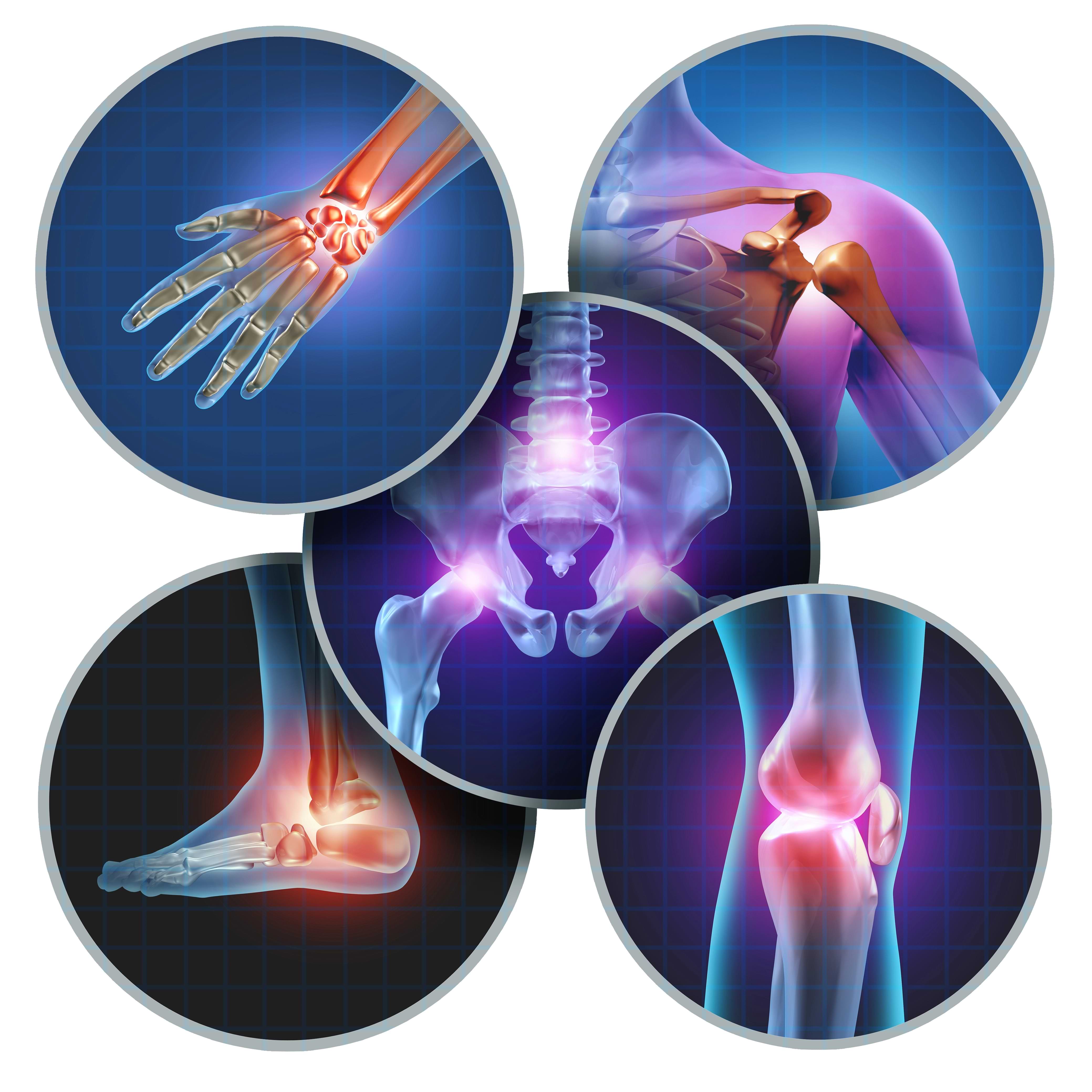
- Hip, pelvis, and shoulder regions.
Superficial treatment may provide temporary relief by soothing the skin or top-level muscle fibers, but it may fail to address root pathology. Regenerative medicine relies on reaching the damaged cells. Deep tissue therapy remodeling requires adequate energy at depth and precise targeting to break down scar tissue and stimulate new growth.
How Focused Shockwave Drives Deep Tissue Remodeling
The mechanical stress of a focused wave triggers biological responses that radial waves cannot reach. Understanding how focused shockwaves penetrate deeper tissue is key to understanding their success.
Mechanisms:
- Stimulates cellular activity and regeneration by signaling the body to produce growth factors.
- Increases microcirculation in deep tissues where blood supply is typically poor.
- Promotes collagen remodeling to strengthen weakened tendons.
Precision advantage:
Focused waves target the exact injury location without affecting surrounding tissue. This allows for soft tissue treatment that is both intense and specific.
Higher energy delivery:
Focused shockwaves can deliver significantly higher pressure at the treatment site than radial waves. Because the energy is concentrated rather than spread out, the peak pressure is high enough to trigger healing in stubborn, chronic cases.
Limitations of Radial Shockwave for Deep Conditions
Radial therapy has its place, but its energy is strongest at the skin surface. As the wave travels through the skin and fat layers, it weakens. By the time it reaches a deep hip joint or a thick hamstring tendon, the energy is often too low to cause a therapeutic change.
Better suited for:
- Superficial muscle tightness.
- Broad treatment areas.
- Trigger points in the upper back or calves.
Limitation:
It does not adequately treat deeper structural problems. Radial therapy is a helpful tool for surface-level issues, but generally insufficient for deeper pathology that involves bone or deep ligamentous structures.
Also Read: Knee Osteoarthritis Relief with PRP and Shockwave Therapy
Clinical Evidence and Outcomes
When looking for the best shockwave therapy for chronic pain in Los Angeles, clinical data is a helpful guide. Research consistently shows that focused shockwave therapy has greater effectiveness in chronic and deep conditions.
Studies often highlight:
- Improved pain reduction in cases where radial therapy had previously failed.
- Successful treatment of non-healing bone fractures (non-unions).
- Better long-term results for deep-seated inflammatory conditions.
Focused shockwave is particularly beneficial for:
- Chronic tendinopathies (long-standing tendon pain).
- Calcific conditions (calcium deposits in the shoulder or heel).
- Deep joint-related pain.
Conditions That Require Focused Shockwave
Certain injuries are simply too deep for radial devices to handle. When to use focused shockwave instead of radial therapy is usually clear when dealing with:
- Hip pain and deep gluteal injuries: The hip is surrounded by thick muscle layers that absorb radial energy before it reaches the joint.
- Hamstring origin injuries: These sit deep under the gluteal fold and require concentrated energy.
- Chronic plantar fasciitis: While radial can help, focused waves reach the heel bone attachment more effectively.
- Rotator cuff pathology: Reaching the tendons under the acromion bone requires a focused beam.
- Benefits of focused shockwave therapy for tendon and ligament injuries and persistent sports injuries that involve the core or groin.
Patient Experience: Precision vs. Surface Treatment
The experience during the session also differs.
- Focused shockwave: More targeted. Because the energy bypasses the skin and focuses deeper, it often causes less surface irritation or a slapping sensation.
- Radial shockwave: Creates a broader sensation across the skin, which can sometimes be uncomfortable for those with sensitive nerves.
In terms of treatment efficiency, focused therapy may require fewer sessions. Because the energy delivery is higher and more precise, the biological kickstart is often more powerful, leading to faster progress.
Why Technology Choice Matters in Your Results
Not all clinics use focused shockwave because the equipment is more sophisticated and costly. However, device capability directly impacts the depth of treatment, the accuracy of the delivery, and the final outcomes.
When searching for shockwave therapy in Los Angeles, it is important to choose a provider with:
- Advanced technology: Ensure they have true focused shockwave capabilities.
- Clinical expertise: Practitioners who understand how to calibrate the depth and intensity for your specific injury.
The Right Tool for the Right Condition
Choosing the right tool is a matter of matching the technology to the anatomy.
- Radial shockwave: Useful for superficial, widespread issues or as a warm-up for the muscles.
- Focused shockwave: A necessity for deep, chronic, or complex injuries where tissue remodeling is the primary requirement.
The Pain Free Institute prioritizes individualized treatment planning. We evaluate the depth and severity of the injury to determine which modality will provide the most benefit.
Why a Precision-Based Approach Matters
A precision-based approach ensures that we treat the root cause, not just symptoms. By reaching the exact location of the damaged tissue, we avoid incomplete healing and reduce the recurrence of injury. This aligns with our philosophy of providing targeted, non-surgical solutions that actually change the health of the tissue.
Relying on superficial treatments for deep-seated problems often leads to a cycle of temporary relief followed by a return of pain. Precision technology breaks that cycle.
Also Read: Shockwave Therapy Myths vs. Facts: What Patients Should Know Before Treatment
Conclusion
Deep tissue problems require deep, precise treatment. If you are struggling with a persistent injury that hasn't responded to standard care, the issue may be that the treatment isn't reaching the necessary depth.
Focused shockwave delivers:
- Greater depth to reach the source of pain.
- Higher energy to stimulate cellular remodeling.
- Better targeting for specific structural damage.
Schedule a consultation with The Pain Free Institute today to find out which shockwave therapy is right for you. Our team will evaluate your condition and develop a personalized treatment plan to help you return to a pain-free life.
.png)

.png)





Medipark
Miracle Mile Surgery Center provides advanced outpatient surgical care with expert physicians and state-of-the-art facilities.
Contact Us
