
.svg)


















.webp)

.png)
RFA vs. Nerve Blocks: Which Nerve Pain Treatment Offers Longer-Lasting Relief?
Nerve pain can be difficult to manage with medications alone. When daily discomfort limits your mobility and impacts your quality of life, interventional procedures can offer a pathway to comfort. Two common interventional treatments for managing discomfort are nerve blocks and radiofrequency ablation (RFA).
While both target pain signals, they serve different purposes and timelines for relief. Understanding the difference between nerve block and radiofrequency ablation can help you make an informed decision alongside your medical team. For those seeking Los Angeles pain management, finding the right strategy is the key to reclaiming your daily routine.
What Is a Nerve Block?
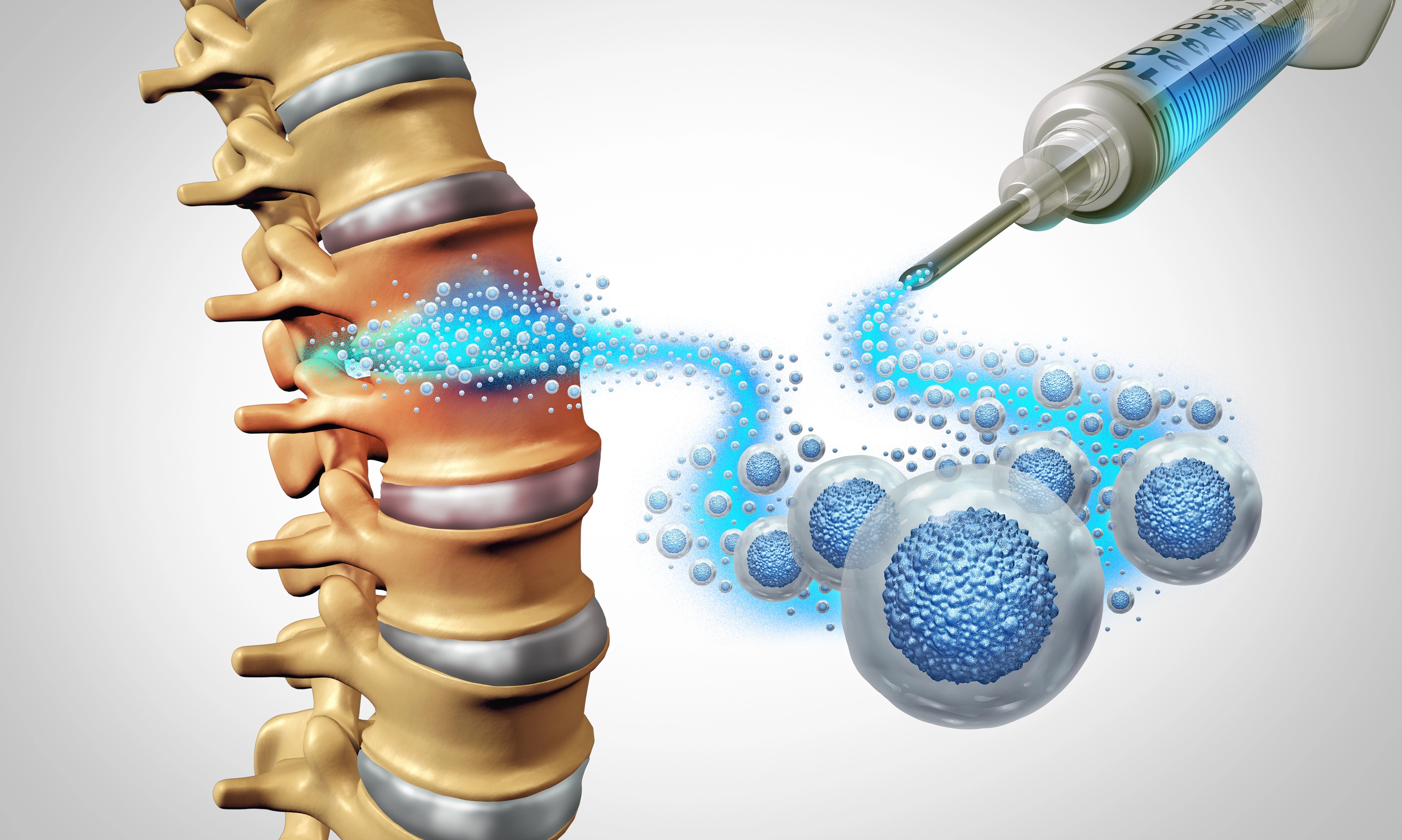
A nerve block is a minimally invasive injection that targets specific pathways to disrupt discomfort signals before they reach the brain. It is widely used as a starting point in chronic pain relief strategies.
How It Works
- Injects medication around a targeted nerve: The procedure involves injecting a local anesthetic, sometimes paired with a steroid, directly around the affected pathway.
- Temporarily reduces pain and inflammation: The medication numbs the immediate area, calming irritated pathways and lowering swelling.
- Can help identify the source of pain: If the injection provides immediate relief, your physician confirms exactly which pathway is sending the distress signals.
Best For
- Diagnostic testing: Nerve blocks are commonly used to help identify the specific nerve or structure contributing to pain.
- Short-term pain relief: It provides immediate, temporary comfort for acute flare-ups.
- Evaluating candidacy for other treatments: Success with a temporary block may indicate that a longer-lasting procedure targeting the same nerve pathway could be appropriate.
What Is Radiofrequency Ablation (RFA)?
If you need a more enduring strategy, RFA treatment might be the next step. This procedure builds upon the information gathered from a successful block.
How It Works
- Uses heat to disrupt pain-transmitting nerves: A specialized needle delivers radiofrequency waves to create a small heat lesion on the targeted pathway.
- Targets chronic pain at its source: By heating the specific pathway, the procedure stops the structure from sending discomfort signals to the brain.
- Minimally invasive outpatient procedure: Done with local anesthesia, it allows patients to return home the same day.
Best For
- Chronic neck, back, and joint pain: It serves as a reliable back pain treatment and nerve block vs RFA for neck pain relief.
- Patients who responded well to nerve blocks: A positive response to the initial injection may indicate that RFA could be an appropriate treatment option.
- Longer-lasting pain management: It addresses the question of when should you consider nerve ablation? It is ideal when you need months of comfort rather than days.
Also Read: Chronic Pain vs. Acute Pain: Why Treatment Differs
RFA vs. Nerve Blocks: The Biggest Differences
When evaluating radiofrequency ablation vs nerve blocks for pain relief, patients frequently look at how these procedures contrast in daily practice. Both are valid pain management procedures, but they function on completely different schedules.
Duration of Relief
The most common inquiry from patients is which lasts longer RFA or nerve blocks? Nerve blocks: Provide temporary relief. Regarding how long do nerve blocks last, the answer generally ranges from a few days to a few weeks, depending on the specific medication mix.
- RFA: Designed for longer-lasting results. Most patients experience significant pain reduction for six months to a year or more — and in many cases, even longer. For those tired of managing pain with short-term solutions, RFA offers a meaningful window of relief that can restore quality of life and help patients stay active in their recovery.
Treatment Goals
- Nerve blocks: Diagnose and relieve pain. The primary focus is information gathering and short-term reset and relief.
- RFA: Provide sustained pain reduction. The focus is extending your comfort window so you can participate in physical therapy and daily activities.
Primary Purpose
- Nerve Blocks: Diagnosis and short-term pain relief
- RFA: Longer-lasting reduction of pain signals from targeted nerves
Mechanism
- Nerve Blocks: Local anesthetic and/or anti-inflammatory medication
- RFA: Controlled thermal energy delivered to targeted nerves
Typical Duration of Relief
- Nerve Blocks: Days to weeks
- RFA: Several months up to 2 years, although results vary
Recovery
- Nerve Blocks: Minimal downtime
- RFA: Mild soreness for several days is common
Which Treatment Is Right for You?
Choosing between RFA and nerve block injections requires a personalized medical assessment. Your physician will look at several factors to determine whether is RFA better than nerve blocks for back pain in your specific situation.
Severity and Duration of Symptoms
If your discomfort is recent, a temporary block might give your body the break it needs to heal. For structural issues that have caused misery for six months or more, RFA may be considered when chronic pain continues despite conservative treatment and diagnostic nerve blocks have provided temporary relief.
Response to Previous Treatments
In many medical protocols, you cannot skip straight to RFA. Insurance guidelines and clinical safety standards usually require one or two successful diagnostic blocks before proceeding to ablation. If the blocks provide significant but temporary relief, your physician may determine that RFA is an appropriate next step.
Underlying Cause of Pain
Facet joint-related pain is one of the conditions commonly treated with radiofrequency ablation. Conversely, certain types of radiating disc discomfort might be better managed with targeted steroid injections around the spinal column.
Personal Activity and Lifestyle Goals
If you are trying to complete a seasonal physical therapy program or need extended relief to return to work, the durability of RFA can be a major benefit. This weighs heavily when looking at the pros and cons of radiofrequency ablation vs nerve blocks.
- Safety Profile: Patients often ask, is RFA safe for chronic pain? Both procedures are generally considered safe when performed by appropriately trained specialists, although every procedure carries potential risks that should be discussed during consultation.
- Efficacy: When considering if nerve blocks or RFA is more effective, it depends on your timeline. Nerve blocks and RFA serve different purposes. Nerve blocks are often used for diagnosis and short-term relief, while RFA may be considered when a longer-lasting reduction in pain is the goal.
Also Read: Regenerative Medicine & Alternative Therapies
Conclusion
Nerve blocks and RFA both play important roles in pain management. Neither procedure is universally superior; rather, they work together as consecutive steps in a structured care plan.
Nerve blocks are often used to diagnose and temporarily relieve pain, helping identify the source of symptoms and guide future treatment decisions. For some patients, RFA may provide longer-lasting relief after diagnostic nerve blocks have identified the source of pain.
If you are wondering where to get RFA treatment in Los Angeles, look for a facility that prioritizes clear diagnostics before jumping into advanced procedures. Identifying the exact source of your discomfort is the most dependable way to secure lasting comfort.
Schedule a consultation with Dr. Shahbaz Farnad at The Pain Free Institute to determine which treatment may be right for your condition.
.png)

.png)





Medipark
Miracle Mile Surgery Center provides advanced outpatient surgical care with expert physicians and state-of-the-art facilities.
Contact Us
