
.svg)














.webp)


Why Persistent Sciatic Nerve Pain May Require More Than Steroid Injections
Sciatic nerve pain can be frustrating when symptoms continue despite treatment. Many people seek care after experiencing pain that radiates from the lower back down the leg, making it difficult to sit, walk, work, or sleep comfortably. While steroid injections are often part of a treatment plan, they do not always provide lasting relief.
Steroid injections are commonly used to reduce inflammation around irritated nerves and help manage discomfort. Some patients notice significant improvement after treatment, while others experience only short-term relief before symptoms return.
When chronic sciatica continues despite injections, it may indicate an underlying issue that requires a different approach. Understanding why pain remains is an important step in identifying treatment approaches that address the source of symptoms rather than focusing solely on temporary relief.
What Persistent Sciatic Nerve Pain Can Indicate
Sciatica is a symptom rather than a diagnosis. While inflammation around a nerve root can contribute to pain, symptoms may also be linked to structural changes within the spine, ongoing nerve compression, degenerative conditions, or other pain-generating structures. When symptoms continue after treatment, the focus often shifts from reducing inflammation to identifying what is keeping the nerve irritated in the first place.
Also Read: When Pain Becomes Chronic: Why Early Intervention Matters
How Steroid Injections Work
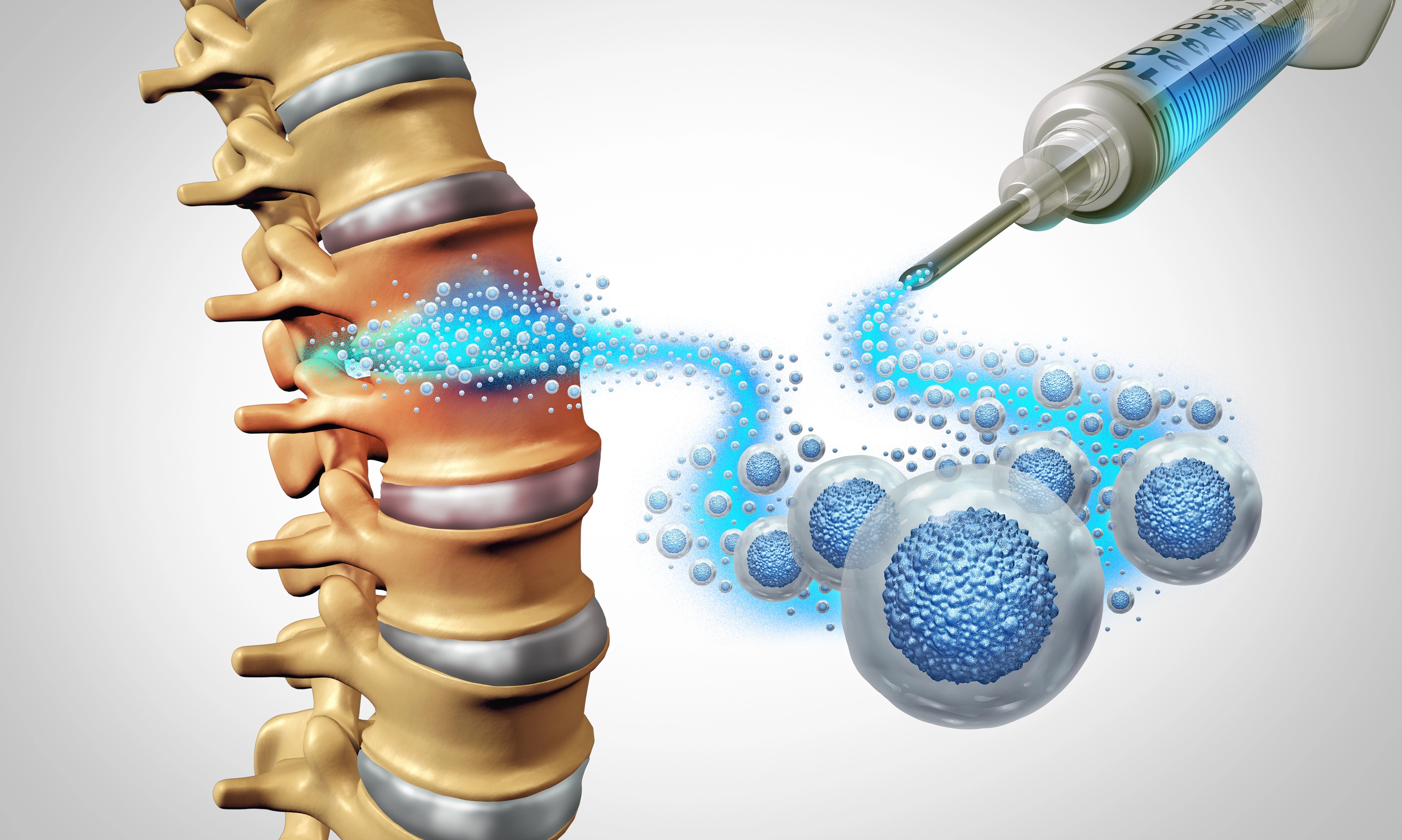
Steroid injections are frequently used as part of a nerve pain treatment plan because they help reduce inflammation around irritated spinal nerves.
These injections may:
- Reduce inflammation around compressed nerve roots
- Decrease pain and improve mobility
- Help patients participate in physical therapy and daily activities
For many individuals, injections provide valuable short-term lower back pain relief while other therapies are introduced.
Signs It’s Time to Consider Other Options
When sciatic nerve pain repeatedly returns after treatment, further evaluation may be appropriate. Ongoing numbness, tingling, weakness, or pain that continues to interfere with work, exercise, sleep, or daily activities may indicate that the underlying source of symptoms has not been fully addressed.
Many patients wonder what to do when sciatica doesn’t improve after injections. When symptoms continue despite treatment, further evaluation may help identify the source of the problem and guide future care.
The Importance of Identifying the Root Cause
Not All Sciatica Is Caused by the Same Problem
Many people assume all cases of sciatica are identical, but several different conditions can produce similar symptoms.
Potential causes include disc-related nerve compression, arthritic changes in the spine, sacroiliac joint dysfunction, post-surgical nerve irritation, and peripheral nerve entrapment. Because these conditions affect different structures, treatment approaches may vary significantly.
Why an Accurate Diagnosis Matters
Before pursuing additional procedures, it is important to understand what is actually causing the pain.
Identifying the causes of persistent sciatica despite treatment can help providers determine the most appropriate path forward and avoid treatments that may not address the source of symptoms.
Treatment Options Beyond Steroid Injections
While steroid injections can be an important part of treatment, they are only one option among several available approaches. Depending on the underlying source of pain, some interventional procedures are designed to provide longer-lasting relief and may be considered when injections have provided only temporary benefit.
Physical Therapy and Corrective Exercise
Physical therapy remains one of the most widely recommended approaches for chronic sciatica. Treatment often focuses on strengthening the muscles that support the spine, improving flexibility, correcting movement patterns, and reducing stress on irritated nerves. When combined with other therapies, rehabilitation can help improve function and reduce the likelihood of future flare-ups.
Regenerative Medicine Treatments
Platelet-rich plasma (PRP) may be considered when musculoskeletal conditions contributing to lower back, pelvic, or lower extremity pain are identified. Whether regenerative medicine is appropriate depends on the diagnosis, the structures involved, and the patient's overall condition. Treatment recommendations depend on the diagnosis, the structures involved, and the patient's overall condition.
Interventional Procedures for Related Pain Generators
Persistent leg pain is not always caused by a single source. In some cases, symptoms that feel like sciatica may involve irritation from spinal joints, sacroiliac (SI) joint dysfunction, or other pain-generating structures that contribute to lower back and leg symptoms.
When diagnostic evaluation identifies these structures as contributors to pain, interventional procedures such as radiofrequency ablation (RFA) may be considered. RFA works by interrupting pain signals from specific nerves and is commonly used for certain spine-related pain conditions. While it is not a treatment for every cause of sciatica, it may play a role when related pain generators are contributing to ongoing symptoms.
Also Read: Rethinking Chronic Pain Treatment Without Surgery
Spinal Cord and Peripheral Nerve Stimulation
For individuals with chronic nerve pain that has not responded to conservative care, neuromodulation therapies may be considered.
These treatments:
- Deliver mild electrical impulses to modify pain signals
- Can help patients with chronic nerve pain
- May reduce reliance on pain medications
Many specialists consider these therapies among the advanced pain management options for sciatica when conservative treatments and injections have not provided sufficient symptom control.
Minimally Invasive Spine Procedures
Some patients continue to experience symptoms because a structural issue is compressing the sciatic nerve.
Minimally invasive procedures may:
- Address structural issues causing nerve compression
- Require smaller incisions than traditional surgery
- Involve shorter recovery periods
For individuals exploring minimally invasive procedures for sciatica in Los Angeles, a specialist can determine whether these treatments are appropriate based on imaging studies and clinical findings.
Patients researching what are alternatives to steroid injections for sciatica often learn that minimally invasive procedures may provide relief when structural abnormalities continue to compress spinal nerves.
When to Seek Specialized Care
Signs Your Sciatica Needs Further Evaluation
Certain symptoms may indicate that sciatic nerve pain requires further evaluation.
Consider seeking further evaluation if you experience:
- Symptoms lasting longer than 6–12 weeks
- Pain that repeatedly returns after treatment
- Progressive leg weakness
- Difficulty performing daily activities
- Dependence on pain medications to function
These signs may indicate that additional testing or alternative treatment approaches are needed.
What to Expect During a Consultation
A consultation for sciatica treatment in Los Angeles typically begins with a review of symptoms, medical history, prior treatments, physical examination findings, and any relevant imaging or diagnostic testing. The goal is to identify the source of pain and develop a treatment plan based on the underlying cause of symptoms.
Also Read: Exploring Non-Surgical Options for Long-Term Pain Relief
Conclusion
Steroid injections can play an important role in reducing inflammation and providing short-term relief from sciatic nerve pain. However, chronic sciatica often points to an underlying condition that injections alone cannot address.
The most effective treatment plan depends on understanding why symptoms persist. Identifying the source of pain is often the first step toward improving function, reducing symptoms, and helping prevent the problem from becoming more limiting over time.
If steroid injections are no longer providing the relief you need, schedule a consultation with The Pain Free Institute.
Our team will evaluate the factors contributing to your sciatic nerve pain and develop a treatment plan based on your diagnosis, symptoms, and goals. Whether relief may come from rehabilitation, regenerative medicine, interventional procedures, or other therapies, identifying the source of the problem is the first step toward lasting improvement.
.png)

.png)





Medipark
Miracle Mile Surgery Center provides advanced outpatient surgical care with expert physicians and state-of-the-art facilities.
Contact Us
