Spinal Cord Stimulation (SCS)
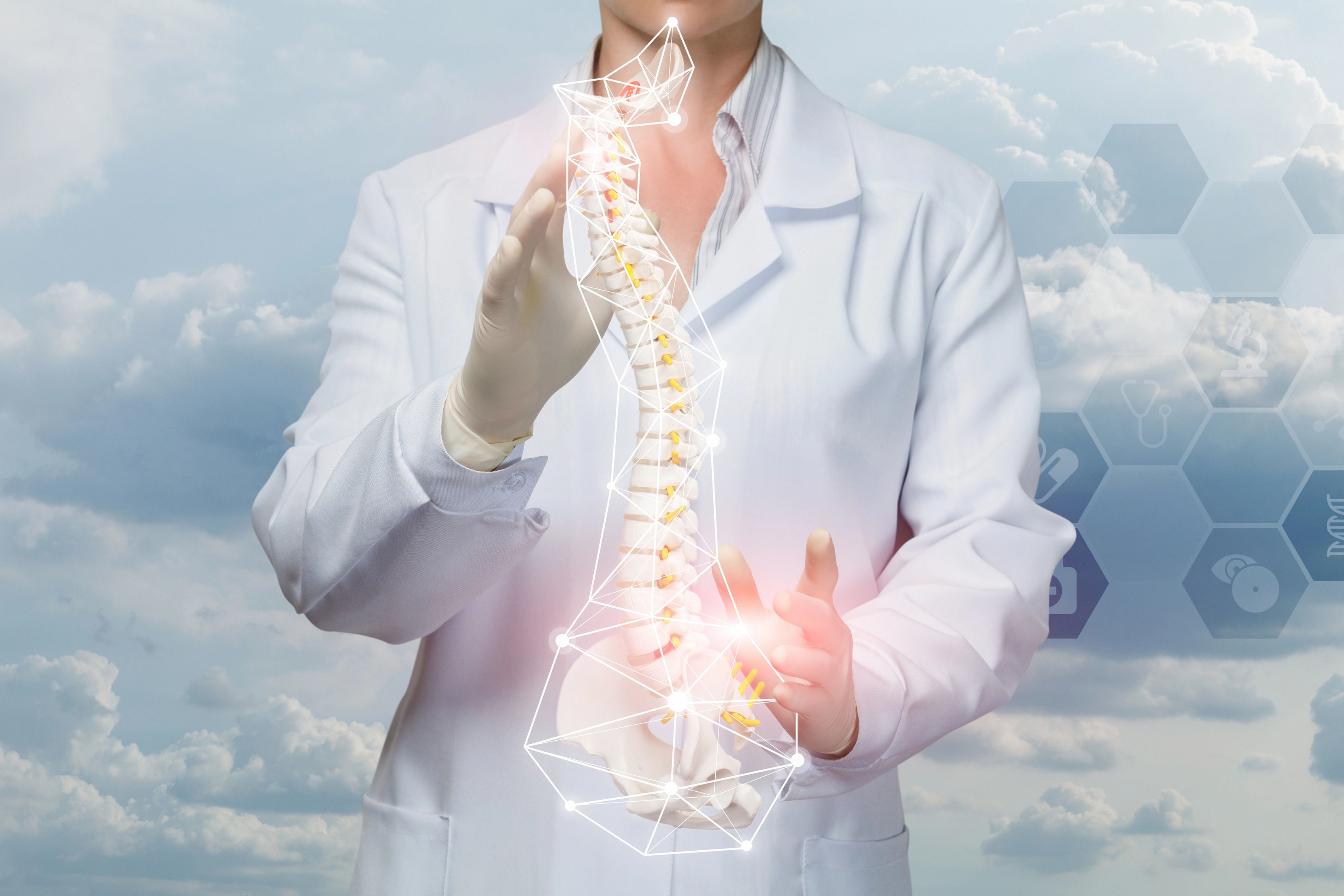
Spinal cord stimulators are implantable devices that deliver low-level electrical pulses to the spinal cord. These pulses help mask pain signals and replace them with a tingling sensation (or no sensation at all. SCS is commonly used for:
● Failed back surgery syndrome (FBSS)
● Chronic back or leg pain from nerve damage
● Complex regional pain syndrome (CRPS)
● Neuropathic pain that hasn’t responded to other treatments
Most patients try a trial device first to see if SCS works for them before getting a permanent implant.
Peripheral Nerve Stimulation (PNS)
PNS works similarly to spinal cord stimulation but targets nerves outside the spinal cord. A small electrode is placed near the painful nerve to interrupt abnormal pain signals. It can be helpful for:
● Nerve injuries
● Post-surgical pain
● Headaches or facial pain
● Localized nerve pain in the arms, legs, or torso
PNS is minimally invasive and often reversible, with both temporary and long-term options available.
Dorsal Root Ganglion (DRG) Stimulation
DRG stimulation is a more targeted form of spinal cord stimulation that focuses on the dorsal root ganglia—nerve bundles along the spine that transmit pain from specific body regions. It’s especially effective for:
● Complex Regional Pain Syndrome (CRPS)
● Focal neuropathic pain (especially in the foot, groin, or knee)
● Pain after surgery or trauma in a specific area
DRG therapy is known for its precision, providing focused pain relief without widespread numbness or tingling.
Benefits of Spinal Cord and Peripheral Nerve Stimulation
Spinal cord stimulation and peripheral nerve stimulation offer meaningful relief for patients who have not found success with traditional treatments. These advanced therapies are designed to improve both comfort and daily function without relying on long term medication use.
Effective Chronic Pain Relief
These therapies work by interrupting pain signals before they reach the brain. Many patients experience a significant reduction in pain intensity, allowing them to return to daily activities with greater ease.
Non Opioid Solution
Nerve stimulation provides a drug free alternative for managing chronic pain. This helps reduce dependence on medications and avoids the risks associated with long term opioid use.
Minimally Invasive Approach
Both spinal cord and peripheral nerve stimulation procedures are performed using minimally invasive techniques. This means less discomfort, smaller incisions, and faster recovery compared to traditional surgery.
Customizable and Adjustable Treatment
The level of stimulation can be adjusted based on your specific needs. This allows your provider to fine tune the therapy for optimal comfort and results over time.
Trial Before Permanent Placement
Many patients have the option to try the therapy before committing to a permanent implant. This ensures confidence in the treatment and helps determine if it is the right solution for your condition.
Improved Quality of Life
With reduced pain and increased mobility, patients often experience better sleep, improved mood, and a greater ability to enjoy everyday life.
The Process: What to Expect
Understanding the process can help you feel more confident about your treatment journey. At Pain Free Institute, every step is designed to ensure safety, comfort, and effectiveness.
1. Comprehensive consultation
Your journey begins with a detailed evaluation of your medical history, symptoms, and previous treatments. This helps determine if spinal cord or peripheral nerve stimulation is the right option for you.
2. Personalized treatment planning
If you are a candidate, your provider will create a customized treatment plan based on your specific pain condition and goals.
3. Trial phase
Before permanent implantation, a temporary device is placed to test how well the therapy works for you. This trial typically lasts several days and allows you to experience real world pain relief.
4. Evaluation of results
If the trial provides significant relief and improves your daily function, you may proceed with a permanent implant.
5. Permanent implantation
The permanent device is placed using a minimally invasive procedure. The system includes small electrodes and a generator that delivers gentle electrical pulses.
6. Ongoing support and adjustments
After the procedure, your provider will monitor your progress and adjust the device settings as needed to ensure optimal results over time.
Why Choose Pain Free Institute
Choosing the right provider is essential for achieving the best outcomes. Pain Free Institute is committed to delivering advanced, patient centered care in a supportive environment.
Experienced pain specialists
The team is highly trained in advanced pain management techniques, including spinal cord and peripheral nerve stimulation, ensuring precise and effective treatment.
Personalized care approach
Every patient receives a customized plan tailored to their unique condition, lifestyle, and goals. No two treatment plans are the same.
Advanced technology and techniques
Pain Free Institute uses the latest innovations in nerve stimulation therapy to provide safe, effective, and minimally invasive solutions.
Focus on non surgical and non opioid treatments
The goal is to reduce pain while minimizing reliance on medications and avoiding unnecessary surgery whenever possible.
Comprehensive support throughout your journey
From your initial consultation to post procedure care, the team is dedicated to guiding you every step of the way.
Convenient location in Los Angeles
Easily accessible care with a commitment to helping patients reclaim comfort and function as quickly as possible.
Frequently Asked Questions
1. What is spinal cord stimulation and how does it work?
Spinal cord stimulation uses a small implanted device to deliver gentle electrical signals to the spinal cord. These signals interrupt pain messages before they reach the brain, reducing the sensation of pain or eliminating them altogether.
2. What is the difference between spinal cord stimulation and peripheral nerve stimulation?
Spinal cord stimulation targets the central nervous system, while peripheral nerve stimulation focuses on specific nerves outside the spine. Both aim to block pain signals but are used for different types of conditions.
3. Who is a good candidate for nerve stimulation therapy?
Patients with chronic pain that have not responded to medications, physical therapy, or injections may be good candidates. A consultation is required to determine eligibility.
4. Is the procedure painful?
The procedure is minimally invasive and typically performed with local anesthesia or sedation. Most patients report only mild discomfort during recovery.
5. How long does the trial period last?
The trial phase usually lasts several days, allowing you to evaluate how well the therapy reduces your pain during normal daily activities.
6. Can the device be adjusted after implantation?
Yes, the device settings can be adjusted to match your pain levels and comfort needs. This allows for a personalized treatment experience.
7. Are these devices permanent?
Spinal cord stimulators are designed for long term use, but they can be removed if necessary. Some peripheral nerve stimulation systems may be temporary or reversible.
8. What conditions can this treatment help with?
It is commonly used for conditions such as chronic back pain, nerve injuries, complex regional pain syndrome, post surgical pain, and localized nerve pain.
9. Will I feel the stimulation?
Some patients feel a mild tingling sensation, while others may not feel anything at all depending on the device and settings used.
10. How soon can I return to normal activities?
Recovery time varies, but many patients can return to light activities within a few days. Your provider will give specific guidance based on your procedure.

.svg)










.webp)