
.svg)









.webp)

PRP, Focused Shockwave, and Infusions to Stimulate Healing in Joints, Tendons, and Muscles
Why “Healing” Matters More Than Pain Relief
Most people dealing with physical discomfort look for the fastest way to make the sensation stop. However, many traditional treatments merely mask symptoms without addressing the underlying damage. If the tissue remains damaged, the pain will inevitably return, often worse than before.
There is a significant shift in medicine toward restorative methods. Instead of relying on temporary fixes, these therapies focus on stimulating the body’s natural healing response. By supporting or stimulating the body’s natural healing response, these approaches move beyond symptom management toward improving tissue function and long-term outcomes.
The Pain Free Institute utilizes three primary modalities to facilitate this process:
● PRP therapy : Provides biologic repair through growth factors.
● Focused shockwave: Offers mechanical stimulation to restart there pair process.
● Infusion therapy: Supplies systemic support to manage inflammation and pain signaling.
When deciding on a treatment plan, many patients find it helpful to compare PRP vs shockwave therapy for joint pain to determine which biological or mechanical approach best fits their specific injury. This integrated, non-surgical approach provides a path for those seeking non-surgical pain relief in Los Angeles by focusing on biology rather than just pharmacy.
Understanding Why Injuries Don’t Heal Easily
The body is capable of incredible repair, but certain tissues are at a disadvantage. Joints, tendons, ligaments, and cartilage have a notoriously poor blood supply. Since blood carries the oxygen and nutrients necessary for repair, these areas often struggle to recover from overuse or trauma.
When an injury occurs, the body initially creates an inflammatory response to fixt he problem. If that process stalls, the condition becomes chronic. Instead of healing, the tissue begins to degenerate. This is common in sports injuries, age-related wear, and repetitive strain from daily activities.
Standard treatments like rest, anti-inflammatory medications, or steroid injections often fall short because they don’t actually mend the tissue. In some cases, repeated steroid use can even weaken tendons and ligaments further.
What Is PRP (Platelet-Rich Plasma)?
How PRP Works
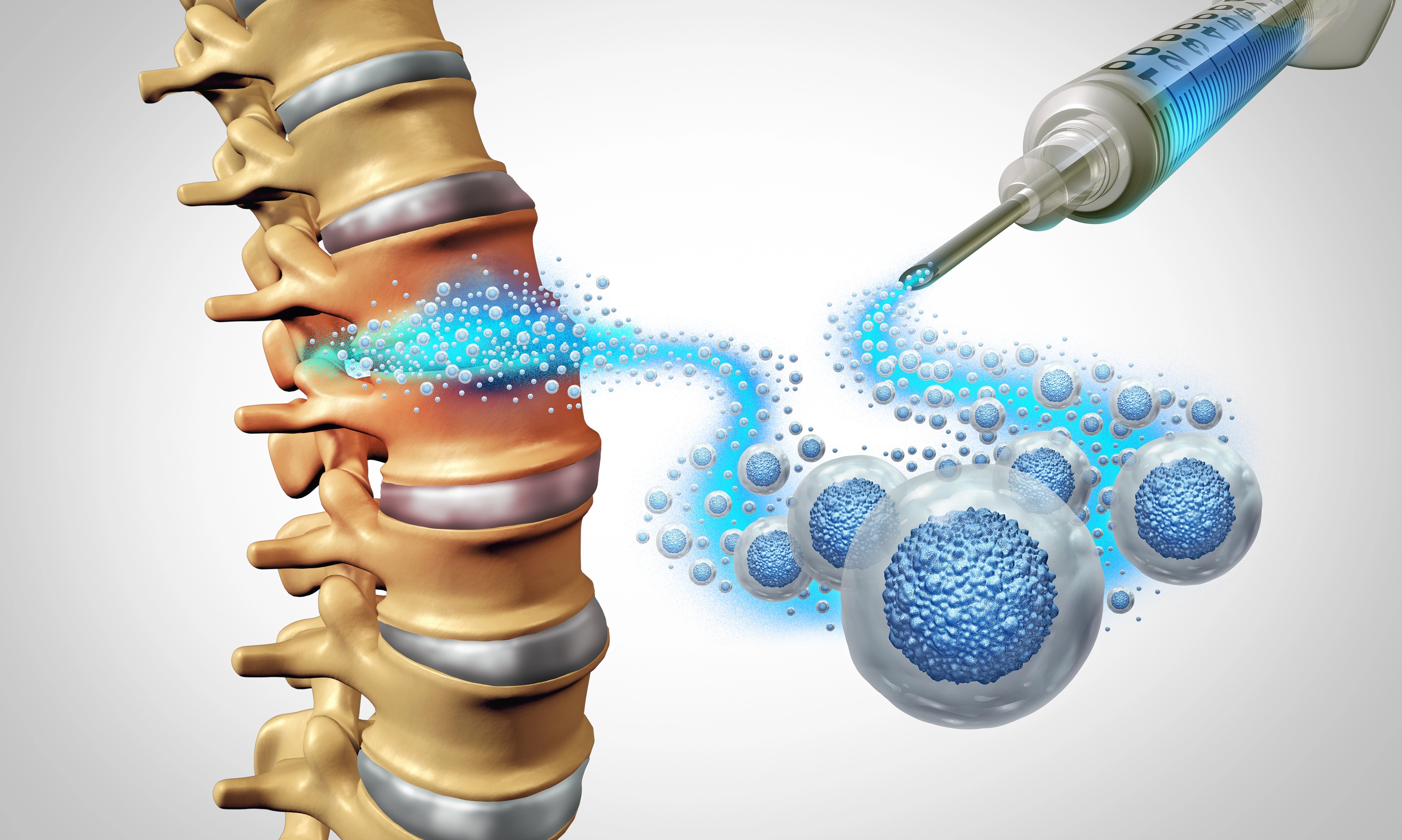
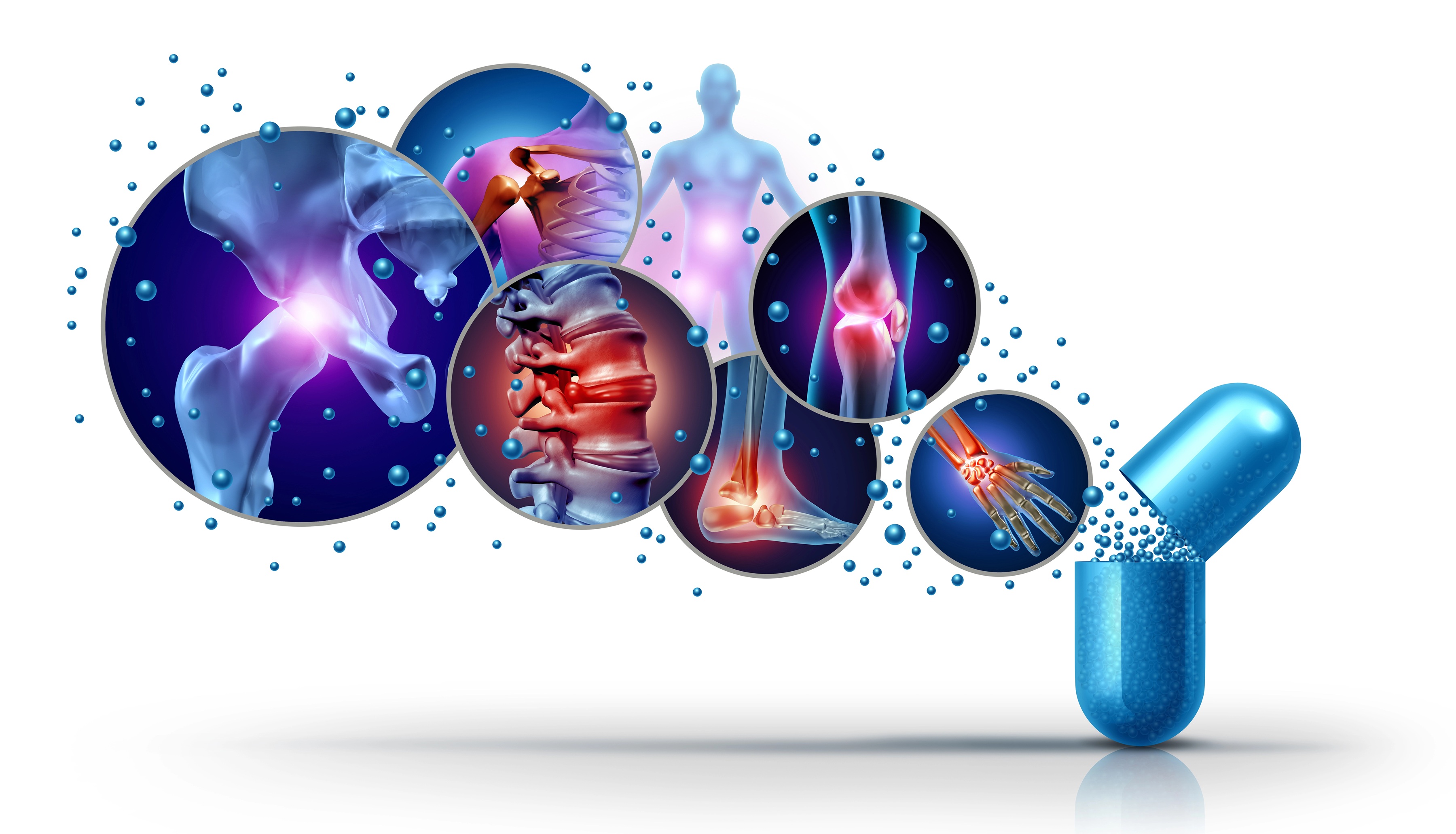
PRP therapy is a central component of regenerative medicine. The process begins by drawing a small amount of the patient’s own blood, which is then spun in a centrifuge to isolate and concentrate the platelets. These platelets are injected into the site of injury to support the body’s natural repair processes. Depending on the location and complexity, injections may be performed with ultrasound guidance when necessary, while larger joint spaces, such as the knee, can often be treated with precision without ultrasound.
What PRP Treats
PRP therapy for joint pain in Los Angeles has become a preferred method for treating several conditions:
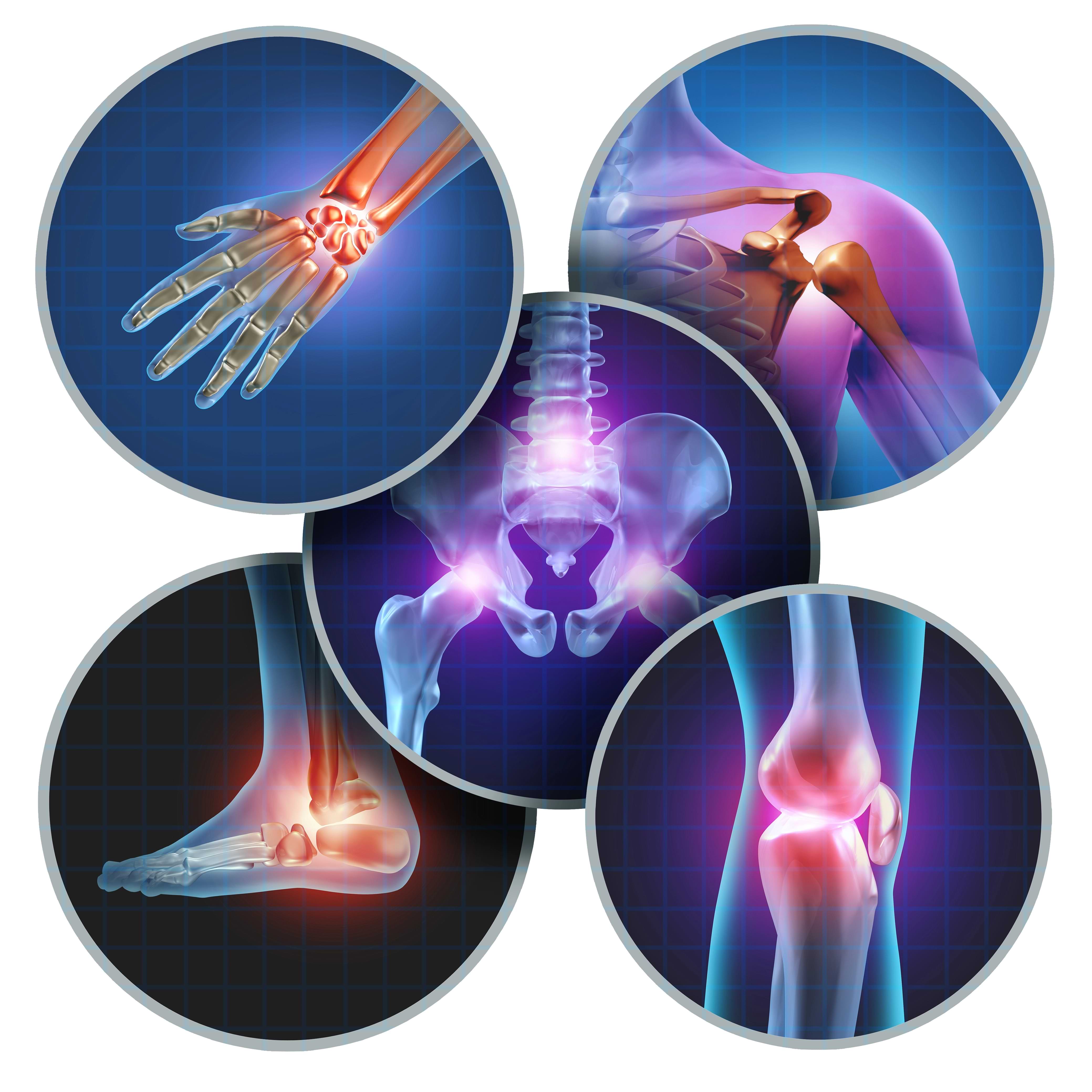
● Joint pain: Managing wear and tear in the knees, shoulders, and hips.
● Tendon injuries: Addressing tennis elbow, Achilles tendonitis, and rotator cuff tears.
● Muscle and Ligaments: Helping with muscle strains and ligament sprains that have failed to heal on their own.
Key Benefits
How does PRP therapy help tendon and muscle healing? Because the substance comes from your own body, the risk of an adverse reaction is extremely low. It is a natural, minimally invasive method that helps with how PRP therapy helps tendon healing and muscle recovery therapy by shortening recovery times and dampening long-term inflammation. For many, it is a way to delay or completely avoid the need for invasive surgery.
Also Read: Are PRP Injections Safe for Long-Term Joint Health?
What Is Focused Shockwave Therapy?
How It Works
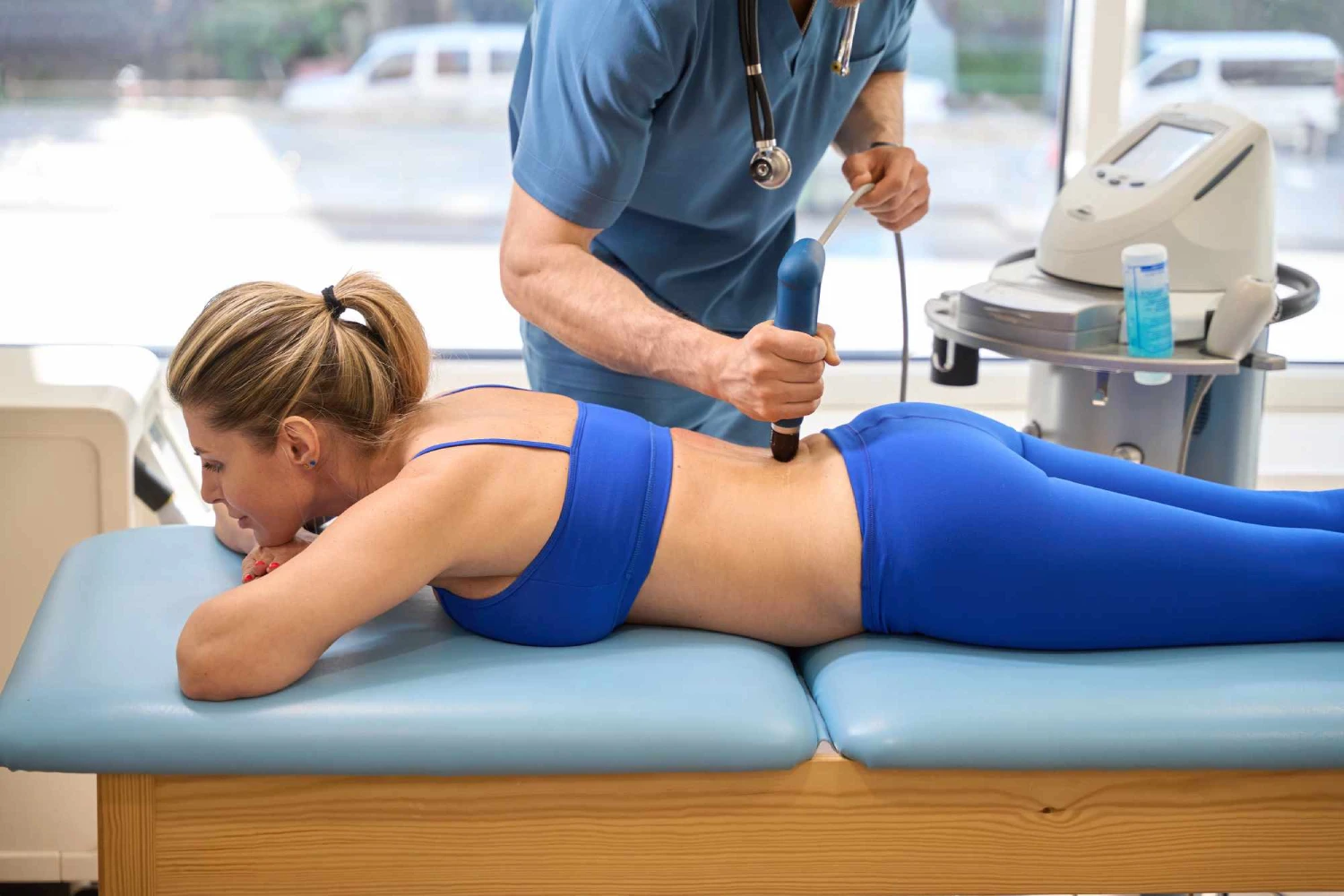
Shockwave therapy involves the use of high-energy acoustic waves that travel through the skin to reach deeper tissues. This mechanical energy creates controlled micro stress within the tissue, which stimulates the body’s natural healing response. This process increases circulation, activates cellular repair mechanisms, and helps restart healing in areas where it has slowed or stalled.
Why “Focused” Matters
Not all shockwave devices are the same. Focused shockwave therapy benefits for injuries include the ability to target a specific depth within the body. Unlike radial pressure waves, which dissipate at the surface, focused waves can reach the deep structures of a joint or the thickest part of a tendon with high accuracy.
Conditions Treated
This technology is particularly helpful for:
● Plantar fasciitis (heel pain).
● Stiff or painful joints in the knee and hip.
● Soft tissue injuries that have become stuck in a painful state.
Unique Benefits
This is a non-invasive procedure with no downtime. It is an excellent joint pain treatment because it can help stimulate a healing response in areas where recovery has slowed or become chronic.
Also Read: Shockwave Therapy vs Injections: Which Is Better for Pain Relief?
IV Infusion Therapy: Supporting Healing from Within
What Infusions Do
While PRP and shockwave treat the injury site, infusions provide systemic support. By delivering nutrients or medications directly into the bloodstream, we by pass the digestive system for immediate availability.
Common applications include:
● Ketamine: Used to reset the nervous system in cases of neuropathic or chronic pain.
● Lidocaine: Helps modulate pain signals throughout the body.
Role in Musculoskeletal Healing
Infusion therapy for inflammation and recovery helps by quieting the overactive pain signals that often accompany long-term injuries. When pain is managed systemically, the body is less stressed, and patients find it much easier to participate in the physical rehabilitation necessary for a full recovery.
When Infusions Are Used
These are often recommended for complex regional pain syndromes, nerve-related issues, or for patients whose pain is so high that they cannot begin other regenerative treatments.
Why Combination Therapy Works Best
The Synergy Explained
Combining PRP and shockwave therapy for faster healing is often more successful than using any single method alone.
- Shockwave prepares the area by increasing blood flow and priming the tissue.
- Shockwave therapy helps stimulate circulation and cellular activity within the tissue.
- PRP then delivers concentrated biological factors that support tissue repair.
Real-World Benefits
Patients using combined methods often see faster recovery timelines. By attacking the problem from multiple angles, mechanical, biological, and systemic, the likelihood of a successful repair increases significantly. This reduces the long-term reliance on pain medications.
Evidence-Based Insight
Clinical data suggest that these therapies support collagen activity and improve overall tissue function. It is one of the best treatments for chronic tendonitis without surgery because it addresses the structural integrity of the tissue.
Also Read: Shockwave Therapy for Athletes With Lingering Injuries
What to Expect from Treatment
Personalized Care Approach
Every injury is different. At The Pain Free Institute, we begin with a detailed evaluation of the injury and the patient’s history. We look at these verity of the damage to build a plan that fits the specific needs of the individual.
Typical Treatment Timeline
● PRP: Usually involves a series of injections spaced several weeks apart.
● Shockwave: Typically requires multiple short sessions over a month.
● Infusions: Scheduled based on the specific condition and pain levels.
Recovery & Results
Healing is not instant. While some feel immediate relief from the inflammatory control, structural repair happens over weeks and months. Most patients notice a steady increase in mobility and a gradual reduction in pain as the tissue matures.
Who Is a Good Candidate?
You might be an ideal candidate for these therapies if you are dealing with:
● Chronic joint or tendon pain that hasn't responded to rest.
● Sports injuries that are keeping you off the field or out of the gym.
● A desire to avoid the risks and long recovery times of surgery.
● A need for non-opioid solutions to pain management.
Why Choose a Regenerative Medicine Approach
Choosing regenerative medicine means choosing to fix the root cause. It is a patient-centered philosophy that prioritizes keeping your own natural anatomy whenever possible. These treatments are minimally invasive, require little to no time away from work, and leverage the body’s inherent ability to fix itself.
Conclusion: A Smarter Way to Heal
Healing is a biological process that can be activated; it is not something you have to wait for passively. By integrating PRP, focused shockwave, and infusion therapy, The Pain Free Institute provides a modern frame work for recovery. This multi-layered approach supports your joints, tendons, and muscles with a comprehensive approach designed to improve function and reduce pain over time.
Schedule a consultation with The Pain Free Institute. Explore a path toward lasting relief and restored function today.
.png)

.png)



Medipark
Miracle Mile Surgery Center provides advanced outpatient surgical care with expert physicians and state-of-the-art facilities.
Contact Us
