
.svg)










.webp)

Why Shockwave Therapy Is Becoming a Go-To Choice for Chronic Pain Relief
Dealing with pain that lasts for months or years is exhausting. Many people find themselves stuck in a loop of taking pills that only dull the sensation for a few hours or facing the prospect of invasive surgery. When standard treatments fail to provide lasting comfort, it can feel like your body has simply stopped trying to heal itself.
Traditional approaches often hit a wall because they focus on symptoms rather than the biology of the injury. This gap is exactly why Shockwave therapy has gained so much traction. It offers a way to restart the healing process without needles, incisions, or reliance on pharmaceuticals.
What Is Shockwave Therapy?
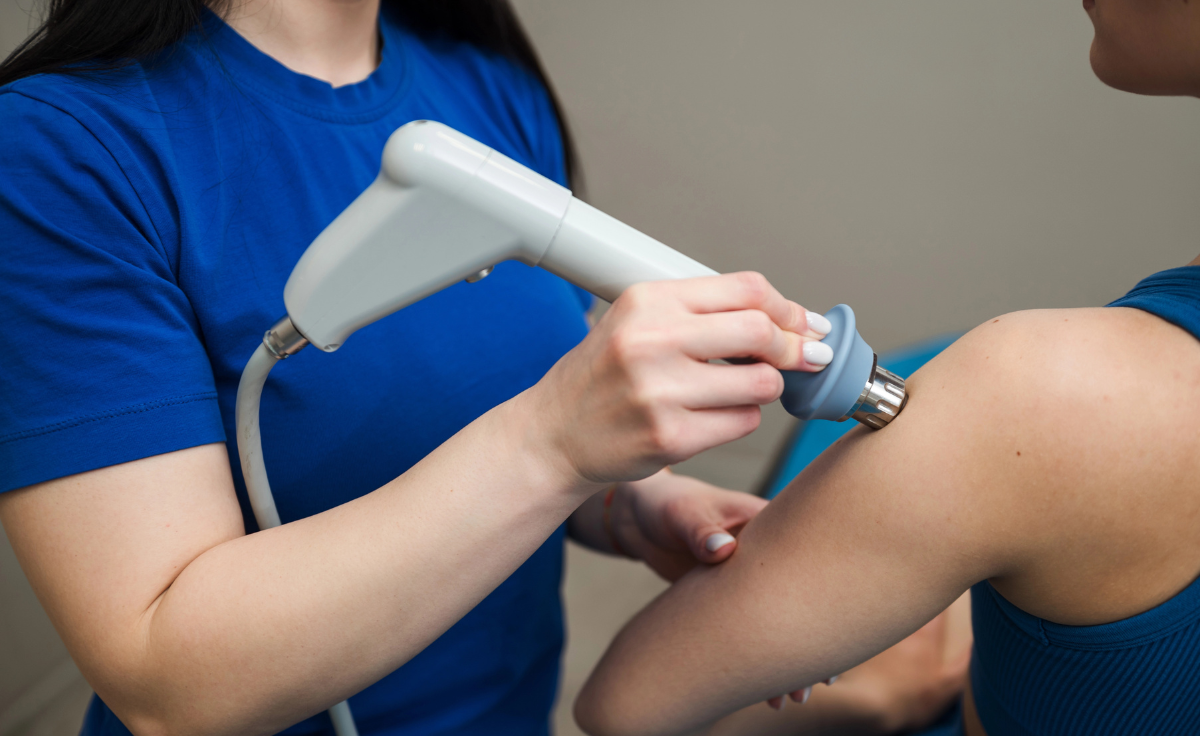
Shockwave therapy, also known as Extra corporeal Shockwave Therapy (ESWT), uses acoustic waves to carry high energy to painful areas. While the name might sound intense, these are not electrical shocks. Instead, they are rapid pulses of sound energy that travel through the skin to reach deep tissues.
These acoustic waves create a physical effect at the cellular level by creating microtrauma in areas where tissue has become stagnant or damaged. This small-scale “insult” to the body is actually a signal for help, prompting the immune system to send repair cells to the site.
Why Chronic Pain Persists
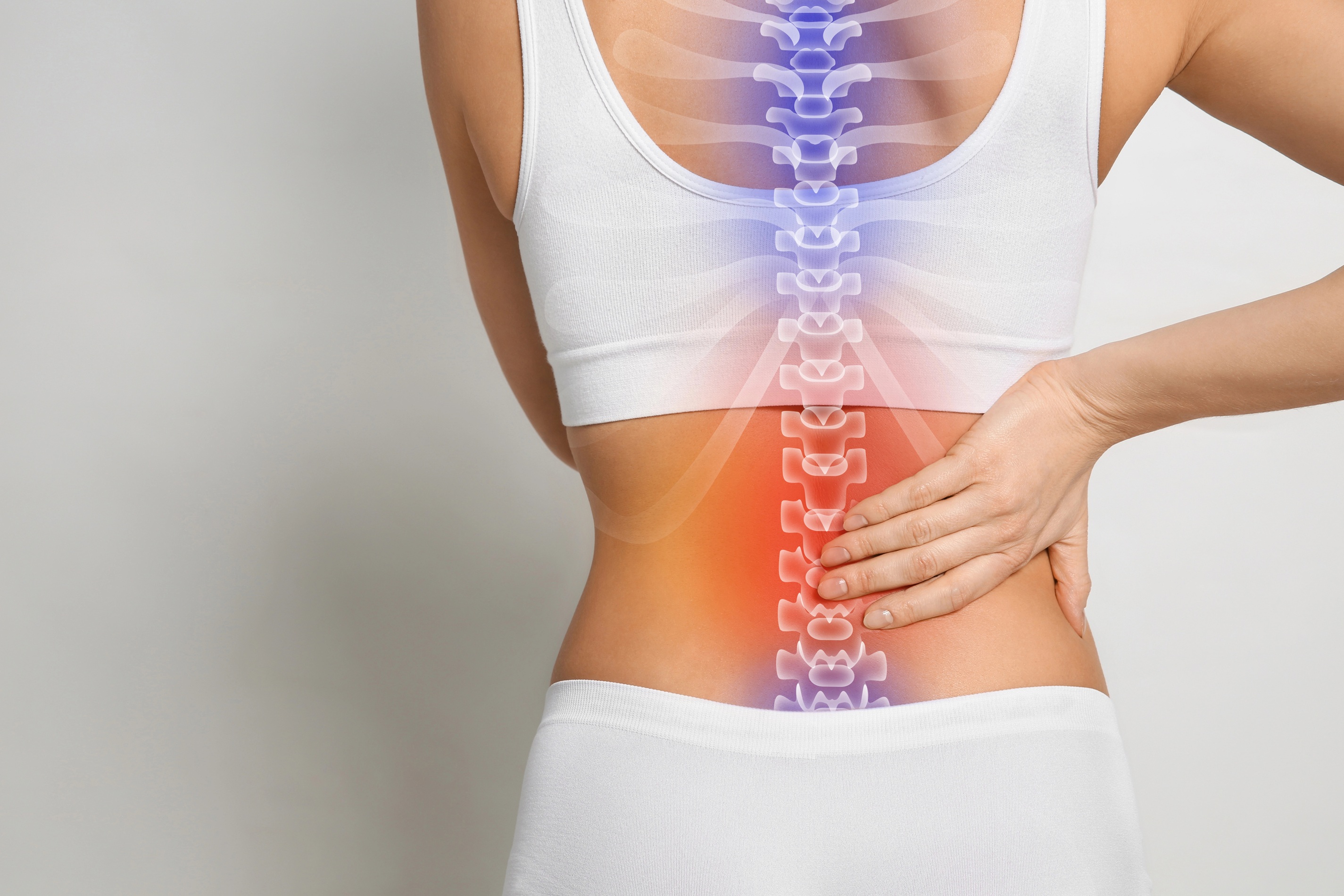
To understand why this technology works, it helps to look at why pain sticks around in the first place. Chronic pain is not always a result of active inflammation; it is often linked to progressive tissue degeneration.
When an injury occurs, the body tries to fixit. However, if the blood supply is poor or the strain is constant, the healing process can stall. The tissue becomes stuck in a zone where it isn’t fully healed, but it isn’t actively bleeding or broken either. Over time, this leads to:
● Reduced blood flow: Without fresh oxygen, tissues cannot repair themselves.
● Scar tissue buildup: This stiff material limits movement and pulls on surrounding nerves.
● Reduced blood flow: Without fresh oxygen, tissues cannot repair themselves.
● Stalled recovery: The body eventually ignores the injury site, leaving it in a state of permanent weakness.
Also Read: Shockwave Therapy Myths vs. Facts: What Patients Should Know Before Treatment
How Shockwave Therapy Treats the Root of Pain
Instead of just masking the ache, Shockwave therapy aims to fix the underlying structural problem. It addresses the root of the issue in three specific ways:
● Stimulating Circulation: Sound waves generate micro-cavitation bubbles. When these bubbles burst, they stimulate the growth of new, tiny blood vessels. This brings a fresh supply of nutrients to the area.
● Breaking Up Calcifications: In many cases of tendon pain, calcium deposits build up and cause irritation. The mechanical force of waves can break these deposits down, allowing the body to reabsorb them.
● Reawakening the Healing Cycle: By creating controlled micro-stress, the therapy tricks the body into thinking there is a new injury. This restarts the biological repair mechanisms that had previously gone dormant.
Conditions That Respond Well to Shockwave Therapy
Because it is highly effective at treating tendons and ligaments, this therapy is used to treat a wide range of musculoskeletal issues.
● Plantar Fasciitis: Shockwave therapy is among the most common applications, helping people with severe heel pain walk comfortably again.
● Achilles Tendinopathy: For those with stiffness and pain in the back of the ankle.
● Tennis and Golfer’s Elbow: Addressing the strained tendons on the inside or outside of the elbow.
● Shoulder Pain: Including rotator cuff issues and calcific tendonitis.
● Knee Pain: Often helps patellar tendinopathy or jumper’s knee.
What a Treatment Session Feels Like
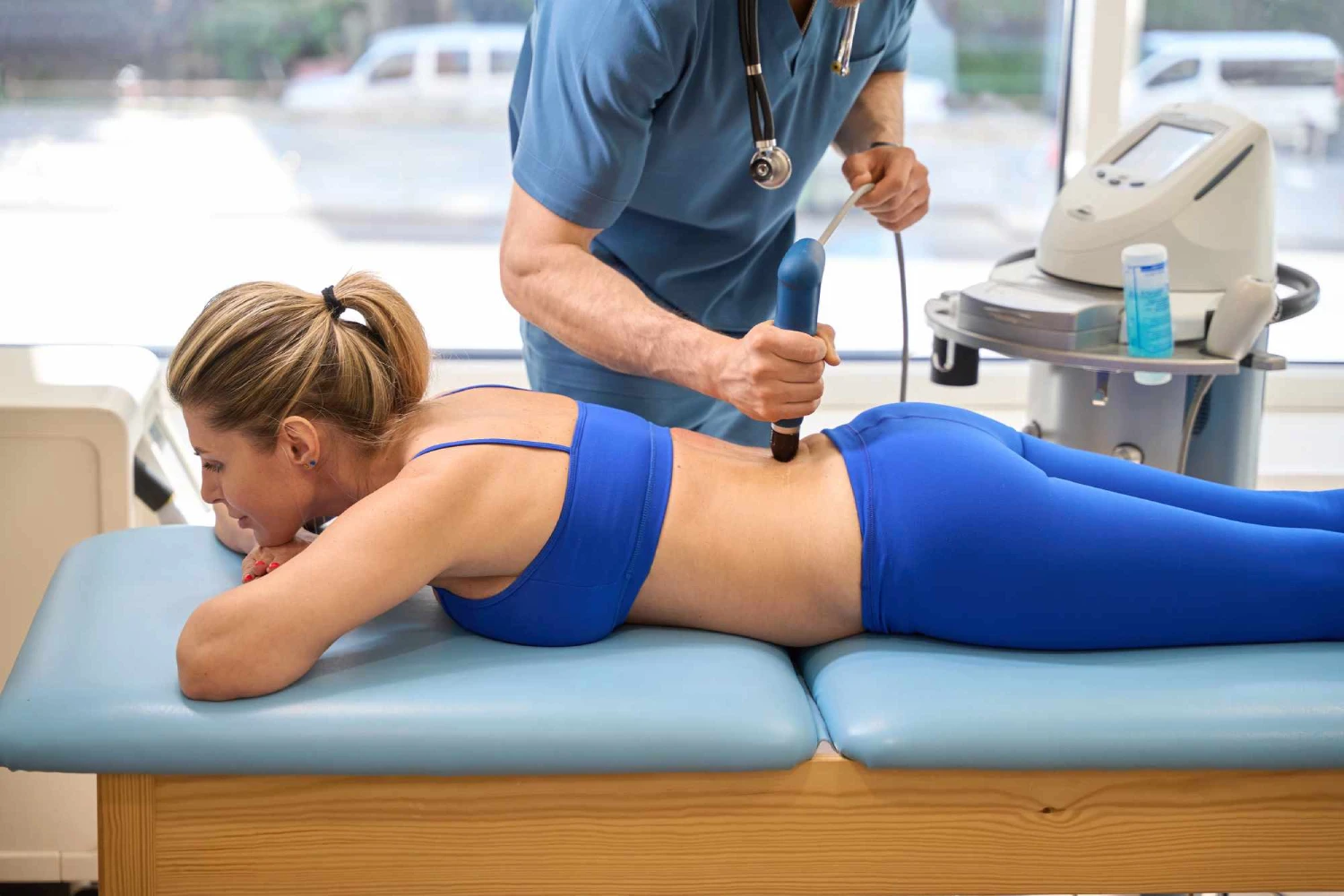
A typical session is relatively quick, lasting10 to 20 minutes. A clinician applies a gel to the skin to facilitate smooth wave travel, then moves a hand held applicator over the painful area.
You will hear a rhythmic tapping sound and feel a pulsing sensation. Most patients describe it as uncomfortable but manageable. The intensity can be adjusted based on your tolerance. You want to reach a level where the waves are doing work without causing significant distress. Most people need three to five sessions, spaced about a week apart, to achieve the best results.
Recovery and Daily Life
One of the biggest draws of this method is the lack of downtime. Unlike surgery, which requires weeks of rest, or injections that might leave you sore for days, most people can return to their daily routine immediately.
You may experience redness, swelling, or a dull ache for 24 to 48 hours after the session, which indicates the body is responding to the treatment. We usually recommend avoiding high-impact exercise for a day or two after a session to allow the tissues time to begin repairing.
Why Patients Are Choosing Shockwave Therapy Over Other Options
In the past, if physical therapy didn’t work, the next step was often a cortisone shot or surgery. Shockwave therapy provides a middle ground that many find more appealing.
● No Surgery: You avoid the risks of anesthesia, infection, and long recovery times.
● Fewer Meds: It reduces the need for anti-inflammatory drugs or painkillers that can have side effects on the stomach and kidneys.
● Non-Invasive: No needles or skin punctures are required.
● Long-Term Focus: While a steroid shot might make you feel better in 24 hours, that relief often fades. Shockwave therapy builds over time, leading to stronger, healthier tissue.
Shockwave Therapy vs. Traditional Treatments
How does it compare to other choices?
● Physical Therapy: Shockwave therapy is often used alongside PT. While PT strengthens muscles, Shockwave therapy helps repair the damaged tendons that might be too painful to exercise.
● Cortisone Injections: Steroids are great for stopping inflammation, but they can actually weaken tendons over time. Shockwave therapy does the opposite; it encourages tissue growth.
● Surgery: Surgery is a major commitment. Many patients try Shockwave therapy as a final effort to avoid the operating room, often with high success.
Who Is a Good Candidate?
This therapy is ideal for people who have been dealing with pain for more than three months and haven't found relief through rest or ice. It is a favorite among active individuals, such as athletes, hikers, and those who work on their feet, who want to get back to their lifestyle quickly.
However, it isn’t for everyone. It may be avoided by people with certain blood-clotting disorders, those who are pregnant, or individuals with pacemakers. A consultation is necessary to see if your specific type of pain will respond well to the technology.
Also Read: How to Choose the Right Pain Management Specialist in Los Angeles
Setting Realistic Expectations
It is important to remember that Shockwave therapy is not a magic wand. Because it relies on your body’s own biology to heal, the results are gradual. You might feel some relief after the first session, but the real changes happen over the course of several weeks and months as new collagen forms and blood flow increases.
Following the full course of treatment is vital. Stopping after one session because you feel slightly better may result in the pain returning, as the tissue hasn’t had enough time to fully rebuild.
Conclusion
Shockwave therapy is changing how we look at chronic pain. Moving away from managing pain and toward repairing the source offers hope to those who felt they had run out of choices.
Schedule a consultation at The Pain Free Institute today!
.png)

.png)




Medipark
Miracle Mile Surgery Center provides advanced outpatient surgical care with expert physicians and state-of-the-art facilities.
Contact Us
