
.svg)









.webp)

ACL and Knee Tendon Injury Recovery with PRP and Focused Shockwave Therapy
Why Knee Injuries Are So Challenging to Heal
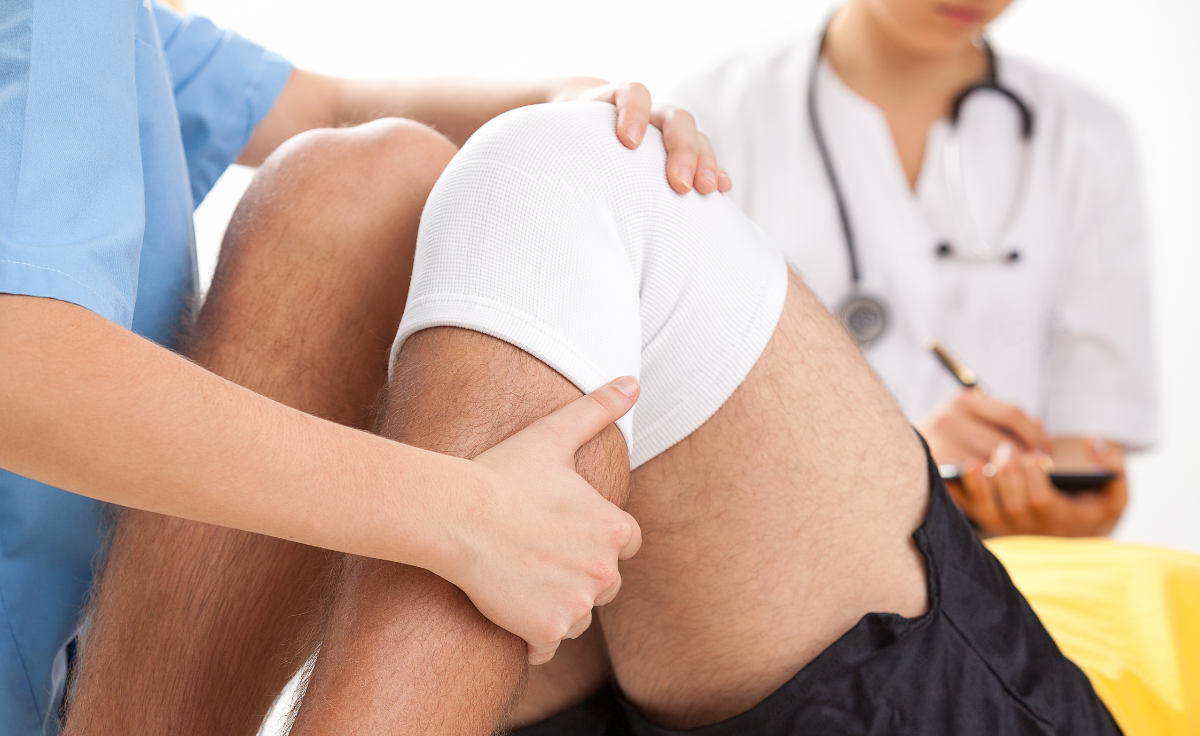
ACL tears and tendon injuries can sideline patients for months or longer. For athletes and active individuals, the frustration of a knee injury often stems from slow recovery timelines, incomplete healing, and the constant risk of reinjury. Statistics show that only about 65% of patients return to pre-injury sport levels after an ACL injury, highlighting the difficulty of achieving a full recovery through standard methods alone.
To address these setbacks, regenerative medicine offers a modern approach to ACL injury recovery and knee pain treatment. By using the rapies that support the body’s natural repair mechanisms, patients can find anon-surgical path toward restoring strength and stability. This guide explore show PRP and focused shockwave therapy serve as a modern solution for those seeking to accelerate their return to activity.
Understanding ACL and Knee Tendon Injuries
What Is the ACL?
The anterior cruciate ligament (ACL) is a major ligament used for knee stability, particularly during pivoting and cutting movements. Unlike many other tissues in the body, the ACL has limited healing capacity because it has a poor blood supply. When this ligament stretches or tears, the lack of nutrient-rich blood flow makes it difficult for the tissue to mend itself.
Common Knee Tendon Injuries
Beyond the ACL, the knee is supported by several tendons that are prone to injury:
● Patellar tendonitis: Often called jumper’s knee, this involves irritation of the tendon connecting the kneecap to the shinbone.
● Quadriceps tendon strain: Damage to the tendon above the kneecap.
● Hamstring tendon injuries: Strains or tears at the back of the knee that affect mobility.
Why These Injuries Are Hard to Heal
The primary reason a knee tendon injury becomes chronic is poor vascularity. Tendons and ligaments do not have the same robust blood vessel networks as muscles. Additionally, the knee joint endures high mechanical stress every day. Without intervention, this combination leads to chronic inflammation and tissue degeneration rather than repair.
Limitations of Traditional Treatment
While standard care is a starting point, it often falls short of a full recovery:
● Physical therapy: While helpful, exercise alone cannot always overcome the biological deficit of poor blood flow in a damaged ligament.
● Surgery (ACL reconstruction): While a common option, it involves a long recovery and does not always restore the joint's original feel.
● Medications: Anti-inflammatories provide symptom relief but do not address the underlying tissue damage.
Many patients find themselves stuck with discomfort, delayed recovery, and reduced performance, searching for non-surgical treatment for ACL and tendon injuries.
Also Read: PRP vs. Cortisone: Which Injection Works Better for Long-Term Pain Relief?
PRP Therapy for ACL and Tendon Healing
How PRP Works
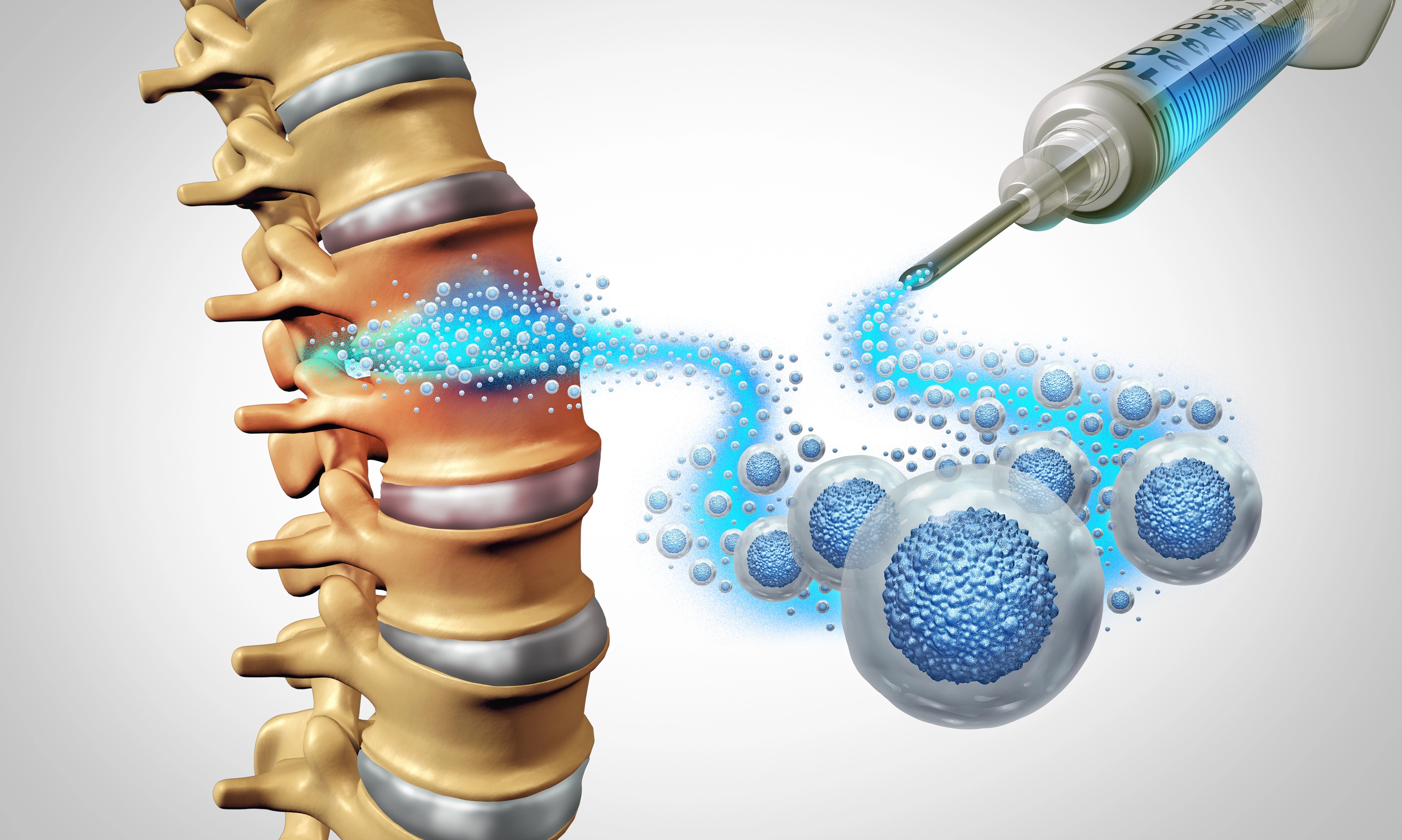
PRP therapy utilizes the healing components found within your own blood. Platelet-Rich Plasma (PRP) is created by taking a small sample of blood and concentrating the platelets. These platelets are then injected into the site of injury. Depending on the location and complexity, injections may be performed with ultrasound guidance when necessary, while larger joint spaces such as the knee can often be treated with precision without ultrasound.
Effects on ACL and Tendon Tissue
When considering how PRP helps ligament and tendon healing, the focus is on growth factors. These proteins:
● Promote early vascularization (growth of new blood vessels).
● Support tendon-to-bone healing, which is vital after ACL reconstruction.
● Increase cellular repair processes and collagen production.
Best Use Cases
PRP is a powerful tool for:
● Partial ACL tears in patients who are not surgical candidates.
● Providing post-surgical healing support to speedup the integration of a graft.
● Chronic tendon injuries that have failed to respond to rest and ice.
Key Benefits
Asa minimally invasive treatment, PRP targets the root cause of the pain, the damaged tissue itself. This leads to improved function and reduced pain during the early phases of sports injury recovery.
Also Read: Are PRP Injections Safe for Long-Term Joint Health?
Focused Shockwave Therapy for Knee Injuries
How It Works
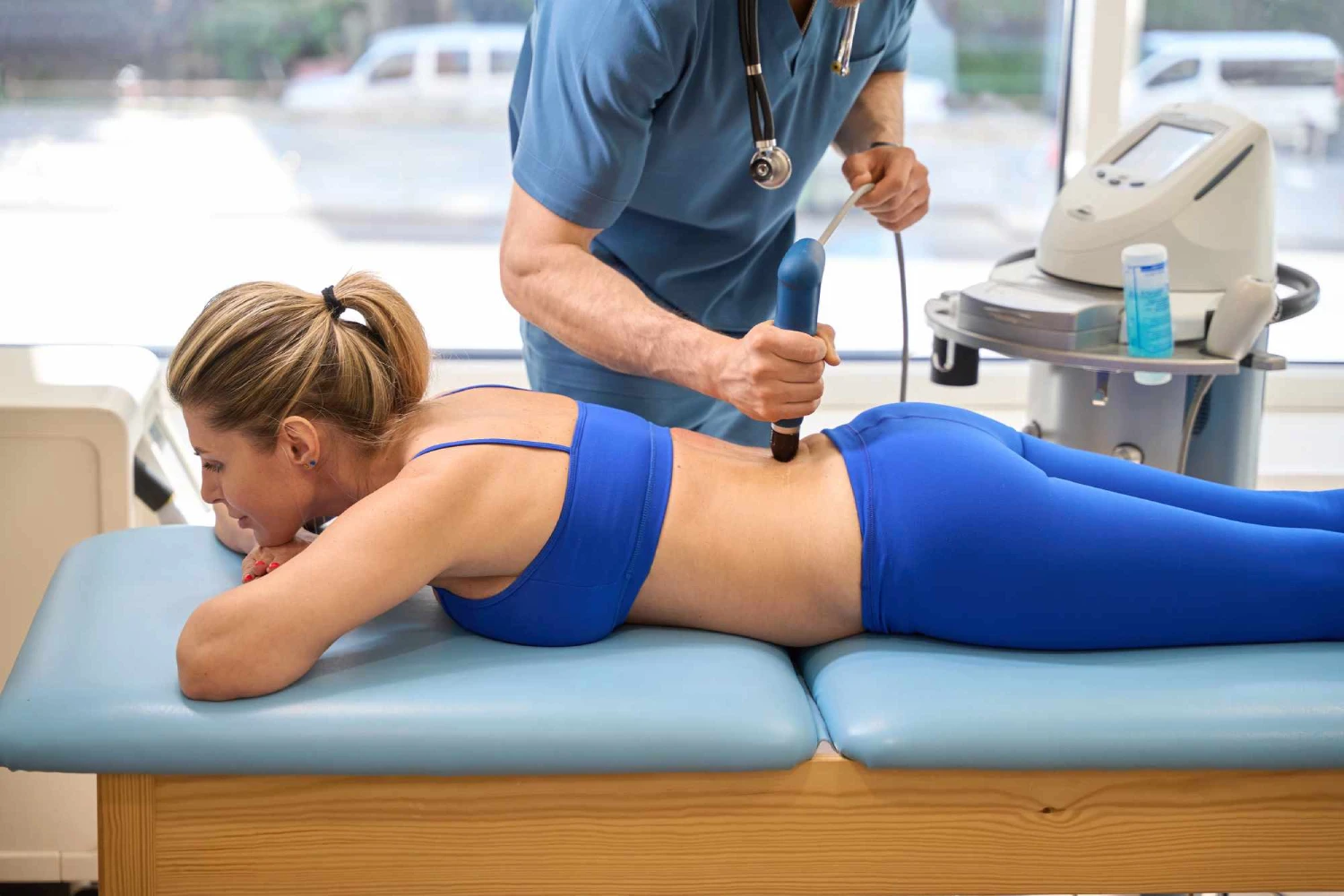
Shock wave therapy delivers high-energy acoustic waves into the injured area. These waves create controlled micro stress within the tissue, which stimulates the body’s natural healing response. This process increases circulation, activates repair mechanisms, and helps restart healing in areas where it has slowed or stalled.
Effects on Knee Structures
Let’s look at the benefits of focused shockwave therapy for knee injuries.
● Increases blood flow to tissues that usually lack it.
● Breaks up scar tissue and reduces chronic inflammation.
● Activates cellular repair mechanisms to strengthen the area.
Role in ACL & Tendon Recovery
For those looking at shockwave therapy for knee tendon injuries, the treatment helps resolve:
● Persistent patellar tendon pain.
● Muscle tightness and compensation patterns develop when you walk with a limp.
● Scar tissue that limits the knee’s range of motion.
Benefits
This is a non-invasive treatment with no downtime, making it an excellent addition to a standard rehab program.
The Power of Combining PRP and Shockwave Therapy
Why Combination Therapy Works
When we look at PRP vs. shockwave therapy for knee pain, it is often not a matter of choosing one but of using both. Shockwave therapy helps stimulate circulation and cellular activity within the tissue, which can enhance the environment for healing. PRP then introduces concentrated biological factors that support tissue repair.
Evidence for Synergy
Data suggests that combining these two methods leads to faster pain reduction and better functional gains compared to using PRP alone. The mechanical stimulation of shockwave therapy appears to make the biological boost of PRP even more impactful.
Real-World Outcomes
For patients, this means:
● Faster recovery timelines.
● Improved mobility.
● Reduced risk of the injury turning into a chronic, long-term issue.
What to Expect from Treatment
Evaluation
Recovery begins with a detailed assessment. This includes identifying the specific type of injury and using functional analysis to see how the knee moves under stress.
Treatment Plan
Aplan for ACL injury recovery with PRP therapy in Los Angeles typically involves a series of sessions. This may include targeted PRP injections and several focused shockwave treatments spaced out to allow the tissue to respond.
Recovery Timeline
While some notice changes quickly, healing is a biological process. You can expect gradual improvement over several weeks, with continued gains in strength as you move through your rehabilitation exercises. Recovery time after PRP injection for ACL injury varies, but most patients see significant progress within three to six months.
Who Is a Good Candidate?
You may benefit from these regenerative approaches if you have:
● A partial ACL tear.
● Post-ACL surgery stiffness or slow healing.
● Chronic pain in the patellar, quad, or hamstring tendons.
● A desire to avoid or delay invasive surgery.
Preventing Long-Term Knee Damage
An ACL injury is more than just a temporary set back; it increases the risk of future osteoarthritis. This makes it vital to prioritize healing. Restoring the bio mechanics of the joint and preventing compensation patterns (where other muscles overwork to protect the knee) protects the joint for years to come.
Also Read: Shockwave Therapy vs Injections: Which Is Better for Pain Relief?
Why Choose The Pain Free Institute
At The Pain Free Institute, we provide expertise in regenerative and interventional pain care. We provide advanced applications of PRP and focused shockwave therapy through personalized, non-surgical plans. Our focus remains on your performance, recovery, and long-term joint health.
A Smarter Approach to Knee Injury Recovery
ACL and tendon injuries do not always heal easily on their own. However, regenerative medicine offers a way to move beyond just managing symptoms. By combining the biological advantages of PRP with the mechanical stimulation of shockwave therapy, patients can access a targeted, high-level approach to healing.
Schedule a consultation at The Pain Free Institute today to get a customized recovery plan to restore your strength, mobility, and confidence today.
.png)

.png)




Medipark
Miracle Mile Surgery Center provides advanced outpatient surgical care with expert physicians and state-of-the-art facilities.
Contact Us
