.svg)













.webp)


Search the site

Minimally Invasive Spine Procedures

If you're struggling with chronic back pain or mobility issues due to spinal conditions, minimally invasive spine procedures may offer significant relief—without the need for open surgery. These advanced techniques are designed to stabilize the spine, relieve nerve pressure, and reduce pain with smaller incisions and faster recovery times. Here are three highly effective options we offer.
About the treatment
Chronic back pain can make even the simplest daily activities feel difficult. When conservative treatments such as physical therapy, medications, or injections no longer provide adequate relief, the next step does not have to be major open surgery. At The Pain Free Institute in Los Angeles, we specialize in minimally invasive spine procedures that are designed to relieve spinal pain, stabilize the spine, and restore mobility, all through small incisions and with significantly shorter recovery times than traditional open surgery.
Minimally invasive spine procedures represent a major advancement in how spinal conditions are treated. By using specialized instruments, real-time imaging guidance, and precise techniques, our team is able to access the spine with minimal disruption to the surrounding muscles, tissues, and nerves. The result is less trauma, less postoperative pain, reduced risk of complications, and a faster return to normal function
These procedures may be appropriate for patients who are experiencing one or more of the following:
● Chronic back or neck pain that has not responded to conservative treatments
● Vertebral compression fractures caused by osteoporosis or trauma
● Herniated or degenerative spinal discs
● Spinal stenosis (narrowing of the spinal canal)
● Spondylolisthesis (vertebra slipping forward over another)
● Nerve compression causing pain, numbness, or weakness in the arms or legs
● Instability of the spine following injury or degeneration
Not every patient is a candidate for minimally invasive approaches. Dr. Farnad will conduct a thorough evaluation of your imaging studies, symptoms, and medical history to determine which treatment options are most appropriate for your specific condition.
Traditional open spine surgery requires a large incision and significant retraction of the muscles along the spine. While effective, this approach can result in considerable blood loss, lengthy hospital stays, prolonged recovery, and a higher risk of postoperative infection.
Minimally invasive spine procedures take a different approach. Key advantages include:
● Smaller incisions, typically less than one inch in length
● Reduced disruption to muscles and surrounding soft tissue
● Less intraoperative blood loss
● Lower risk of surgical site infection
● Many procedures performed on an outpatient basis
● Faster return to daily activities and work
● Less postoperative pain and reduced need for narcotic pain medications
These benefits make minimally invasive techniques an increasingly preferred option for patients who require spine surgery but want to minimize the impact on their daily lives and overall recovery experience.
The Pain Free Institute offers the following minimally invasive spine procedures, each designed to address specific spinal conditions with precision and care.
Kyphoplasty and vertebroplasty are two closely related procedures used to treat painful vertebral compression fractures. These fractures occur when one or more of the bones in the spine (vertebrae) collapse, often as a result of osteoporosis, trauma, or certain medical conditions. They are among the most common causes of acute and chronic back pain in older adults.
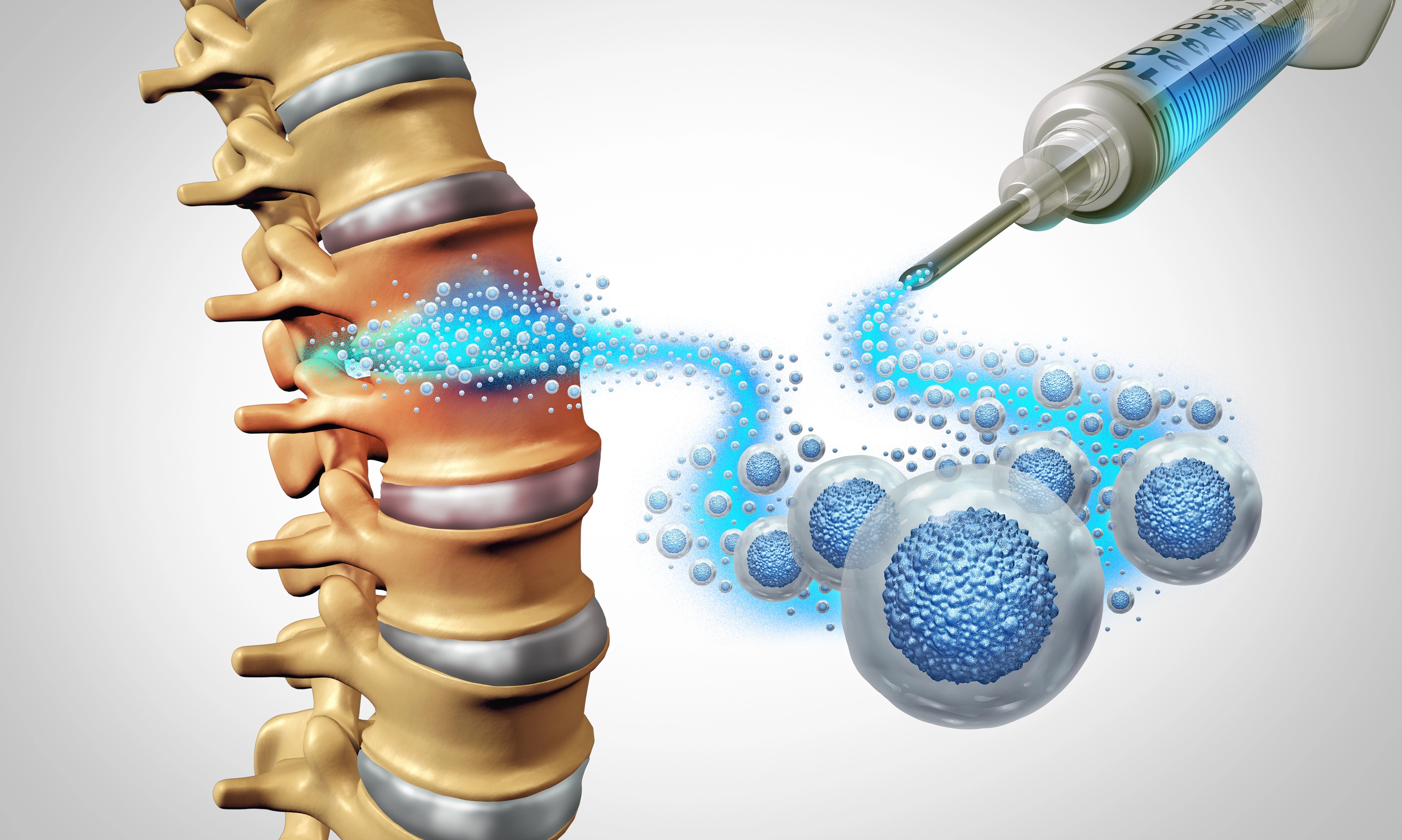
Both procedures involve injecting a specialized medical-grade bone cement directly into the fractured vertebra. Once injected, the cement hardens within minutes, stabilizing the fracture, preventing further collapse, and significantly reducing pain.
During vertebroplasty, the surgeon uses a hollow needle guided by fluoroscopic (X-ray) imaging to inject bone cement directly into the fractured vertebra. The cement fills the damaged area, bonds to the surrounding bone, and provides immediate structural support. The procedure is performed through a very small skin incision and typically takes one to two hours. It can be used to treat multiple fractured vertebrae in a single session.
Kyphoplasty is a more advanced variation of vertebroplasty. Before the bone cement is injected, a small balloon device is carefully inserted into the fractured vertebra and inflated. This inflation creates a cavity within the bone and, in many cases, partially restores the original height of the collapsed vertebra. The balloon is then deflated and removed, and the cement is injected into the cavity. This two-step process allows for better control of cement placement and reduces the risk of cement leakage compared to vertebroplasty.
Benefits of kyphoplasty and vertebroplasty include:
● Immediate stabilization of the vertebral fracture
● Significant reduction in fracture-related back pain
● Restoration or partial restoration of vertebral height (kyphoplasty)
● Improved spinal alignment and posture
● Improved mobility and ability to perform daily activities
● Outpatient procedure with minimal recovery time
These procedures are typically performed under local anesthesia with sedation, though general anesthesia may be used in select cases. Most patients are able to go home the same day and experience meaningful pain relief within days to weeks of the procedure.
Prior to any minimally invasive spine procedure, Dr. Farnad will conduct a comprehensive evaluation that includes a review of your medical history, a physical examination, and a detailed analysis of your imaging studies, including X-rays, MRI, or CT scans. This evaluation helps confirm your diagnosis and ensures that the recommended procedure is appropriate for your specific condition and overall health.
You may be asked to stop taking certain medications, particularly blood thinners, in the days leading up to your procedure. You will also receive detailed instructions regarding eating, drinking, and transportation on the day of your appointment.
Most minimally invasive spine procedures are performed on an outpatient basis in a procedure suite or operating room. Depending on the procedure, you will receive local anesthesia with sedation or, in some cases, general anesthesia. Throughout the procedure, real-time fluoroscopic imaging is used to guide the placement of instruments with precision and accuracy, ensuring the safest possible outcome.
Most procedures are completed within one to two hours, though this can vary based on the complexity of the case.
One of the most significant advantages of minimally invasive spine procedures is the shortened recovery period. Most patients are able to return home the same day or after a brief observation period. You may experience some soreness at the incision site for a few days, but this is typically well managed with over-the-counter pain relievers.
Your provider will give you specific post-procedure instructions, which may include:
● Activity restrictions for a defined period following the procedure
● Instructions for caring for the incision site
● A referral to physical therapy or guided rehabilitation
● A follow-up appointment to assess your recovery and response to treatment
Many patients notice significant improvement in their pain and mobility within days to weeks following the procedure.
The Pain Free Institute is a dedicated pain management and interventional spine practice located in the heart of Los Angeles. Led by Dr. Farnad, a board-certified pain management specialist, our practice combines clinical expertise with the latest advances in minimally invasive technology to deliver high-quality, patient-centered spine care.
When you choose The Pain Free Institute, you benefit from:
● Personalized treatment planning based on your specific diagnosis and goals
● Advanced minimally invasive techniques that minimize surgical risk and recovery time
● Precision imaging guidance throughout every procedure
● A compassionate, attentive care team dedicated to your comfort and recovery
● A convenient location at 5757 Wilshire Boulevard, PR2, Los Angeles, CA 90036
● Office hours Monday through Friday from 8:30 AM to 5:00 PM
We understand that the prospect of spine surgery can feel daunting. Our team takes the time to explain your options, answer your questions, and ensure that you feel fully informed and confident in every step of your care.
Below are answers to some of the questions our patients most commonly ask about minimally invasive spine procedures.
A minimally invasive spine procedure uses small incisions, typically less than one inch, along with specialized instruments and real-time imaging guidance to access the spine. This approach minimizes disruption to the muscles and soft tissues surrounding the spine, resulting in less postoperative pain, reduced blood loss, and faster recovery compared to traditional open surgery.
Candidacy depends on your specific diagnosis, the severity of your symptoms, your anatomy, and your overall health. In general, patients with herniated discs, vertebral compression fractures, spinal stenosis, nerve compression, or spinal instability may be candidates. Dr. Farnad will review your imaging and medical history to determine which options are right for you.
Both procedures inject medical-grade bone cement into a fractured vertebra to stabilize it and relieve pain. The key difference is that kyphoplasty uses a small balloon that is inflated inside the vertebra before the cement is injected. This creates a cavity, allows for more controlled cement placement, and can partially restore the original height of a collapsed vertebra. Vertebroplasty injects the cement directly without the balloon step.
Most procedures are completed within one to two hours. The exact duration depends on the type of procedure and the complexity of your case. Procedures such as kyphoplasty and vertebroplasty are often completed in under an hour when treating a single vertebra.
Many minimally invasive spine procedures are performed under local anesthesia with conscious sedation, meaning you will be relaxed and pain-free but not fully unconscious. General anesthesia may be recommended for certain procedures or specific patient needs. Your provider will discuss the most appropriate anesthesia plan during your consultation.
Many patients experience meaningful pain relief within days of their procedure. For fracture stabilization procedures like kyphoplasty or vertebroplasty, relief is often noticeable almost immediately. For decompression procedures, improvement in nerve-related symptoms such as radiating pain, numbness, or weakness may take a few weeks as the nerve heals.
Recovery varies depending on the procedure performed and the individual patient. Most patients are able to return home the same day and resume light activities within a few days. A full return to work and physical activities typically takes a few weeks, compared to several months for open spinal surgery. Your provider will give you a personalized recovery timeline.
As with any medical procedure, there are potential risks, though minimally invasive techniques are associated with lower complication rates than open surgery. Possible risks include infection at the incision site, temporary soreness, and, in rare cases, incomplete relief or the need for additional treatment. For cement-based procedures, there is a small risk of cement leakage, which is minimized by the use of real-time imaging guidance throughout the procedure.
No. Spinal decompression surgery refers to a minimally invasive or open surgical procedure in which bone, disc material, or ligament tissue is physically removed to relieve nerve compression. Non-surgical spinal decompression therapy is a separate, non-invasive treatment that uses a traction-based device to gently stretch the spine. At The Pain Free Institute, we offer minimally invasive decompression procedures as well as other non-surgical spine treatments.
For mild cases, conservative management including pain medication, bracing, and activity modification may be sufficient. However, for fractures causing significant pain or spinal deformity that do not improve with conservative care, kyphoplasty or vertebroplasty are highly effective minimally invasive options that can provide rapid and durable pain relief.
Preparation instructions will be provided during your pre-procedure consultation. Generally, you may be asked to stop taking blood-thinning medications or certain supplements several days before the procedure, to avoid eating or drinking after midnight before your appointment, and to arrange for a driver to take you home. Your care team will provide complete instructions tailored to your specific procedure.
Physical therapy is recommended for many patients following minimally invasive spine procedures to help strengthen the muscles supporting the spine, restore flexibility, and reduce the risk of future injury. Your provider will assess your recovery and provide a referral if physical therapy is appropriate for your case.
Coverage depends on your specific insurance plan, your diagnosis, and the procedure being performed. Many minimally invasive spine procedures are covered by major insurance carriers when they are deemed medically necessary. We recommend contacting our office at (323) 433-7744 to have our team verify your benefits before scheduling your procedure.
You can schedule a consultation by calling our office at (323) 433-7744 or by requesting an appointment online at thepainfreeinstitute.com. Our office is located at 5757 Wilshire Boulevard, PR2, Los Angeles, CA 90036. We are open Monday through Friday from 8:30 AM to 5:00 PM and look forward to helping you take the next step toward a life with less pain.
If chronic back pain or a spinal condition is limiting your quality of life, The Pain Free Institute is here to help. Our team specializes in minimally invasive procedures that offer real, lasting relief with less downtime and a faster path back to the activities you love. Contact us today to schedule your consultation.
Call (323) 433-7744 | 5757 Wilshire Blvd, PR2, Los Angeles, CA 90036
Monday through Friday: 8:30 AM to 5:00 PM
Request your appointment today to start managing your pain and reclaiming your quality of life!
Other Treatments

Medipark
Miracle Mile Surgery Center provides advanced outpatient surgical care with expert physicians and state-of-the-art facilities.
Contact Us
A link to the federal Centers for Medicare and Medicaid Services (CMS) Open Payments web page is provided here. The federal Physician Payments Sunshine Act requires that detailed information about payment and other payments of value worth over ten dollars ($10) from manufacturers of drugs, medical devices, and biologics to physicians and teaching hospital be made available to the public.