
.svg)


















.webp)

.png)
How Radiofrequency Ablation (RFA) Provides Longer-Lasting Relief Than Traditional Steroid Injections
Many patients turn to steroid injections for chronic pain relief, but the results are often temporary. While both steroid injections and RFA can help with pain management, they work in very different ways.
Patients exploring radiofrequency ablation for chronic pain in Los Angeles often compare treatment results with steroid injections when searching for longer-lasting solutions. Understanding how these treatments differ can help patients make informed decisions about their care.
Unlike steroid injections, RFA does not use medication to reduce inflammation. It works by targeting the nerves responsible for transmitting pain signals. This distinction is important because the two treatments address pain through different mechanisms and may be appropriate for different stages of a patient’s treatment plan.
For individuals dealing with chronic back pain, chronic neck pain, SI joint dysfunction, or knee pain, radiofrequency ablation Los Angeles treatments may provide longer-lasting relief than traditional injections. By targeting nerves that transmit pain signals, nerve ablation addresses pain through a different mechanism than treatments that focus primarily on inflammation.
We’ll look at why RFA often provides longer-lasting relief for conditions such as chronic back, neck, SI joint, and knee pain.
Why Steroid Injections Often Provide Only Temporary Pain Relief
Steroid injections are designed to reduce inflammation around irritated joints, tissues, and nerves. Inflammation is often associated with pain, swelling, and reduced mobility. By decreasing inflammation, these injections may help patients experience temporary symptom relief.
Common conditions treated with steroid injections include:
● Facet joint arthritis
● SI joint dysfunction
● Arthritis-related joint pain
● Certain nerve-related pain conditions
Although many patients notice improvement after treatment, steroid injections do not directly stop pain signals from reaching the brain. Instead, they focus on reducing inflammation that may be contributing to discomfort.
As the medication gradually wears off, symptoms may return if the underlying pain source remains active. This is one reason many patients experience recurring discomfort after temporary relief.
Repeated steroid injections may help some patients, but relying on frequent injections for long-term pain management may become less desirable when relief lasts only a limited period of time.
Many patients initially experience meaningful relief from steroid injections, particularly when inflammation is contributing to their symptoms. However, the duration of relief can vary, and some patients find that the benefits become shorter-lived over time. When pain repeatedly returns despite multiple injections, physicians may evaluate whether a treatment that targets pain-transmitting nerves, such as radiofrequency ablation, may be a more appropriate long-term option.
Also Read: Personalized Pain Prevention and Regenerative Care with Concierge Medicine
How Radiofrequency Ablation Targets the Source of Pain Signals
What is radiofrequency ablation (RFA)?
Radiofrequency ablation is a minimally invasive procedure that uses controlled radiofrequency energy to interrupt specific nerves that transmit pain signals.
How does radiofrequency ablation work?
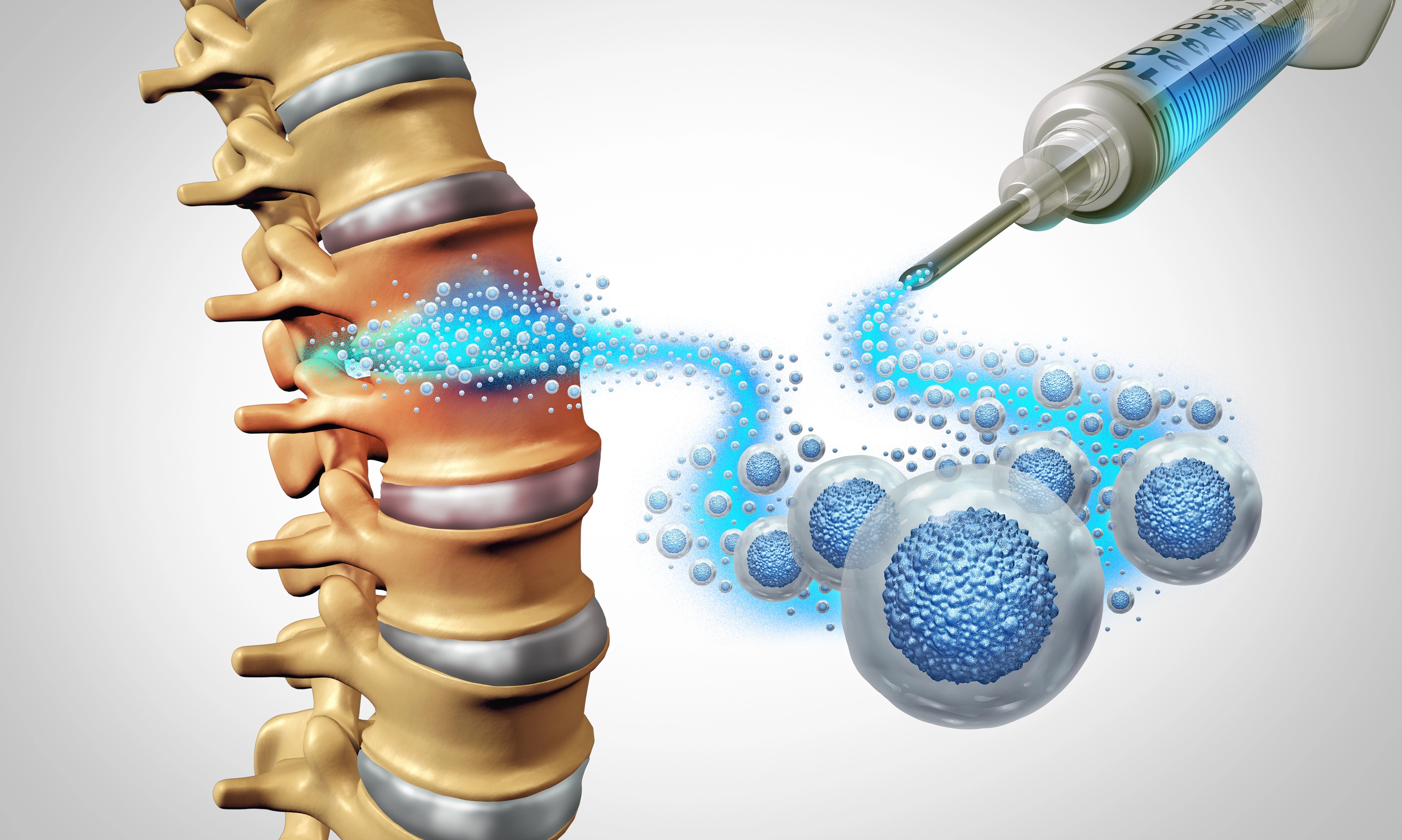
During the procedure, a physician guides a specialized needle to the targeted nerve using imaging technology. Once positioned correctly, radiofrequency energy creates heat that disrupts the nerve's ability to send pain messages.
This approach differs significantly from steroid injections. Rather than focusing on reducing inflammation, radiofrequency ablation targets the communication pathway responsible for transmitting pain signals to the brain.
For many individuals seeking back pain treatment or neck pain treatment, RFA offers a minimally invasive approach that targets pain-transmitting nerves.
Radiofrequency ablation for back pain and radiofrequency ablation for neck pain are among the most common applications of this treatment. Other conditions frequently treated with nerve ablation include:
● Facet joint arthritis
● SI joint dysfunction
● Chronic knee pain
● Certain forms of arthritis-related pain
Most RFA treatment procedures are performed on an outpatient basis. Patients are generally able to return home the same day and resume many normal activities shortly afterward based on their physician's recommendations.
3 Reasons RFA Typically Lasts Longer Than Steroid Injections
It Interrupts Pain Signals Rather Than Temporarily Reducing Inflammation
One of the most important distinctions in the discussion of radiofrequency ablation vs steroid injections is the treatment objective.
Steroid injections are intended to reduce inflammation that may contribute to pain in certain conditions. While this can provide relief, the effect is tied to how long the medication remains active.
Radiofrequency ablation takes a different approach by disrupting the nerves responsible for carrying pain signals. Because it addresses the communication pathway between the painful area and the brain, many patients experience longer periods of relief.
When considering the benefits of radiofrequency ablation over steroid injections, this difference is often a major factor.
Treated Nerves Take Time to Regenerate
Relief from radiofrequency ablation varies by patient, but most people experience benefits for several months — and often longer than a year. The duration depends on the nerve being treated, the underlying condition, and individual healing patterns. Many patients find that RFA provides significantly longer relief than steroid injections.
This is because treated nerves don't immediately recover after the procedure. Regeneration is gradual, and while nerves may eventually regrow and resume transmitting pain signals, that process takes far longer than the duration of a steroid's effects — giving patients an extended window of reduced discomfort before symptoms return.
Patients Often Need Fewer Repeat Treatments
Another advantage of radiofrequency ablation is that it may reduce the need for frequent procedures.
Patients who depend on steroid injections may require multiple treatments throughout the year if pain repeatedly returns. By contrast, longer-lasting relief from nerve ablation can allow for longer intervals between treatments.
This may mean fewer appointments, less disruption to daily activities, and a more convenient approach to managing chronic pain over time.
Also Read: Can Regenerative Pain Treatments Delay Surgery?
When It May Be Time to Consider RFA Instead of Repeated Steroid Injections
Many patients ask, Is radiofrequency ablation better than steroid injections? The answer depends on the source of pain, treatment history, and individual circumstances.
Several situations may indicate that RFA deserves consideration:
● Temporary relief from steroid injections followed by recurring pain
● Chronic pain that continues despite conservative treatments
● Positive results from diagnostic nerve blocks
● Interest in a minimally invasive treatment that may provide longer-lasting relief
Diagnostic nerve blocks are commonly used to help identify the source of pain before radiofrequency ablation is considered. During the procedure, a small amount of anesthetic is placed near the suspected pain-generating nerve. If the patient experiences temporary pain relief after the block, it may indicate that the targeted nerve is contributing to the symptoms. This information helps physicians determine whether radiofrequency ablation may be an appropriate treatment option and improves confidence that the correct nerve pathway is being addressed.
Patients comparing steroid injections vs radiofrequency ablation for pain should discuss their symptoms, previous treatments, and expectations with a qualified pain management provider.
Conditions That May Respond Well to RFA
Because RFA targets the nerves responsible for transmitting pain signals, it is considered a nerve treatment rather than an anti-inflammatory treatment.
Facet Joint Arthritis
Facet joints help support movement in the spine. Arthritis affecting these joints can lead to ongoing pain and stiffness. Radiofrequency ablation is commonly used to target the nerves associated with facet joint pain.
Chronic Neck Pain
Radiofrequency ablation for neck pain is frequently recommended when facet joints in the cervical spine contribute to ongoing discomfort. For selected patients, radiofrequency ablation can provide a minimally invasive neck pain treatment that may reduce discomfort for months.
Chronic Low Back Pain
Radiofrequency ablation for back pain is one of the most established uses of this procedure. It is often considered for patients with chronic low back pain linked to facet joint degeneration or arthritis. Radiofrequency ablation may serve as a valuable back pain treatment for patients whose symptoms are associated with irritated spinal nerves.
Sacroiliac (SI) Joint Dysfunction
The SI joints connect the spine to the pelvis. Dysfunction in these joints can create significant pain in the lower back, hips, and buttocks. Nerve ablation may help reduce symptoms in selected patients.
Chronic Knee Pain
Certain forms of chronic knee pain may also respond to radiofrequency ablation. By targeting nerves around the knee joint, the procedure may help reduce pain and improve comfort during daily activities.
Also Read: Exploring Non-Surgical Options for Long-Term Pain Relief
Conclusion
What is the difference between RFA and steroid injections? Steroid injections primarily reduce inflammation, while radiofrequency ablation targets the nerves responsible for transmitting pain signals.
Steroid injections can provide valuable short-term relief, but they may not always deliver lasting results for chronic pain conditions. RFA offers a different approach by targeting the nerves responsible for transmitting pain signals, often leading to longer-lasting relief than treatments focused primarily on temporary symptom reduction.
If you are struggling with chronic back pain, chronic neck pain, SI joint dysfunction, or chronic knee pain, schedule a consultation with The Pain Free Institute to learn whether Radiofrequency Ablation may be the right solution for your chronic pain.
.png)

.png)





Medipark
Miracle Mile Surgery Center provides advanced outpatient surgical care with expert physicians and state-of-the-art facilities.
Contact Us
