
.svg)









.webp)

.png)
The Role of Precision PRP and Focused Acoustic Waves in Sports Trauma
The Evolution of Sports Injury Treatment
Sports injuries are no longer a rest-and-wait problem. In the past, athletes facing a torn ligament or chronic tendon pain often had to choose between invasive surgery or masking the pain with pills while waiting months for natural recovery. This old-school approach frequently led to incomplete healing or a cycle of re-injury.
We have moved away from the reliance on surgery and pain medications toward regenerative, non-invasive solutions. Platelet-rich plasma (PRP) and shockwave therapy have emerged as frontrunners in this shift. At The Pain Free Institute, our philosophy centers on treating the root cause of an injury rather than just the symptoms. By addressing the biological and mechanical needs of damaged tissue, we help patients return to their active lifestyles without the risks associated with surgery.
Also Read: Regenerative Medicine & Alternative Therapies
Understanding Sports Trauma: Why Healing Can Be Slow
Sports trauma encompasses a wide range of issues, categorized as either acute or chronic injuries. Acute trauma happens in a single moment, think of a sudden ankle sprain or a muscle tear during a sprint. Chronic injuries, such as tendonitis, develop over time due to repetitive stress and micro-trauma.
Common injuries seen in active individuals include:
- Tendonitis: Inflammation of the thick fibrous cords that attach muscle to bone.
- Ligament sprains: Overstretched or torn connective tissues that support joints.
- Muscle tears: Damage to the muscle fibers due to overexertion.
- Joint inflammation: Swelling within the capsule that limits the range of motion.
These injuries often linger because soft tissues such as tendons and ligaments have a poorer blood supply than muscles. Without adequate blood flow, the body struggles to deliver the nutrients needed for repair. This creates a pain cycle in which inflammation prompts the body to compensate by moving differently, which in turn leads to further dysfunction and long-term discomfort.
What Is Precision PRP Therapy?
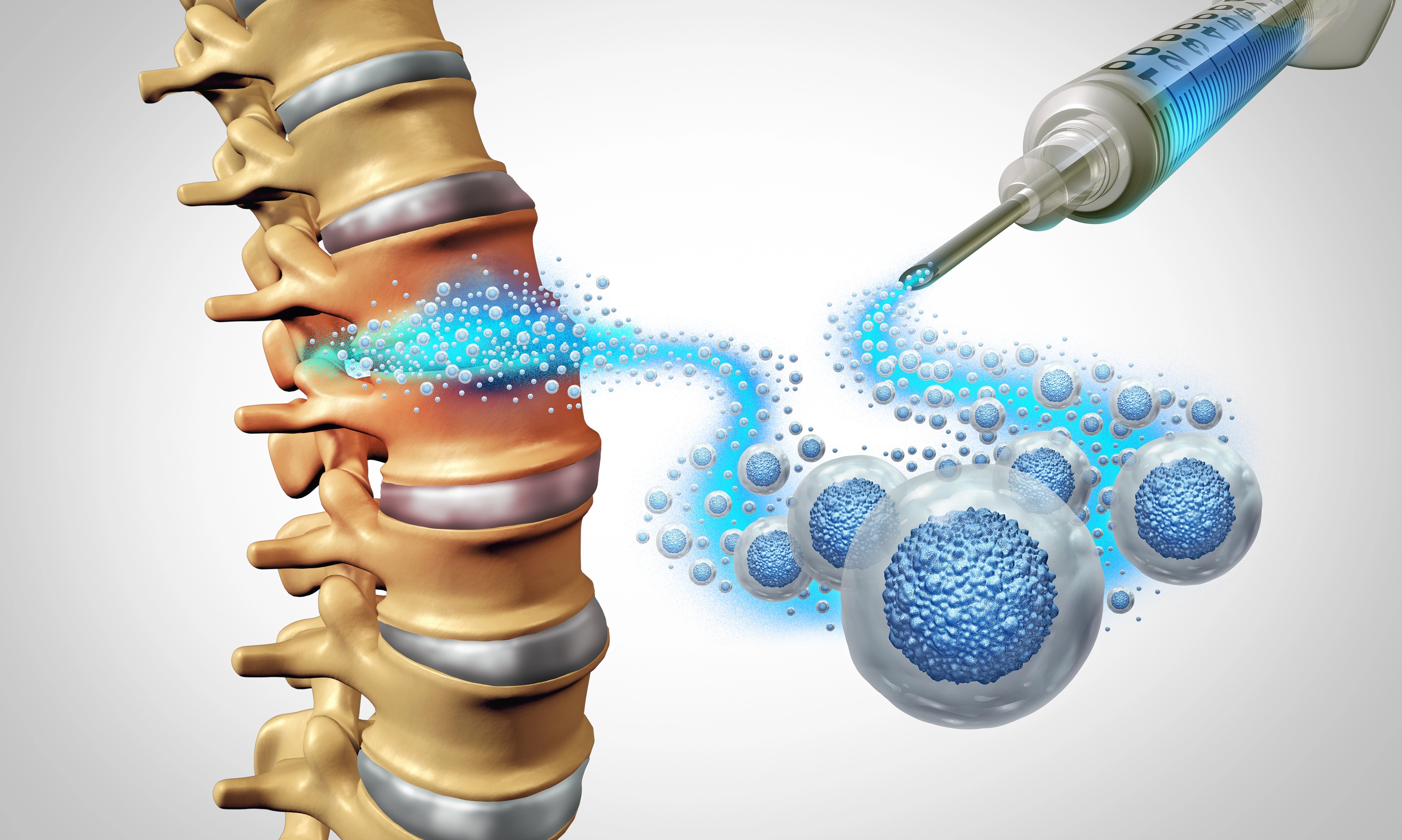
Platelet-rich plasma therapy is a technique that uses a patient’s own blood to accelerate healing. Platelets are known for their clotting abilities, but they also contain hundreds of proteins called growth factors, which are very important in the repair of injuries.
The mechanism is straightforward: a small blood sample is processed in a centrifuge to concentrate the platelets. This concentrated plasma is then injected into the injured area. These concentrated growth factors jumpstart tissue repair and regeneration at a cellular level. Understanding how PRP helps heal tendon and ligament injuries involves examining how these growth factors signal the body to produce new, healthy collagen fibers.
The precision aspect of PRP therapy that Los Angeles patients receive at our facility involves image-guided injections. By using ultrasound or other imaging tools, we can see the exact site of the damage. This targeted delivery makes sure the plasma reaches the specific location where it can do the most good. The benefits include faster recovery times, reduced inflammation, and significantly less downtime compared to traditional methods.
Focused Acoustic Wave Therapy Explained
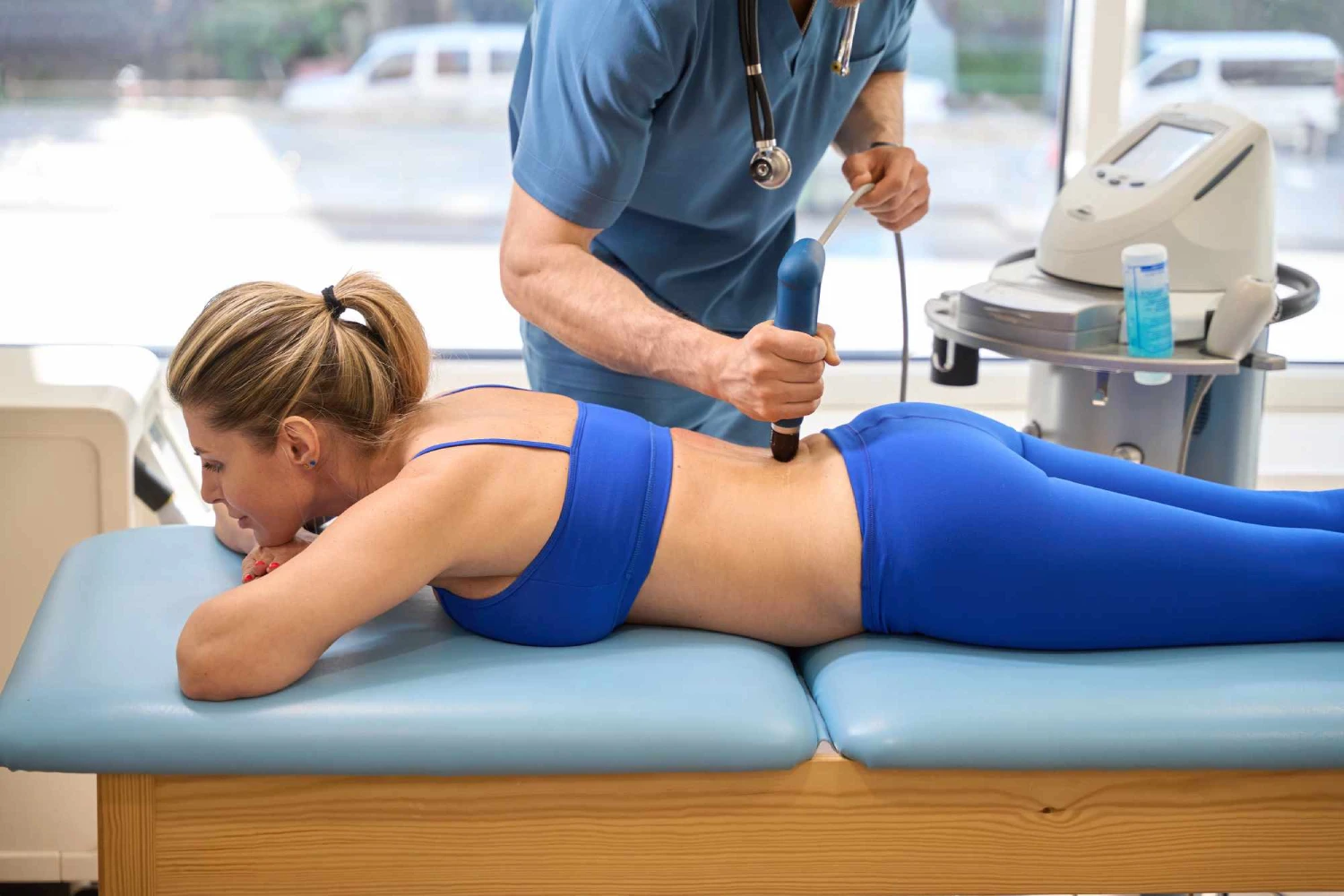
Acoustic wave therapy, often referred to as shockwave therapy, is a non-invasive treatment that uses high-energy sound waves to stimulate healing in deep tissues. Unlike radial waves that spread out at the surface, focused waves penetrate deeper into the body to reach the specific site of trauma.
The therapy works through several mechanisms:
- Stimulates blood flow: The sound waves create microtrauma, prompting the body to grow new blood vessels.
- Breaks down scar tissue: It helps dissolve calcifications and fibrous tissue that limit movement.
- Activates cellular repair: The mechanical stress of the waves signals the body to increase metabolic activity in the area.
Also Read: Shockwave Therapy vs Injections: Which Is Better for Pain Relief?
The Synergy: Why PRP + Acoustic Waves Work Better Together
While both treatments are powerful on their own, combining PRP injections for muscle and joint injuries with focused acoustic waves creates a synergistic effect. They tackle the problem from two different angles:
- PRP provides the biological repair: It delivers the building blocks (growth factors) needed for new tissue.
- Acoustic waves provide mechanical stimulation: They prepare the construction site by increasing circulation and breaking down barriers like scar tissue.
When comparing PRP vs shockwave therapy for athletes, it is often found that they are not mutually exclusive but rather work best in tandem. Research suggests that acoustic waves may actually make the PRP more effective. By improving blood flow before or after an injection, the body can better distribute and integrate the growth factors. This combined approach often results in faster healing times and better outcomes for stubborn injuries that have not responded to other treatments.
Conditions Commonly Treated
We use regenerative sports medicine to address a variety of conditions that plague both professional athletes and weekend warriors:
- Rotator cuff injuries: Tears or strains in the shoulder’s stabilizing muscles.
- Tennis/golfer’s elbow: Persistent pain on the inner or outer side of the elbow.
- Knee injuries: Including ACL strains and patellar tendonitis.
- Achilles tendonitis: Pain in the large tendon at the back of the ankle.
- Plantar fasciitis: Sharp heel pain caused by inflammation in the foot.
- Muscle strains and ligament sprains: General soft tissue damage throughout the body.
What to Expect During Treatment
Your journey toward sports injury treatment begins with a clear, structured process. We start with a detailed evaluation and imaging to map out the extent of the damage. From there, we build a treatment plan suited to your specific physical demands.
During a PRP session, we draw blood, process it, and perform the injection using guidance technology. During an acoustic wave session, a device is moved over the skin with a gel medium. You may feel mild discomfort, often described as a tapping or pulsing sensation, but the procedures are quick.
Recovery is a gradual process. While some patients feel relief shortly after the first few sessions, biological tissue repair takes several weeks. We provide a guided return to activity to help you safely rebuild strength.
Benefits Over Traditional Treatments
Choosing a non-surgical treatment for sports injury recovery offers several advantages:
- No surgery: Avoid the risks of infection, anesthesia, and long hospital stays.
- Reduced medication: Decrease your reliance on anti-inflammatories or painkillers that can have side effects.
- Shorter recovery: Get back to your sport or job in a fraction of the time required for surgical rehab.
- Root-cause focus: Instead of just masking symptoms, we help the body repair the underlying damage.
Who Is a Good Candidate?
This approach is ideal for a wide range of individuals. While we provide sports trauma care for professional athletes, these treatments are equally effective for recreational players and active professionals.
You may be a good candidate if you have a chronic or recurring injury or are not responding to standard physical therapy or medications. It is also an excellent path for those who have been told surgery is their only remaining path but wish to explore regenerative alternatives first.
Why Choose a Specialized Pain Management Approach
Expertise in regenerative medicine is vital. A general practitioner may understand the basics, but a specialized clinic understands the nuances of how these therapies interact with athletic performance. Our multidisciplinary approach combines advanced, non-invasive treatments with a deep knowledge of human biomechanics.
By focusing on personalized care, we look at the whole person, your movement patterns, your injury history, and your physical requirements, to provide a plan that works for your life.
Also Read: How Can Concierge Pain Care Help When Other Treatments Have Failed?
Conclusion
Modern sports injury care is regenerative and focused. Through precision PRP therapy for sports injuries in Los Angeles and focused acoustic wave therapy for sports-related trauma, we are helping people move past pain and return to the activities they love. You don’t have to accept a new normal of limited mobility or constant discomfort.
If you are ready to address your injury at its source and experience faster recovery and long-term healing, schedule a consultation with The Pain Free Institute today.
.png)

.png)




Medipark
Miracle Mile Surgery Center provides advanced outpatient surgical care with expert physicians and state-of-the-art facilities.
Contact Us
