
.svg)










.webp)


Rethinking Chronic Pain Treatment Without Surgery
Living with constant physical discomfort is an exhausting reality for millions of people. When discomfort lingers for months, it begins to interfere with every facet of daily life, from basic mobility and work productivity to sleep quality. Many patients find themselves in a cycle of temporary fixes, eventually being told that surgery is the next logical step after standard medications, basic injections, or physical therapy fail to provide relief.
However, surgery is not always the best or only way to handle chronic pain relief. For many, the idea of an invasive procedure is daunting due to the recovery time and risks involved. Fortunately, the landscape of medical care is shifting. Recent advances in diagnostic evaluation and regenerative medicine have expanded the possibilities for non-surgical pain treatment. Rethinking how we approach long-term discomfort begins with identifying the true source of the issue and exploring targeted ways to support the body’s recovery without a scalpel.
Why Chronic Pain Is Often Difficult to Treat
It is common for patients to feel frustrated when their symptoms don’t improve. This difficulty often stems from the fact that discomfort can develop from various origins, such as past injuries, degenerative conditions, or long-term strain on joints and tissues. In some cases, the exact source of the distress is not fully identified during an initial medical visit.
Pain is rarely a simple, isolated event. It may involve multiple structures simultaneously, including:
● Joint surfaces and cartilage
● Tendons and ligaments
● Nerve pathways
● Surrounding soft tissues
When a medical plan focuses only on masking symptoms, the underlying issue remains unresolved. This is why many people find themselves searching for how to treat chronic pain without surgery after traditional methods fall short. Without a deep look into the mechanical or biological drivers of the discomfort, the cycle of irritation continues.
Also Read: When Pain Becomes Chronic: Why Early Intervention Matters
The Importance of a Diagnostic-First Approach
The best non-surgical treatment for chronic pain starts with a clear understanding of the root cause. Jumping straight into a treatment, even anon-invasive one, without a clear map of the problem can lead to in consistent results. A diagnostic-first approach ensures that the therapy matches the pathology.
A detailed evaluation at The Pain Free Institute may include:
● A physical examination focusing on movement patterns.
● Diagnostic imaging when appropriate to see structural changes.
● Biomechanical assessments to identify hidden strains.
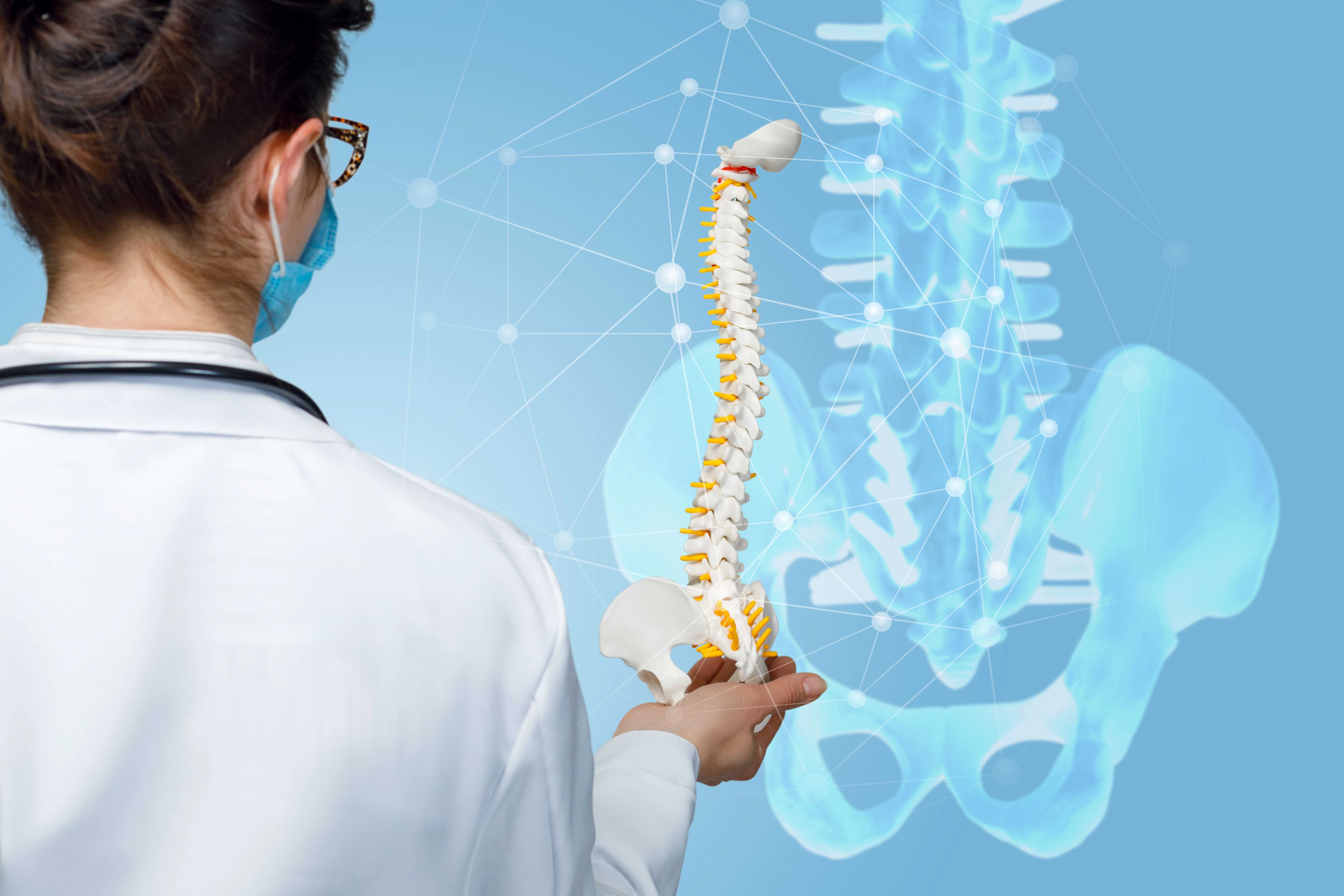
● Musculoskeletal ultrasound to view tissues in real-time.
An accurate diagnosis helps guide more precise care. By pin pointing whether the issue is a frayed tendon, a compressed nerve, or joint inflammation, we can apply modern pain management treatments for chronic pain that are more likely to succeed.
When Surgery May Not Be the Best First Option
Surgery can be necessary for certain structural problems, such as severe fractures or specific neurological deficits. However, many conditions involve inflammation, tissue damage, or functional issues that respond well to non-invasive pain therapy.
Choosing a conservative path first is often a wise move because surgery carries:
- Extended recovery and rehabilitation periods.
- Potential for surgical complications or infections.
- Variable outcomes that may not always resolve the original pain.
Exploring alternatives to surgery for chronic pain allows patients to seek improvement with a lower risk. For many, addressing the biological environment of the joint or tissue can provide the relief they need while keeping their physical integrity intact.
Non-Surgical Treatment Options for Chronic Pain
Modern pain management has moved beyond the rest-and-wait mentality. Today, we use a combination of therapies to address different aspects of a patient’s condition. These minimally invasive chronic pain treatment options work together to reduce irritation and improve function.
Option soften include:
● Physical Rehabilitation Programs: Moving beyond basic exercise to focus on specific functional deficits.
● Targeted Injections: Placing medication or healing agents exactly where they are needed.
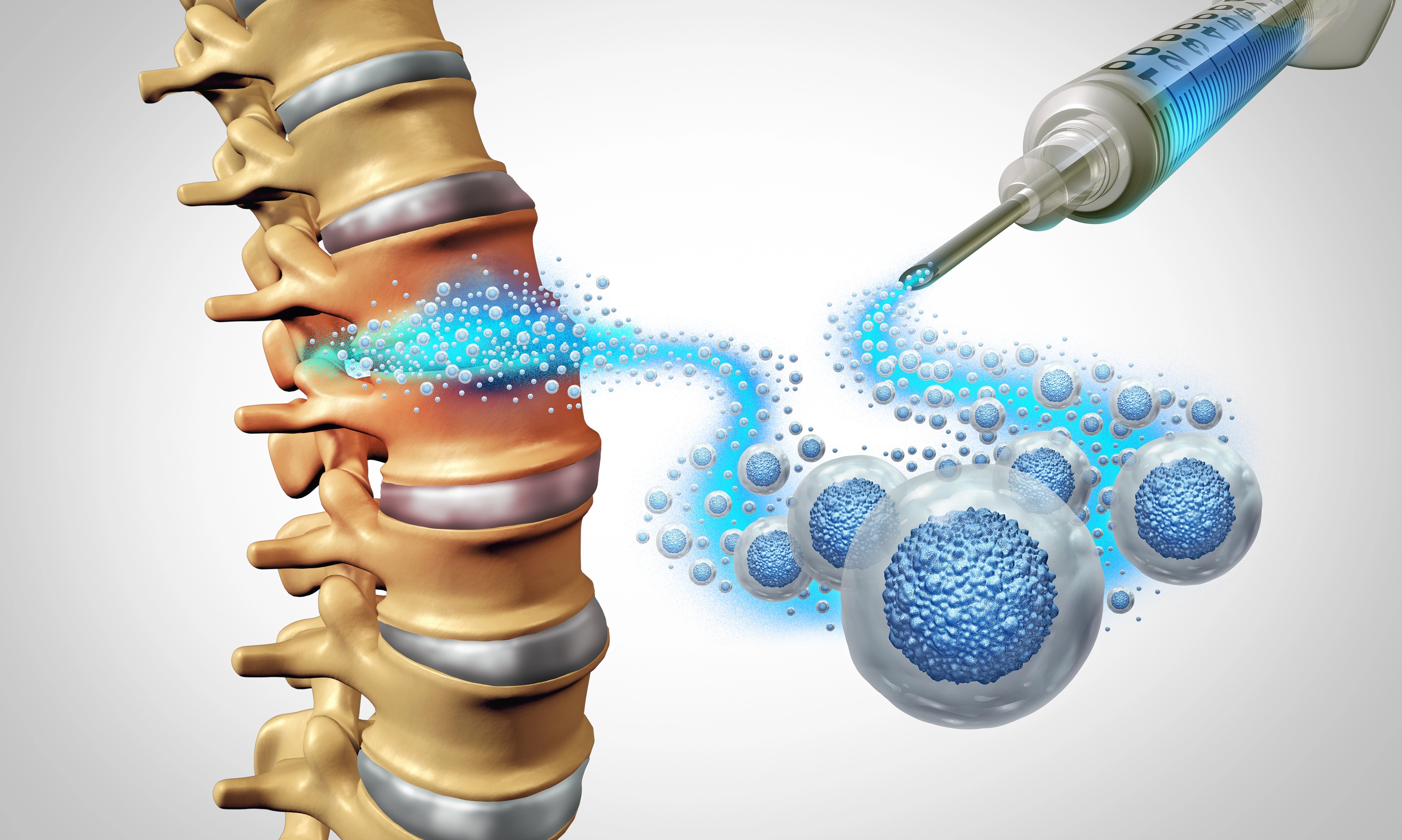
● Regenerative Medicine Therapies: Using the body's own biology to support tissue repair.
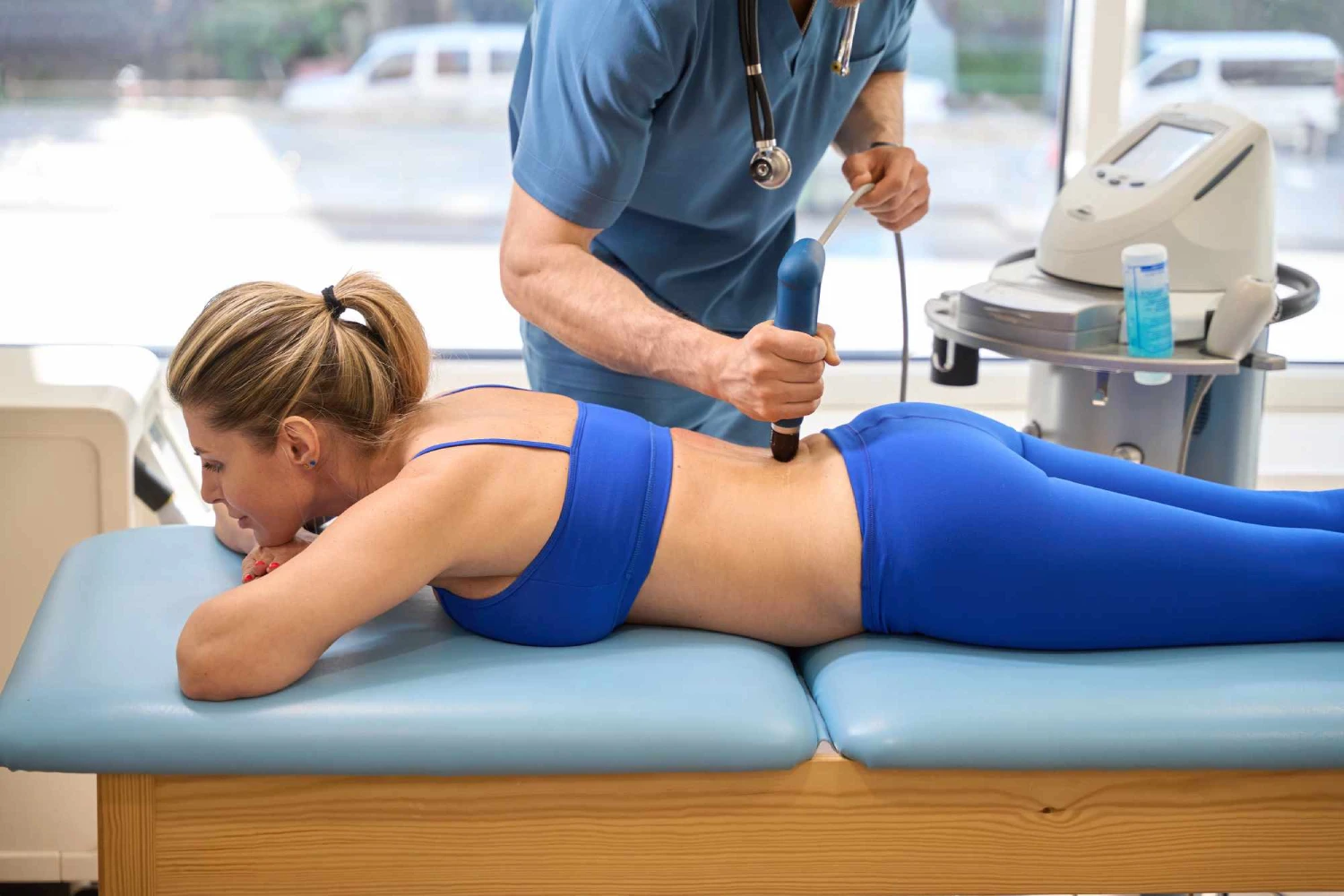
● Shockwave Therapy: Using acoustic waves to stimulate blood flow and healing in tendons.
● Lifestyle and Activity Modifications: Learning how to move and live in ways that do not aggravate the injury.
Combining these therapies often leads to better results than using a single method alone.
Also Read: Shockwave Therapy vs Injections: Which Is Better for Pain Relief?
The Role of Regenerative Medicine in Pain Management
One of the most exciting shifts in chronic pain treatment in Los Angeles residents now have access to is the rise of biological therapies. Regenerative medicine focuses on supporting the body’s natural healing processes rather than just suppressing inflammation.
Examples of these therapies include:
● Platelet-Rich Plasma (PRP) Therapy: Using concentrated platelets from the patient’s own blood to release growth factors.
● Biologic Treatments: Cell-based therapies designed to support tissue health.
● Tissue Healing Therapies: Focused approaches to mend chronic tendon or ligament tears.
Instead of only masking pain, these methods help address damaged tissues. This biological approach is a corner stone of alternative pain treatments today, offering a path toward actual recovery.
Treating the Whole Movement System
Pain is rarely just about one spot on an X-ray; it is often influenced by how the entire body moves. If a hip is weak, the knee may suffer. If the core is unstable, the lower back bears the burden. To achieve lasting chronic pain relief, we must look at the whole movement system.
Treatment involves looking at:
● Joint Mechanics: Ensuring joints move through their full, intended range.
● Muscle Imbalance: Correcting areas where some muscles are overworked while others are dormant.
● Movement Patterns: Identifying habits in walking, sitting, or lifting that cause strain.
Through strengthening programs, mobility training, and biomechanical correction, we can reduce long-term stress on the body. This systemic view is how our institute's non-surgical chronic pain treatment in Los Angeles helps patients return to their favorite activities.
Personalized Care for Chronic Pain
No two patients experience discomfort in exactly the same way. Two people may have the same diagnosis on paper, but their lives, activity levels, and physical histories are different. This is why how pain management doctors treat chronic pain must involve a high degree of personalization.
A personalized plan considers:
● The specific biological source of the pain.
● Daily lifestyle demands and athletic goals.
● Which previous treatments worked or failed.
● Current health status and recovery speed.
Individualized plans support long-term improvement by treating the person, not just the image on a screen.
When to Seek Advanced Pain Care
It can be difficult to know when to stop self-treating and see a specialist. You may benefit from a specialized evaluation if:
● Pain has lasted longer than three to six months.
● Standard treatments like rest and over-the-counter meds have not provided lasting relief.
● Surgery has been recommended, but you want to see if other paths exist.
● Physical discomfort limits your daily activity, work, or hobbies.
Early evaluation is helpful because it can prevent the compensation patterns that lead to further injuries elsewhere in the body.
Also Read: How to Choose the Right Pain Management Specialist in Los Angeles
A New Perspective on Chronic Pain Treatment
The field of medicine continues to evolve as new therapies and better diagnostic tools become available. Today, a diagnosis of chronic pain does not have to mean a lifetime of limitations or a mandatory trip to the operating room. Non-surgical pain treatment can provide meaningful relief and a return to function for a vast majority of patients.
By following a diagnostic-first strategy and utilizing modern bio logical therapies, we can change the trajectory of your recovery. If you are tired of managing symptoms and want to address the cause of your discomfort, it is time to look at your health from a different angle.
Are you ready to explore your path to recovery? Contact The Pain Free Institute today to schedule a comprehensive evaluation and discover which non-surgical treatments are right for you.
.png)

.png)





Medipark
Miracle Mile Surgery Center provides advanced outpatient surgical care with expert physicians and state-of-the-art facilities.
Contact Us
