
.svg)











.webp)

.jpg)
Chronic Back Pain Specialist in Los Angeles, CA | Pain Free Institute
Back pain changes more than posture. It changes how people work, sleep, and move through the day. What starts as mild stiffness after a long shift or workout can gradually turn into constant discomfort that affects every part of life. Millions of Americans experience this kind of pain each year, and many learn to live with it simply because they believe it is normal or inevitable.
Persistent backpain is not something to ignore. When pain limits activity or interferes with concentration and mood, it is a sign that the body needs professional attention. The good news is that today’s pain specialists have more tools tha never to diagnose and treat the root cause rather than masking the symptoms.
At The Pain Free Institute in Los Angeles, physicians use advanced, minimally invasive techniques to help patients move beyond temporary relief. Each plan begins with a careful evaluation to identify the source of pain and ends with a strategy built around lasting recovery. Whether it involves targeted injections, regenerative medicine, or guided rehabilitation, every approach is designed to help people regain strength, mobility, and confidence in their bodies.
Living without pain is not a luxury. It is the foundation of a healthy, active life—and with the right care, it is entirely possible.
Understanding Chronic Back Pain
Defining Chronic Pain
Medically, chronic back pain is defined as discomfort that persists for 12 weeks or longer, even after the initial injury or underlying condition that caused it has theoretically healed.
Unlike acute pain, which is a clear signal of injury, chronic pain often becomes a complex health issue involving sensitized nerve pathways ,persistent inflammation, and degenerative changes in the spine. It can turn into a debilitating cycle that affects not just the body, but also mental and emotional well-being.
Common Causes of Chronic Back Pain
The complexity of the spine means chronic pain can stem from numerous sources. The most common structural and functional causes treated by pain specialists include:
● Degenerative Disc Disease (DDD): The breakdown and flattening of the spinal discs.
● Herniated or Bulging Discs: Disc material pressing on surrounding nerves.
● Spinal Stenosis: The narrowing of the spinal canal, which crowds the nerves.
● Arthritis of the Spine (Facet Joint Disease): Inflammation and wear-and-tear in the joints connecting the vertebrae.
● Sciatica and Nerve Impingement: Pain that radiates due to compression of the large sciatic nerve.
● Muscle Strain or Ligament Injury: Chronic strain that leads to instability and persistent tension.
● Postural Imbalance or Poor Ergonomics: Long-term mechanical stress on the spine.
Also Read: Spine-Related Pain Conditions
Signs It’s Time to See a Pain Specialist
Many people try to manage back pain on their own until it becomes unbearable. However, seeing a specialist is recommended when the following signs are present:
- Ongoing Pain: The back pain has lasted more than 6–12 weeks despite initial attempts at rest, over-the-counter medication, or general physical therapy.
- Impaired Function: Pain that interferes with sleep, work, or daily mobility, making routine tasks difficult or impossible.
- Radiating Symptoms: Sharp, shooting pain that travels down the legs (sciatica), into the hips, or down the arms.
- Neurological Signs: New or worsening numbness, tingling, or weakness in the limbs, which can signal significant nerve compression.
- Limited Flexibility: You experience a marked difficulty standing, walking for long periods, or bending without severe pain.
- Medication Dependence: You find yourself relying on daily pain medication (prescription or OTC) just to get through the day.
- Failed Previous Treatments: General medical or chiropractic treatments have stopped working or provided only fleeting relief.
Why Early Pain Management Matters
Untreated chronic pain is not static; it changes the body. When pain persists, it can alter nerve pathways in the spinal cord and brain, essentially rewiring the body to be hypersensitive to pain signals. This phenomenon is why pain becomes increasingly resistant to treatment over time.
Delayed care also has cascading effects. Avoiding movement due to pain leads to muscle a trophy, particularly in the core, making the spine less stable and more vulnerable to reinjury. Chronic discomfort is a major contributor to stress, anxiety, and depression, creating a mental barrier to recovery.
Effective treatment is impossible without an accurate diagnosis. The Pain Free Institute employs a highly personalized pain evaluation to pinpoint the precise source of chronic back pain.
Non-Surgical Treatment Options for Chronic Back Pain
Once the source of the pain is identified, the Pain Free Institute utilizes a wide array of advanced, minimally invasive treatments tailored to your condition.
Targeted Injections and Regenerative Therapies
These therapies deliver powerful medicine or healing cells directly to the site of injury:
● Epidural Steroid Injections: Deliver steroids to the epidural space to reduce nerve root inflammation caused by disc herniations.
● Facet Joint or Medial Branch Blocks: Target the small joints between the vertebrae ,providing relief for arthritic spinal pain.
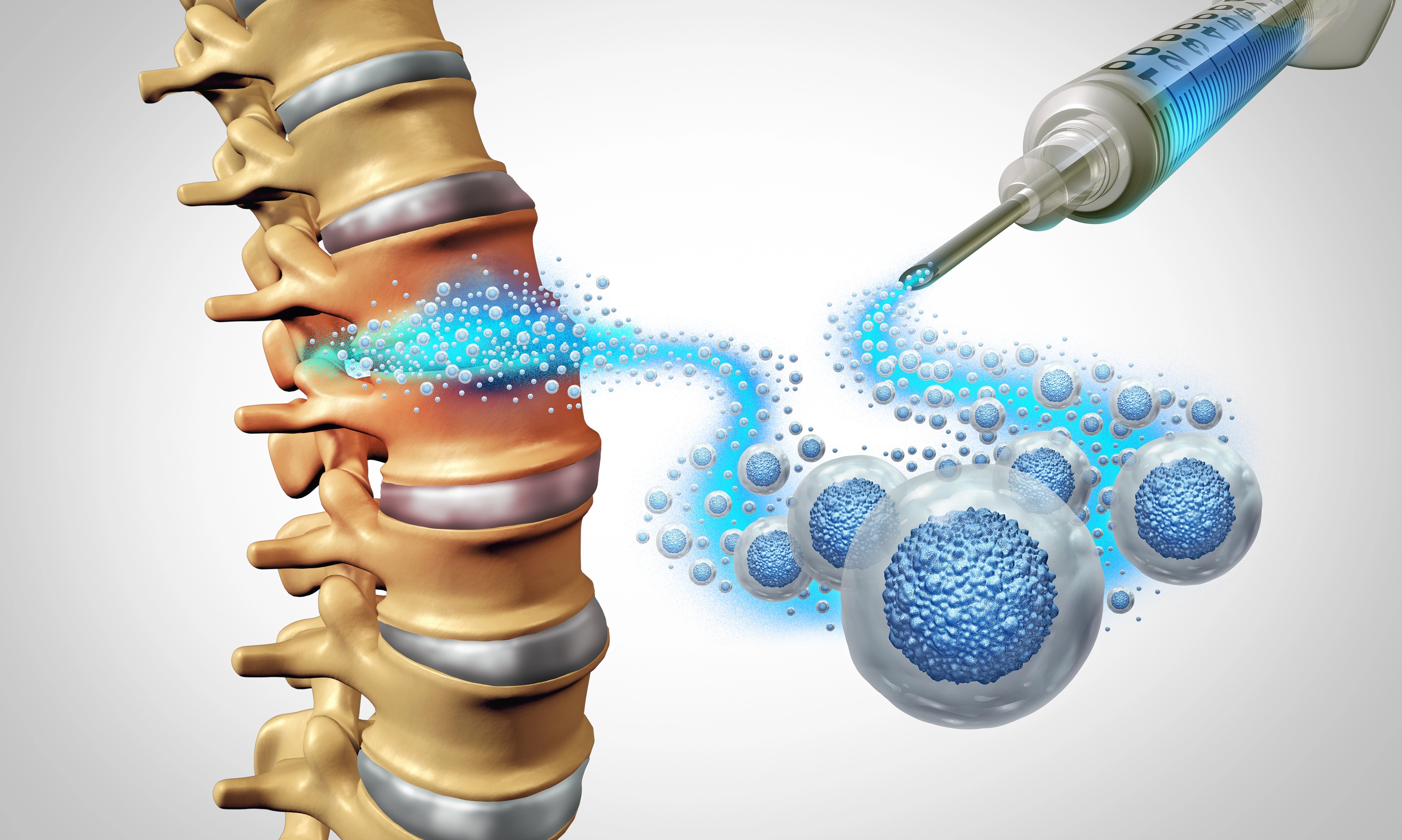
● Regenerative Medicine: PRP (Platelet-Rich Plasma) and Stem Cell Therapy utilize the body's own healing factors to repair damaged tissue, reduce inflammation naturally, and promote long-term structural improvement.
Nerve and Neuromodulation Therapies
These treatments focus on modifying or blocking pain signals from the nervous system:
● Radiofrequency Ablation (RFA): Uses controlled heat to safely disable specific pain-signaling nerves, providing relief often lasting 6–18 months.
● Spinal Cord Stimulation (SCS) and Peripheral Nerve Stimulation (PNS): Advanced, reversible devices that use mild electrical pulses to interfere with pain signals before they reach the brain, typically reserved for complex or failed back surgery cases.
Medication Management
Our approach to medication is conservative and integrated. We create customized plans that prioritize effective pain relief while minimizing side effects and focusing on short-term use. Medications are utilized primarily to control acute flares, allowing other regenerative and physical treatments to take effect.
Physical Therapy and Movement Rehabilitation
Physical therapy is the cornerstone of long-term recovery. It focuses on:
● Building core strength and stability to lower the risk of future injuries.
● Correcting posture and practice proper ergonomics to minimize daily strain on muscles and joints.
● Using low-impact recovery techniques, such as guided stretching, yoga, or aquatic therapy, to restore flexibility safely.
Lifestyle and Preventive Care
An effective pain management plan extends beyond the clinic. Maintaining your results requires committing to a healthier lifestyle:
● Core strengthening and posture maintenance to support your spine.
● Ergonomic setup for work and home environments.
● Stress management and adequate sleep can reduce the body’s inflammatory state.
● Proper nutrition and hydration for disc and spinal health.
● Regular stretching or mobility routines to maintain flexibility.
When Surgery Becomes Necessary
While our goal is always to provide non-surgical relief, The Pain Free Institute understands that surgery is sometimes necessary. It is viewed as a last resort, reserved for severe structural issues that have not responded to any conservative, injection, or regenerative therapy.
Situations that may necessitate surgical consultation include:
● Severe, non-contained disc herniation causing acute functional loss.
● Advanced spinal stenosis leading to intractable pain or neurological deficit.
● Cases of failed back surgery syndrome require expert re-evaluation.
Why Choose The Pain Free Institute for Chronic Back Pain Treatment
Choosing The Pain Free Institute means partnering with experts dedicated to your long-term wellness:
● Elite Expertise: Our team consists of board-certified pain management specialists and leading regenerative medicine experts.
● Advanced Facility: We utilize the most advanced, minimally invasive treatments performed in a state-of-the-art facility.
● Functional Focus: We are focused on restoring function, not just reducing a pain score, empowering you to return to your life.
● Compassionate Care: We operate on a patient-first care model, providing personalized follow-ups and comprehensive support throughout your journey.
Don’t Wait for the Pain to Control Your Life
Chronic back pain is highly treatable, and you do not have to endure it. Every day you wait is a day that nerve pathways can harden, and degeneration can progress. Encourage early, expert evaluation to prevent long-term complications, identify the precise cause of your pain, and access the advanced, minimally invasive treatments that can help you finally regain comfort and control.
.png)

.png)





Medipark
Miracle Mile Surgery Center provides advanced outpatient surgical care with expert physicians and state-of-the-art facilities.
Contact Us
