
.svg)

















.webp)

.png)
How Nerve Blocks Work to Stop Pain at the Source
Why “Numbing the Pain” Isn’t the Same as Treating It
Many people find themselves stuck in a cycle of taking pills or applying topical creams that offer only fleeting moments of ease. These methods frequently focus on dulling the senses rather than addressing the actual biological pathways responsible for the distress. When you only mask a symptom, you allow the underlying issue to remain active, often leading to a return of the same problems once the medication wears off.
Instead of a broad approach that affects the entire body, targeted pain interruption focuses on the specific pathways carrying distress signals. This is where regional anesthesia techniques, including nerve blocks, offer a different path. By focusing on the root of the problem, these treatments aim to stop the signal before it ever reaches the brain. At The Pain Free Institute, we approach nerve pain relief by identifying the source and addressing it directly, rather than relying on temporary suppression.
Also Read: Exploring Non-Surgical Options for Long-Term Pain Relief
What Is a Nerve Block?
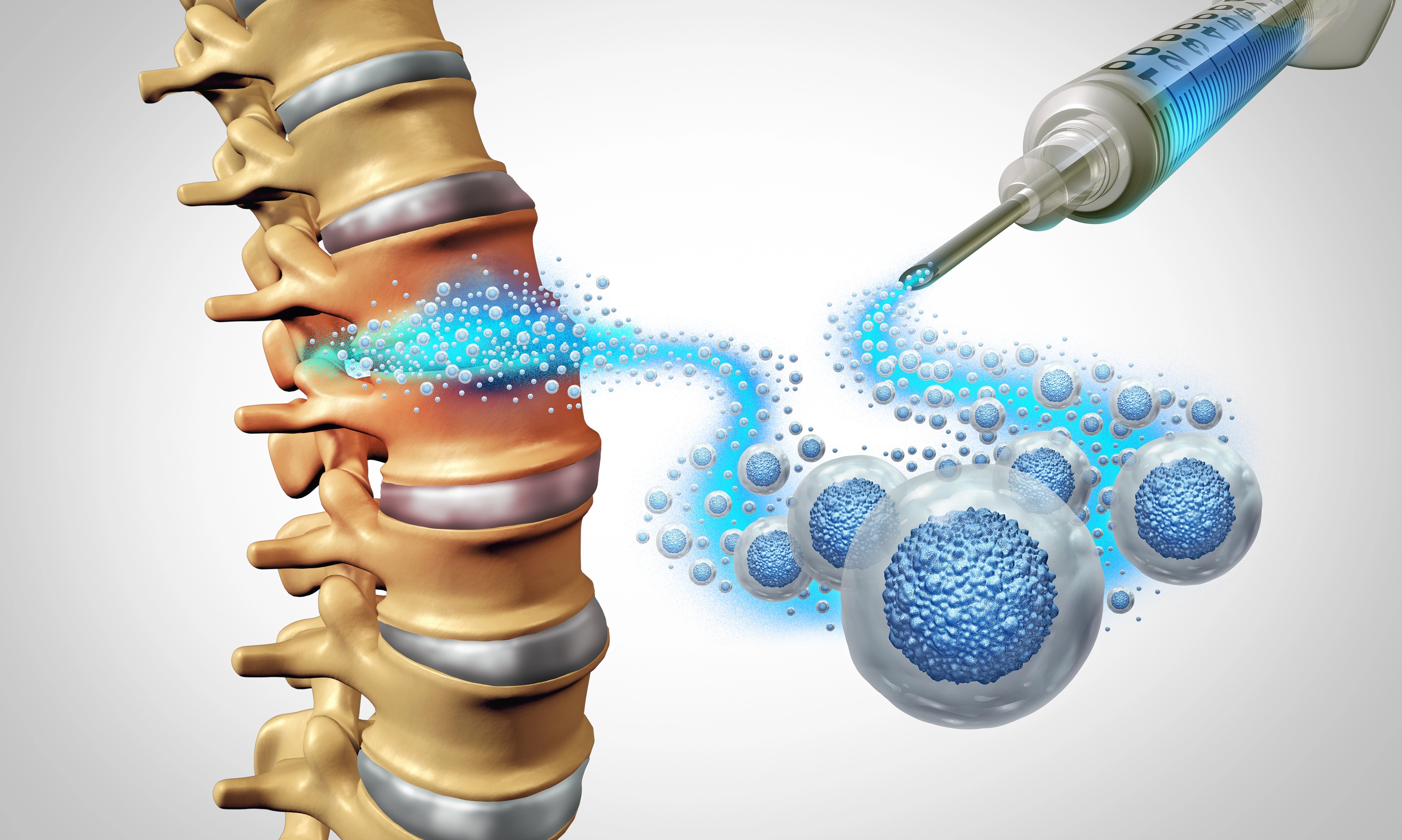
A nerve block is a medical procedure involving the injection of specific substances directly around a nerve or group of nerves. The primary aim is to block or turn off the transmission of pain signals. For patients exploring how nerve blocks work for pain relief, the concept is straightforward: interrupt the signal where it begins.
We do other blocks quite often, like radio frequency ablations (RFAs), which are not steroid injections. And the relief from this procedure is a lot longer than steroid injections.
Common procedures typically involves a combination of two main components:
● Local Anesthetic: Provides immediate relief by numbing the area quickly
● Anti-inflammatory Medication: Often a steroid, which works over time to reduce swelling and irritation
These injections serve multiple purposes. They can be diagnostic, helping your provider confirm the source of pain. They can also be therapeutic, offering longer-lasting relief while giving the body time to settle inflammation and restore function.
How Pain Signals Travel Through the Body
Understanding how relief works requires knowing how pain is processed. Your nervous system functions like a network of communication pathways. When an injury occurs, sensors send electrical signals through peripheral nerves, up the spinal cord, and into the brain, where the sensation is interpreted.
In many cases, pain persists even after tissue healing. This is often due to nerve sensitization, where the nerve becomes overactive. Ongoing inflammation can keep this system in a loop, which is why targeted treatments are often necessary rather than generalized approaches.
How Nerve Blocks Stop Pain at the Source
The mechanism behind a nerve block is precise. Medication is placed directly where the nerve is irritated, creating a localized effect.
● Signal Interruption: The anesthetic stops the transmission of pain signals
● Inflammation Reduction: The anti-inflammatory component reduces irritation
● Resetting the Cycle: The nervous system is given a chance to return to baseline
For patients considering nerve blocks for back pain and joint pain, this targeted approach can offer relief that general medications cannot achieve.
Types of Nerve Blocks Commonly Used
The type of block depends on the location and nature of the issue.
● Peripheral Nerve Blocks: Used for limb or joint pain
● Facet Joint Injections: Target spinal joints contributing to stiffness
● Epidural Injections: Address radiating spinal nerve pain
● Trigger Point Injections: Focus on muscle-related nerve irritation
These approaches are often part of broader chronic pain treatment options in Los Angeles, especially for patients seeking alternatives to long-term medication use.
What Conditions Do Nerve Blocks Treat?
Patients often ask, " What conditions do nerve blocks treat? The answer varies depending on the underlying cause.
Common conditions include:
● Chronic back and neck pain
● Sciatica
● Joint pain in the hips, knees, or shoulders
● Migraines and nerve-related headaches
● Post-surgical pain
● Arthritis-related inflammation
These treatments are not limited to one diagnosis. They are used across a range of conditions where nerve irritation is a driving factor.
What to Expect During a Nerve Block Procedure
Many patients want to know how the process works in practice. It is a routine outpatient procedure designed for accuracy and comfort.
● Evaluation: Review of symptoms and physical exam
● Imaging Guidance: Ultrasound or fluoroscopy ensures precise placement
● Injection: A brief, controlled delivery of medication
● Observation: Short recovery period before discharge
For those asking, “Are nerve block injections safe?” Modern imaging and experienced providers significantly reduce risk.
Also Read: PRP vs. Cortisone: Which Injection Works Better for Long-Term Pain Relief?
Recovery and Results
One of the most common questions is, "How long does a nerve block last?
Relief typically occurs in two phases:
● Immediate numbness from the anesthetic
● Gradual improvement over days from reduced inflammation
The duration varies. For steroid injections, some patients experience relief for weeks, while others benefit for several months. More importantly, this window often allows patients to re-engage in physical therapy and movement-based care that supports longer-term recovery. We do offer other nerve treatments that provide much longer lasting relief.
Benefits Over Traditional Pain Management in Los Angeles
Compared to generalized approaches, nerve blocks offer a more direct method of care.
● Targeted Treatment: Medication is delivered exactly where needed
● Reduced Systemic Impact: Less effect on the rest of the body
● Non-Surgical Option: May delay or avoid invasive procedures
● Cycle Interruption: Helps prevent chronic pain patterns from continuing
This is why they are frequently included in chronic pain treatment options in Los Angeles for patients seeking a more focused approach.
Are Nerve Blocks Safe?
Safety is a common concern. Patients often ask about the side effects of nerve block procedures.
When performed correctly, nerve blocks are considered safe. Most side effects are mild and temporary, such as:
● soreness at the injection site
● minor bruising
● temporary numbness
Serious complications are uncommon, particularly when procedures are guided by imaging and performed by trained specialists.
Who Is a Good Candidate?
You may be a candidate if:
● your pain follows a clear nerve pathway
● conservative treatments have not provided relief
● you want to reduce reliance on medications
● you need a more precise diagnosis
This approach is especially relevant for those seeking structured nerve pain relief without escalating to more invasive interventions.
Why Choose a Specialized Pain Management Clinic
Effective pain care requires more than symptom management. It requires understanding how nerve pathways, inflammation, and movement patterns interact.
At The Pain Free Institute, nerve blocks are used as part of a broader care plan. They are often combined with rehabilitation strategies to support long-term function rather than temporary relief alone.
Also Read: Personalized Pain Prevention and Regenerative Care with Concierge Medicine
Conclusion
Medicated nerve blocks represent a more focused way of addressing pain. Instead of masking symptoms, they interrupt the signal at its source and reduce the underlying irritation contributing to the problem.
For patients exploring how nerve blocks work for pain relief, the goal is not just short-term comfort. It is restoring function, reducing recurring cycles, and creating a more sustainable path forward.
If you are dealing with ongoing discomfort and want to explore targeted options for relief, scheduling an evaluation can help determine whether this approach fits your condition and goals.
Contact The Pain Free Institute to schedule a consultation and review your options for targeted pain relief.
.png)

.png)





Medipark
Miracle Mile Surgery Center provides advanced outpatient surgical care with expert physicians and state-of-the-art facilities.
Contact Us
