.svg)











.webp)


Herniated Disc or Muscle Strain? How Pain Specialists Tell the Difference
Back pain sends millions of adults to the doctor every year. Sometimes it shows up as a sore back after a long day or a weekend project. Other times, it becomes sharp, persistent, and hard to ignore. Two of the most common causes are muscle strain and a herniated disc, but they are not the same problem and they should not be treated the same way. Knowing which one you are dealing with can make a real difference in how quickly you feel better and whether the pain keeps coming back.
At The Pain Free Institute, our specialists see many people who are unsure whether their pain is from a simple muscle issue or something deeper involving spinal structures. Keep reading this brief overview of how specialists distinguish between these conditions, what symptoms point to each, how diagnosis works, and what treatment options are typical in each case.
What Is a Muscle Strain?
A muscle strain occurs when the muscles or the tendons supporting the spine are stretched or torn. This type of injury is common after lifting heavy objects, twisting awkwardly, or over exerting yourself during physical activity. Strains often feel like a deep ache or soreness in the muscles, but they do not involve the spinal discs or nerves directly.
With a strain, the pain tends to be localized to the area of injury. It’s not uncommon to notice stiffness, muscle tightness, or muscle spasms. Often, the discomfort worsens with specific movements, especially those that engage the injured muscles. Swelling or tenderness in the area may also occur, and symptoms typically improve within a few days to a couple of weeks with rest and conservative care.
Key features of muscle strain include:
● Pain is limited to the area of strain
● Aching or soreness that increases with activity
● Muscle stiffness or spasms
● Normal nerve function (no numbness or weakness)
Because muscle strains do not press on spinal nerves, they do not produce neurologic symptoms. Rest, heat or cold therapy, gentle stretching, and time often lead to improvement.
Also Read: Spine-Related Pain Conditions
What Is a Herniated Disc?
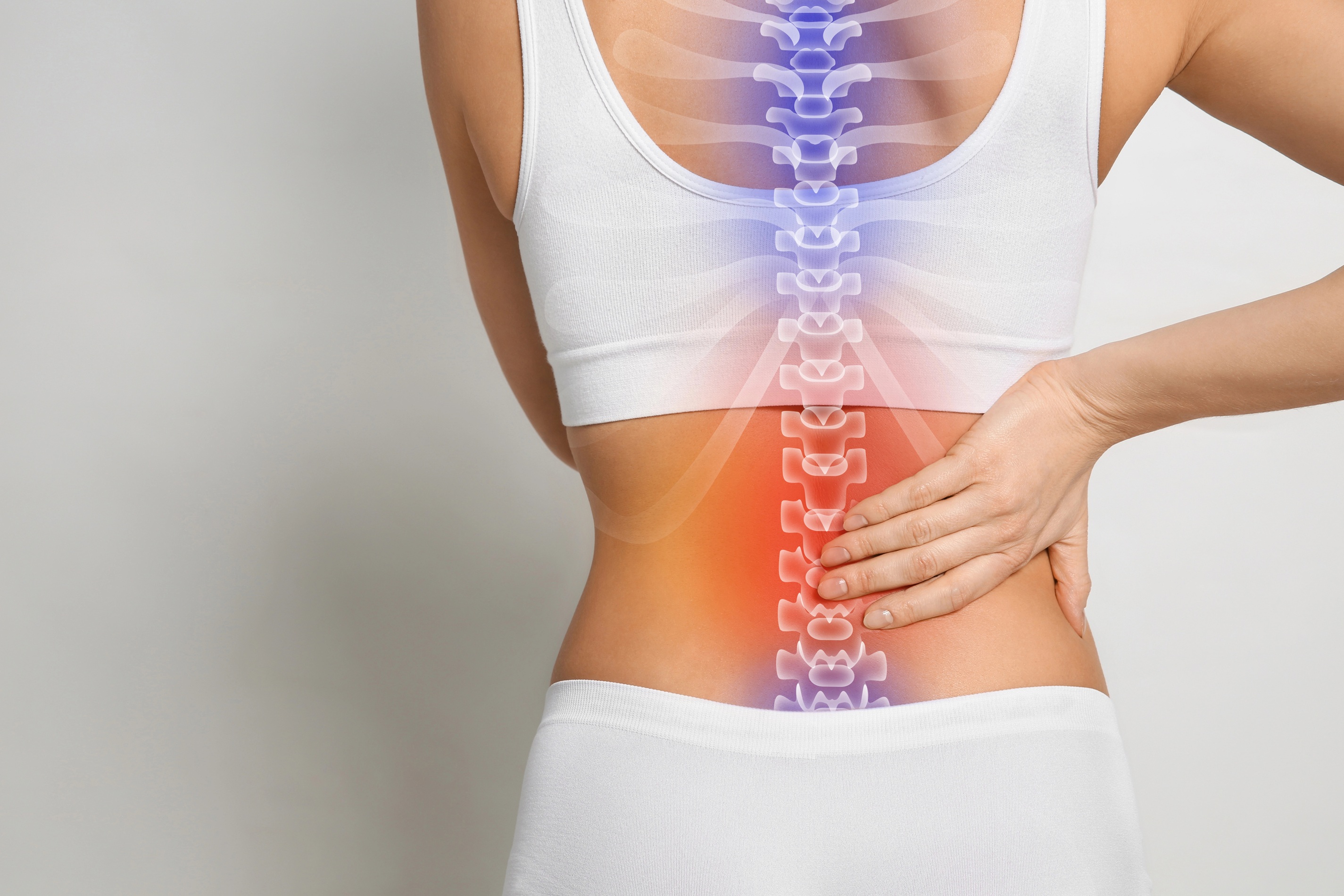
A herniated disc involves one of the intervertebral discs that act as cushions between the vertebrae of the spine. These disc shave a tough outer layer and a softer center. When the outer layer tears or weakens, the inner material can protrude and irritate nearby nerve roots. This condition is also known as a slipped disc or ruptured disc.
Herniated discs often affect the lower back but can occur in the neck as well. The key difference from a muscle strain is that a herniated disc can compress spinal nerves. That nerve involvement leads to symptoms that go beyond simple back pain.
Common signs of a herniated disc include:
● Pain that radiates down the leg (sciatica) or into the arm
● Sharp or burning discomfort rather than a dull ache
● Numbness, tingling, or weakness in a limb
● Pain that increases with sitting, coughing, or sneezing
The nerve irritation caused by a herniated disc can lead to functional limitations. Patients may avoid certain movements or postures because they make the discomfort worse. In some cases, a herniated disc can cause muscle weakness in the affected limb.
Why These Conditions Can Feel Similar
Muscle strain and herniated discs share overlapping symptoms such as low back pain and stiffness. Both can begin after physical activity or sudden movement. Because the back comprises muscles ,tendons, ligaments, and discs, it is possible for both types of injury to occur together.
Pain specialists often hear patients describe the pain as “just a stiff back” or “a pulled muscle,” even when the underlying cause is more serious. That is why medical evaluation is important when pain:
● Persists beyond a few days
● Radiates into arms or legs
● Produces numbness or weakness
● Interferes with daily tasks
Understanding the nature of your pain and tracking how it changes can give important clues before a definitive diagnosis is made.
How Pain Specialists Distinguish Between the Two
Pain specialists rely on a combination of history, physical examination, and sometimes imaging to differentiate muscle strain from a herniated disc.
History and Symptom Patterns
During your first visit, a specialist will ask about:
● How and when the pain started
● What activities make the pain better or worse
● Whether the pain travels beyond the back
● Any numbness, tingling, or weakness
Muscle strain pain typically starts soon after the injury and stays in one area. Herniated disc pain often includes sharp discomfort that may travel along a nerve pathway.
Physical Examination
Exams are necessary to help with diagnosis. One common test involves gently lifting the leg while you lie flat. If this movement triggers sharp pain traveling down the leg, it can point to nerve irritation caused by a herniated disc.
Your provider will also check muscle strength, reflexes, and skin sensation. Changes in any of these areas may signal pressure on a spinal nerve.
Muscle strain pain usually stays in one spot. The sore area often feels tight or achy, and pressing on it can reproduce the discomfort. Disc-related pain behaves differently. It is less about surface tenderness and more about movement. Bending, twisting, coughing, or sitting can trigger or worsen symptoms because these actions place pressure on the spine and nearby nerves.
Also Read: Chronic Back Pain Treatment in Los Angeles: When to See a Pain Specialist
How Muscle Strains Are Treated
When back pain comes from a muscle strain, treatment focuses on calming irritation and restoring normal movement. Most strains improve with time and the right support. The first priority is reducing pain so the muscle can relax and heal.
In the early phase, limiting activities that aggravate the area is important. This does not mean complete bed rest, which can actually slow recovery. Gentle movement helps keep the muscles from tightening further.
Temperature therapy often helps. Cold can reduce early inflammation, while heat may ease stiffness once the initial soreness settles. Many people alternate based on what feels best.
Stretching and strengthening become more important as pain improves. Weak or tight muscles increase the chance of reinjury. A guided rehabilitation program helps restore balance and improve how the body moves during daily activities.
Most mild strains improve within several days. More significant strains can take weeks to fully resolve, especially if the injury occurred during lifting or sudden twisting.
How Herniated Discs Are Treated
Care for a herniated disc depends on how much the nerve is affected and how the symptoms interfere with daily life. Some people feel pain only in the back. Others develop leg pain, numbness, or weakness.
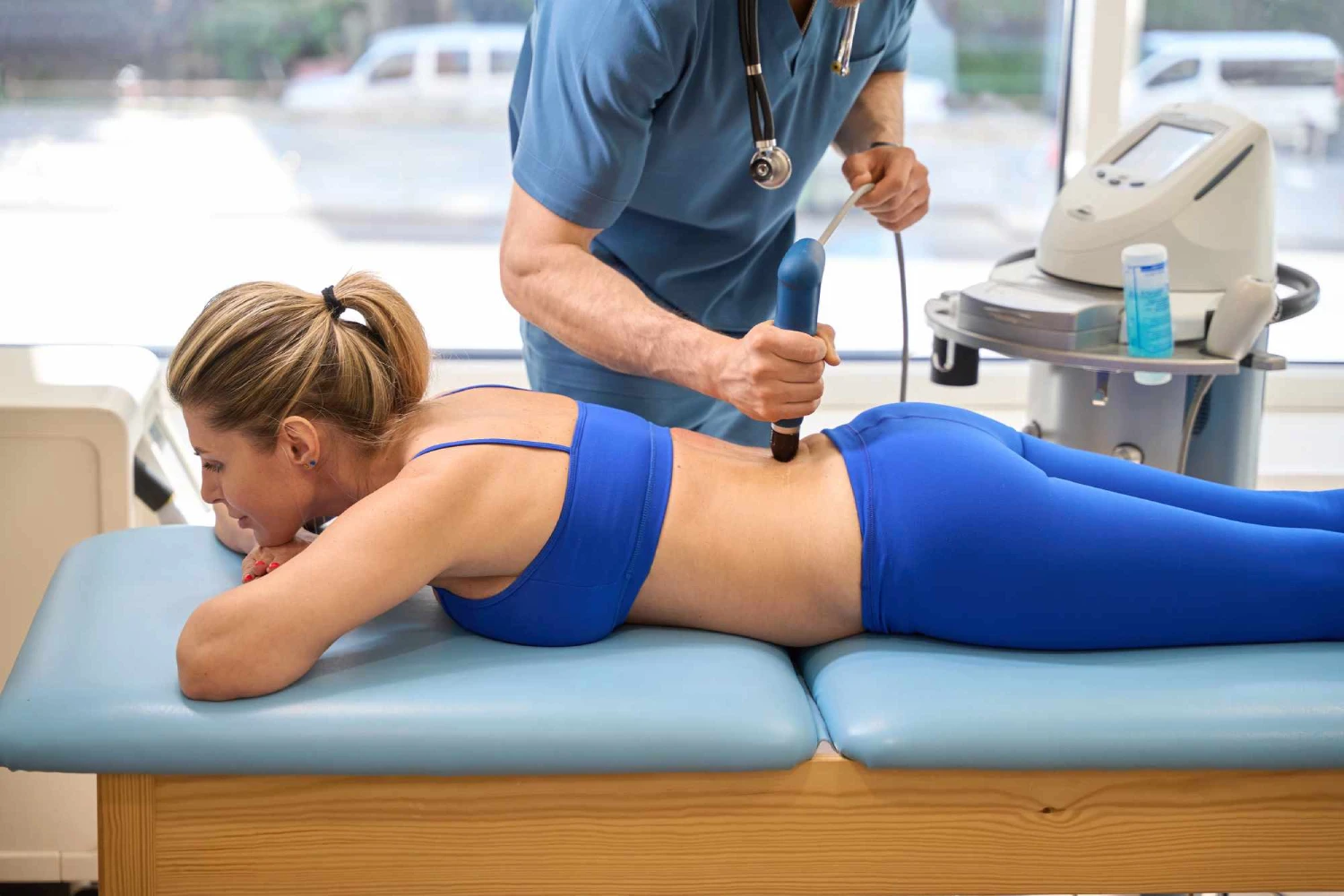
In many cases, non-surgical care is effective. Treatment often focuses on reducing nerve irritation and improving spinal support. Physical therapy plays a major role. Exercises target the core muscles that stabilize the spine and reduce pressure on the disc.
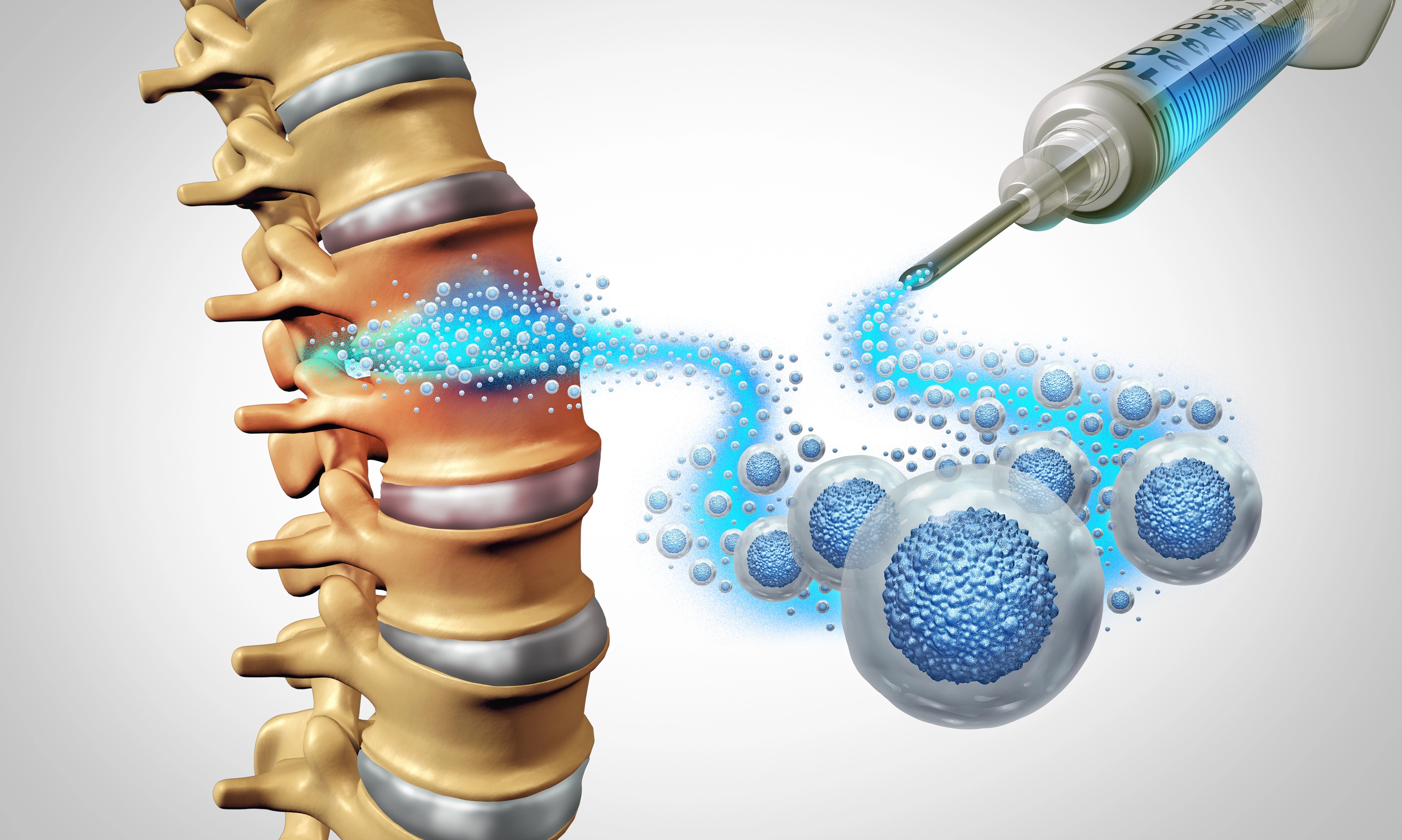
Medication may be used for short-term relief. This can include anti-inflammatory drugs or nerve-targeted pain treatments. In certain cases, injections are used to calm inflammation around the affected nerve, allowing pain to decrease enough for rehabilitation to work.
Improvement is often gradual. Many patients notice meaningful relief over several weeks as inflammation settles and movement improves.
When Surgery Becomes an Option
Surgery is not the first step for most herniated discs. It is considered when pain remains severe despite appropriate treatment, or when nerve function is threatened.
Symptoms such as worsening weakness ,difficulty walking, or changes in bladder or bowel control require urgent evaluation. In these cases, surgery may be needed to relieve pressure on the nerve and prevent permanent damage.
Decisions about surgery are made carefully. The goal is not just pain relief, but restoring function and protecting long-term mobility.
Why Early Evaluation Makes a Difference
Back pain that lingers or changes character should not be ignored. Muscle strains usually improve steadily. Disc-related pain often follows a different pattern, especially when nerve symptoms appear.
Early evaluation helps avoid unnecessary delays. It allows treatment to match the cause of pain rather than guessing. When nerve involvement is identified early, outcomes are often better and recovery more predictable.
At The Pain Free Institute, specialists take time to understand how your pain began, how it behaves, and how it affects your life. Care plans are built around clear diagnosis, not assumptions.
Also Read: How to Choose the Right Pain Management Specialist in Los Angeles
What You Can Do at Home While Waiting for Care
If symptoms are mild, simple steps can help manage discomfort. Gentle movement keeps the spine from stiffening. Avoid heavy lifting and twisting that increases pain.
Cold packs may help during the first couple of days. Heat packs can be useful later if muscles feel tight. Listen to your body. Pain that worsens or spreads deserves medical attention.
If symptoms do not improve after several days, or if new numbness or weakness appears, it is important to seek evaluation.
The following symptoms require immediate medical attention:
● Loss of bladder or bowel control
● Increasing weakness
● Spreading numbness
These can signal serious nerve compression and should be addressed promptly.
Whether pain comes from a muscle strain or a herniated disc, recovery does not end when symptoms fade. Long-term spine health depends on strength, posture, and daily habits.
Pain specialists help patients understand how movement patterns, ergonomics, and conditioning affect the spine. This knowledge reduces recurrence and supports lasting function.
Conclusion
Muscle strains and herniated discs can eel similar at first, but they behave differently and require different care.
If you are unsure what is driving your symptoms, a focused assessment can provide clarity and relief sooner rather than later.
Schedule a consultation with The Pain Free Institute to get personalized care for your back pain. We will help you understand your condition and create a plan that targets the root of your pain so you can move forward with confidence and comfort.
.png)

.png)




Medipark
Miracle Mile Surgery Center provides advanced outpatient surgical care with expert physicians and state-of-the-art facilities.
Contact Us
