.svg)









.webp)

Can Regenerative Pain Treatments Delay Surgery?
Living with chronic joint or musculoskeletal pain often feels like a count down to an operating room. Many patients hear that surgery is the only final answer to their discomfort. While surgical intervention has its place for specific structural issues, it is not always the first or only path forward.
The landscape of modern medicine is shifting. New methods that focus on the body’s natural healing processes are changing how we view tissue damage. These regenerative therapies are becoming a standard part of care for joint, tendon, and soft tissue injuries. For many individuals, these treatments offer a way to manage pain and improve how the body moves, potentially pushing back the need for invasive procedures for years or avoiding them entirely.
What Are Regenerative Pain Treatments?
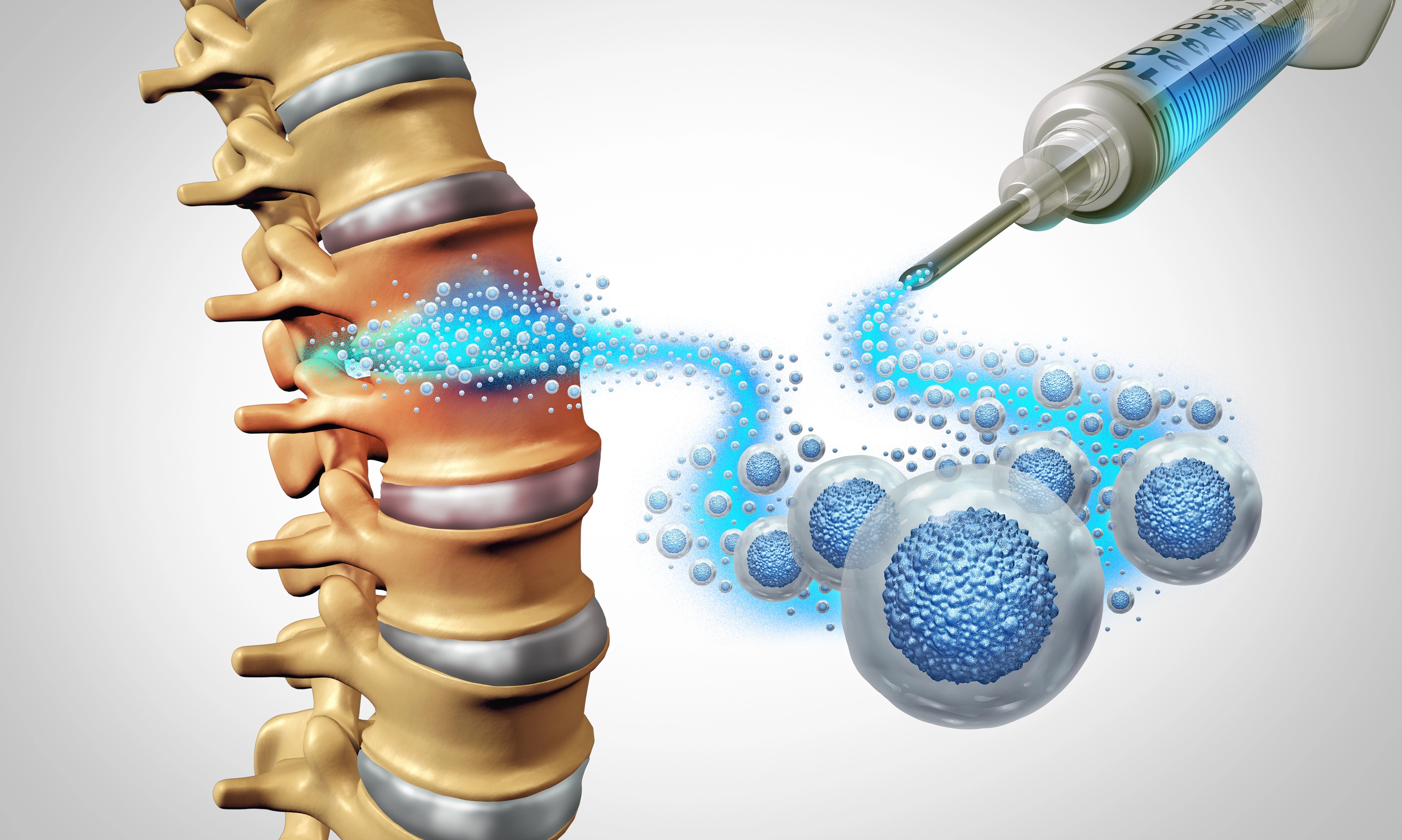
Regenerative medicine is a field focused on repair. Instead of simply masking symptoms with numbing agents or temporary fixes, these treatments aim to support the biological mechanisms that fix damaged tissue.
When an injury occurs, the body naturally sends healing cells to the site. However, in cases of chronic wear or severe tears, that natural response might be insufficient. Regenerative treatments boost this internal system. Common approaches include:
● Platelet-Rich Plasma (PRP) Therapy: This involves using a concentration of a patient’s own platelets. Platelets contain growth factors that help repair muscles, ligaments, and joints.
● Biologic Injections: These use cellular components to help reduce cartilage breakdown and support the growth of healthy new tissue.
● Tissue Regeneration Support: These are specific protocols designed to create an environment that enables the body to mend itself more effectively.
Also Read: Are PRP Injections Safe for Long-Term Joint Health
Rather than being a standalone miracle, these therapies work best as a central part of a broad pain management strategy.
Why Surgery Is Not Always the First Step
Surgery is a significant life event. While it can fix certain structural problems, it often entails long recovery times, intensive rehabilitation, and a risk of complications. Before committing to such a path, it is worth looking at the nature of the pain.
Many painful conditions are driven by inflammation, steady tissue degeneration, or overuse injuries. These issues do not always require a scalpel to find relief. By exploring non-surgical care first, patients can often maintain their mobility and address the source of their pain without the downtime associated with a hospital stay. Choosing a less invasive route allows the body to maintain its natural structural integrity while seeking a return to activity.
The Importance of Accurate Diagnosis
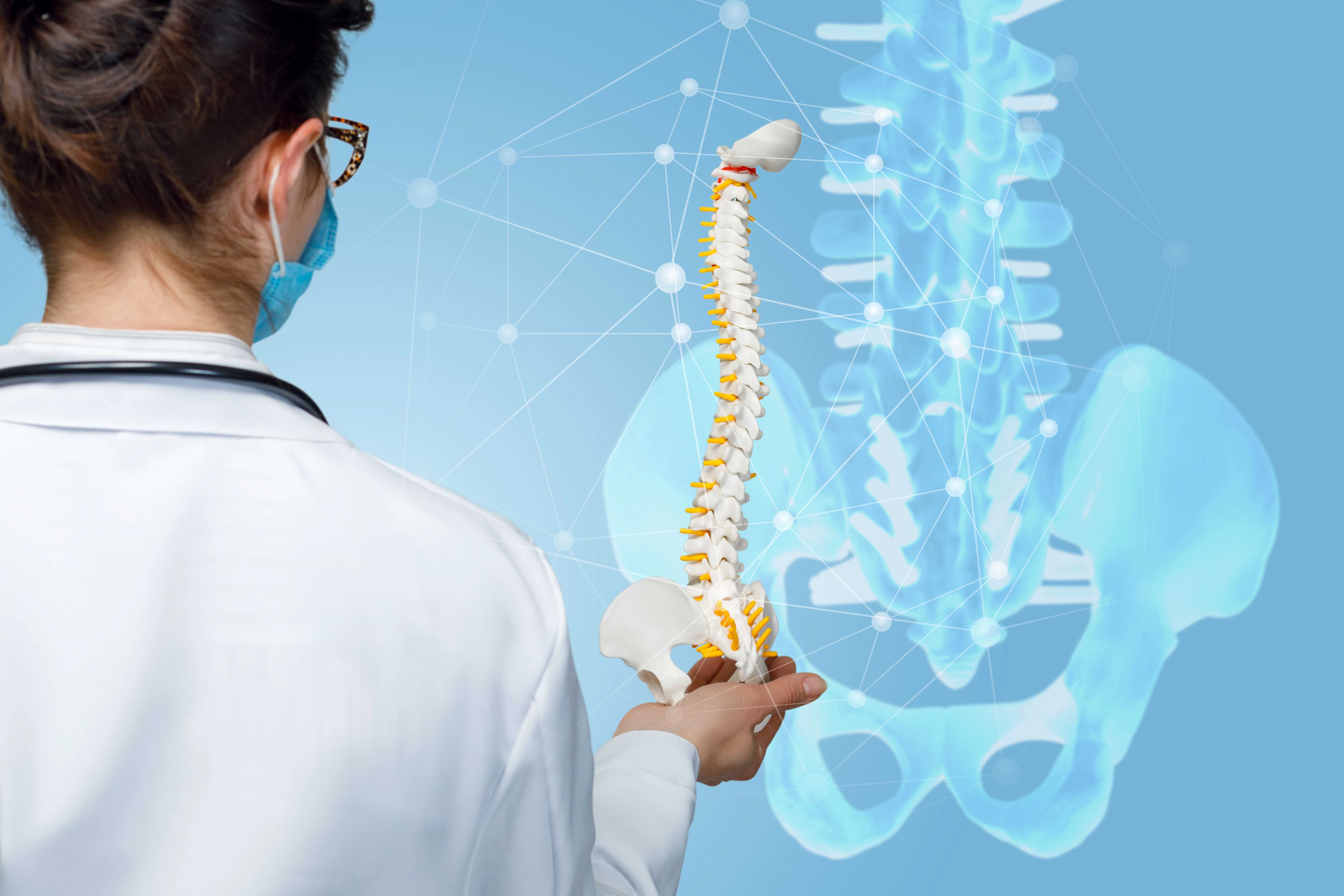
Before any treatment begins, knowing exactly what is wrong is the most significant factor in success. A one-size-fits-all guess is never enough. At The Pain Free Institute, we prioritize a diagnostic-first approach.
Understanding why a joint is failing or why a tendon remains painful requires a deep look into the individual's biology and mechanics. This evaluation typically includes:
● Detailed Physical Examination: Testing range of motion, strength, and pain points.
● Imaging Studies: Using X-rays or MRIs to see the internal structure.
● Movement and Biomechanical Assessment: Watching how the body moves as a whole to find imbalances.
● Musculoskeletal Ultrasound: A real-time look at soft tissues, nerves, and joints to see how they function during movement.
Identifying the exact source of pain ensures that regenerative treatments are applied where they will have the most impact.
How Regenerative Therapies May Support Tissue Healing
Regenerative treatments work by signaling the body to focus on a specific area of damage. In a sense, they restart a stalled healing process.
The benefits of this approach are multi-layered:
● Lowering Inflammation: By altering the chemical environment within a joint, these treatments can reduce swelling that causes daily agony.
● Improving Tissue Quality: Instead of filling a gap with scar tissue, these therapies help the body build functional, healthy fibers.
● Supporting Joint and Tendon Repair: They provide the building blocks needed for structural maintenance.
● Increasing Function: As the tissue heals, the range of motion typically increases, making daily tasks easier.
It is important to note that results are individual. The success of the treatment often depends on the severity of the damage and how the person’s body responds to the biological signals.
Also Read: Regenerative Medicine & Alternative Therapies
Conditions That May Respond to Regenerative Treatments
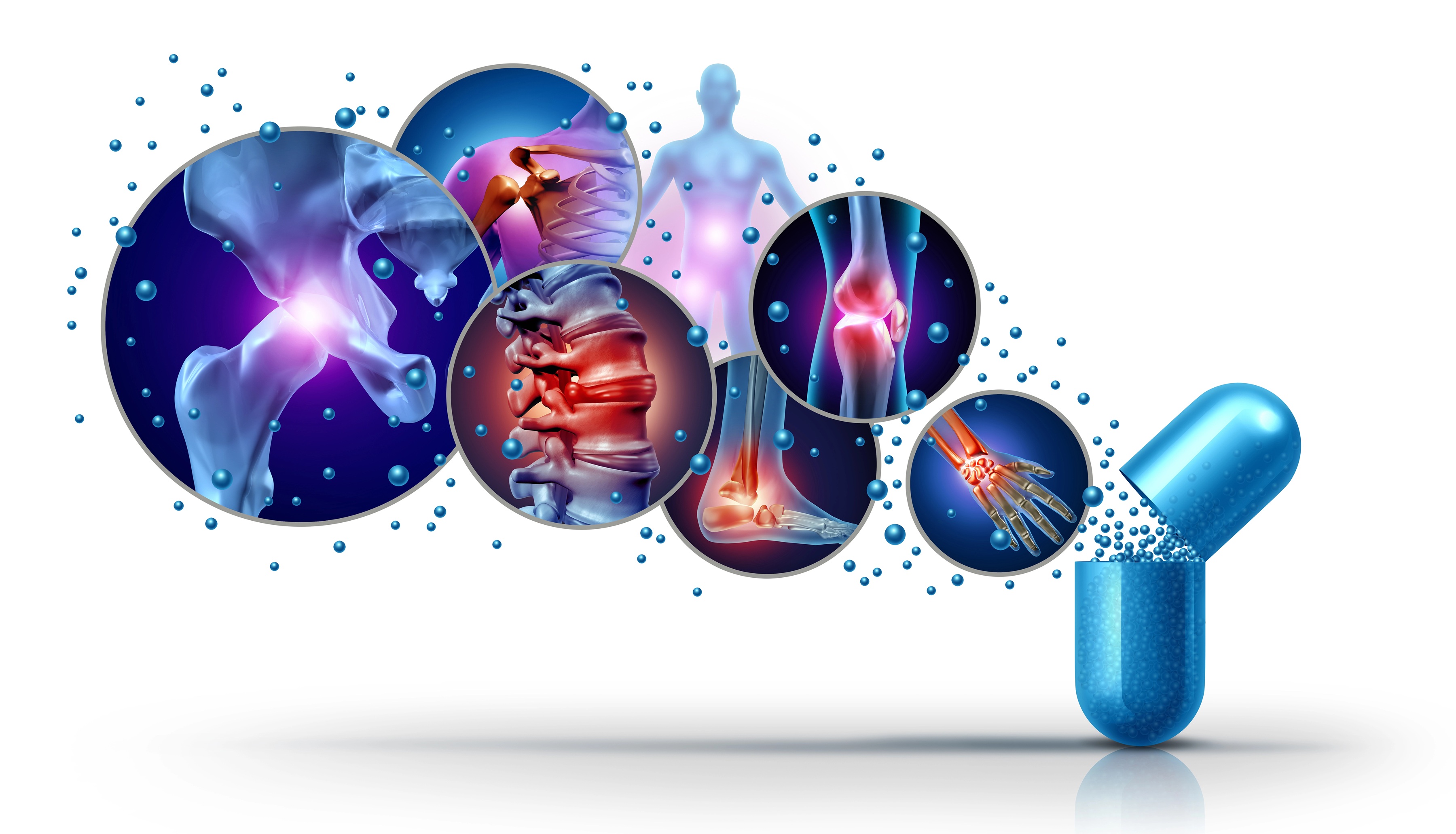
Regenerative medicine is versatile. It is frequently used for a wide range of issues that previously had few options other than rest or surgery.
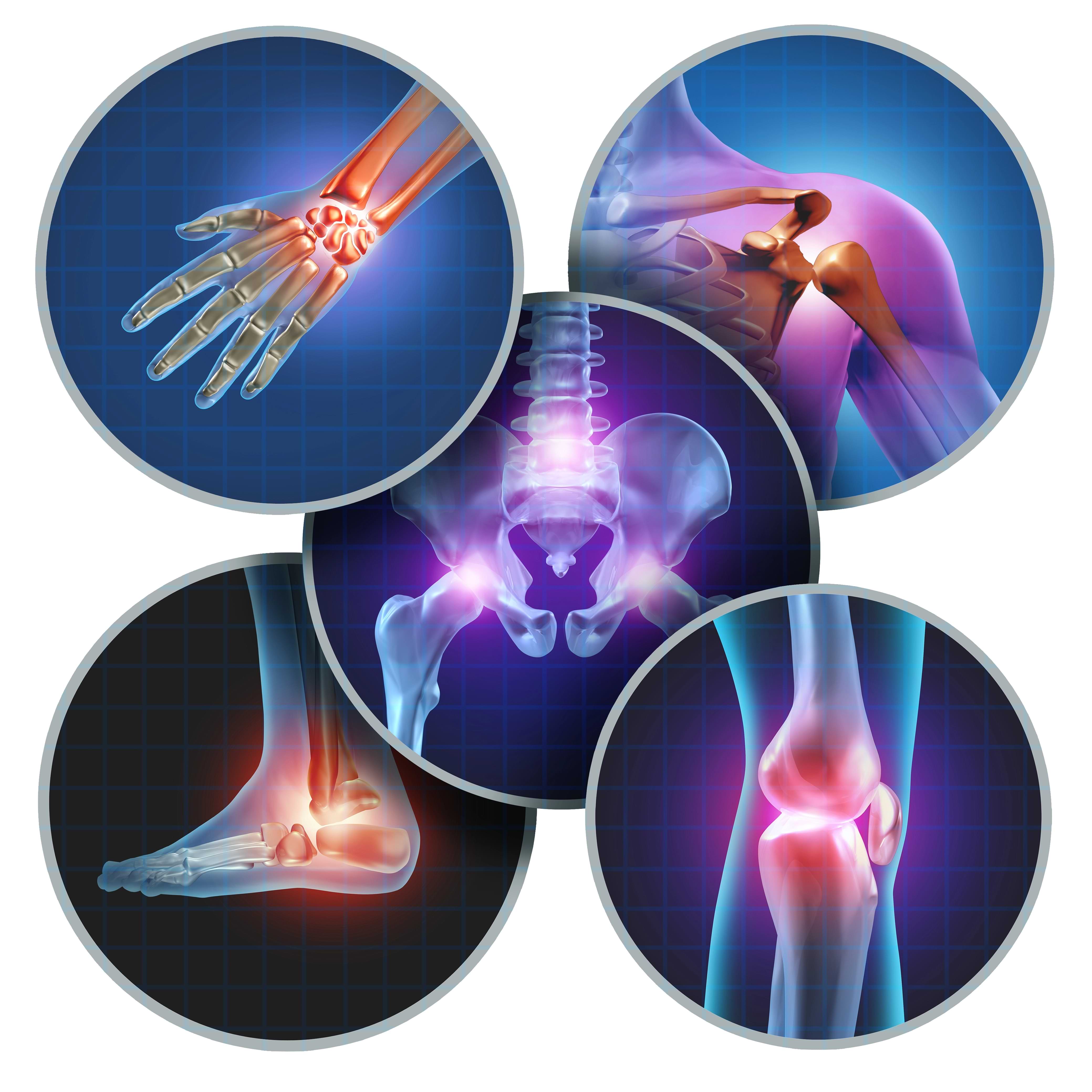
Commonly treated conditions include:
● Knee Arthritis: Helping to manage the thinning of cartilage.
● Shoulder Injuries: Addressing rotator cuff tears or labrum issues.
● Tendon Injuries: Such as tennis elbow or Achilles tendinitis.
● Ligament Injuries: Helping to tighten and stabilize lax or strained ligaments.
● Chronic Joint Pain: Providing relief for hips, ankles, and wrists.
● Sports-Related Injuries: Getting athletes back to their sport by speeding up the recovery of soft tissue.
Success depends heavily on patient selection; those with mild-to-moderate damage often see the most striking changes.
When Regenerative Treatments May Help Delay Surgery
Deciding to delay surgery is a choice made between a patient and their physician. Regenerative medicine becomes a strong candidate when:
● Degeneration is not yet bone-on-bone: Mild to moderate wear often responds better to biological repair than advanced stages.
● Patients prefer a conservative start: Many people want to see how much their body can heal on its own before choosing a permanent surgical change.
● Traditional therapies have stalled: If physical therapy and rest haven’t provided enough relief, regenerative options offer a middle ground.
● Surgery is a future possibility but not a current necessity: If a patient is too young for a joint replacement or has health factors that make surgery risky, these treatments provide a valuable bridge.
By choosing this path, many people find they can keep up their active lifestyle and push a major operation much further down the road.
Combining Regenerative Treatments With Rehabilitation
To get the best results, the newly repaired tissue must be taught how to move and support weight correctly.
A well-rounded plan often includes:
● Guided Physical Therapy: Specific movements to protect the treated area.
● Strengthening Programs: Building the muscles around a joint to take the pressure off the injury.
● Mobility Training: Restoring the natural flow of movement.
● Activity Modification: Learning how to perform tasks in ways that do not re-injure the site.
This combined approach ensures that the repair lasts and the body becomes stronger than it was before the injury.
When Surgery May Still Be Necessary
While regenerative treatments are powerful, they are not a universal fix. There are times when the structural damage is too great for the body to repair, even with a biological boost.
In cases of complete ligament ruptures, severe mechanical blocks in a joint, or advanced stage-four arthritis, surgery may remain the most reliable way to restore function. Our physicians evaluate every case with total honesty. We look at the data, imaging, and the patient’s lifestyle to determine the path that offers the best chance of a positive outcome.
A Personalized Approach to Long-Term Pain Management
Regenerative medicine represents a major shift in how we handle chronic pain. It offers a way to work with the body rather than against it. By focusing on repair and function, many patients find they can reclaim their lives without needing a hospital gown.
Every person’s journey with pain is different. Because of this, a personalized plan is the only way to ensure success. Whether the aim is to return to the golf course, play with grandchildren, or simply walk without a limp, these treatments provide a path toward those results.
If you are tired of being told that surgery is your only path, it maybe time to look at the alternatives. Our team is ready to help you understand your biology and find a solution that fits your life.
Contact The Pain Free Institute today!
.png)

.png)




Medipark
Miracle Mile Surgery Center provides advanced outpatient surgical care with expert physicians and state-of-the-art facilities.
Contact Us
