
.svg)











.webp)


Knee Osteoarthritis Relief with PRP and Shockwave Therapy
Living with knee osteoarthritis often feels like a slow retreat from the activities you love. What starts as a minor ache while climbing stairs can transform into a constant presence that dictates your daily schedule. For many, the simple act of walking through a grocery store or playing with grandchildren becomes a source of dread. When every step serves as a reminder of joint wear, the world starts to feel much smaller.
Knee osteoarthritis (OA) is incredibly common, affecting millions of adults as they age. Most people find themselves stuck in a cycle of temporary fixes. You might rely on over-the-counter pain meds or periodic cortisone injections, only to find the discomfort returning a few weeks later. These methods focus on masking symptoms rather than addressing the underlying joint breakdown.
Instead of focusing only on symptom relief, modern regenerative approaches aim to support the body’s natural healing response when it has slowed or become ineffective. By combining PRP therapy for knee osteoarthritis relief with shockwave therapy sessions, it is possible to create an environment that encourages improved tissue function and symptom reduction without relying on surgery or long-term medication use.
What Is Knee Osteoarthritis?
The Basics
Knee osteoarthritis is a degenerative wear-and-tear condition. Inside a healthy knee, a slick layer of cartilage coats the ends of the bones, allowing them to glide smoothly. In a joint affected by OA, this cartilage begins to thin andfray. As the protective barrier disappears, bone-on-bone friction occurs, leading to the structural changes that define the condition.
Common Symptoms
The signs of OA often develop slowly but become more intrusive over time:
● Pain during movement: Discomfort that worsens when you are active and improves with rest.
● Stiffness: A feeling of tightness, particularly first thing in the morning or after sitting for a long time.
● Swelling and inflammation: The joint may look puffy or feel warm to the touch.
● Reduced mobility and function: Finding it harder to fully straighten or bendy our leg.
Why It Progresses
While aging is the most frequent factor, OA isn’t just about getting older. Previous injuries, such as a torn ligament or meniscus, can change how the joint moves, accelerating wear. Additionally, poor joint mechanics or alignment put uneven pressure on certain parts of the knee, causing the cartilage to break down faster than the body can repair it.
Also Read: Can Knee Injections Improve Mobility Without Surgery?
Why Traditional Treatments Often Fall Short
The standard medical model for knee pain often follows a predictable, yet frustrating, path. Pain medications provide a few hours of ease but do nothing to stop the degeneration of the joint. Cortisone injections can reduce inflammation, but repeated use may weaken the remaining cartilage over time.
When these fail, surgery is often presented as the only remaining path. Knee replacement is a major procedure with high costs, risks, and months of recovery. The missing piece in this traditional approach is a focus on regenerating damaged tissue. Most standard care handles the knee like a mechanical part that needs lubrication or replacement, rather than a living tissue capable of healing under the right conditions.
PRP Therapy for Knee Osteoarthritis
What Is PRP?
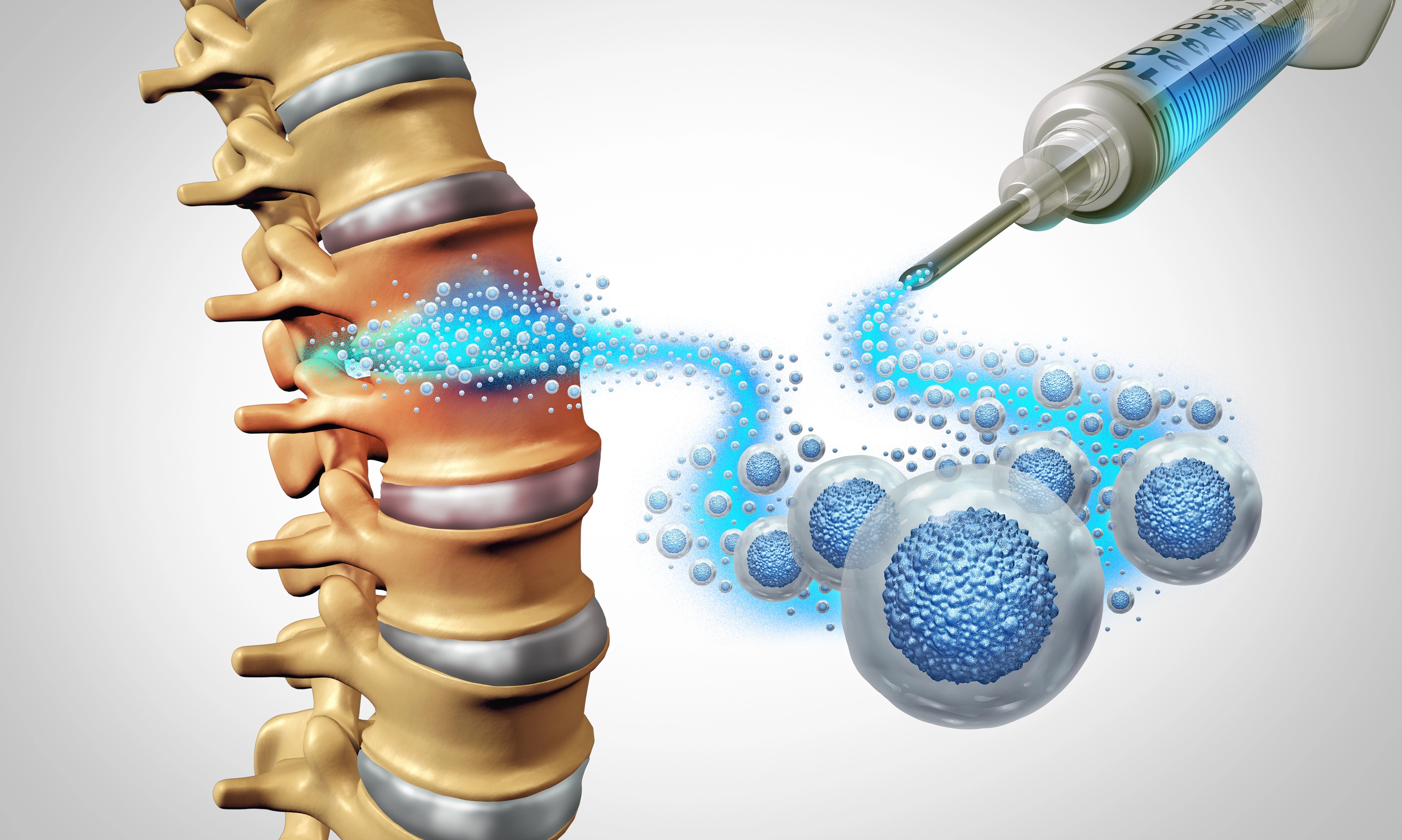
PRP therapy for knee osteoarthritis treatment in Los Angeles utilizes the healing components found within your own blood. Platelet-Rich Plasma is created by taking a small sample of your blood and concentrating the platelets through a centrifuge process. These platelets are then injected into the knee joint. Depending on the location and complexity, injections may be performed with ultrasound guidance when necessary, while larger joint spaces such as the knee can often be treated with precision without ultrasound.
How PRP Helps the Knee
When this concentrated plasma is injected into the knee, it delivers a massive dose of growth factors directly to the site of the damage. Understanding how PRP helps knee cartilage and joint pain is simple:
● Reduces inflammation: It helps shift the joint environment from a state of breakdown to a state of repair.
● Stimulates cartilage repair: The growth factors signal local cells to increase their repair activity.
● Improves lubrication: PRP can help the joint produce better synovial fluid, reducing friction.
Benefits for OA Patients
Asa non-surgical treatments for knee osteoarthritis, PRP is minimally invasive. Because it uses your own biological material, the risk of an adverse reaction is extremely low. For those looking for regenerative knee therapy, PRP offers a way to potentially slow the progression of the disease and delay the need for aggressive surgical intervention.
Shockwave Therapy for Knee Pain
How Shockwave Therapy Works
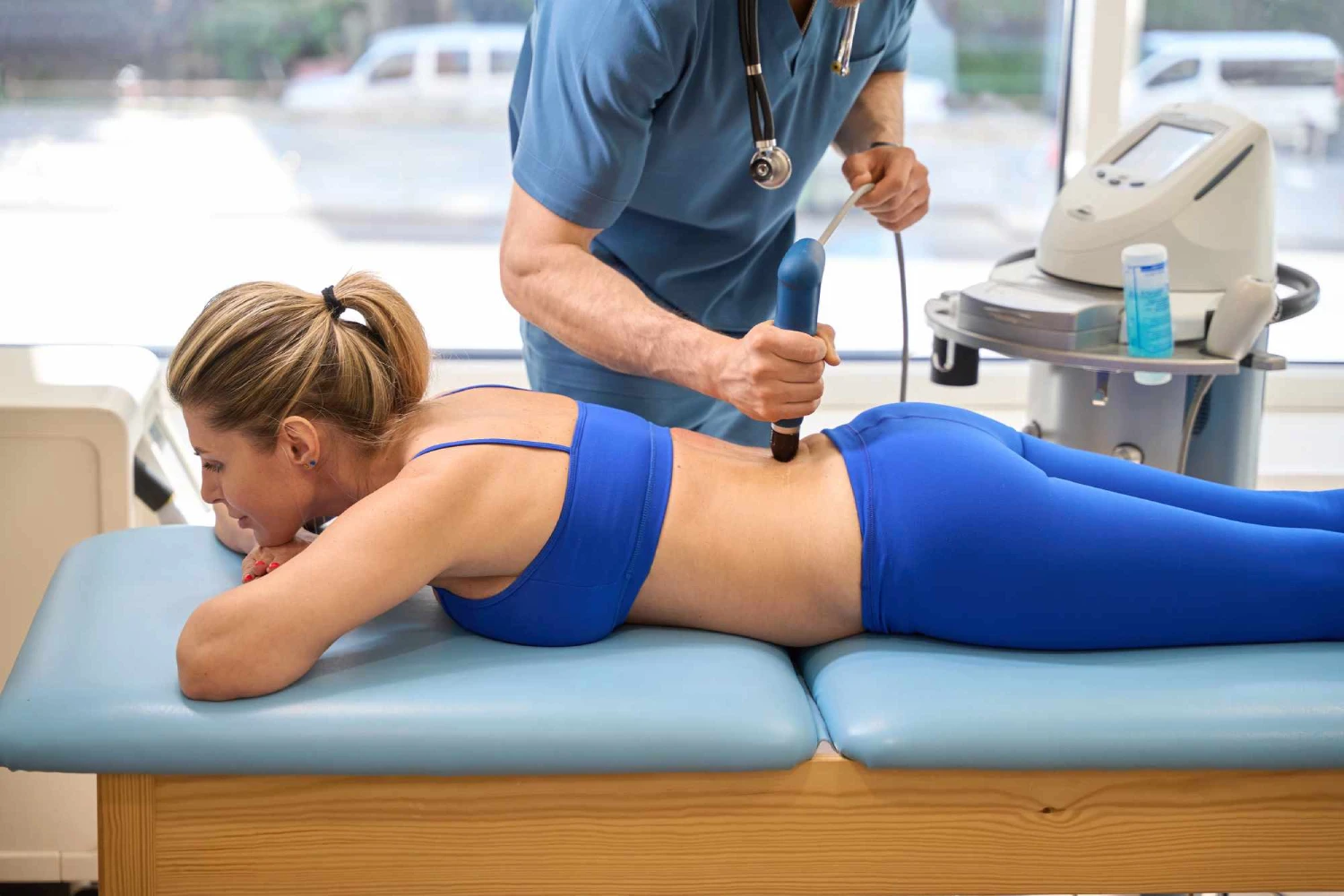
Shockwave therapy for knee pain and arthritis uses acoustic waves to treat the joint. These are not electrical shocks; they are high-energy sound pulses that travel through the skin to reach the deep tissues of the knee.
Effects on the Knee Joint
Shockwave therapy for knee pain and arthritis uses acoustic waves to treat the joint. These are not electrical shocks; they are high-energy sound pulses that travel through the skin to reach deeper tissues. This process creates controlled micro stress within the tissue, which stimulates circulation, activates cellular repair mechanisms, and helps restart healing in areas where it has slowed or stalled.
● Increases blood flow: It encourages the growth of new micro-vessels in areas that usually have poor circulation.
● Breaks up chronic inflammation: It helps clear out the chemical signals that keep the joint in a constant state of pain.
● Promotes cellular repair: The mechanical energy triggers cells to produce collagen and other proteins needed for structural integrity.
Benefits for Osteoarthritis
This is an excellent osteoarthritis treatment because it requires no downtime. Sessions are quick, and patients can usually walk out and resume their day immediately. This treatment requires no downtime, is drug-free, and allows patients to return to daily activity immediately after each session.
Also Read: Why Shockwave Therapy Is Becoming a Go-To Choice for Chronic Pain Relief
Why Combining PRP and Shockwave Therapy Is More Effective
The Synergistic Effect
While both therapies are strong on their own, combining PRP and shockwave therapy in Los Angeles provides a multi-layered approach to healing. Shockwave therapy helps stimulate circulation and cellular activity within the knee, creating amore responsive environment for healing. When PRP is introduced, it delivers concentrated biological factors that support tissue repair.
What This Means for Patients
When comparing PRP vs. shockwave therapy for knee arthritis, it is helpful to view them as partners. Shockwave clears the path and improves blood flow, while PRP provides the raw materials for repair. This often results in faster pain relief and a more significant improvement in mobility than using either treatment in isolation.
What to Expect from Treatment
Initial Evaluation
Your journey begins with a look at the current health of your knee. We look at your imaging, your range of motion, and how the pain affects your gait. This allows for a plan that fits your specific level of joint wear.
Treatment Process
Typically, a patient will undergo a series of shockwave sessions to prepare the tissue. The PRP injections are then scheduled at specific intervals to maximize there generative window. These are in-office procedures that do not require general anesthesia.
Recovery Timeline
Healing is a process. While some patients feel a decrease in stiffness quickly, the structural gains happen over weeks and months. As the tissue becomes healthier, you will likely find it easier to engage in physical therapy or daily exercise, which further supports the joint.
Also Read: Shockwave Therapy vs Injections: Which Is Better for Pain Relief?
Who Is a Good Candidate?
This approach is ideal for those with mild to moderate osteoarthritis treatment needs. If you have chronic knee pain that hasn't responded to ice, rest, or basic physical therapy, you may be an excellent candidate. It is especially popular among active individuals who want to stay on the court, the field, or the trail without undergoing surgery. It provides a non-opioid solution for those wary of the risks associated with long-term painkiller use.
Benefits of Non-Surgical Knee OA Treatment
Choosing a non-surgical path means avoiding the risks of infection, blood clots, and scarring associated with the operating room. There is minimal downtime, meaning you don't have to put your life on hold for months of rehab. Most importantly, it supports the long-term health of the joint by working with your body’s natural biology.
When to Seek Treatment
You should consider specialized care if your knee pain has lasted for several months or if you find yourself sitting out of activities you used to enjoy. If your quality of life is declining because you can’t trust your knees, it is time to look beyond temporary fixes.
A Smarter Path to Knee Pain Relief
Knee osteoarthritis doesn’t have to mean an inevitable slide toward surgery. By using PRP therapy and shockwave technology, you can address the root causes of your discomfort. This combination offers a targeted and natural way to restore function.
Schedule a consultation at The Pain Free Institute today. Get a personalized plan to restore knee function and reduce pain through the latest in regenerative care.
.png)

.png)




Medipark
Miracle Mile Surgery Center provides advanced outpatient surgical care with expert physicians and state-of-the-art facilities.
Contact Us
