
.svg)












.webp)

Can Knee Injections Improve Mobility Without Surgery?
Living with knee pain often feels like navigating the world with a heavy weight attached to your leg. Simple movements, like climbing stairs or getting out of a car, become obstacles. For many people in Los Angeles, the fear of a long recovery or the risks associated with surgery delay seeking care. Fortunately, modern pain management offers several ways to improve movement without immediately turning to the operating room.
At The Pain Free Institute, we see patients every day who want to stay active but need alternatives to surgery. Knee pain relief today is less about masking symptoms and more about restoring movement while preserving joint health for the long term.
Why So Many Patients Want a Non-Surgical Option
Interest in non-surgical knee treatment has grown steadily. Most patients want to avoid the down time associated with major procedures, which can involve weeks away from work and months of rehabilitation.
Many individuals are also not ideal candidates for joint replacement. In some cases, arthritis has not progressed far enough to justify surgery. In others, medical conditions or life style factors make surgery a less appealing option. This has shifted attention toward office-based treatments that can reduce pain, support mobility, and fit into a longer-term care plan rather than a single irreversible step.
Common Causes of Knee Pain and Stiffness
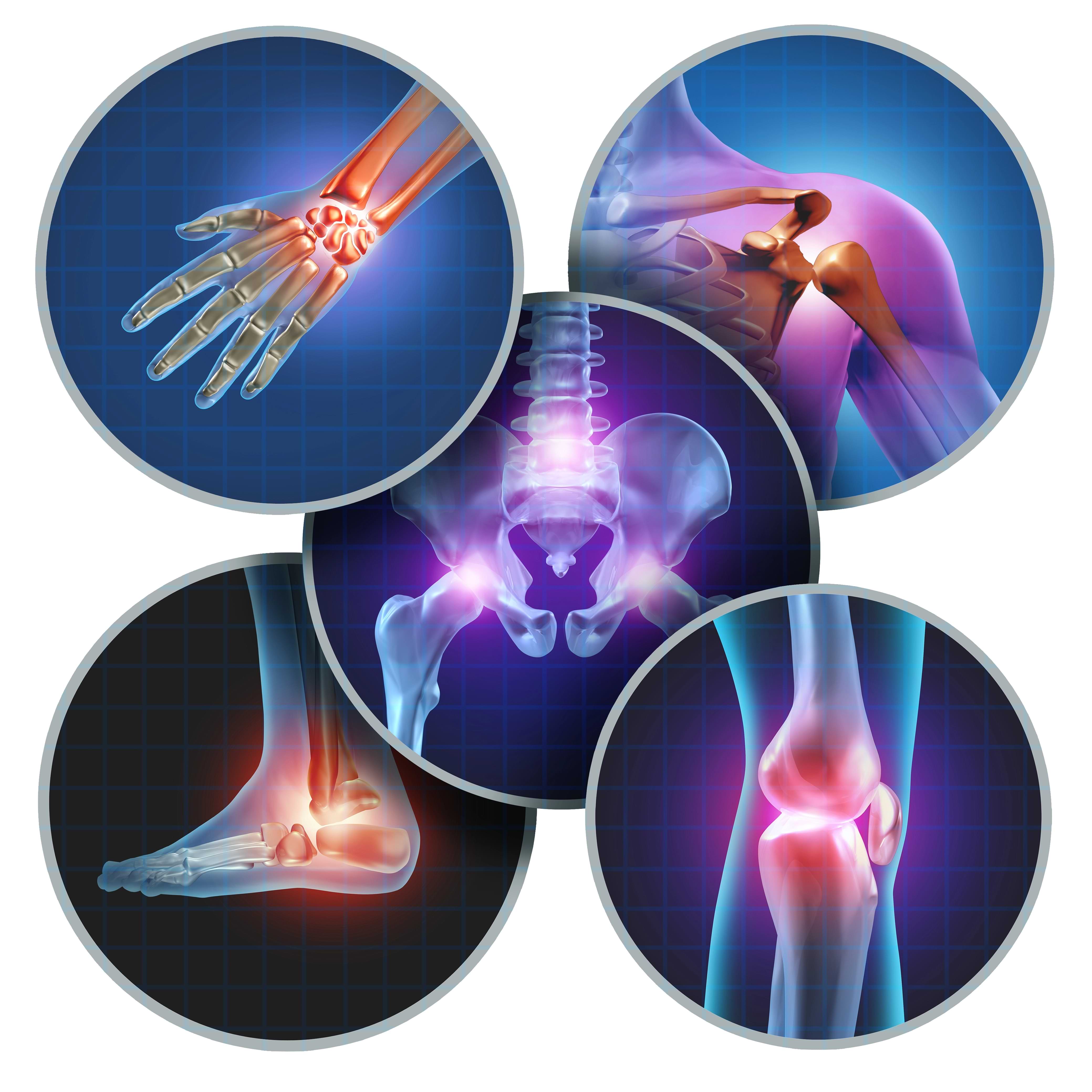
Understanding how injections work starts with understanding what causes knee pain. The knee is a weight-bearing joint subjected to constant mechanical stress. Over time, several issues can contribute to pain and stiffness:
● Osteoarthritis: The most common cause of chronic knee pain. It occurs when cartilage gradually wears down, reducing cushioning between the bones.
● Overuse and Inflammatory Conditions: Repetitive stress can irritate tendons, ligaments, or bursae, leading to swelling and restricted motion.
● Post-Injury Changes: Even after a tear or ligament sprain has healed, residual inflammation or altered mechanics can persist.
● Age-Related Changes: Joint fluid may thin with age, increasing friction and contributing to stiffness during movement.
What Knee Injections Are Designed to Do
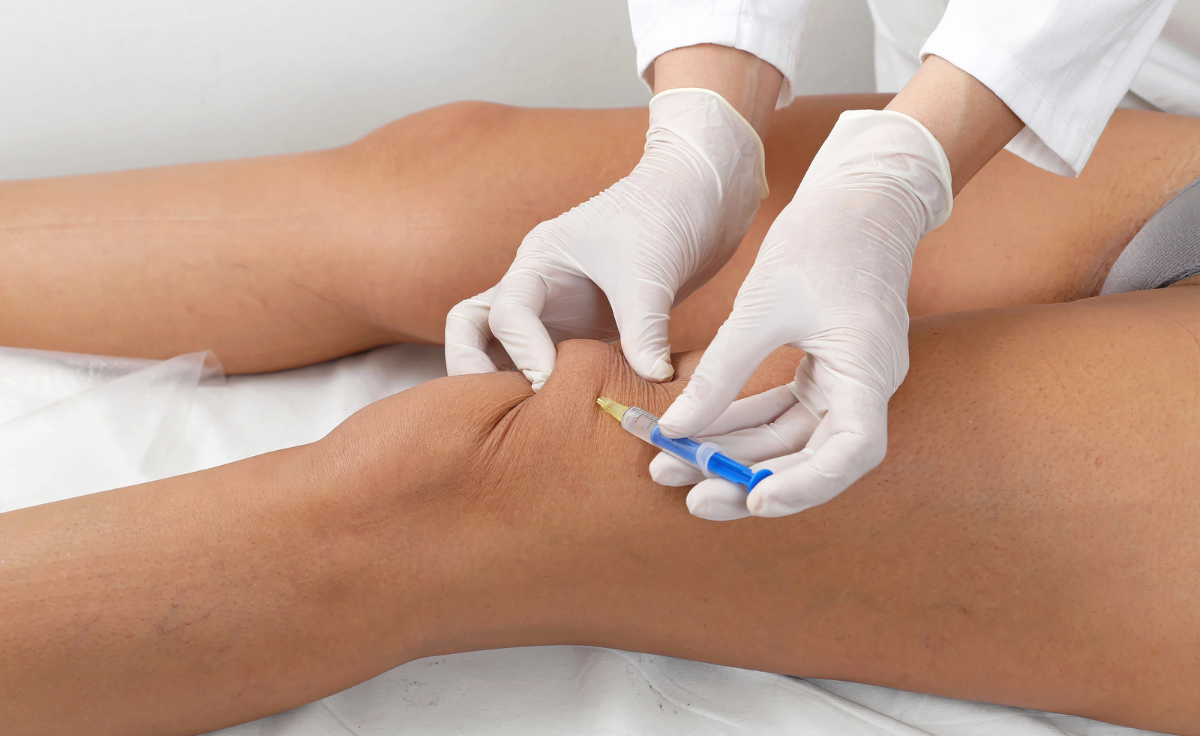
When patients ask whether knee injections can improve mobility without surgery, the answer depends on how they affect the joint environment. These treatments are not cures, but they can meaningfully change how the knee functions day to day. Injections are designed to:
● Reduce inflammation, which contributes to stiffness and pain
● Improve joint lubrication, decreasing mechanical friction
● Calm pain signaling, allowing more natural movement
● Limit downtime, so patients can remain active and engaged in rehabilitation
Types of Knee Injections
No two knees are the same, which is why treatment is individualized. Imaging, exam findings, and symptom patterns guide the choice.
● Cortisone: Corticosteroid injections reduce inflammation quickly. They can be useful for acute flare-ups or significant swelling. While they do not repair cartilage, they may create a window for improved movement and participation in therapy.
● Hyaluronic Acid: In healthy joints, synovial fluid cushions and lubricates movement. In osteoarthritis, this fluid becomes thinner. Hyaluronic acid injections aim to restore some of that lubrication, helping reduce friction and stiffness over time.
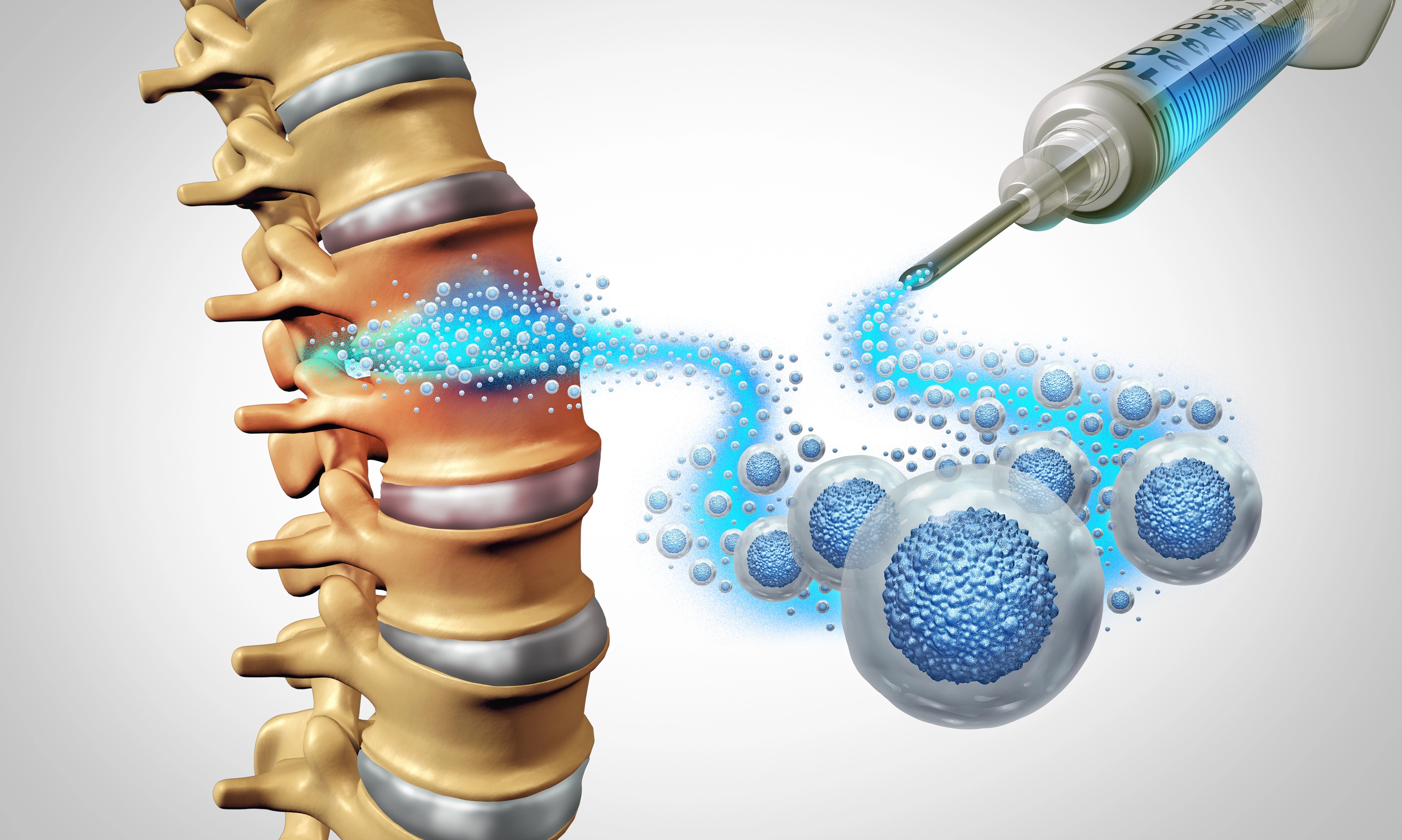
● PRP (Platelet-Rich Plasma): PRP is a regenerative treatment that uses a patient’s own blood. Platelets are concentrated and injected into the joint to support tissue health and reduce irritation. PRP does not regrow advanced cartilage loss, but it may help slow progression and improve function in earlier stages.
Also Read: PRP vs. Cortisone: Which Injection Works Better for Long-Term Pain Relief?
How Injections Improve Mobility
Pain alters movement. When the body anticipates discomfort, it limits range of motion to protect itself—a pattern known as guarding. Over time, this leads to further stiffness and weakness. Injections can help interrupt this cycle.
● Reduced pain during movement allows for a more natural gait
● Less stiffness improves comfort after sitting or waking up
● Improved range of motion supports functional activities
● Better tolerance for physical therapy strengthens surrounding muscles and supports long-term joint stability
What Results Can Patients Expect?
Results vary depending on the injection type and underlying condition. Cortisone may provide faster relief, while hyaluronic acid and PRP often work more gradually. Benefits commonly last several months, and some patients benefit from periodic treatments as part of an ongoing plan.
Injections do not reverse severe joint degeneration, but they can delay surgery and improve quality of life when used appropriately.
Who Is a Good Candidate?
Non-surgical knee treatment may be appropriate if:
● Arthritis is mild to moderate
● Pain limits activity or sleep
● Conservative measures have not helped
● Surgery is not desired or not yet appropriate
● Maintaining mobility and independence is apriority
When Injections May Not Be Enough
Honest care includes recognizing limits. Injections may offer only limited benefit in advanced, end-stage arthritis or in cases involving major structural damage such as complete ligament tears or loose bone fragments. In these situations, surgical consultation may be necessary.
A thorough exam and imaging help clarify when conservative care is no longer sufficient. If surgery becomes the best option, we help patients navigate that transition thoughtfully.
Also Read: Regenerative Medicine & Alternative Therapies
What a Proper Knee Injection Program Includes
Successful out comes depend on more than the injection itself. At The Pain Free Institute, care includes:
● Accurate diagnosis using imaging and clinical evaluation
● Image-guided techniques such as ultrasound or fluoroscopy when appropriate
● Thoughtful treatment selection based on goals and joint condition
● Post-treatment guidance to support healing and mobility
Conclusion
Knee pain does not have to define your daily life. You do not have to choose between ongoing discomfort and immediate surgery. Non-surgical knee pain treatments offer a measured, evidence-based path that supports movement while preserving future options.
If stiffness or pain is limiting your activity and you want to understand whether knee injections in Los Angeles are appropriate for you, our team is here to help guide that decision with clarity and care.
Schedule a consultation to discuss your knee pain and explore non-surgical treatment options tailored to your needs.
.png)

.png)





Medipark
Miracle Mile Surgery Center provides advanced outpatient surgical care with expert physicians and state-of-the-art facilities.
Contact Us
