









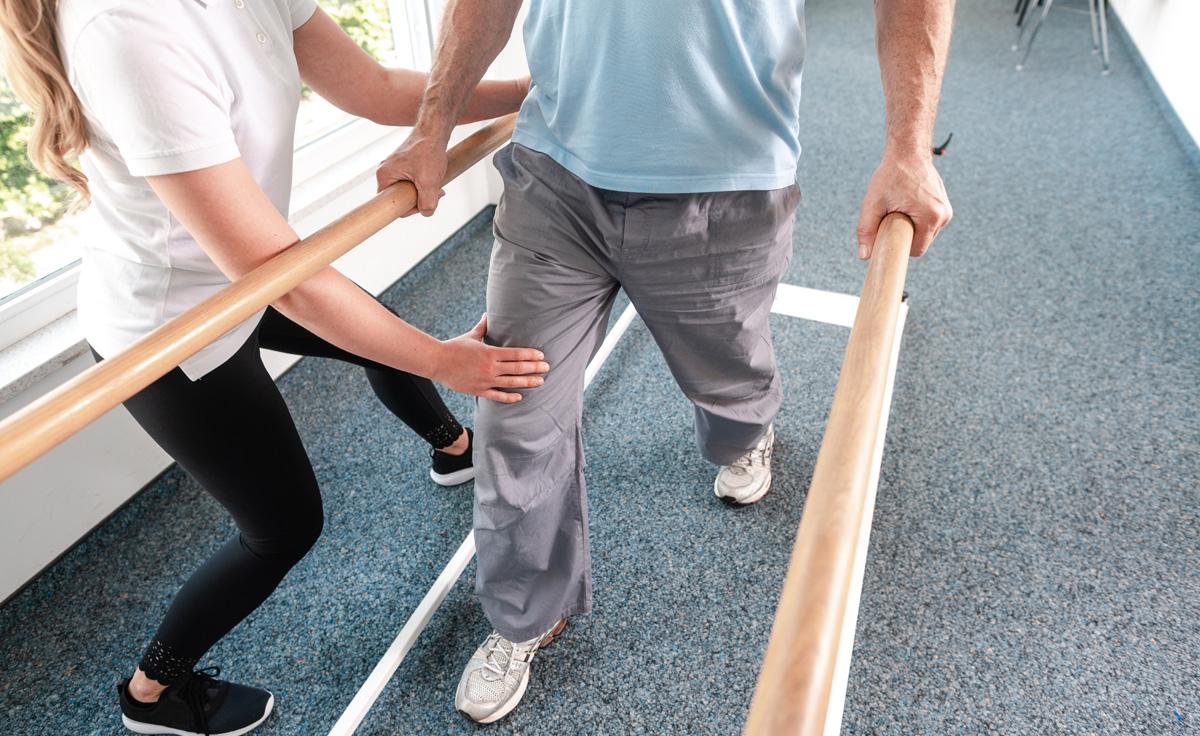
When Joint Pain Returns After Physical Therapy
Completing physical therapy can be an important milestone. You may regain strength, improve mobility, return to normal activities, and feel that your joint pain is finally behind you. But sometimes, weeks or months later, the pain begins to return.
If you are experiencing joint pain after physical therapy, you may wonder whether something went wrong. The answer is not necessarily. Joint pain returns after physical therapy for many possible reasons, including renewed stress on the joint, reinjury, an underlying condition that remains active, changes in activity, or a need for additional evaluation or treatment.
In other words, recurring symptoms do not automatically mean that physical therapy failed. They may indicate that the joint needs to be reassessed and that the next phase of care should be adjusted.
Why Does Joint Pain Return After Physical Therapy?
There are several possibilities, and the cause can vary significantly depending on the joint involved and the original diagnosis.
One possibility is that the underlying condition has not completely resolved. Physical therapy may improve strength, mobility, and function without eliminating an underlying condition such as osteoarthritis or another structural or inflammatory problem.
For example, osteoarthritis can cause ongoing joint pain, stiffness, swelling, and reduced mobility. Although symptoms can be managed, the condition itself may continue over time. Physical activity, self-management, and physical therapy can help manage osteoarthritis symptoms and improve function.
Another possibility is that the joint has been exposed to more stress after rehabilitation. Returning to sports, physically demanding work, repetitive movements, or a higher level of exercise can sometimes reproduce symptoms.
Reinjury is another potential factor. A new injury or recurrence of an earlier problem may cause symptoms to return even after a successful period of rehabilitation.
There can also be a difference between temporary soreness after increased activity and pain that continues, worsens, or repeatedly returns. Persistent or recurrent symptoms warrant attention rather than automatically assuming that more of the same exercise is the answer.
Also Read: What to Expect From a Personalized Chronic Pain Evaluation
What Should You Do When Joint Pain Comes Back After PT?
Start by paying attention to what has changed.
Consider when the pain returned, where it is located, what activities trigger it, and whether there are other symptoms such as swelling, stiffness, weakness, or reduced range of motion.
If you are experiencing joint pain after completing physical therapy, a reassessment can help determine whether the original diagnosis and treatment approach still make sense.
A clinician may consider:
- The location and character of the pain
- When symptoms occur
- Recent changes in exercise or activity
- Previous injuries
- Range of motion
- Strength and stability
- Swelling or other physical changes
- How symptoms affect daily activities
- Whether the original condition may still be contributing to symptoms
This does not necessarily mean that you need to start over with physical therapy. Depending on the situation, the next steps after physical therapy for joint pain could include modifying an existing exercise program, temporarily changing activity levels, obtaining additional evaluation, or considering another appropriate treatment approach.
The goal of pain management should be to address both symptoms and function while considering the underlying cause.
Common Causes of Persistent Joint Pain After Rehabilitation
There are many possible causes of persistent joint pain after physical therapy, and identifying the cause requires looking at the individual circumstances rather than assuming that one explanation applies to everyone.
Osteoarthritis
Osteoarthritis is a common cause of chronic joint symptoms. It can affect the knees, hips, hands, and other joints and may cause pain, stiffness, swelling, and reduced mobility. Repetitive joint stress and previous injury can increase the risk of developing osteoarthritis.
Physical therapy can help strengthen muscles around an affected joint and improve function, but it does not necessarily eliminate the underlying condition.
Reinjury or Overuse
A joint may feel better after rehabilitation and then become painful again after a sudden increase in activity.
Returning too quickly to demanding exercise, repetitive work, or sports can place more stress on tissues that have not fully adapted to the new workload.
This is one potential explanation for joint pain that returns after rehab.
An Unresolved or Different Problem
Sometimes the original source of pain may not have been the only contributor.
An individual may have more than one issue affecting the same region, or symptoms may change over time. Persistent pain may therefore warrant a fresh evaluation rather than simply repeating the previous rehabilitation plan.
Changes in Activity or Movement
Changes in exercise technique, workload, body mechanics, or daily activity can influence symptoms.
A rehabilitation program may improve strength and movement, but returning to old movement patterns or suddenly increasing activity can potentially place renewed stress on the joint.
For this reason, recurring joint pain should be considered in the context of what has changed since the initial recovery.
Treatment Options for Recurring Joint Pain
What causes persistent joint pain after rehabilitation? The answer influences which treatment may be appropriate.
There is no single treatment for recurring joint pain that works for every patient. Treatment depends on the affected joint, underlying condition, severity of symptoms, previous treatment, overall health, and individual goals.
For some patients, returning to a modified rehabilitation program may make sense. Physical therapy can be useful for strengthening muscles around affected joints and improving function in conditions such as osteoarthritis.
Other non-surgical strategies may include:
- Activity modification
- Targeted exercise
- Strength and mobility work
- Physical therapy
- Self-management strategies
- Appropriate pain-management approaches
- Other conservative interventions based on the underlying condition
The important question is not simply which treatment is most commonly used, but whether it is appropriate for the patient's condition. In some situations, additional diagnostic evaluation may be more useful than simply repeating the same treatment.
Also Read: PRP vs. Cortisone Shots: Which Is Better for Joint Pain?
When Does Joint Pain Need to Be Reassessed?
Pain that repeatedly returns deserves attention, particularly when it begins interfering with normal activities.
The Pain Free Institute recommends medical evaluation when joint pain is getting worse, keeps coming back, affects normal activities or sleep, or does not improve with appropriate self-care.
You should also seek prompt medical attention for concerning symptoms.
These can include significant swelling, a hot or red joint, fever or feeling generally unwell, sudden severe pain, or difficulty moving the joint. Sudden severe joint pain accompanied by a hot, swollen joint and fever can be a sign of joint infection and requires urgent evaluation.
After a significant injury, severe pain or an inability to walk or put weight on the affected joint can also warrant urgent medical attention.
These symptoms do not necessarily indicate a specific diagnosis, but they are reasons not to simply continue exercising through the pain without evaluation.
What to Expect After Joint Pain Returns
If your joint pain returns after physical therapy, the next step does not necessarily have to be another lengthy rehabilitation program.
The appropriate approach depends on why the symptoms returned. Recovery timelines can vary considerably.
The goal may be less about eliminating every sensation of discomfort immediately and more about improving meaningful aspects of function, such as mobility, strength, activity tolerance, and the ability to participate in daily life.
For chronic conditions such as osteoarthritis, ongoing management may be necessary rather than a single episode of treatment. Physical activity and self-management can help manage osteoarthritis symptoms, while physical therapy may help strengthen muscles around affected joints.
This is why joint recovery should be viewed as an individualized process rather than a fixed timeline.
Can Joint Pain Return After Successful Physical Therapy?
Yes.
Improvement during physical therapy can be meaningful even if symptoms later return. Successful rehabilitation may have improved strength, mobility, function, or tolerance for activity without permanently eliminating every factor capable of producing pain.
For example, someone may successfully rehabilitate an injured knee and return to activity but later develop symptoms after increasing their exercise volume. Someone with osteoarthritis may also experience periods of improvement followed by recurring symptoms.
A return of pain therefore does not automatically mean that previous treatment was unsuccessful.
Instead, it may be useful to ask what changed, whether the underlying condition is still present, and whether the current treatment plan needs to be modified.
Also Read: Can RFA Help Facet Joint Pain When Injections Stop Working?
Exploring Joint Pain Treatment in Los Angeles
If joint pain has returned despite physical therapy, another evaluation can help clarify what may be contributing to your symptoms before deciding what comes next. At The Pain Free Institute in Los Angeles, we evaluate persistent and recurring pain in the context of your previous treatment, current symptoms, activity level, and goals to determine which options may be appropriate.
If you are looking for non-surgical treatment for recurring joint pain in Los Angeles, contact The Pain Free Institute to learn more about available treatment and consultation options.
Frequently Asked Questions
Why does joint pain return after physical therapy?
Possible reasons include an unresolved underlying condition, reinjury, increased activity, repetitive stress, changes in movement, or another issue affecting the joint. A return of symptoms does not automatically mean physical therapy was unsuccessful.
What should I do if joint pain comes back after PT?
Pay attention to when the symptoms returned, what activities trigger them, and whether you have swelling, weakness, stiffness, or reduced mobility. If the pain persists, worsens, or interferes with normal activities, consider professional reassessment.
Why does my joint still hurt after physical therapy?
Physical therapy can improve strength, mobility, and function without necessarily resolving every underlying source of pain. Conditions such as osteoarthritis may continue to produce symptoms even when rehabilitation has been helpful.
Can joint pain return after successful physical therapy?
Improvement during rehabilitation does not necessarily mean that every underlying contributor to pain has permanently resolved. Symptoms can recur following changes in activity, reinjury, or progression of an underlying condition.
What causes persistent joint pain after rehabilitation?
Potential contributors include osteoarthritis, reinjury, overuse, recurring inflammation, an unresolved condition, or changes in activity and movement. The specific cause cannot be determined from symptoms alone and may require clinical evaluation.
When should I seek treatment for recurring joint pain?
Consider professional evaluation if pain keeps returning, is getting worse, interferes with sleep or normal activities, or does not improve with appropriate self-care. Seek urgent care for severe sudden pain, a hot or swollen joint with fever, or an inability to move or bear weight on the joint.
What are the next steps after physical therapy for joint pain?
The next steps after physical therapy for joint pain depend on why symptoms returned. Options may include modifying rehabilitation, changing activity levels, reassessing the diagnosis, addressing an underlying condition, or considering another appropriate treatment approach. A professional evaluation can help determine which direction makes sense for the individual.







Medipark
Miracle Mile Surgery Center provides advanced outpatient surgical care with expert physicians and state-of-the-art facilities.
Contact Us
