










Non-Invasive Options for Chronic Muscle and Soft Tissue Pain
Living with persistent muscle or soft tissue pain can affect nearly every part of daily life. Pain may interfere with sleep, exercise, work, mobility, and the activities you normally enjoy. When symptoms continue despite rest or basic self-care, many patients begin looking for alternatives to surgery or other invasive procedures.
The good news is that there are multiple non-invasive pain treatment approaches that may help manage chronic symptoms, depending on what is causing the pain. Current clinical guidance supports approaches such as exercise therapy, physical therapy, rehabilitation, manual therapies, and other non-pharmacologic strategies for appropriate chronic pain conditions.
The key is identifying the likely source of the pain first. Chronic muscle pain, tendon problems, fascia-related symptoms, and other forms of soft tissue pain can have different causes and may require different treatment strategies.
What Causes Chronic Muscle and Soft Tissue Pain?
There is no single answer because persistent pain can develop for many different reasons.
Common contributors can include muscle strains, repetitive stress, overuse, previous injuries, changes in movement patterns, inflammation, and other musculoskeletal conditions. Pain may also involve structures beyond the muscles, including tendons, ligaments, fascia, and joints.
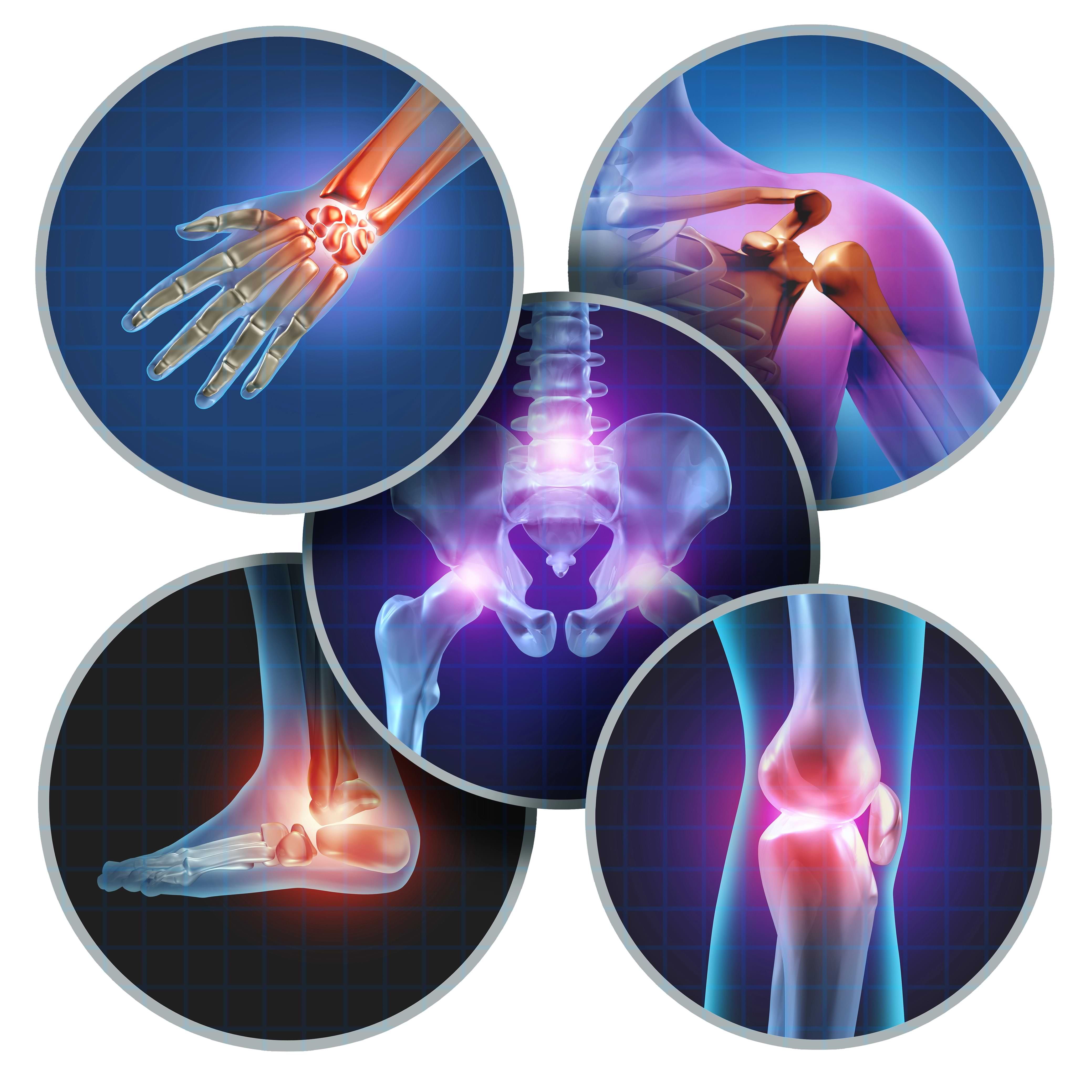
The term musculoskeletal pain encompasses pain affecting muscles, bones, joints, tendons, ligaments, and related structures. Understanding which tissues may be involved can help guide treatment.
The appropriate approach can differ considerably depending on how symptoms developed. Pain following an injury, for example, may call for a different rehabilitation strategy than symptoms that developed gradually through repetitive activity. Similarly, persistent pain associated with an underlying condition may require treatment directed at that condition rather than simply treating the sensation of pain.
Chronic pain can also influence movement. Avoiding activities because they hurt may gradually reduce physical activity, potentially affecting strength, mobility, and confidence in movement.
That does not mean chronic pain always indicates severe structural damage or that surgery is inevitable. Many chronic musculoskeletal conditions can be managed with non-invasive and non-surgical approaches. The appropriate strategy depends on the diagnosis, symptoms, functional limitations, and individual circumstances.
Also Read: When Pain Becomes Chronic: Why Early Intervention Matters
What Are Non-Invasive Treatments for Chronic Muscle Pain?
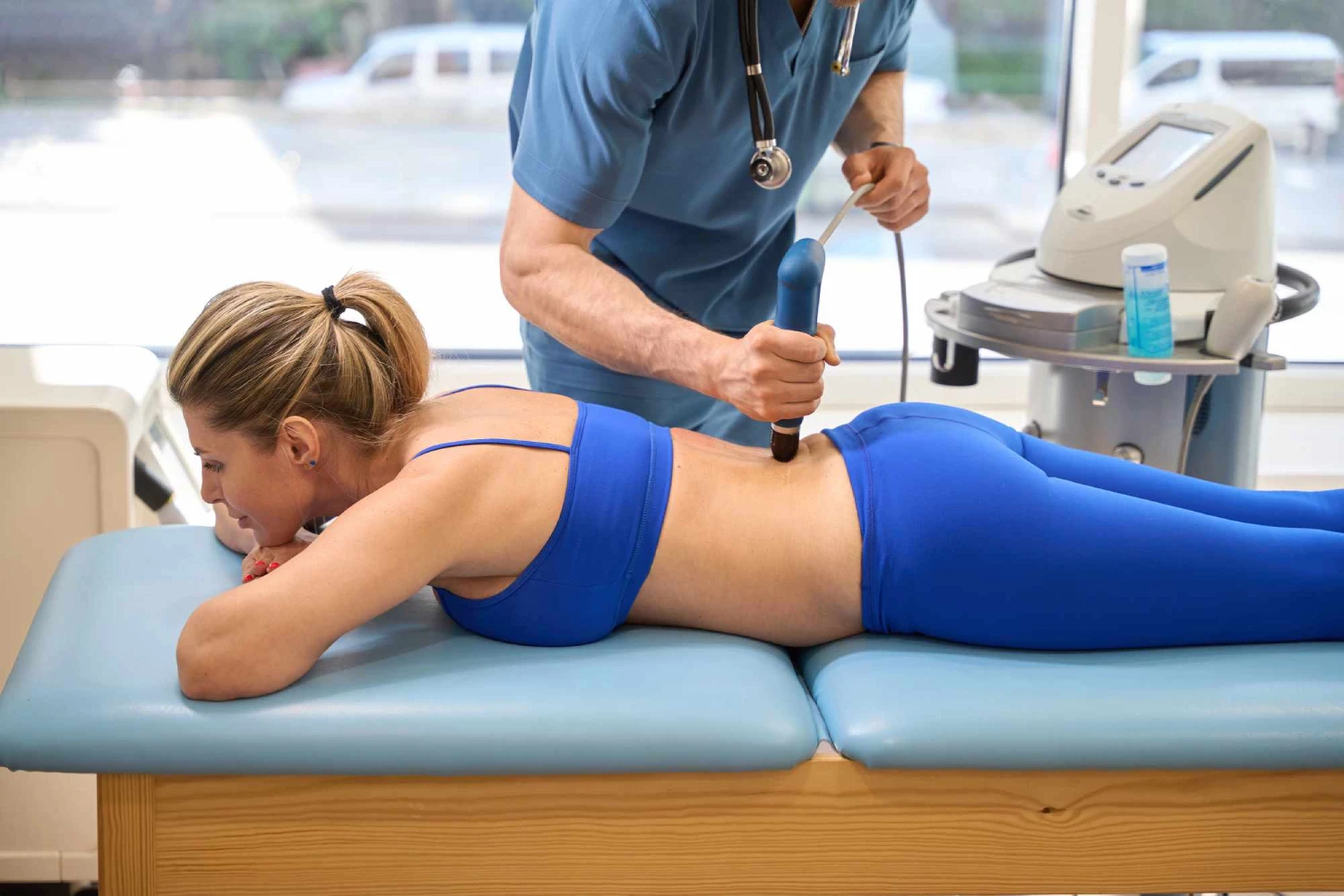
Non-invasive treatment generally refers to approaches that do not require an operation or another procedure that penetrates the body.
Potential approaches include:
- Physical therapy
- Therapeutic exercise
- Strength and mobility training
- Activity modification
- Manual therapy
- Movement-based rehabilitation
- Education and self-management strategies
- Selected mind-body approaches
- Other conservative treatments appropriate to the underlying condition
Exercise is one of the most consistently supported approaches for many forms of chronic musculoskeletal pain. Clinical guidance has found evidence that exercise therapy can improve pain and function in several conditions, while physical therapy can provide structured support for patients who need help developing or progressing an exercise program.
This is why muscle pain treatment should not necessarily focus only on temporarily reducing symptoms. A comprehensive approach may also address strength, mobility, movement patterns, physical activity, and the factors that may be contributing to persistent symptoms.
How can chronic muscle pain be treated without surgery?
For some patients, a structured rehabilitation program may emphasize gradually improving strength and mobility. Others may benefit from manual therapy, education, exercise modification, or a combination of approaches.
The goal is not necessarily to find one universal treatment. Instead, treatment options for chronic muscle pain can be selected according to the individual’s symptoms, diagnosis, goals, and response to care.
Non-Invasive Treatment Options for Soft Tissue and Musculoskeletal Pain
A non-invasive treatment plan for soft tissue pain should account for the structure involved and the likely cause of the symptoms. Muscle, tendon, ligament, fascia, and joint-related problems do not necessarily respond to the same approach.
An exercise program designed for one tendon condition, for example, may not be appropriate for another injury. Depending on the diagnosis, treatment may incorporate exercise, physical therapy, manual therapy, activity modification, or other evidence-supported approaches.
A clinician may also consider where the pain is located, how long it has been present, whether an injury preceded it, which movements affect the symptoms, and whether strength or mobility is limited. These details help determine which approach makes sense rather than treating every soft tissue problem the same way.
How a Personalized Pain Treatment Approach Can Help
Chronic pain does not affect every patient in the same way. Even patients with similar diagnoses may experience different symptoms, limitations, and responses to treatment.
A personalized approach begins by considering the patient's medical history, symptoms, physical limitations, activity level, and goals.
A treatment plan may involve more than one strategy. For example, exercise-based rehabilitation may be combined with manual therapy, activity modification, education, or other appropriate approaches.
Current guidance emphasizes patient-specific treatment and realistic goals for pain and function rather than relying on a single universal intervention.
Tracking functional changes can also be useful. Instead of focusing exclusively on whether pain has disappeared, patients and clinicians may consider whether mobility, strength, sleep, physical activity, or the ability to perform everyday tasks has improved.
If symptoms persist, worsen, repeatedly return, or significantly interfere with normal activities, additional medical evaluation may be appropriate.
Also Read: Rethinking Chronic Pain Treatment Without Surgery
What to Expect From Non-Invasive Pain Treatment
One of the most important things to understand about non-invasive pain relief for muscle pain is that treatment timelines vary.
The expected course depends on factors such as the underlying condition, how long symptoms have been present, severity, physical limitations, and how an individual responds to treatment.
Non-invasive treatment does not necessarily mean immediate pain relief. In many cases, the goal is to progressively improve function while managing symptoms.
Realistic goals may include:
- Reduced pain
- Improved mobility
- Better strength
- Greater tolerance for physical activity
- Improved ability to work or exercise
- Greater confidence with movement
- Improved day-to-day function
For some conditions, treatment may also involve a combination of approaches. The goal is to develop a plan that is appropriate for the individual's needs rather than assuming that one treatment will work for everyone.
When Should You Consider Professional Evaluation?
Persistent pain deserves attention, particularly when it interferes with normal activities or continues despite reasonable self-care.
A professional evaluation may be appropriate when pain is:
- Persistent or recurrent
- Increasing over time
- Limiting mobility or physical activity
- Interfering with work or sleep
- Associated with a previous injury
- Affecting your ability to perform everyday activities
- Not improving with an appropriate self-care approach
An evaluation can help determine whether the symptoms are consistent with a musculoskeletal problem and whether non-invasive care is appropriate.
It can also help identify situations in which additional testing, specialist evaluation, or another form of treatment may be necessary.
Also Read: Personalized Pain Prevention and Regenerative Care with Concierge Medicine
Exploring Non-Invasive Pain Treatment in Los Angeles
Persistent muscle or soft tissue pain does not always require an invasive procedure, but determining what to do next starts with understanding what may be contributing to the symptoms. At The Pain Free Institute in Los Angeles, we evaluate chronic pain in the context of your symptoms, medical history, physical limitations, previous treatment, and individual goals.
Whether you are researching muscle therapy, soft tissue treatment, or other approaches to pain relief, professional guidance can help you understand which options may be appropriate for your circumstances.
If chronic muscle or soft tissue pain is interfering with your daily activities, contact The Pain Free Institute to learn more about available treatment and consultation options.
Frequently Asked Questions
What are non-invasive treatments for chronic muscle pain?
Non-invasive treatments can include exercise therapy, physical therapy, rehabilitation, activity modification, manual therapy, and other non-pharmacologic approaches. The appropriate treatment depends on the cause of the pain and the individual's symptoms and goals.
How can chronic muscle pain be treated without surgery?
Depending on the condition, treatment may include therapeutic exercise, physical therapy, movement-based rehabilitation, manual therapy, activity modification, and other conservative approaches. A professional evaluation can help determine which options are appropriate.
What helps chronic soft tissue pain?
Treatment for chronic soft tissue pain depends on the structure involved and the underlying cause. Rehabilitation, exercise, movement-based care, manual therapy, and other non-invasive approaches may be considered when appropriate.
Can non-invasive treatments relieve chronic muscle pain?
Yes, some non-invasive approaches can improve pain and function for certain chronic musculoskeletal conditions. However, outcomes vary according to the underlying condition, duration and severity of symptoms, and individual response to treatment.
When should I see a pain specialist for chronic muscle or soft tissue pain?
Consider professional evaluation when pain is persistent, recurrent, worsening, or interfering with normal activities, mobility, sleep, work, or exercise. An evaluation can help determine the likely source of symptoms and whether additional testing or treatment is appropriate.
Do I need imaging for chronic muscle or soft tissue pain?
Not every patient with chronic muscle or soft tissue pain needs imaging. Whether imaging or other diagnostic testing is appropriate depends on the symptoms, medical history, physical examination, suspected cause of the pain, and whether the results would help guide treatment.








Medipark
Miracle Mile Surgery Center provides advanced outpatient surgical care with expert physicians and state-of-the-art facilities.
Contact Us
