
.svg)












.webp)

.jpg)
Pain Management Specialist in Los Angeles | Pain Free Institute
Why the Right Specialist Makes All the Difference
Chronic pain is the stiffness that keeps you from playing with your kids, the ache that ruins your sleep, the relent less throb that makes work unbearable, and the emotional toll that strains your relationships. When pain becomes chronic, it stops being a symptom and becomes the central focus of your day.
Effectively managing chronic pain requires more than just a prescription; it demands both advanced medical expertise and highly individualized care. You need a doctor who sees you as a whole person, not just a set of symptoms. This is where centers like The Pain Free Institute come in. As a trusted Los Angeles center specializing in comprehensive, non-surgical pain solutions, we understand the stakes.
Understanding What a Pain Management Specialist Does
The Scope of Pain Medicine
A pain management specialist is not just a doctor who prescribe spain killers. Pain medicine is a multidisciplinary field that brings together specialized knowledge from several areas, including neurology, orthopedics, anesthesiology, and regenerative medicine. Their sole focus is on the diagnosis and treatment of pain.
These specialists use targeted, evidence-based methods to treat both acute pain (like post-surgical or injury-related pain) and, most importantly, chronic pain (pain that persists for more than three months). Their goal is to identify the precise source of your pain and treat it directly, often using minimally invasive procedures that eliminate the need for major surgery or long-term high-dose medication.
Conditions They Commonly Treat
A dedicated pain specialist is equipped to handle a wide spectrum of complex conditions. If your pain is on this list, you need a specialist:
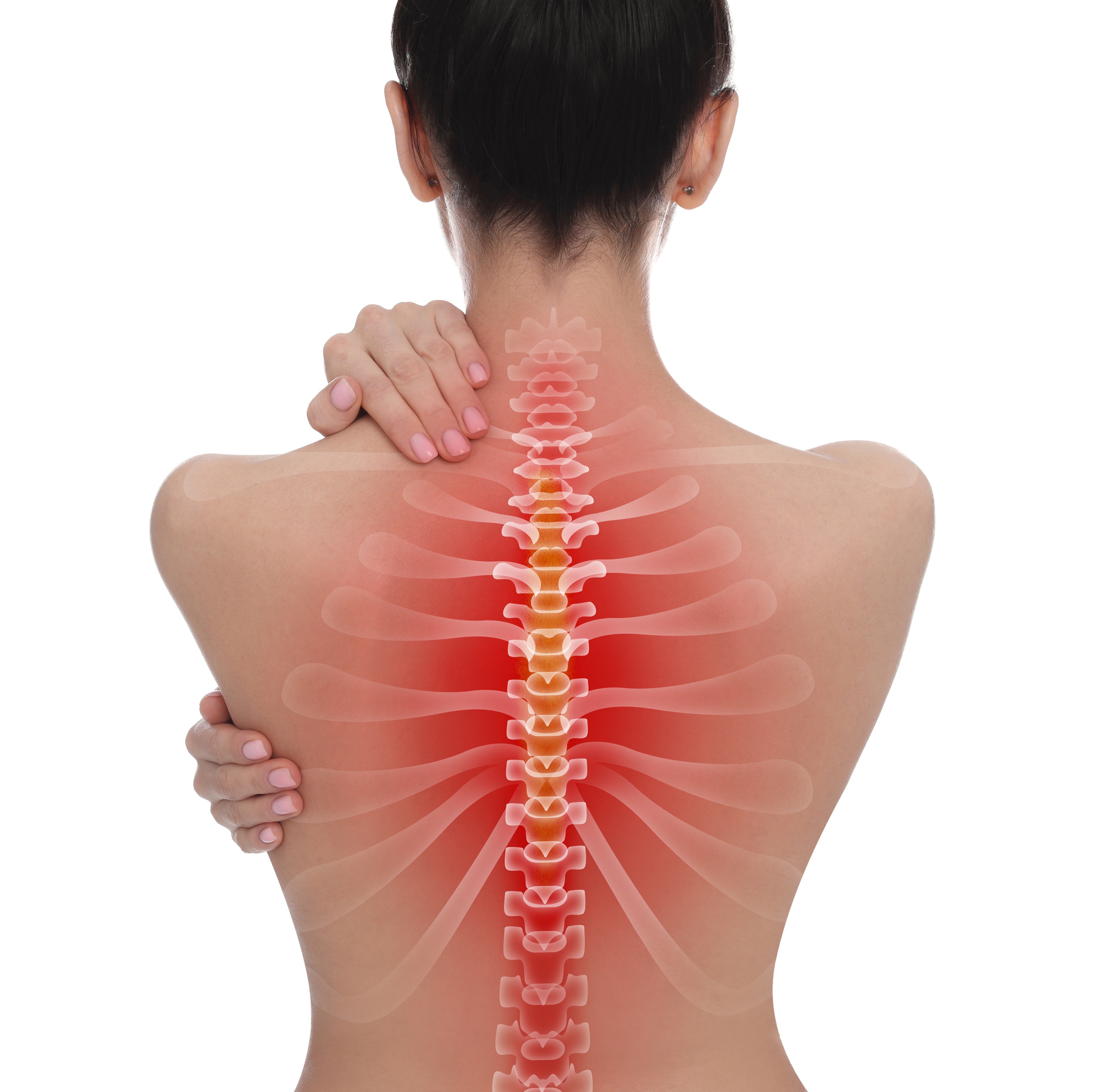
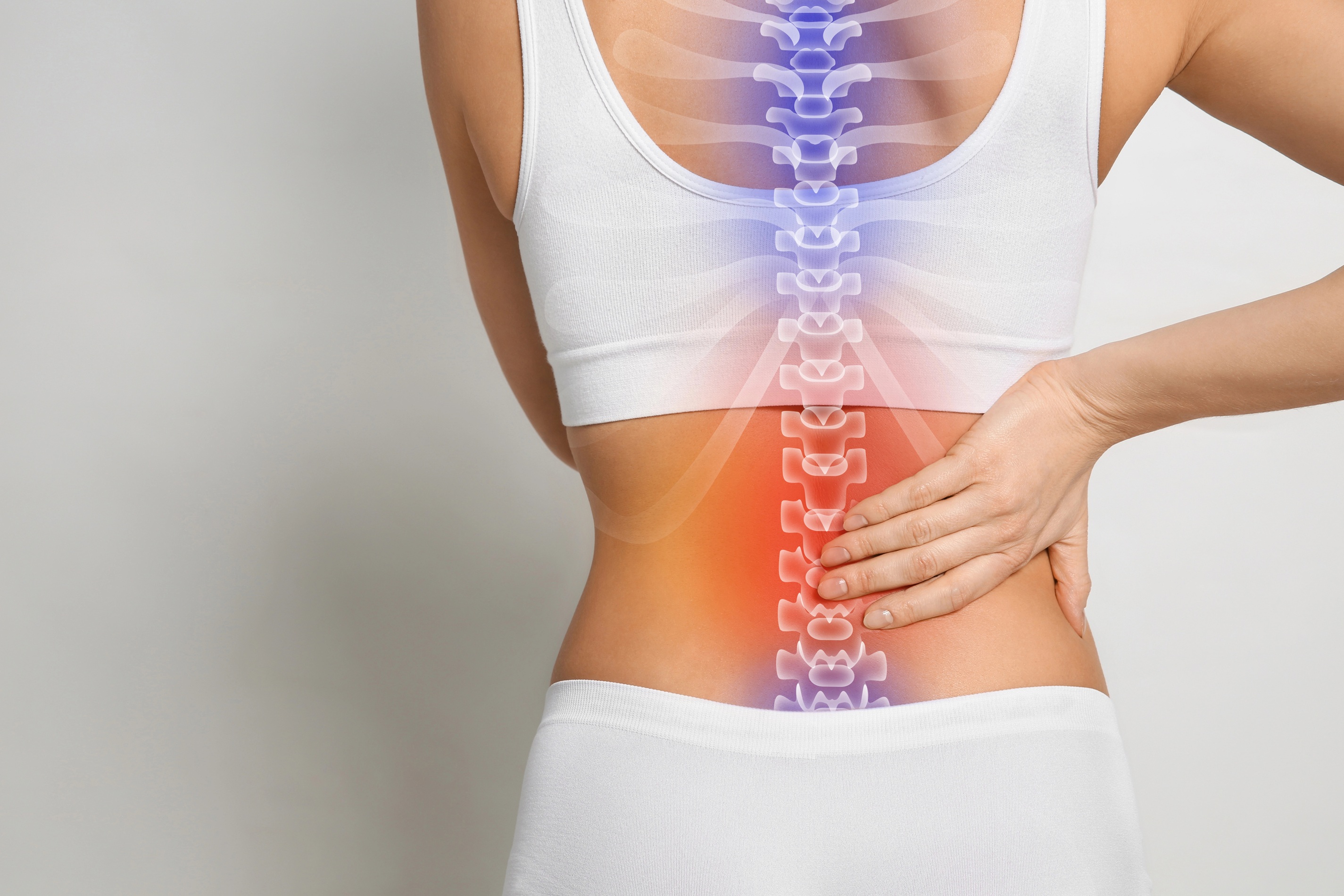
● Back and Neck Pain: This includes conditions like degenerative disc disease, herniated discs, spinal stenosis, facet joint arthritis, and radiating pain like sciatica.
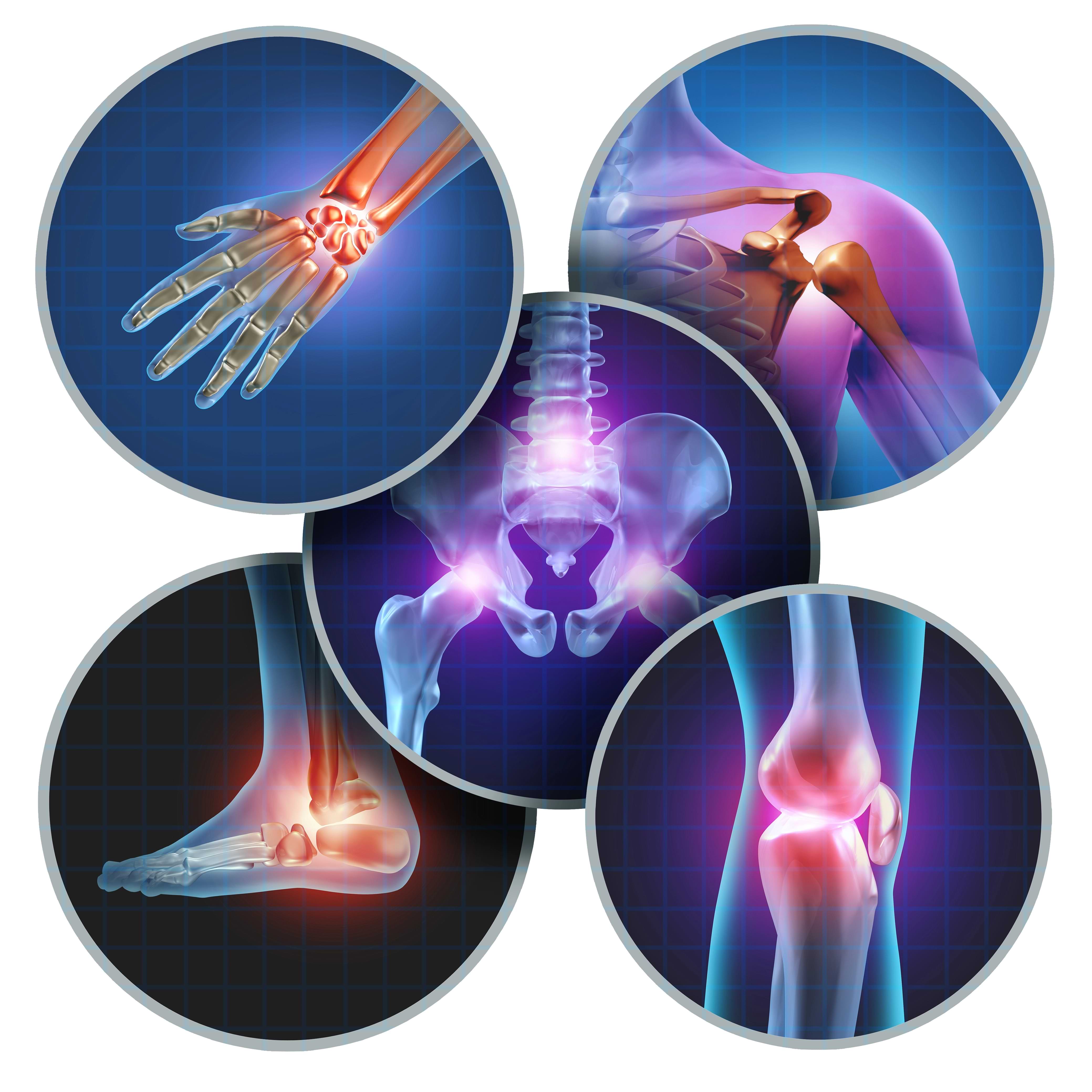
● Joint Pain: Chronic pain in the hip, knee, shoulder, or elbow caused by arthritis, tendonitis, or sports injuries.
● Nerve Pain: Conditions such as neuropathy (peripheral or diabetic),post-herpetic neuralgia, and the debilitating pain of Complex Regional Pain Syndrome (CRPS).
● Head, Face, and Jaw Pain: Managing chronic headaches, intractable migraines, and TMJ (temporomandibular joint) disorders.
● Post-Surgical and Injury-Related Pain: Pain that persists after an operation or trauma, often involving scar tissue or nerve damage.
Also Read: Regenerative Medicine & Alternative Therapies
Key Credentials to Look For
When vetting a pain specialist in Los Angeles, look beyond the surface. The right qualifications are non-negotiable for safe, effective care.
● Board Certification: The gold standard. The specialist should be board-certified in a relevant primary specialty like Anesthesiology or Physical Medicine and Rehabilitation (PM&R), and hold a subspecialty certification in Pain Medicine. This proves they have undergone rigorous, specialized training.
● Fellowship Training: Look for specific Fellowship training in Interventional Pain Management. This additional year or two of training after residency is critical for mastering the highly technical, minimally invasive procedures central to modern pain treatment.
● Procedural Expertise: They should have documented experience in advanced guidance techniques, specifically ultrasound-guided and fluoroscopy-guided injections. These imaging tools are essential for placing needles with millimeter precision, which drastically improves the safety and effectiveness of treatments like nerve blocks and epidurals.
● Professional Memberships and Education: Membership in prestigious organizations like the American Academy of Pain Medicine (AAPM) or the American Society of Interventional Pain Physicians (ASIPP) shows a commitment to industry best practices and ongoing education, particularly in regenerative and non-opioid treatments.
Experience and Specialization
You should seek a specialist who focuses heavily on your particular pain condition, whether that is complex nerve pain, chronic spinal issues, or debilitating joint arthritis, rather than someone with a broad, general practice. A specialist who treats spine pain all day, every day, will have a vastly superior skill set for disc herniation than a general physician.
An experienced pain specialist can not only select the right procedure but also tailor the procedure to your unique anatomy. This level of precision, honed over years of focused practice, is the difference between a treatment that barely helps and one that provides lasting, significant relief. It directly improves both the safety and the success rate of complex interventional procedures.
The Importance of a Comprehensive, Multimodal Approach
Diagnostic Precision First
The foundation of successful pain treatment is an accurate diagnosis. A specialist who immediately jumps to treatment without a thorough investigation is taking a shortcut that risks long-term failure.
Top specialists start with diagnostic precision. They use advanced tools, including detailed physical exams, interpretation of advanced imaging(MRI, CT scans), nerve mapping (EMG/NCS), and functional assessments to isolate the single, primary source of your pain. A correct diagnosis doesn’t just guide the treatment, it determines treatment success.
Multimodal Care Options
Once the diagnosis is confirmed, a comprehensive clinic offers a multi modal strategy. This is an integrated plan that addresses your pain from multiple angles, ensuring the best possible outcome.
● Targeted Injections: Highly precise procedures like nerve blocks, epidurals, and facet joint injections that deliver anti-inflammatory medication or pain-relieving agents directly to the pain source.
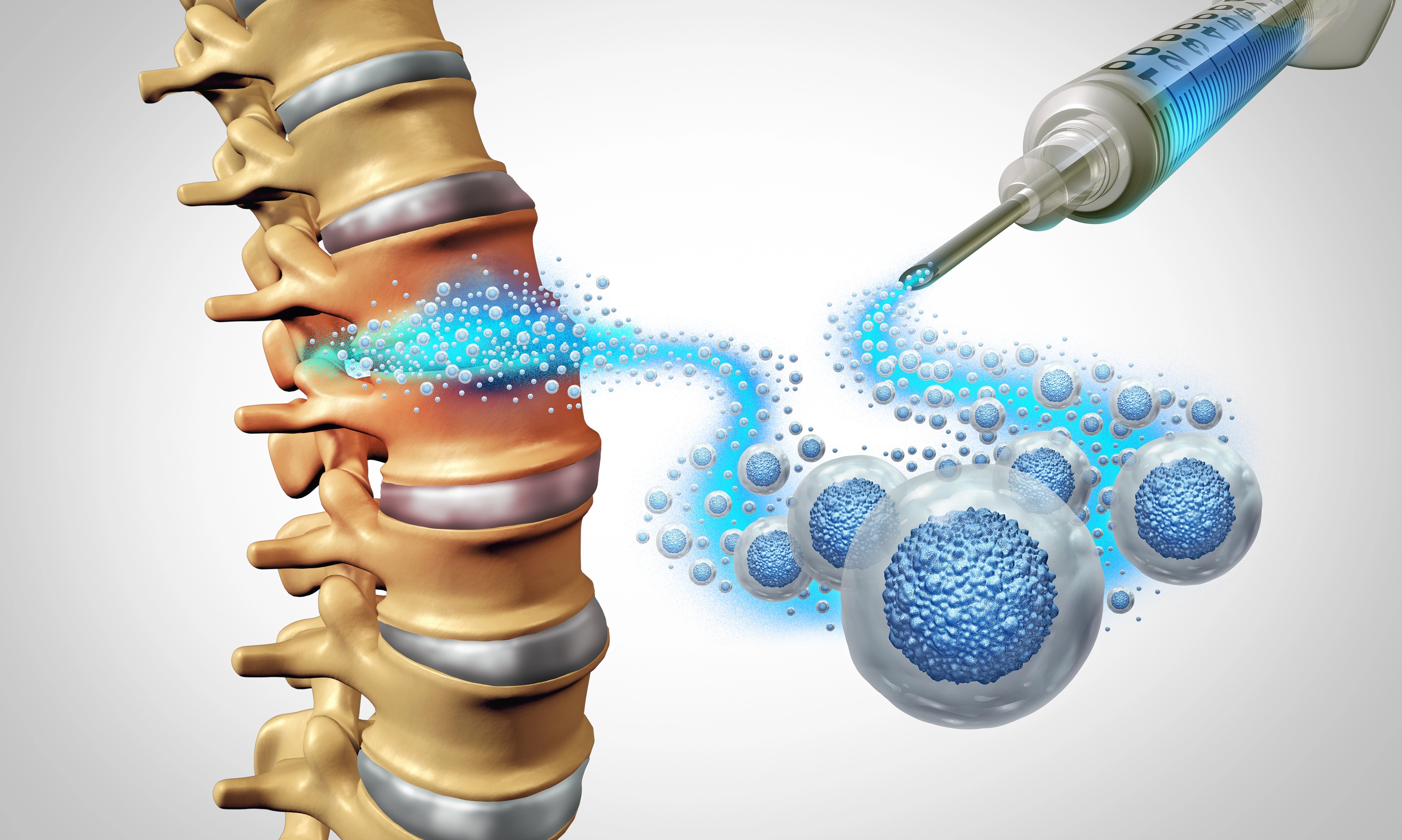
● Regenerative Medicine: Therapies like Platelet-Rich Plasma (PRP) and stem cell therapy to repair and regenerate damaged tissues in discs, joints, and tendons.
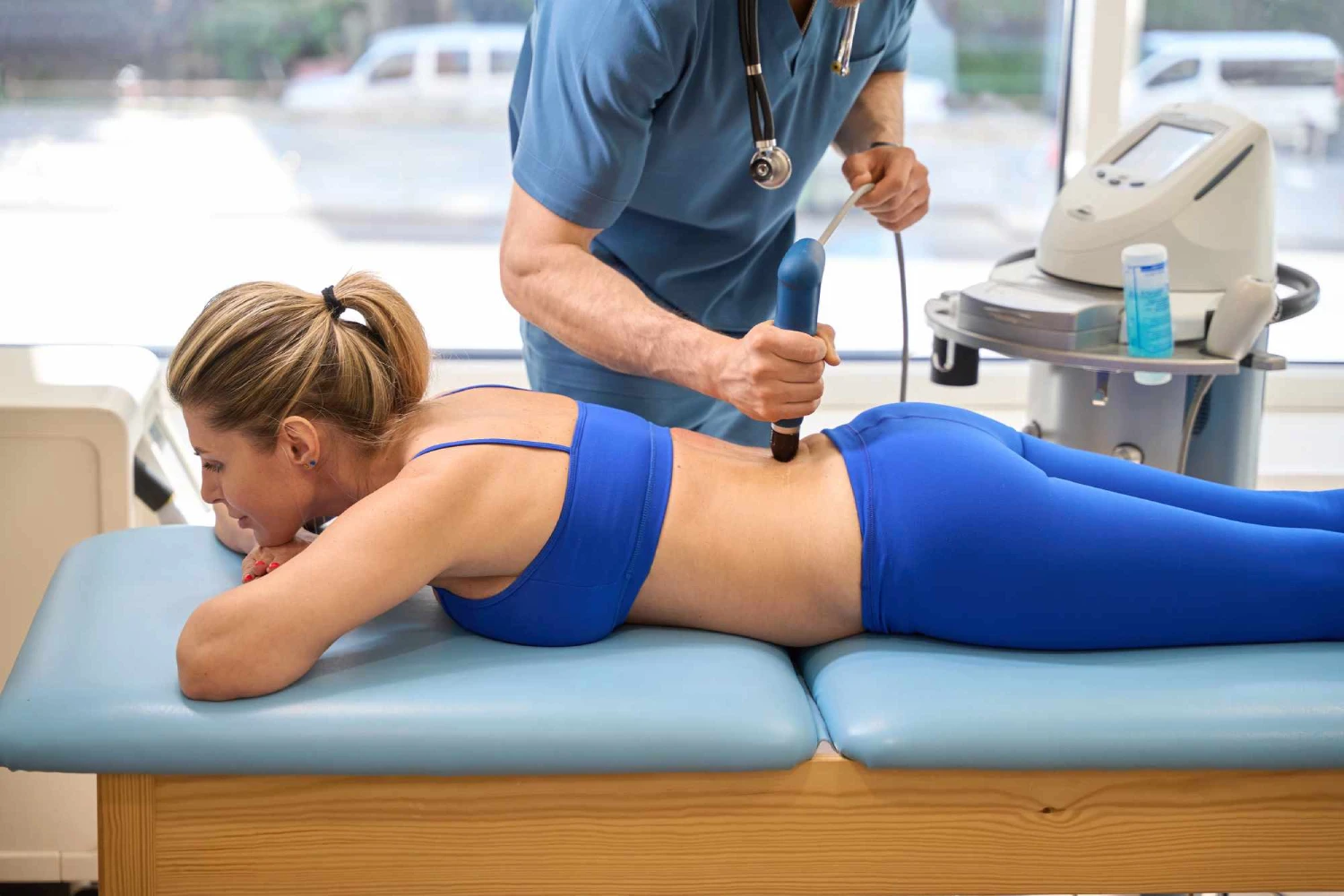
● Movement and Rehabilitation: Integrating prescribed physical therapy and movement rehabilitation to restore strength, flexibility, and function once the pain is under control.
● Neuromodulation: Utilizing advanced technologies like radio frequency ablation (RFA) or spinal cord stimulators to interrupt pain signals coming from the nerves.
● Medication Management: A strategic, conservative approach to medication, with a strong emphasis on minimizing or eliminating opioid use in favor of non-addictive, targeted relief.
Modern Treatment Innovations to Look For
● Regenerative Therapies: Look for specialists who expertly offer Platelet-Rich Plasma (PRP) and stem cell therapy. These therapies use your body’s own healing components to encourage the natural repair of damaged joints, discs, and tendons.
● Radiofrequency Ablation (RFA): A minimally invasive procedure where heat is used to temporarily disable a nerve from sending pain signals. This technique can provide pain relief lasting 6–12 months or more, particularly for chronic back and neck pain caused by facet joint arthritis.
● Neuromodulation: Utilizing advanced devices like Spinal Cord Stimulation (SCS) and peripheral nerve stimulators for patients with severe, chronic pain that hasn’t responded to other treatments. These act as “pacemakers for pain” to modify nerve signals.
● Advanced Imaging Technology: The clinic should utilize state-of-the-art fluoroscopy (a real-time X-ray) and high-resolution ultrasound in their treatment suites to ensure every procedure is accurate and perfectly targeted.
Red Flags When Selecting a Pain Clinic
While there are many excellent specialists, there are warning signs you should not ignore. Finding the right specialist means avoiding clinics that prioritize profit or shortcuts over patient health.
● Overreliance on Opioids: If a specialist’s primary or first-line treatment is to offer a high-dose opioid prescription without a thorough diagnostic workup or a plan to reduce the medication, this is a significant red flag.
● Lack of Transparency: You should always receive a clear, documented explanation of your treatment plan, its anticipated cost, and the rationale for the procedures being performed.
● Absent Board Certification: If the clinic is managed by practitioners without the required board-certified pain medicine credentials, it suggests a lower standard of care.
● No Follow-up or Rehab Support: Pain management is a process. If the clinic offers a one-time procedure but no plan for physical therapy, lifestyle changes, or follow-up to secure the long-term results, they are missing acritical piece of the puzzle.
● One-Size-Fits-All Approaches: Every patient is unique. A clinic that only offers one or two types of injections for every single patient, regardless of their diagnosis, is not providing individualized care.
Why Los Angeles Patients Trust The Pain Free Institute
At The Pain Free Institute, we have built our practice around the principles of precision, innovation, and comprehensive patient care. We know that choosing a pain specialist is a deeply personal decision, and our commitment is to provide a path to recovery that is both effective and compassionate.
● Expert-Led Care: Our multidisciplinary care team is led by board-certified pain specialists with deep expertise in interventional and regenerative techniques.
● Focus on Root Causes: We specialize in developing personalized plans that address the underlying source of the pain, not just the surface-level symptoms.
● Advanced Non-Surgical Techniques: We are leaders in the application of modern treatments, including regenerative therapies (PRP, stem cells), advanced neuromodulation, and targeted, image-guided injections.
● Convenience and Technology: Our Los Angeles locations are equipped with advanced imaging and treatment suites, ensuring that you receive the highest level of care in a comfortable, state-of-the-art environment.
● Measurable Outcomes: Our success is measured by high patient satisfaction, a significant reduction in pain scores, and tangible improvements in our patients’ mobility and overall quality of life.
Taking the Next Step Toward Lasting Relief
Do not allow chronic pain to continue interfering with your work ,sleep, mobility, and emotional well-being. The pain you feel is real, and the potential for lasting relief is real, too.
Finding the right pain management specialist, one with the right credentials, the right technology, and a truly comprehensive approach, can transform your recovery outcomes and give you your life back.
Contact The Pain Free Institute today to schedule your comprehensive consultation and begin your personalized journey back to a pain-free life.
.png)

.png)





Medipark
Miracle Mile Surgery Center provides advanced outpatient surgical care with expert physicians and state-of-the-art facilities.
Contact Us
