
.svg)

















.webp)


When Is Prolotherapy Appropriate for Chronic Neck Pain?
Chronic neck pain can affect movement, work, sleep, and everyday activities. When symptoms continue after trying different forms of neck pain treatment, it may be worth discussing whether the pain is coming from muscles, joints, discs, nerves, ligaments, or other structures in the cervical spine.
So, when might prolotherapy be considered for chronic neck pain? It may be an option for carefully selected patients when an evaluation suggests that ligament or connective-tissue problems are contributing to their symptoms. The Pain Free Institute explains that prolotherapy uses a mild irritant solution, commonly a dextrose mixture, with the goal of stimulating a local healing response. The precise biological mechanisms involved and the treatment's effects on tissue structure continue to be studied.
The right treatment depends on the source of the pain and the findings from an individual medical evaluation.
What Causes Chronic Neck Pain?
There are several possible causes of chronic neck pain. Cervical pain may come from muscles, discs, joints, nerves, ligaments, or a combination of these structures.
Cervical spine pain can develop after an injury, repeated physical stress, or changes affecting the structures of the neck. The Pain Free Institute lists spine pain, nerve pain, joint and musculoskeletal pain, sports injury and trauma pain, and chronic pain among the conditions it treats.
Ligaments help connect bones and contribute to joint stability. When a ligament has been injured or becomes lax, it may contribute to discomfort or instability. The Pain Free Institute specifically discusses chronic back and neck pain associated with ligament laxity in its information about prolotherapy.
This is where conditions such as cervical ligament injuries or suspected cervical instability may become relevant. However, neck pain alone does not show that a ligament problem is present. A physician needs to assess the symptoms and other clinical information before deciding whether ligament-focused treatment makes sense.
Also Read: When Pain Becomes Chronic: Why Early Intervention Matters
What Is Prolotherapy for Neck Pain?
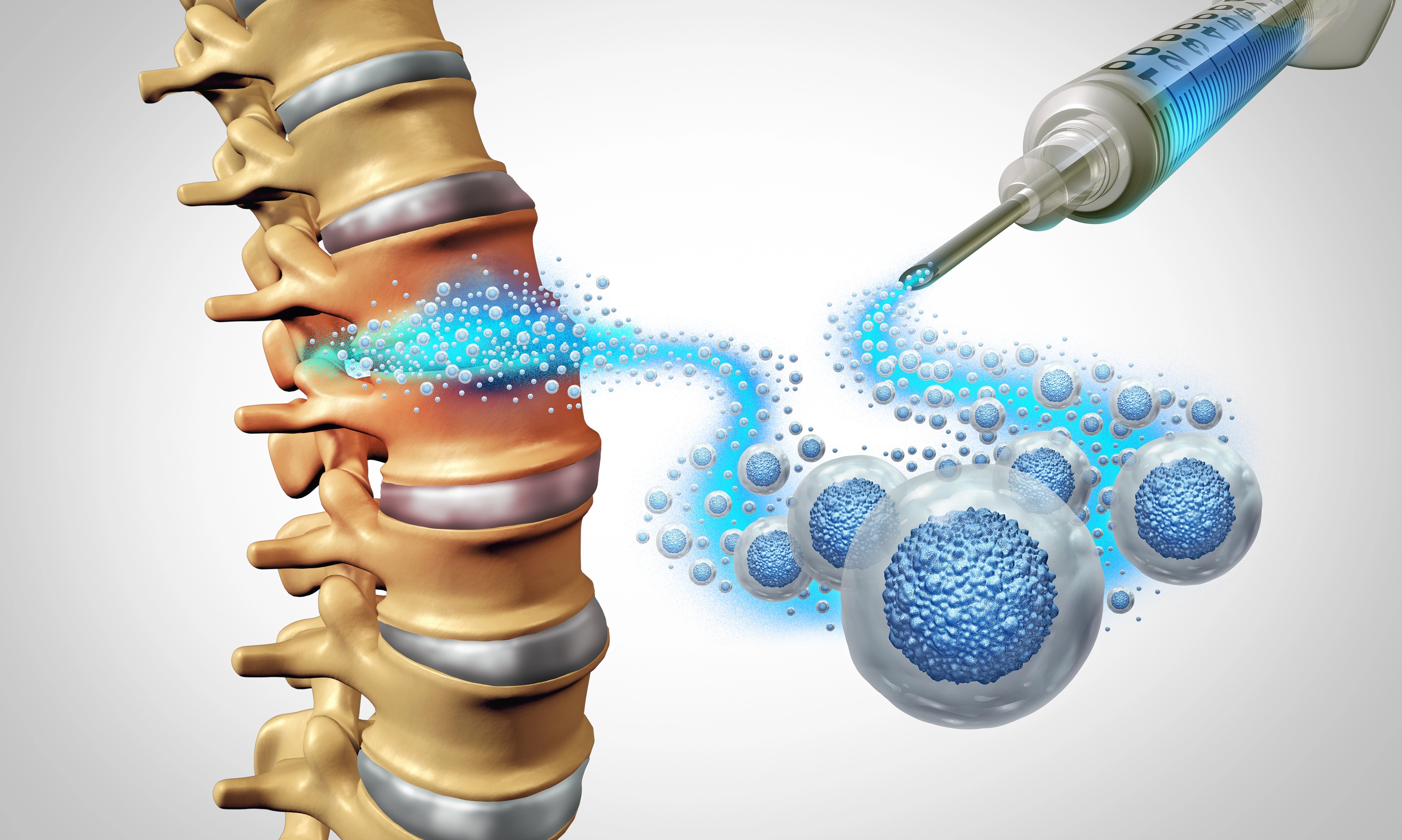
Prolotherapy is an injection-based treatment sometimes grouped with regenerative medicine approaches. It typically uses a dextrose-based solution intended to stimulate a local healing response in targeted tissues.
Dextrose prolotherapy is therefore different from an injection designed only to temporarily numb pain. The practice describes regenerative medicine as an approach that works with the body’s healing mechanisms to address damaged tissue.
For selected patients, prolotherapy may be considered as a neck pain therapy when ligament or connective-tissue problems are suspected. It should not be viewed as a treatment for every type of cervical spine pain.
When Should You Consider Prolotherapy for Neck Pain?
A physician may consider it when the clinical picture suggests that ligament laxity, ligament injury, or another connective-tissue issue may be contributing to chronic symptoms.
A physician may also discuss prolotherapy when a patient has already tried other approaches and continues to experience symptoms. However, this does not automatically make someone a candidate.
Is prolotherapy effective for chronic neck pain?
The answer depends on the source of the pain and the individual patient. Evidence for prolotherapy varies by condition, and research specifically supporting its use for chronic neck pain remains limited. Some studies have reported improvement in selected musculoskeletal conditions, but that does not establish prolotherapy as an effective treatment for every patient with cervical pain or suspected ligament involvement.
That information should not be interpreted as a guarantee of relief. Prolotherapy may have a different role when symptoms are mainly associated with nerve compression, disc disease, muscle problems, or another condition.
Also Read: Chronic Pain vs. Acute Pain: Why Treatment Differs
Who Is a Good Candidate for Neck Prolotherapy?
A potential candidate is someone whose medical history, symptoms, examination, and available diagnostic information point toward a problem that may respond to prolotherapy.
During an evaluation, a physician may review:
- The location and nature of the neck pain
- How long symptoms have been present
- Any history of injury or trauma
- Previous neck pain therapy
- Response to earlier treatments
- Relevant medical conditions and medications
- Physical examination findings
- Imaging or other diagnostic information when appropriate
Regenerative treatment plans are based on the patient’s condition and medical history, with candidacy determined during an evaluation.
Prolotherapy for Cervical Ligament Injuries
Prolotherapy for cervical ligament injuries may be discussed when an evaluation suggests that ligament damage or laxity is contributing to symptoms. The Pain Free Institute describes prolotherapy as a treatment used for ligament and tendon problems and connects chronic back and neck pain with ligament laxity.
What If Cervical Instability Is Suspected?
When cervical instability is suspected, careful medical evaluation is important because the cervical spine contains the spinal cord, nerve roots, blood vessels, joints, and other critical structures. Symptoms alone cannot establish cervical instability, and treatment depends on the underlying cause and clinical findings. Prolotherapy may be discussed in selected cases when ligament involvement is suspected, but another treatment approach may be more appropriate.
How Does Prolotherapy Work for Neck Pain?
Prolotherapy uses a mild irritant solution, commonly a dextrose mixture, to stimulate a controlled repair response. The intended response may support the development of new ligament and tendon fibers.
The treatment is directed toward the tissue identified during the medical evaluation. When image guidance is appropriate, it may be used to help the physician place injections at the intended anatomical target.
For chronic cervical pain, this approach may be considered when the suspected pain source involves ligaments or other soft tissues. It is not intended to treat every cause of cervical spine pain.
Is Prolotherapy Safe for Neck Pain?
Like other injection procedures, prolotherapy should be performed by a qualified medical professional after an assessment of the patient’s health and condition.
The Pain Free Institute describes prolotherapy as a minimally invasive injection treatment. As with any injection procedure, potential risks depend in part on the treatment location and surrounding anatomy.
Cervical procedures also require careful attention to anatomy because important neurological and vascular structures are located in and around the neck. The physician should determine whether prolotherapy is appropriate based on the individual clinical picture.
What Should You Expect From Prolotherapy Treatment?
The process begins with a consultation and medical evaluation. The physician reviews symptoms, medical history, previous treatments, and available diagnostic information.
If prolotherapy injections are being considered, the physician will assess whether the suspected pain source fits this type of treatment. The Pain Free Institute states that candidacy for regenerative treatments is confirmed during an evaluation because responses can vary from patient to patient.
The Pain Free Institute notes that prolotherapy generally requires limited downtime. When improvement occurs, it may develop gradually over time rather than immediately, and response varies among patients.
Patients should have realistic expectations about the timeline. Response can vary, and prolotherapy may not be the right treatment when another structure is responsible for the pain.
Also Read: Focused Shockwave and Prolotherapy Offer Alternatives to Cell-Based Injections
Conclusion
Prolotherapy for chronic cervical pain may be considered when a physician finds evidence suggesting that ligament laxity, ligament injury, or another connective-tissue problem is contributing to symptoms.
The Pain Free Institute offers prolotherapy as part of its regenerative medicine services in Los Angeles. Its published information describes dextrose-based prolotherapy as an injection treatment intended to stimulate the body’s repair response and discusses its use for ligament-related conditions.
If you have chronic neck pain, a consultation can help determine whether prolotherapy or another neck pain treatment is appropriate for your condition. Learn more about regenerative medicine and pain care from The Pain Free Institute in Los Angeles.
FAQs
Can prolotherapy help chronic neck pain?
It may help selected patients when ligament laxity, weakness, or injury is associated with the symptoms. The Pain Free Institute discusses prolotherapy in connection with chronic back and neck pain associated with ligament laxity.
Who is a candidate for prolotherapy?
A candidate may have symptoms and clinical findings that suggest ligament or connective-tissue involvement. Medical history, physical examination, previous treatment, and diagnostic information may all be considered before treatment.
Is prolotherapy safe for neck pain?
Temporary soreness, stiffness, bruising, or swelling can occur after injection. Less common risks associated with injection procedures include bleeding, infection, reactions to injected substances, or injury to nearby structures.
How many prolotherapy treatments are needed for neck pain?
There is no single treatment schedule that applies to every patient. If prolotherapy is recommended, the number and timing of injections depend on the suspected pain source, response to treatment, and the physician's treatment plan.
How does prolotherapy treat neck pain?
Dextrose prolotherapy uses an injection containing a mild irritant solution to stimulate a controlled repair response. Prolotherapy involves injecting an irritant solution, commonly dextrose, into targeted areas. The treatment is intended to stimulate a local healing response, although its precise biological mechanisms and effects on tissue structure continue to be studied.





.png)


Medipark
Miracle Mile Surgery Center provides advanced outpatient surgical care with expert physicians and state-of-the-art facilities.
Contact Us
