
.svg)













.webp)


PRP vs. Cortisone Shots: Which Is Better for Joint Pain?
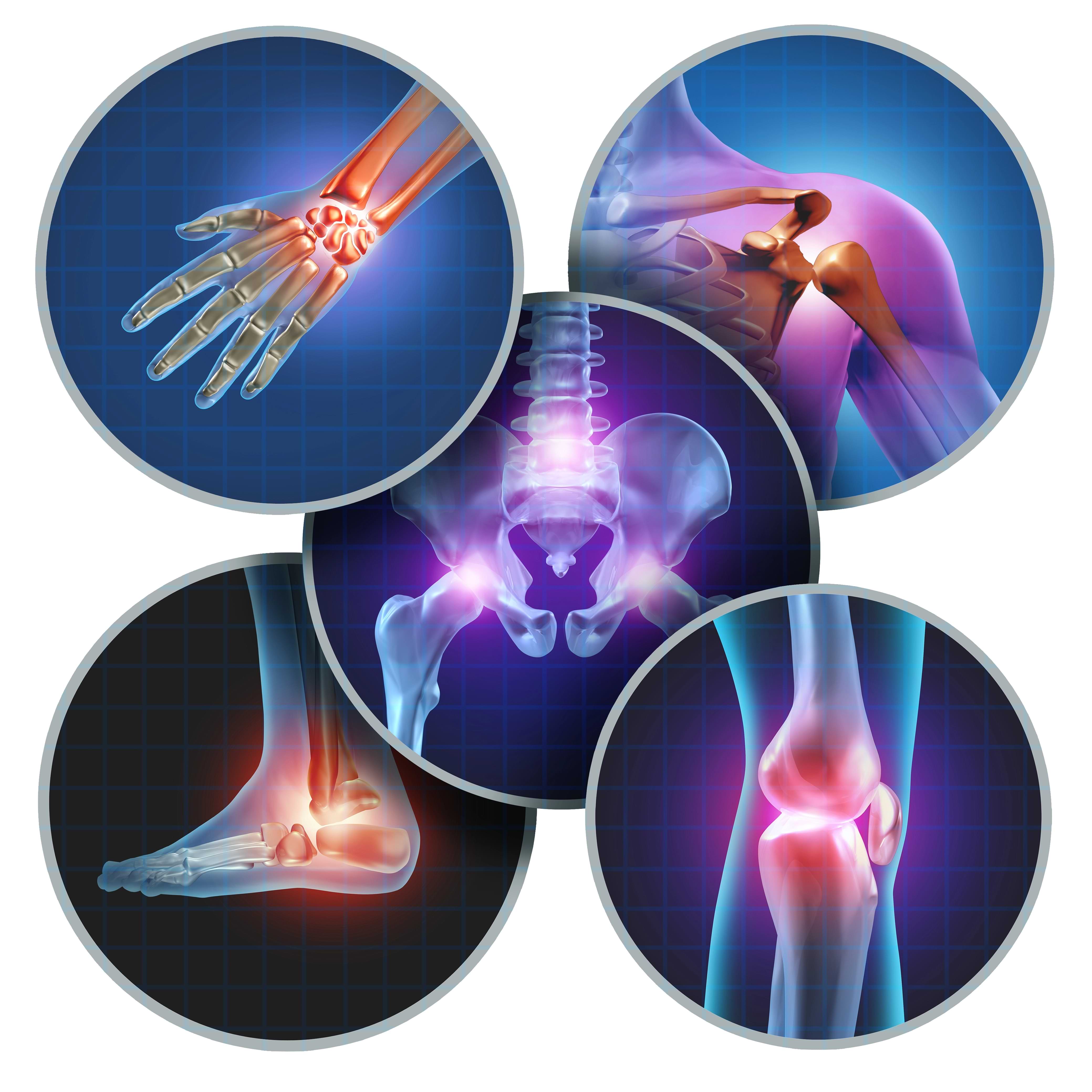
Living with joint pain can make everyday activities more difficult, whether the discomfort is linked to arthritis, a sports injury, or age-related wear and tear. When conservative care is not enough, joint injections are often recommended to help reduce pain and improve movement. Two options that may be considered for certain types of joint pain are platelet-rich plasma (PRP) therapy and cortisone injections. Although both are injectable treatments, they work differently and are used for different clinical goals.
Although both treatments are used for pain relief, they work in very different ways. Platelet-rich plasma (PRP) therapy focuses on supporting the body’s natural healing response, while cortisone injections are designed to reduce inflammation that contributes to pain. Understanding the differences can help you discuss the right joint pain treatment with your physician.
How PRP and Cortisone Shots Work
Brief Overview of PRP Therapy
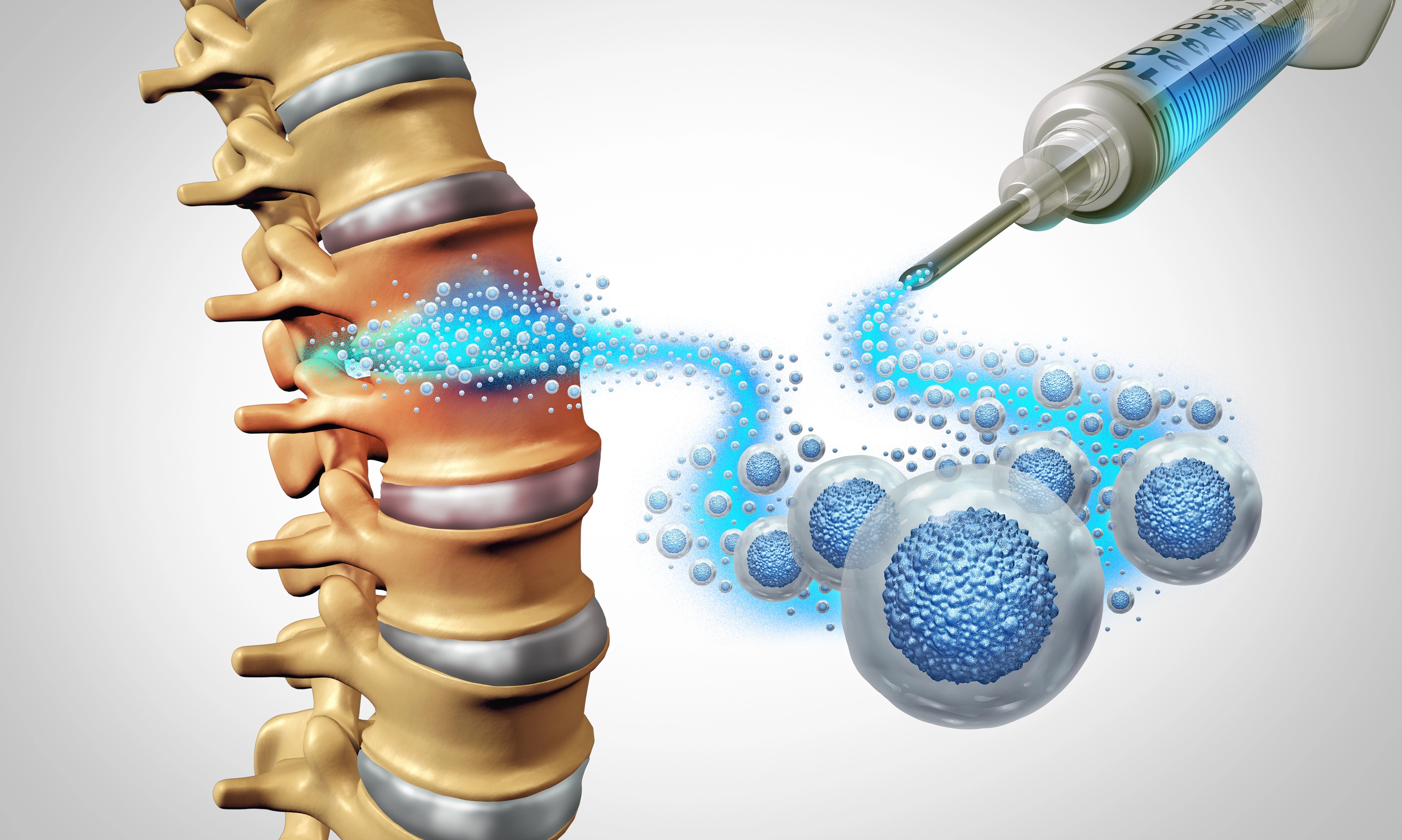
PRP therapy is a form of regenerative medicine that uses a patient’s own blood to create a concentrated solution of platelets. After a small blood sample is collected, it is processed so the platelets can be injected into the injured or painful area.
According to The Pain Free Institute, PRP is designed to support the body’s natural healing process by delivering concentrated healing components directly to damaged tissues. The clinic offers PRP for conditions including knee, shoulder, and hip pain, tendon and ligament injuries, sports injuries, and mild to moderate arthritis.
Brief Overview of Cortisone Injections
Cortisone shots contain corticosteroid medication that helps reduce inflammation inside a painful joint or surrounding tissue. These injections have been used for many years to help relieve discomfort caused by inflammatory conditions, including certain forms of arthritis and joint irritation.
Because inflammation often contributes to pain, cortisone can provide relief relatively quickly. However, the medication does not repair damaged cartilage, tendons, or ligaments.
Key Difference: How PRP and Cortisone Approach Joint Pain
The biggest distinction between PRP and cortisone injections is how each treatment works.
Regenerative treatments such as PRP are intended to support biological processes involved in tissue healing, while corticosteroid injections primarily work by reducing inflammation and related symptoms.
Cortisone, on the other hand, focuses on calming inflammation that contributes to pain. While that can make movement easier, it is generally not intended to restore damaged tissue.
Also Read: Personalized Pain Prevention and Regenerative Care with Concierge Medicine
Comparing PRP and Cortisone Shots
Speed of Pain Relief
One of the most common questions individuals ask is whether to choose PRP or cortisone injection for joint pain.
When effective, cortisone injections may begin reducing symptoms within several days, although the timing and degree of relief vary by patient and condition.
PRP typically works more gradually. Since it is designed to support healing rather than immediately suppress inflammation, improvements, when they occur, generally develop more gradually over the following weeks.
How Long Results May Last
How long relief lasts is another consideration when comparing PRP with cortisone injections.
Cortisone injections may provide temporary improvement, particularly during inflammatory flare-ups. However, the duration varies depending on the condition being treated.
PRP results also vary by patient and condition. When improvement occurs, it typically develops gradually, and the duration of relief depends on factors such as the underlying diagnosis, severity of the condition, and individual response to treatment.
Potential Benefits and Limitations
When comparing which is better, PRP or cortisone shots, each treatment has advantages and limitations.
Potential Benefits of PRP
- Uses the patient’s own blood
- Supports the body’s natural healing response
- May be used for certain joint, tendon, and ligament conditions
- Fits within a regenerative medicine approach
Potential Limitations of PRP
- Results typically develop gradually
- Not every patient responds the same way
- Temporary soreness, swelling, or bruising can occur
- Insurance coverage may be limited
Potential Benefits of Cortisone
- Can reduce inflammation relatively quickly
- May help manage painful inflammatory flare-ups
- Can improve comfort when pain is interfering with rehabilitation or physical therapy
- Has an established role in treating certain inflammatory joint and soft-tissue conditions
Potential Limitations of Cortisone
- Does not repair damaged cartilage, tendons, or ligaments
- Pain relief may be temporary and varies by patient and condition
- Repeated corticosteroid exposure may have unwanted effects on certain tissues
- The diagnosis, injection location, prior injections, and overall health must be considered when determining whether and how often cortisone should be used
Ideal Candidates for Each Treatment
Patients with chronic tendon injuries, ligament problems, or mild to moderate joint degeneration may be candidates for PRP after an evaluation.
Cortisone injections may be considered when inflammation is a significant contributor to pain, and shorter-term symptom control is clinically appropriate.
The right recommendation depends on the diagnosis, imaging findings, activity level, overall health, and treatment history.
When PRP May Be the Better Choice
Chronic Joint Pain
Many patients considering PRP vs cortisone for osteoarthritis have chronic symptoms that have not improved with rest, medication, or physical therapy.
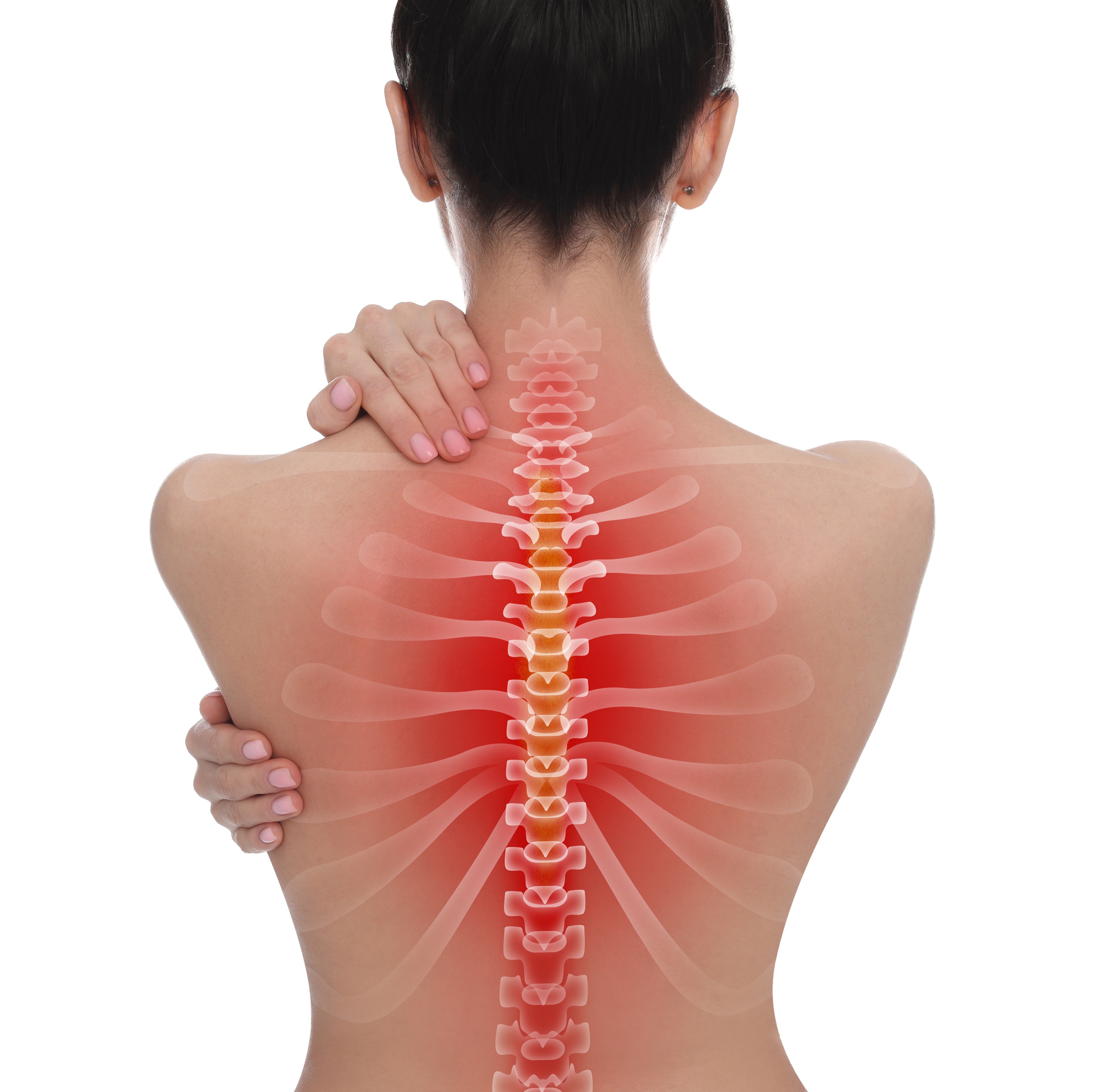
The Pain Free Institute provides regenerative medicine treatments for ongoing joint pain affecting the knees, shoulders, hips, spine, and other joints. PRP may be considered when long-term tissue support is part of the treatment strategy.
Tendon or Ligament Injuries
PRP is also used for certain tendon and ligament conditions, particularly when symptoms have persisted despite conservative treatment. Whether it is appropriate depends on the specific injury, its severity, and the tissue involved.
Depending on the diagnosis, PRP may be discussed for certain chronic tendon or ligament conditions, including some cases of tennis elbow, rotator cuff tendinopathy, or other persistent soft-tissue injuries.
Patients Looking for a Regenerative, Minimally Invasive Treatment
Patients interested in avoiding surgery may ask about PRP vs cortisone for knee pain or PRP vs cortisone for hip pain as part of a non-surgical care plan. At The Pain Free Institute, PRP treatment is physician-guided, with imaging used when appropriate to help accurately target the treatment area.
Also Read: How Can Concierge Pain Care Help When Other Treatments Have Failed?
When Cortisone May Be the Better Choice
Acute Inflammation
Cortisone injections may be considered when inflammation is contributing significantly to a patient's pain.
For patients experiencing significant swelling or irritation after an injury or arthritis flare-up, reducing inflammation quickly may help restore comfort and improve function.
Short-term Pain Relief
Patients who need quicker symptom control may benefit from cortisone while planning additional treatment.
This can be especially helpful if pain is limiting daily activities or making rehabilitation difficult.
Managing Flare-ups While Pursuing Other Treatments
In some cases, cortisone injections are used to manage temporary flare-ups while patients continue physical therapy, activity modification, or other non-surgical treatments.
For certain patients, physicians may recommend combining different treatment strategies over time based on changing symptoms rather than relying on a single approach.
Choosing the Right Treatment for Your Joint Pain
Why an Accurate Diagnosis Matters
The answer to PRP vs. cortisone for arthritis is rarely the same for every patient.
Joint pain may result from osteoarthritis, tendon injuries, ligament damage, bursitis, cartilage wear, or other musculoskeletal conditions. Identifying the source of pain helps determine which treatment is more appropriate.
Factors That Influence Treatment Recommendations
Several factors affect whether PRP or cortisone may be recommended, including:
- Cause of the joint pain
- Severity of tissue damage
- Location of the affected joint
- Age and activity level
- Previous treatments
- Overall medical history
These factors all contribute to selecting the most appropriate joint pain treatment.
Importance of a Personalized Care Plan
The Pain Free Institute develops individualized treatment plans after reviewing medical history, imaging studies, and performing a physical examination. Their team offers regenerative medicine, spinal procedures, joint treatments, and other non-surgical therapies based on each patient's diagnosis and needs.
There isn't a single winner between PRP and cortisone. A cortisone injection may make more sense when reducing inflammation and gaining relatively quick symptom relief are the immediate priorities. PRP may be considered when the treatment goal is to support the body's healing response in an appropriate musculoskeletal condition. In either case, the diagnosis should drive the treatment choice rather than choosing an injection based on which option sounds newer or more advanced.
Also Read: Are PRP Injections Safe for Long-Term Joint Health?
Conclusion
The discussion around PRP vs cortisone comes down to understanding how each treatment works. PRP focuses on supporting the body's natural healing response, while cortisone shots primarily reduce inflammation to provide symptom relief. Both joint injections have an important place in modern pain management, but they serve different purposes.
Whether your joint pain affects the knee, shoulder, hip, or another area, the right choice depends on the underlying condition, your medical history, previous treatments, and treatment goals.
If you are exploring PRP injections in Los Angeles or other arthritis treatment solutions, contact The Pain Free Institute to schedule a consultation. Their experienced team can evaluate your condition, discuss available treatment options, and recommend a personalized treatment plan based on your diagnosis, symptoms, and goals.
.png)

.png)





Medipark
Miracle Mile Surgery Center provides advanced outpatient surgical care with expert physicians and state-of-the-art facilities.
Contact Us
