






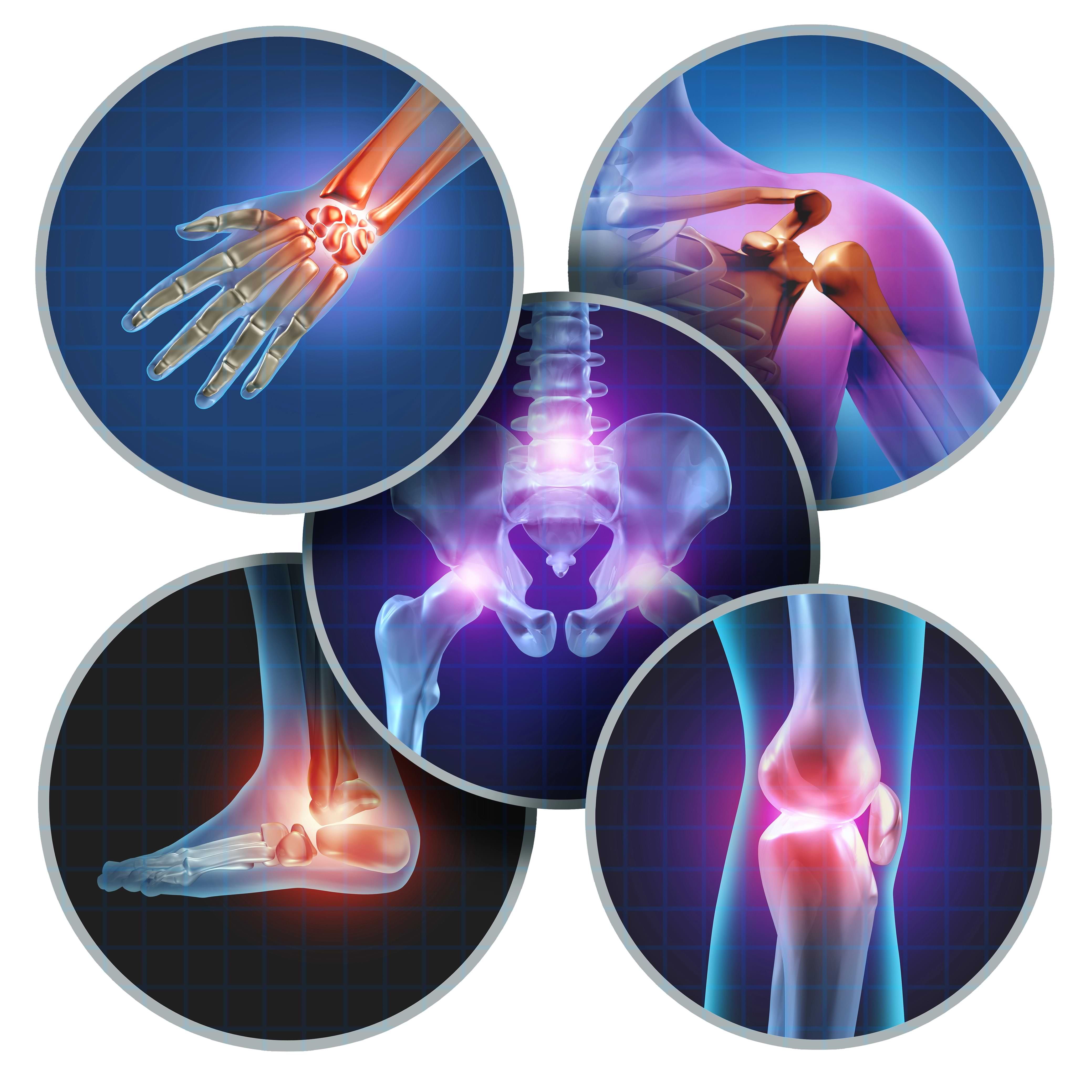







What Research Actually Says About BPC-157 and TB-500, AKA “Wolverine Stack”
BPC-157 and TB-500 have gained considerable attention among patients looking for new approaches to injury recovery, inflammation, and tissue healing. Search online for either peptide, and you will find claims about faster recovery, improved healing, and the combination commonly called the “Wolverine Stack.”
The research tells a more complicated story.
Scientists have been interested in BPC-157 and TB-500 for their potential involvement in biological processes associated with tissue repair. Though, currently, much of the evidence comes from laboratory or animal research rather than large, well-controlled human clinical trials.
What Is the Wolverine Stack?
The “Wolverine Stack” is an informal name for combining BPC-157 and TB-500. Online discussions frequently associate the combination with tendon and ligament healing, muscle recovery, inflammation, and regenerative medicine.
It is not the name of an established medical protocol.
Evidence involving each peptide individually also cannot tell us whether combining them produces better results. To establish that, researchers would need to study the combination itself and compare meaningful outcomes in patients.
At this point, the available evidence does not establish the Wolverine Stack as a proven treatment for injury recovery.
Also Read: BPC-157 and TB-500 in 2026: What the FDA’s Review Means for the “Wolverine Stack”
What Does the Research on BPC-157 Show?
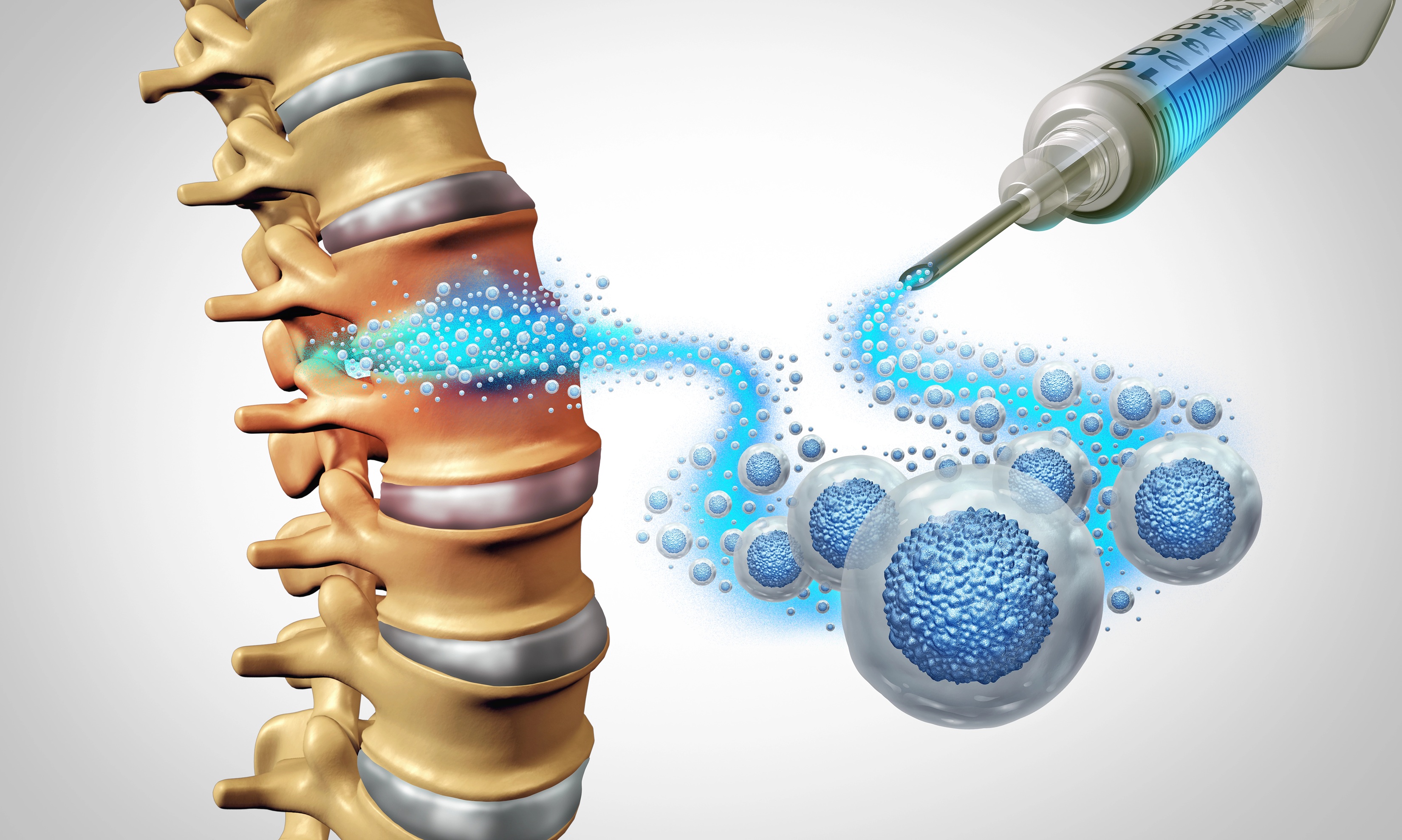
BPC-157 (Body Protection Compound-157) is a synthetic peptide made of 15 amino acids. It's based on a sequence from a protective protein found naturally in human gastric juice. Researchers first studied it for its role in protecting and repairing the lining of the digestive tract. That work led to broader interest in whether it might support healing in other tissues.
Laboratory and animal studies on BPC-157 have been encouraging. In preclinical research, it has been associated with:
● faster healing of tendon, ligament and muscle injuries
● new blood vessel formation, which brings blood supply to damaged tissue
● moderating inflammation
● signaling pathways involved in tissue growth and repair
These findings explain why BPC-157 has drawn so much attention for musculoskeletal injury recovery. The next step is confirming them in people. Animal studies show researchers how a substance behaves and whether it's worth studying further, but they can't predict how people will respond. Human research on BPC-157 so far has been limited to a small number of early-stage studies.
Before BPC-157 could be considered an established treatment for musculoskeletal recovery, researchers would need stronger evidence addressing several questions. Which conditions, if any, respond to treatment? What dose and treatment duration are appropriate? What short- and long-term risks exist? How does treatment compare with established approaches?
Though existing findings are compelling enough to warrant further studies, for now, claims that BPC-157 reliably accelerates healing go beyond what human clinical evidence can establish.
What Does the Research on TB-500 Show?
To understand TB-500, it helps to start with thymosin beta-4 (Tβ4), a small peptide the body makes on its own. Tβ4 is found in nearly every cell and is especially concentrated in platelets and white blood cells, which gather at sites of injury. Its main role is to regulate actin, a protein cells use to move and change shape. That role is a big part of why Tβ4 has drawn interest in tissue repair.
TB-500 is a synthetic peptide modeled on the active region of thymosin beta-4. It's designed to mimic the part of the molecule thought to drive Tβ4's repair-related activity. The two are closely related, but they aren't the same compound.
Research on thymosin beta-4 has been encouraging. Laboratory and animal studies suggest it may support several processes involved in healing:
● helping cells move to the site of an injury
● encouraging new blood vessel formation
● moderating inflammation
● supporting tissue repair while limiting scar formation
Tβ4 has also been studied in early human trials for wound healing and eye surface repair. Those trials showed signs of benefit in some patients, but the results weren't strong enough to establish it as a treatment.
These findings explain the growing interest in TB-500 for musculoskeletal injury recovery. The next step is research on TB-500 itself. Because TB-500 is a fragment rather than the full Tβ4 molecule, results from Tβ4 studies don't carry over to it automatically. Researchers still need human studies that test TB-500 directly and establish which injuries it helps, the right dose, route, and duration, and its short- and long-term safety. Until those studies are done, TB-500 is best described as a promising area of research rather than an established treatment.
Do BPC-157 and TB-500 Work Better Together?
The idea behind combining BPC-157 and TB-500, often called the "Wolverine Stack," is that the two peptides may support healing in different, complementary ways. Research on BPC-157 has focused on blood vessel formation and growth-factor signaling. Research on thymosin beta-4, the peptide TB-500 is modeled on, has focused on helping cells migrate to an injury and limiting scar formation. In theory, pairing two compounds that act through different pathways could support more of the repair process than either one alone.
It's an interesting hypothesis, and it's a big part of why the combination has become popular. The combination itself, though, hasn't yet been studied directly. The research so far looks at each compound on its own, so it can't tell us whether using them together improves results, has no added effect, or brings different risks.
To answer that, researchers need human trials that test BPC-157 and TB-500 together and compare the combination with each peptide alone and with a control group. Those studies would measure:
● pain and function
● recovery time and return to activity
● side effects and safety
Until those studies are done, the Wolverine Stack is best described as a promising idea grounded in early research on each peptide, rather than a proven treatment.
Research Is Only Part of the Recovery Decision
If future research identifies a clinical role for a particular peptide, choosing a treatment still begins with understanding the injury or condition.
Pain in the same part of the body can have very different causes. Shoulder pain, for example, may involve a tendon, joint, bursa, muscle, or another structure. Leg symptoms can sometimes originate from a local injury and other times involve irritation of a nerve.
Those distinctions change the treatment conversation.
Starting with a popular recovery protocol before determining what is causing the symptoms can put treatment ahead of diagnosis. Depending on the condition, established options such as rehabilitation, physical therapy, medication, or interventional treatment may be more appropriate.
Discussing Recovery Options at The Pain Free Institute in Los Angeles
If an injury or pain problem is not improving as expected, the first priority is determining what may be contributing to your symptoms.
At The Pain Free Institute in Los Angeles, we evaluate your symptoms, medical history, previous treatment, and recovery goals before discussing which options may be appropriate. When necessary, physical examination, imaging, or other diagnostic information can help clarify the source of pain.
If you are researching peptide therapy or another emerging treatment, we can also help put the available evidence into the context of your condition. The goal is to make treatment decisions based on your diagnosis and individual circumstances rather than claims surrounding a particular protocol.
Frequently Asked Questions
What Is the Wolverine Stack?
The “Wolverine Stack” is an informal term for combining BPC-157 and TB-500. It is frequently associated online with injury and tissue recovery, but the combination is not an established medical protocol supported by strong human clinical evidence.
Do BPC-157 and TB-500 Have Human Clinical Evidence?
Human evidence remains limited compared with established treatments. Much of the interest in BPC-157 comes from preclinical research, while research involving thymosin beta-4 should not automatically be considered evidence for TB-500.
Is Research on Thymosin Beta-4 the Same as Research on TB-500?
Not necessarily. Research involving a particular thymosin beta-4 compound or formulation cannot automatically establish the safety or effectiveness of every substance or product described as TB-500.
Do BPC-157 and TB-500 Work Better Together?
Current evidence does not establish that combining BPC-157 and TB-500 produces better clinical outcomes. Demonstrating that benefit would require human studies specifically evaluating the combination.
What Should I Look for When Evaluating Peptide Research?
Consider whether the study involved humans, its size and design, whether it included an appropriate comparison group, and what researchers actually measured. Biological findings should be distinguished from meaningful improvements in pain, function, or recovery.
What Should I Discuss With a Doctor Before Considering Peptide Therapy?
Start with the condition you are trying to treat. Discuss your symptoms, diagnosis, medical history, current medications, previous treatments, recovery goals, and the quality of evidence supporting any therapy you are considering.








Medipark
Miracle Mile Surgery Center provides advanced outpatient surgical care with expert physicians and state-of-the-art facilities.
Contact Us
