







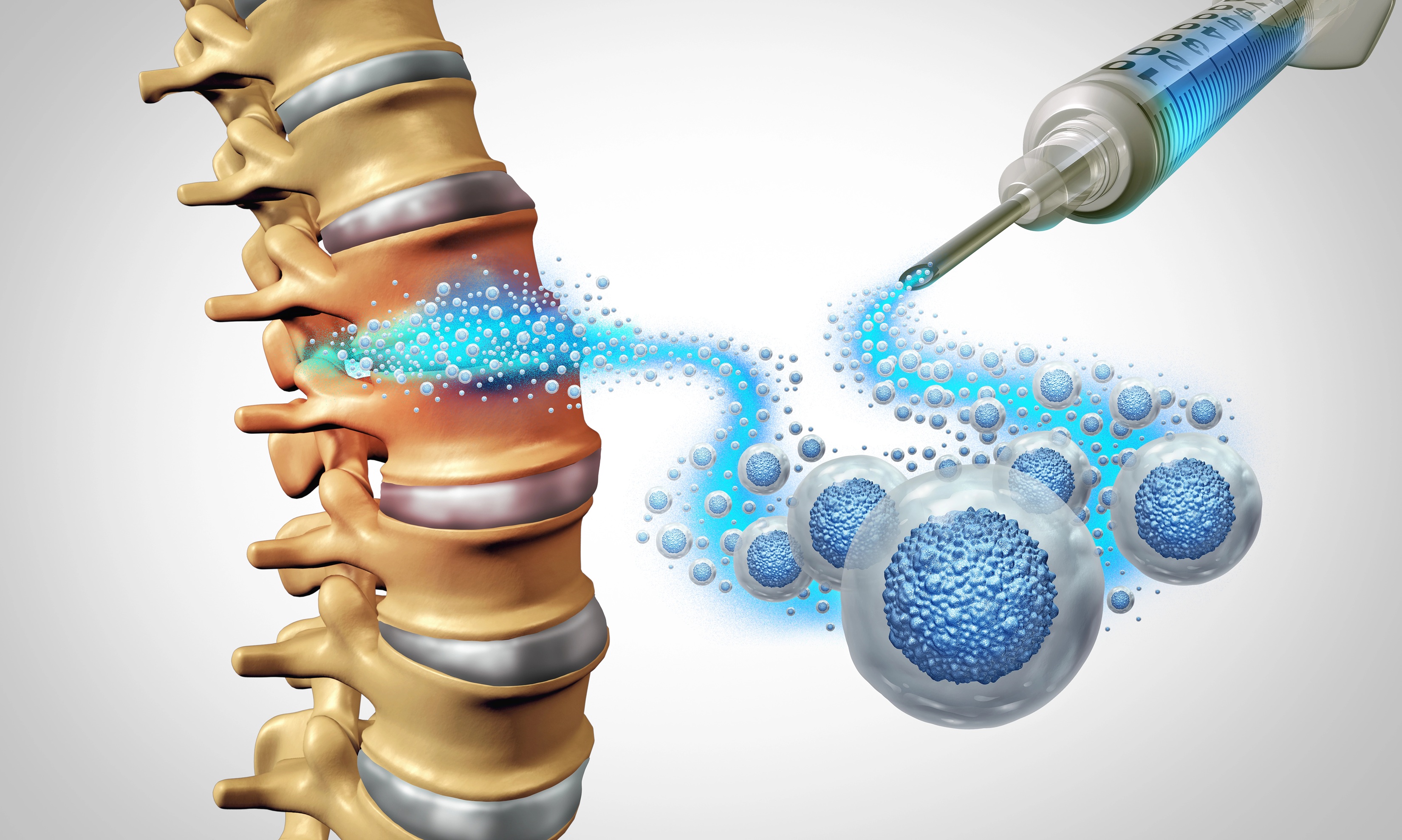










How RFA May Help Chronic Knee Pain From Nerve Signals
Living with chronic knee pain can make everyday activities difficult. Walking, exercising, working, climbing stairs, or simply getting through the day may become more challenging when medications, physical therapy, activity modification, or other conservative approaches have not provided enough relief.
For some appropriately selected patients, radiofrequency ablation (RFA) may offer another pain-management option. RFA uses controlled radiofrequency energy to affect targeted nerves that transmit pain signals from the knee. One approach, called genicular nerve radiofrequency ablation, focuses on sensory nerves around the knee rather than repairing or replacing the joint itself.
Research suggests that genicular nerve RFA can reduce pain for some patients with chronic knee pain, particularly knee osteoarthritis, although outcomes vary and the evidence is not uniform across techniques and patient groups. Recent systematic reviews have found meaningful pain reduction in many patients, while also identifying differences in study quality, treatment techniques, and durability of benefit.
What Causes Chronic Knee Pain and How Do Nerves Contribute?
Knee pain can develop for many reasons, including osteoarthritis, previous injuries, inflammation, degenerative changes, and other musculoskeletal conditions.
The knee contains multiple structures that can contribute to pain, including bones, cartilage, ligaments, tendons, joint tissues, and surrounding soft tissues. Sensory nerves carry information from these structures toward the nervous system, where pain signals are processed.
The genicular nerves are sensory nerves associated with the knee region. Because they can carry pain signals from structures around the knee, they have become targets for certain interventional pain-management procedures.
This leads to an important distinction: treating pain signals is not the same as repairing the underlying joint.
For example, RFA for knee arthritis pain does not rebuild cartilage or reverse osteoarthritis. Instead, the goal is to reduce the transmission of pain signals from targeted nerves.
That distinction is particularly important for patients considering RFA. A reduction in pain does not necessarily mean that the underlying structural condition has disappeared.
Also Read: RFA vs. Nerve Blocks: Which Nerve Pain Treatment Offers Longer-Lasting Relief?
What Is Radiofrequency Ablation for Knee Pain?
Radiofrequency ablation is a minimally invasive pain-management procedure that uses controlled radiofrequency energy to affect a targeted nerve. During RFA for knee pain, a clinician typically uses image guidance to position a specialized needle near the targeted nerve. Once the appropriate location is confirmed, radiofrequency energy is delivered to the target.
The exact technique can vary. Conventional, cooled, pulsed, and other radiofrequency approaches have been studied for genicular nerve treatment, and research continues to examine how technique and patient selection affect outcomes.
Genicular nerve radiofrequency ablation is designed to target sensory nerves around the knee that contribute to pain signaling.
It is different from surgery because the procedure does not involve replacing the knee joint or surgically repairing damaged cartilage.
RFA Treatment Versus Other Knee Pain Approaches
RFA treatment occupies a different place in the spectrum of knee pain care from physical therapy, medications, joint injections, and knee surgery.
Physical therapy may focus on strength, mobility, movement, and function. Other treatments may target inflammation or symptoms within the joint. Surgery may address significant structural problems when appropriate.
Nerve ablation, by contrast, is intended primarily to modify pain transmission.
That means RFA may be considered as one component of a broader pain management strategy rather than as a universal solution for every cause of knee pain.
How Does RFA Target Knee Nerve Signals?
Sensory nerves transmit information from the knee toward the nervous system. When certain nerves are contributing to chronic pain, targeted radiofrequency energy can be used to alter the nerve tissue's ability to transmit those signals.
The procedure does not eliminate every nerve around the knee, nor does it attempt to remove the entire sensory system of the joint.
Instead, the clinician identifies specific target nerves and applies controlled energy to them.
This is the principle behind radiofrequency treatment for knee nerve pain.
How RFA May Help Chronic Knee Pain
How RFA helps chronic knee pain depends on whether the targeted nerves are actually contributing to the patient's symptoms.
For appropriately selected patients, reducing pain signaling may make it easier to move, exercise, participate in rehabilitation, or perform everyday activities. RFA may provide meaningful relief for some patients, but it should not be presented as a guaranteed or permanent solution.
Also Read: Can RFA Help Facet Joint Pain When Injections Stop Working?
Who May Be a Candidate for Genicular Nerve RFA?
Not everyone with chronic knee pain is an appropriate candidate for genicular nerve ablation.
Before considering the procedure, a clinician may evaluate:
- The likely cause of the knee pain
- How long symptoms have been present
- Pain severity and functional limitations
- Previous treatments
- Medical history
- Previous knee procedures or surgery
- Physical examination findings
- Imaging or other diagnostic information when appropriate
- Whether the pain appears consistent with a targetable nerve-mediated component
In some treatment pathways, a diagnostic genicular nerve block may be performed before RFA. The purpose is to help determine whether temporarily numbing the targeted nerves produces meaningful pain relief.
The use of diagnostic blocks and the specific selection process can vary among clinicians and protocols.
This is why RFA for genicular nerve pain should be approached as an individualized clinical decision rather than a treatment automatically indicated by a diagnosis of knee arthritis.
RFA as a Non-Surgical Option
For appropriately selected patients, RFA may represent a non-surgical treatment for chronic knee pain.
That does not mean it replaces every other treatment. Depending on the underlying condition, a comprehensive plan may still involve exercise, rehabilitation, activity modification, medications, injections, or other interventions.
RFA may be considered when conservative treatment has not provided adequate relief, and the patient's clinical situation makes targeted nerve treatment a reasonable option.
What to Expect During and After RFA Treatment
The precise process can vary depending on the clinician, technique, and nerves being targeted.
Generally, the procedure involves positioning the patient, using image guidance to identify the treatment area, placing the RFA device near the selected nerve, and applying controlled radiofrequency energy.
The patient is typically monitored after the procedure before being discharged according to the practice's protocol.
Some patients experience temporary soreness or discomfort around the treatment area afterward.
Pain relief may not be identical for everyone. Some patients may notice improvement relatively quickly, while others may experience a more gradual change.
It is also important to understand that RFA does not necessarily provide permanent relief. Nerve tissue can recover over time, and pain can also return if the underlying joint condition continues to generate symptoms or if other pain sources were not addressed.
Research on durability varies. Some reviews report benefits extending to six or 12 months in portions of the evidence base, while other analyses have found less consistent evidence for sustained benefit compared with non-RFA treatments.
What Are the Risks and Limitations of Knee RFA?
Like other medical procedures, RFA has potential risks and limitations.
Possible short-term effects can include localized soreness or discomfort. There are also procedural risks that should be discussed with the treating clinician, including risks related to needle placement, infection, bleeding, nerve injury, or other complications.
The appropriate risk profile depends on the specific procedure, the patient's health, medications, anatomy, and other factors.
There is also a fundamental limitation to radiofrequency ablation knee treatment: RFA addresses pain signaling rather than directly repairing structural damage.
If severe arthritis, a mechanical problem, ligament injury, or another condition is driving the symptoms, reducing nerve signaling does not eliminate that underlying issue.
Evidence on genicular nerve RFA continues to evolve, and results can vary depending on the technique, condition being treated, patient selection, and length of follow-up. This is why treatment decisions should be based on an individual's circumstances rather than a generalized success rate or a single study.
Can RFA Help Chronic Knee Pain?
For some appropriately selected patients, research indicates that genicular nerve RFA may reduce chronic knee pain. Evidence is strongest for certain patients with chronic knee pain associated with osteoarthritis, although outcomes vary among patients, techniques, and studies.
However, “can help” is different from “will help.”
Not every patient responds, pain may come from sources that the procedure does not address, and relief may change over time.
Also Read: How Radiofrequency Ablation (RFA) Provides Longer-Lasting Relief Than Traditional Steroid Injections
Exploring RFA for Knee Pain in Los Angeles
If chronic knee pain continues despite medications, physical therapy, activity modification, or other conservative treatments, it may be time to explore whether another approach is appropriate. At The Pain Free Institute in Los Angeles, we evaluate persistent pain in the context of your diagnosis, symptoms, previous treatments, medical history, and individual goals.
For some patients, that evaluation may include discussing genicular nerve RFA as a potential option. The goal is not simply to identify another procedure, but to determine whether targeting the nerves contributing to your pain makes sense for your particular situation.
If you are exploring RFA or other non-surgical options for chronic knee pain in Los Angeles, contact The Pain Free Institute to learn more about available treatment and consultation options.
Frequently Asked Questions
Can RFA help chronic knee pain?
Yes, RFA can help chronic knee pain in some appropriately selected patients. Research has found pain reduction following genicular nerve RFA, particularly among patients with knee osteoarthritis, although individual responses vary and evidence regarding long-term comparative benefit is mixed.
How does radiofrequency ablation help knee pain?
RFA uses controlled radiofrequency energy to affect targeted sensory nerves that transmit pain signals from the knee. The goal is to reduce pain signaling rather than repair the underlying joint.
What is RFA for knee pain?
RFA, or radiofrequency ablation, is a minimally invasive pain-management procedure that uses controlled energy to target selected nerves. When used for knee pain, the procedure may target genicular nerves associated with sensory pain signaling.
How does RFA target knee nerve signals?
A clinician uses image guidance to position a treatment device near selected sensory nerves. Radiofrequency energy is then applied to modify the targeted nerve's ability to transmit pain signals.
What is genicular nerve ablation?
Genicular nerve ablation is a procedure intended to reduce pain signaling from selected sensory nerves around the knee. Radiofrequency energy is one technique used to perform genicular nerve ablation.
How long does pain relief from genicular nerve RFA last?
The duration varies. Studies have reported pain benefits lasting several months and, in some patients, longer, but results differ by technique, diagnosis, and individual response. A 2026 systematic review found evidence of benefit through 12 months in the overall literature, while another recent analysis found less consistent sustained benefit compared with non-RFA treatments.
What are the risks and limitations of knee RFA?
Potential risks include temporary soreness and procedure-related complications such as infection, bleeding, or nerve injury. RFA also has an important limitation: it targets pain signaling and does not repair underlying cartilage or reverse structural arthritis. The individual risks and benefits should be discussed with the treating clinician.
Is genicular nerve ablation available for chronic knee pain in Los Angeles?
Genicular nerve ablation is an interventional pain-management option offered by some medical practices. Whether it is appropriate depends on the patient's diagnosis, symptoms, medical history, prior treatment, and clinical evaluation.








Medipark
Miracle Mile Surgery Center provides advanced outpatient surgical care with expert physicians and state-of-the-art facilities.
Contact Us
