
.svg)

















.webp)


What Is Nerve Ablation and How Can It Relieve Chronic Back Pain?
Living with chronic back pain can turn simple daily activities into overwhelming challenges. Many patients try physical therapy, medications, injections, or other conservative treatments but continue to experience pain that interferes with daily life. For certain types of chronic back pain, radiofrequency ablation may provide longer-lasting relief by targeting the nerves carrying pain signals from painful spinal joints.
Why Chronic Back Pain Doesn’t Always Improve with Traditional Treatments
To understand why discomfort lingers, it helps to distinguish between short-term and ongoing conditions. Acute back pain usually stems from sudden tissue injuries, such as a muscle strain or sprain, and typically heals within a few days or weeks. In contrast, chronic back pain persists for three months or longer, often originating from deep structural issues within the spine rather than surface-level muscle fatigue.
Standard care methods like physical therapy, oral anti-inflammatory medications, and rest play an important role in early back pain treatment. Conservative treatments can be highly effective for many causes of back pain, but they do not provide lasting relief for everyone. When pain originates from arthritic or irritated facet joints, symptoms may continue despite an appropriate course of physical therapy, medication, activity modification, or injections.
Depending on the source of pain, steroid injections may provide temporary relief by reducing inflammation. If symptoms return, further evaluation may help determine whether a specific joint or nerve pathway is contributing to the pain. For appropriately selected patients with confirmed facet-mediated pain, radiofrequency ablation may provide longer-lasting relief without the use of corticosteroid medication.
Also Read: How Radiofrequency Ablation (RFA) Provides Longer-Lasting Relief Than Traditional Steroid Injections
How Nerve Ablation Interrupts Pain Signals from the Spine
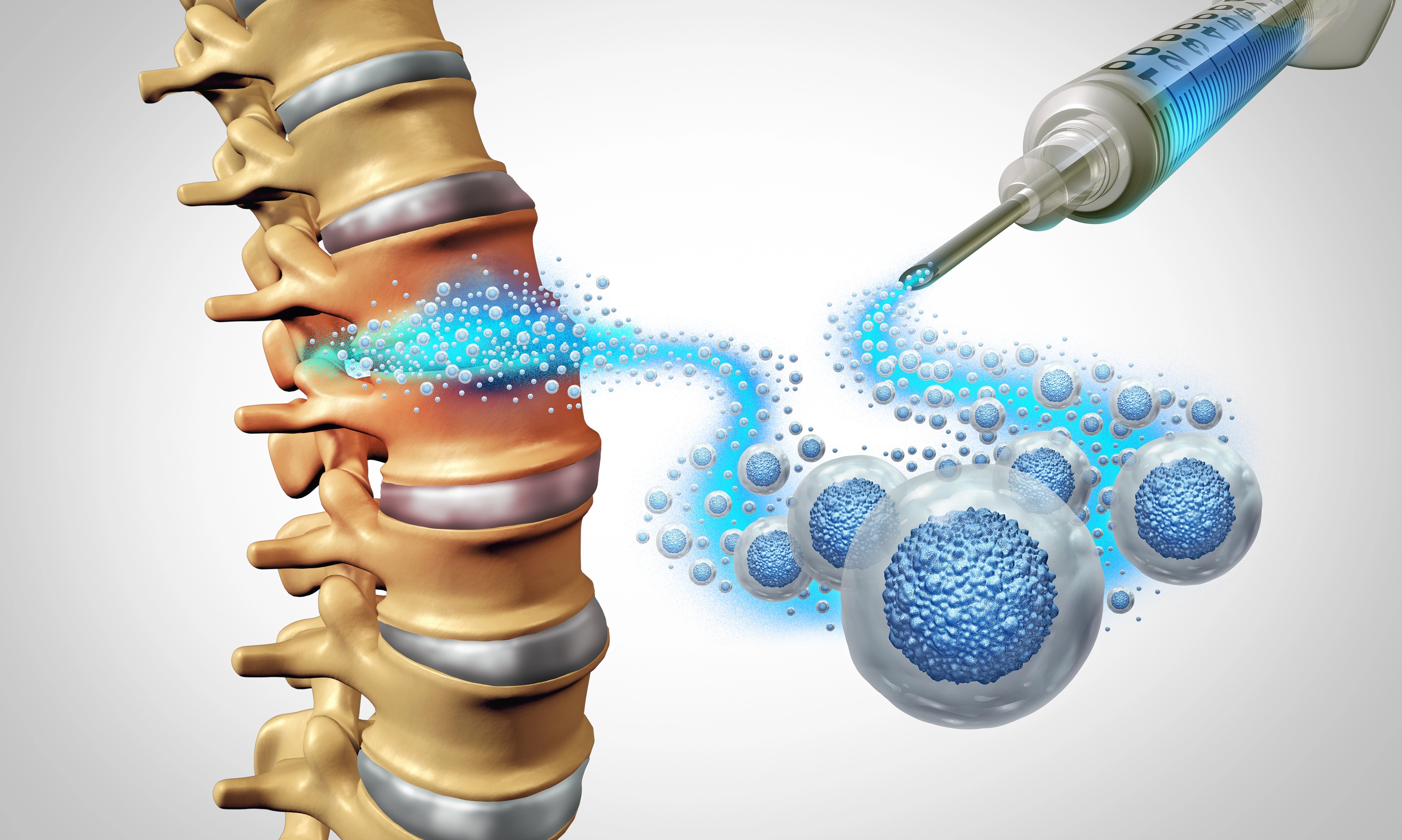
If conservative care has not provided relief, you may ask: how does nerve ablation work for back pain? Also known as radiofrequency ablation (or RFA for back pain), this technique uses targeted thermal energy to disrupt small nerve fibers responsible for sending pain messages from the spine to the brain.
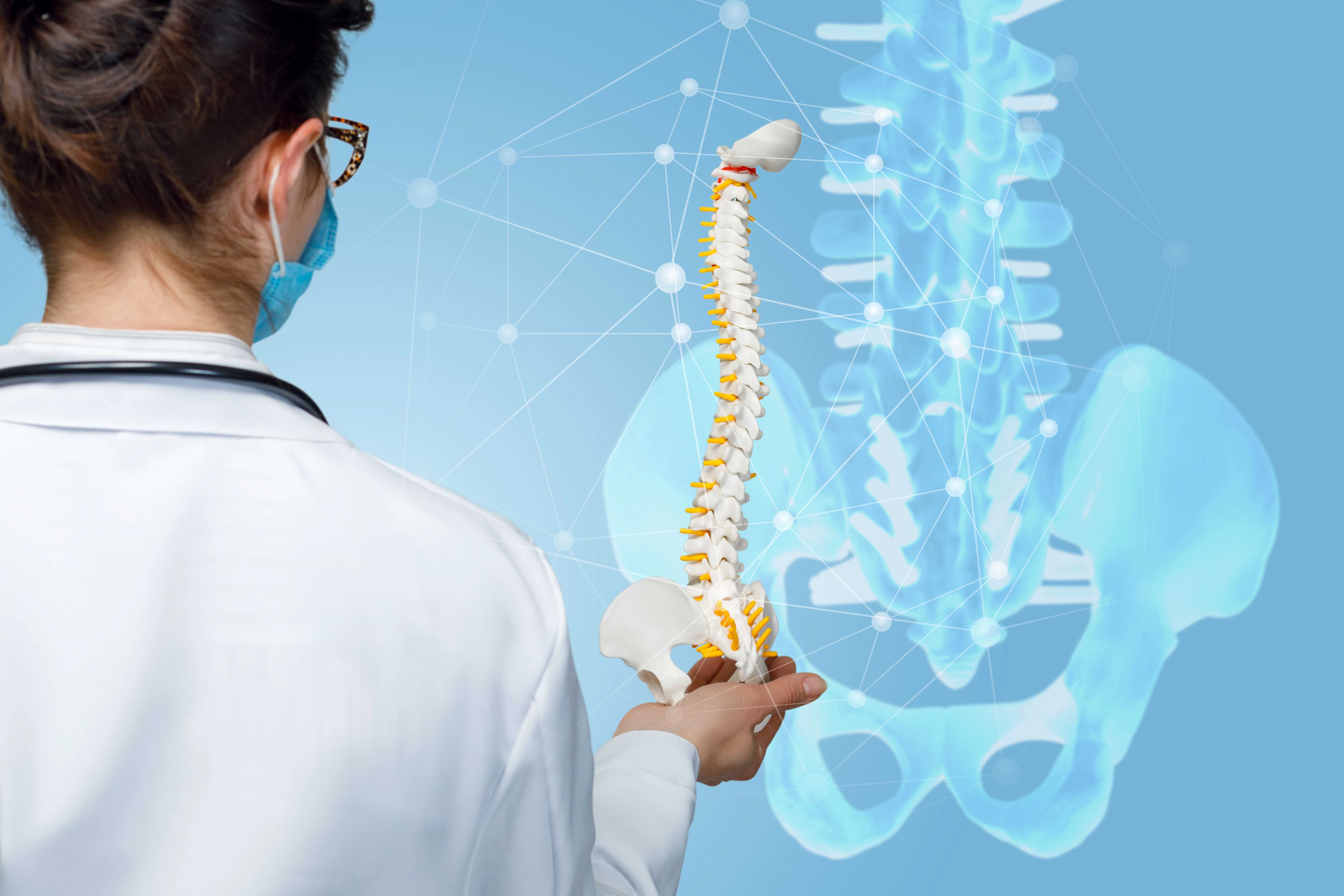
Within the spine, pairs of small facet joints connect adjacent vertebrae, providing stability and allowing the spine to flex and twist. Small sensory nerves, called medial branch nerves, transmit sensory information directly from these facet joints. When facet joints suffer from wear or inflammation, medial branch nerves send continuous distress signals through the central nervous system.
During radiofrequency nerve ablation for back pain, a trained specialist applies heat to precise points along these medial branch nerves. The controlled heat creates a small lesion in the targeted nerve, disrupting its ability to transmit pain signals from the affected facet joint. Because these nerves can regenerate over time, the effect is not permanent.
Which Types of Chronic Back Pain Respond Best to Nerve Ablation?
Not all back discomfort stems from the same tissue source. Radiofrequency ablation for chronic back pain in Los Angeles offers targeted relief specifically for pain generated by spinal joints.
Facet Joint Arthritis
Facet joint osteoarthritis occurs when protective cartilage within the spinal joints wears down over time. As cartilage degenerates and the joint changes over time, inflammation and mechanical stress can contribute to persistent pain and stiffness. Radiofrequency ablation targets the medial branch nerves that carry pain signals from the affected facet joints.
Chronic Mechanical Low Back Pain
Mechanical back pain refers to discomfort aggravated by movement, such as bending backward, standing for long periods, or twisting at the waist. When structural stress on the lumbar facet joints causes ongoing pain, nerve ablation treatment for lower back pain provides targeted relief that helps restore daily mobility.
Neck Pain Caused by Facet Joint Degeneration
While frequently used in the lower spine, nerve ablation for back pain and cervical discomfort can also address upper spine conditions. Degenerative or painful facet joints can also occur in the cervical spine. Depending on which joints are involved, patients may experience localized neck pain, stiffness, pain extending toward the shoulders, or certain types of headache. Cervical medial branch radiofrequency ablation may be considered when diagnostic blocks indicate that the facet joints are a likely source of pain.
When Diagnostic Nerve Blocks Confirm the Pain Source
Before performing radiofrequency ablation, specialists typically use diagnostic medial branch blocks to help determine whether specific facet joints are contributing to the pain. A small amount of local anesthetic is placed near the targeted medial branch nerves. If the block produces significant temporary relief consistent with the expected effect of the anesthetic, it provides evidence that the targeted facet joints may be a source of the patient's pain and helps determine whether RFA is appropriate.
Also Read: RFA vs. Nerve Blocks: Which Nerve Pain Treatment Offers Longer-Lasting Relief?
What Happens Before, During, and After a Nerve Ablation Procedure?
Confirming You're a Candidate
Determining who is a candidate for nerve ablation involves a detailed medical review. A specialist evaluates your health history, conducts a targeted physical examination, and reviews imaging studies, such as MRI or X-ray scans. Imaging may help identify degenerative changes or rule out other potential causes of pain, but imaging findings alone do not establish whether a facet joint is the pain source. The patient's response to diagnostic medial branch blocks helps determine whether radiofrequency ablation may be appropriate.
During the Procedure
The procedure is performed on an outpatient basis, allowing patients to return home the same day. The physician applies a local anesthetic to numb the skin and underlying tissue. Using real-time X-ray guidance (fluoroscopy), the doctor directs a specialized needle right alongside the target medial branch nerve. Once in place, micro-electrodes deliver controlled radiofrequency heating to create a precise, tiny lesion on the sensory nerve.
Recovery and Healing
Because this technique involves no large surgical incisions, recovery is typically swift. Patients may feel mild, temporary soreness at the injection site for a few days following the appointment. Many patients return to light activities relatively quickly, although temporary soreness or an increase in discomfort can occur after the procedure. Pain relief may develop gradually over the following days or weeks. Your physician will provide specific activity and recovery instructions based on your procedure and overall health.
How Long Can Pain Relief from Nerve Ablation Last?
When radiofrequency ablation is successful, pain relief may last for several months and, for some patients, a year or longer. Individual results vary, and pain can return as the treated nerves regenerate.
The duration of relief is temporary because peripheral nerves naturally regenerate over time. As the sensory nerve fibers slowly regrow, pain signals may eventually return. Factors that influence individual longevity include overall physical activity, individual healing rates, and the degree of underlying joint degeneration. If pain returns and evaluation suggests the same facet joints remain the source, repeat radiofrequency ablation may be considered.
Signs You May Be a Good Candidate for Nerve Ablation
You may be considered for radiofrequency ablation if:
- You have experienced continuous spinal pain lasting longer than three months.
- Your discomfort noticeably worsens with standing, leaning backward, or twisting side to side.
- Conservative measures like physical therapy, home exercises, and oral medications have offered limited success.
- You experienced clear, temporary relief following a diagnostic medial branch nerve block.
- You want a non-surgical nerve pain treatment to avoid invasive open surgery or reduce dependence on daily oral pain medications.
What Are the Benefits and Limitations of Nerve Ablation for Chronic Back Pain?
Evaluating how effective is nerve ablation for chronic back pain requires weighing both benefits and limitations.
Benefits
- Potential to Reduce Medication Needs: Some patients may be able to reduce their reliance on pain medication when treatment is successful.
- Minimally Invasive: Performed using fine needles under live imaging, requiring no surgical incisions or lengthy hospital stays.
- Relatively Short Recovery: Many patients are able to resume light activities soon after treatment, depending on their physician's recommendations.
Limitations
- Does Not Fix Structural Defects: The procedure interrupts pain signals, but does not reverse underlying spinal arthritis or disc wear.
- Nerve Regeneration: Relief is not permanent, as nerves eventually regrow.
- Specific Applicability: Highly target-specific; it treats facet-related joint issues but will not resolve pure muscular strains or severe disc herniations.
Unlike a steroid injection, radiofrequency ablation does not use corticosteroid medication. Instead, it targets the specific nerve pathways carrying pain signals from an affected facet joint. For appropriately selected patients, this can provide longer-lasting relief than steroid injections alone.
Also Read: How Concierge Pain Management Helps Active Adults Avoid Surgery and Long Recovery Times
When to Talk to a Pain Management Specialist About Nerve Ablation
Persistent back discomfort should not dictate your quality of life. If recurring pain continues to limit your daily activities despite conservative treatment, an evaluation with a pain management specialist can help determine whether radiofrequency ablation may be appropriate.
During your initial appointment, ask detailed questions such as:
- Are my symptoms consistent with facet joint pain?
- Am I a suitable candidate for a diagnostic nerve block?
- What level of symptom reduction can I anticipate?
Identifying the likely source of pain is an important part of determining whether radiofrequency ablation is an appropriate treatment option.
At The Pain Free Institute, our clinical team focuses on identifying the source of each patient's pain before recommending treatment. While radiofrequency ablation does not change the underlying structure of the spine, it can disrupt pain signals from carefully targeted nerves and may provide longer-lasting relief for appropriately selected patients with facet-mediated pain.
Successful radiofrequency ablation starts with identifying whether the facet joints are truly contributing to the patient's pain. Diagnostic medial branch blocks, clinical evaluation, and appropriate patient selection help determine when RFA is likely to be a reasonable next step.
Contact The Pain Free Institute in Los Angeles today to schedule your consultation and find out if radiofrequency ablation can help you live comfortably.
.png)

.png)





Medipark
Miracle Mile Surgery Center provides advanced outpatient surgical care with expert physicians and state-of-the-art facilities.
Contact Us
