
.svg)














.webp)

Botox for Migraines: Is It Right for You?
Botox® may be an effective preventive treatment for adults living with chronic migraines, particularly those who experience headaches at least 15 days each month despite medication or other therapies. Rather than treating a migraine that's already started, Botox is designed to reduce how often migraines occur over time.
The important question isn't whether Botox works. It's whether it's the right treatment for your specific type of headache.
In this guide you'll learn:
- Who qualifies for Botox migraine treatment
- How Botox Helps Prevent Chronic Migraines
- What treatment involves
- When you'll notice results
- Who may not be a candidate
- Questions to ask before deciding
Chronic Migraines Are Different From Occasional Migraines
Many people describe any severe headache as a migraine, but from a medical standpoint, there is an important difference between episodic migraine and chronic migraine.
Someone who experiences migraines a few times each month may have episodic migraine. Chronic migraine is different because headaches become part of everyday life.
Generally, chronic migraine means:
- Headaches occur on 15 or more days each month
- At least 8 of those headache days have migraine features
- The pattern continues for three months or longer
People living with chronic migraine often describe feeling as though they never fully recover between attacks. Even on days without a migraine, they may experience lingering sensitivity to light, neck discomfort, fatigue, or anxiety about when the next episode will begin.
By this stage, many patients have already tried several treatment approaches. Some medications helped for a while before becoming less effective. Others caused side effects that were difficult to tolerate. Lifestyle changes may reduce certain triggers but rarely eliminate migraines altogether.
That's why preventive therapies become an important part of long-term care.
Also Read: Headache and Migraine Treatment in Los Angeles: Finding Lasting Relief at The Pain Free Institute
How Botox Helps Prevent Chronic Migraines
One of the biggest misconceptions about Botox is that it works for migraines simply because it relaxes muscles.
While muscle relaxation may contribute in some situations, that's not considered its primary mechanism for chronic migraine prevention.
Botox works by interrupting the release of certain chemical messengers involved in pain transmission. Those messengers help activate nerve pathways associated with migraine attacks. By reducing that activity, Botox may decrease how frequently those pain pathways become activated.
The difference becomes clearer when you compare Botox with medications taken during a migraine attack:
Traditional migraine medications are often designed to stop a migraine that's already happening.
Botox is designed to make migraines happen less often.
That's an important distinction because many patients expect immediate pain relief after their first treatment. Instead, Botox is intended to gradually reduce the number of migraine days over time.
Botox Prevents Migraines Rather Than Treating One That's Already Started
Many migraine treatments are designed to stop or shorten an attack after symptoms begin. Botox works differently.
Patients often use Botox alongside other migraine treatments rather than replacing them completely.
Who Qualifies for Botox Migraine Treatment?
Not everyone with migraines should receive Botox.
The treatment is specifically approved for adults with chronic migraine and has not been shown to be effective for preventing episodic migraine.
You may be a candidate if you:
- Experience headaches at least 15 days each month
- Have migraine symptoms on at least 8 of those headache days
- Have lived with this pattern for at least three months
- Continue having significant migraines despite preventive treatment or cannot tolerate medication side effects
Your provider will also want to understand your migraine history in detail.
Questions often include:
- How many headache days do you have each month?
- How long do they last?
- What symptoms occur during an attack?
- Which medications have you already tried?
- Have your headaches changed over time?
Keeping a headache diary before your appointment can make this discussion much easier. Recording headache frequency, duration, possible triggers, and medication use provides valuable information when deciding whether Botox is appropriate.
Also Read: Nerve Blocks for Migraines: Who Benefits and What to Expect
Who Should Avoid Botox for Migraines?
Botox isn't appropriate for everyone. Certain neuromuscular disorders, allergies to the medication, pregnancy considerations, or other medical factors may influence whether treatment is recommended. Your provider will review your medical history to determine whether Botox is a safe option for you.
Signs It May Be Time to Consider Botox
You may benefit from discussing Botox with a pain management specialist if:
- You schedule your life around migraine attacks.
- Headaches interfere with work or family activities.
- You're taking rescue medication multiple times each week.
- Preventive medications haven't provided enough relief.
- You have more headache days than headache-free days most months.
When Botox May Not Be the Best Next Step
Botox can be highly effective for chronic migraine, but it's not the right treatment for every headache disorder.
Depending on your symptoms, your provider may first evaluate for:
- Episodic migraine
- Medication-overuse headache
- Tension-type headache
- Cervicogenic headache
- TMJ-related pain
- Sinus conditions
- Other neurological disorders
An accurate diagnosis is one of the most important parts of migraine treatment because different headache disorders often require very different treatment approaches. A thorough evaluation helps identify the type of headache you're experiencing so treatment can be matched to the underlying cause rather than simply the symptoms.
What Happens During Botox Treatment?
One of the first questions many patients ask is whether migraine Botox is the same as cosmetic Botox.
The medication itself is the same. The difference lies in why it's being used, how much is injected, and where it's placed.
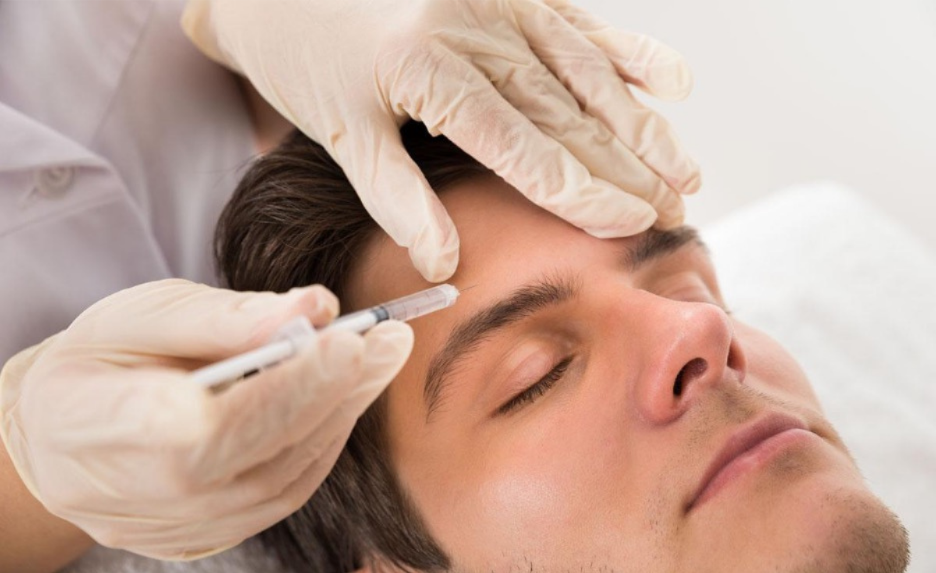
For chronic migraine prevention, Botox follows a standardized treatment protocol developed through years of clinical research. Rather than targeting facial wrinkles, the injections are placed into specific muscles across the forehead, temples, back of the head, neck, and shoulders that are involved in migraine pain pathways. The FDA-approved protocol uses 31 injections across seven muscle areas, with treatments typically repeated every 12 weeks.
Although hearing "31 injections" can sound intimidating, most patients are surprised by how quickly the procedure is completed. The needles used are very small, and the appointment itself generally takes only about 15 to 20 minutes.
You can usually return to work, drive home, or resume your normal daily routine immediately afterward.
When Will You Start Feeling Better?
Botox isn't designed to stop a migraine that's already in progress.
Instead, it works gradually by reducing the activity of pain pathways involved in chronic migraine.
Some people notice fewer headaches within the first month after treatment, while others don't experience meaningful improvement until after their second treatment cycle. Because of this gradual response, many specialists recommend completing at least two treatment sessions before deciding whether Botox has been effective.
This can be frustrating if you're hoping for immediate relief, but setting realistic expectations is important. Migraine prevention is often measured over months rather than days.
How Long Does Botox Last for Migraines?
For most patients, Botox helps prevent migraines for about 12 weeks, which is why treatments are typically scheduled every three months. Keeping treatments on schedule helps maintain the preventive effect.
Can Botox Be Combined With Other Migraine Treatments?
Yes.
Botox doesn't have to replace every other migraine treatment you're using.
Many patients continue taking medications to stop migraines when they occur while using Botox as their preventive therapy. Depending on your medical history, your provider may also recommend combining Botox with lifestyle changes, trigger management, physical therapy, or other preventive medications.
Migraine treatment is often most successful when multiple contributing factors are addressed rather than relying on a single therapy.
The right combination depends on:
- How often migraines occur
- How severe they become
- Previous treatment response
- Other medical conditions
- Your personal treatment goals
Rather than following the same plan for every patient, treatment should reflect your individual migraine pattern.
Also Read: Concierge Medicine for Active Adults Who Want to Stay Out of the Operating Room
Questions Patients Often Ask About Botox for Migraines
Will Botox change how my face looks?
Botox for chronic migraines follows a medical injection protocol that differs from cosmetic Botox. Most patients notice little or no change in their appearance because the goal is migraine prevention, not wrinkle reduction.
Can I stop taking migraine medication?
Not necessarily. Many patients continue using Botox alongside other migraine treatments, and any medication changes should be made under your provider's guidance.
What happens if the first treatment doesn't help?
Botox doesn't work immediately for everyone. Many patients see greater improvement after their second or third treatment, so your provider may recommend continuing treatment before evaluating the results.
Can Botox be combined with other migraine treatments?
Yes. Botox is often used with other preventive medications, rescue treatments, and lifestyle strategies as part of a comprehensive migraine management plan.
When Should You Talk to a Pain Management Specialist?
If headaches are becoming part of your routine instead of an occasional event, it may be time to think beyond treating each migraine as it happens.
An evaluation may be worthwhile if:
- You have headaches 15 or more days each month.
- Migraine attacks interfere with work, family life, or daily activities.
- Preventive medications haven't provided enough relief.
- Medication side effects have become difficult to tolerate.
- You're looking for a longer-term strategy to reduce migraine frequency.
Not everyone with migraines is a candidate for Botox, and that's okay. The goal of an evaluation isn't to steer every patient toward injections. It's to identify the treatment approach that's most appropriate for your specific diagnosis and symptoms.
What Patients Often Overlook
Many people wait years before discussing preventive migraine treatment because they've accepted frequent headaches as part of life.
If you're experiencing headaches several times each week, using rescue medication more often than you'd like, or avoiding activities because you're worried about triggering another migraine, it may be time to consider a different approach.
The goal isn't simply to treat migraine attacks after they begin. It's to reduce how often they happen in the first place.
Should You Consider Botox for Chronic Migraines?
Botox isn't the right treatment for everyone who experiences migraines, but it can make a meaningful difference for adults living with chronic migraine. The first step is understanding why your headaches are happening and whether chronic migraine is the right diagnosis. From there, your provider can determine whether Botox or another treatment is the most appropriate option.
At The Pain Free Institute, we evaluate each patient's symptoms, headache history, previous treatments, and overall health before recommending Botox or other evidence-based migraine therapies. If chronic migraines are interfering with your quality of life, an evaluation can help determine whether Botox is an appropriate next step or whether another treatment may better fit your needs. Contact us today for an appointment.
.png)

.png)





Medipark
Miracle Mile Surgery Center provides advanced outpatient surgical care with expert physicians and state-of-the-art facilities.
Contact Us
