
.svg)











.webp)


How Long Should You Wait Before Treating a Sports Injury?
Many people delay sports injury treatment because they assume the pain is just soreness. Others do not want to miss work, training, or recreational activities. Some individuals hope that rest alone will solve the problem.
While some sports injuries improve with a short period of rest and simple home care, others become more difficult to manage when left untreated. Waiting too long may increase inflammation, reduce mobility, and make injury recovery take longer than expected.
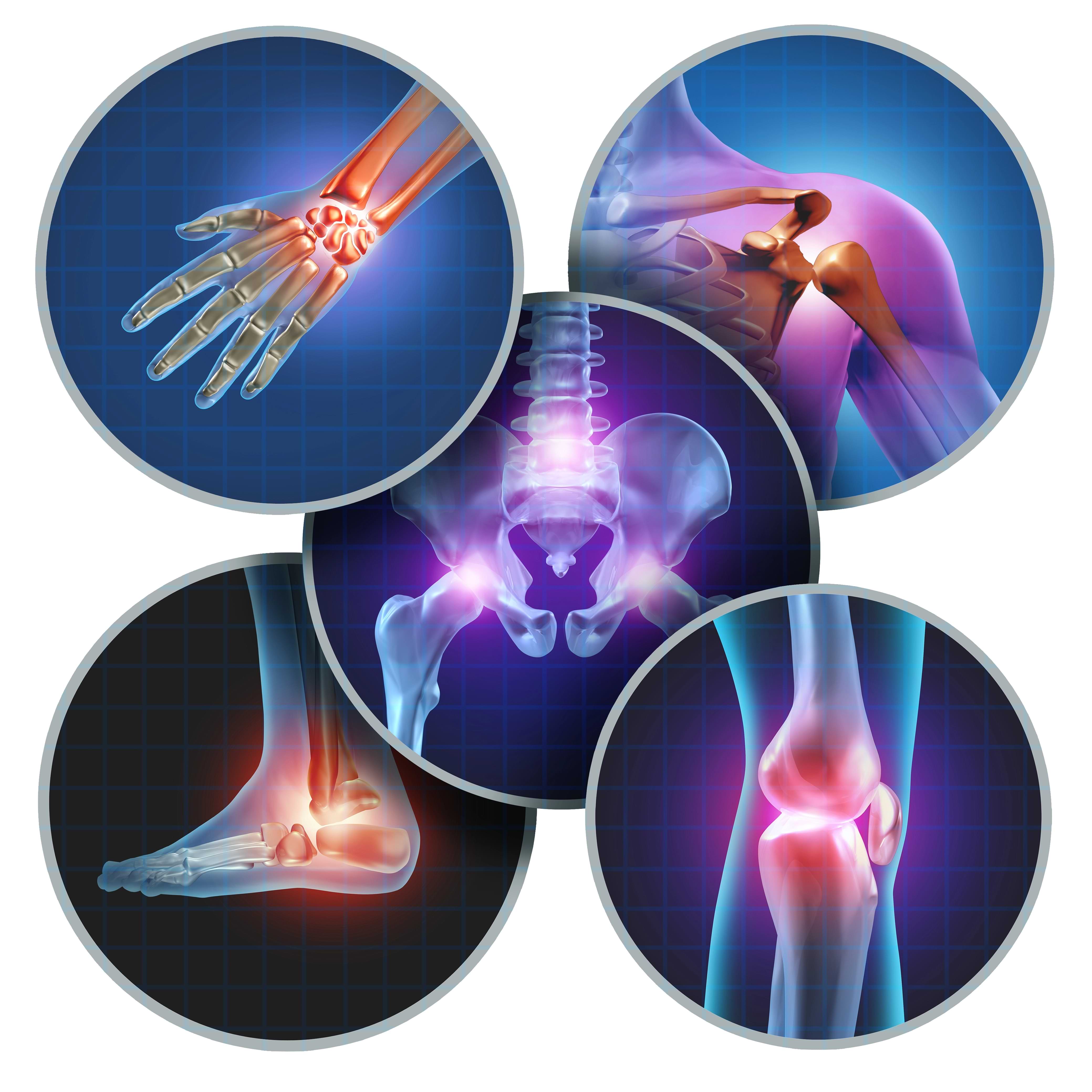
Understanding injury symptoms and knowing when to seek treatment for a sports injury can help you make informed decisions. For patients with a sports injury in Los Angeles, an early evaluation can help identify the source of pain and determine whether treatment is needed. The right injury care at the right time may also lower the risk of long-term discomfort and help you return to the activities you enjoy sooner.
The First 24-72 Hours: What You Should Do Immediately
The first few days after an injury often play an important role in recovery. If pain changes the way you move, stop the activity immediately. Continuing to play through the pain can place additional stress on injured muscles, tendons, ligaments, or joints.
During the first 24 to 72 hours:
- Protect the injured area from additional strain.
- Use ice for short periods when appropriate to help manage pain and swelling.
- Consider compression when appropriate for the injured area.
- Elevate an injured arm or leg when swelling is present, and elevation is practical.
- Avoid returning to sports while activity continues to cause significant pain or altered movement.
It is also important to understand the difference between normal post-workout soreness and an injury.
Delayed onset muscle soreness (DOMS) typically develops hours after unfamiliar or strenuous exercise, often becoming most noticeable within one to three days. It usually causes muscle tenderness or stiffness and gradually improves over several days.
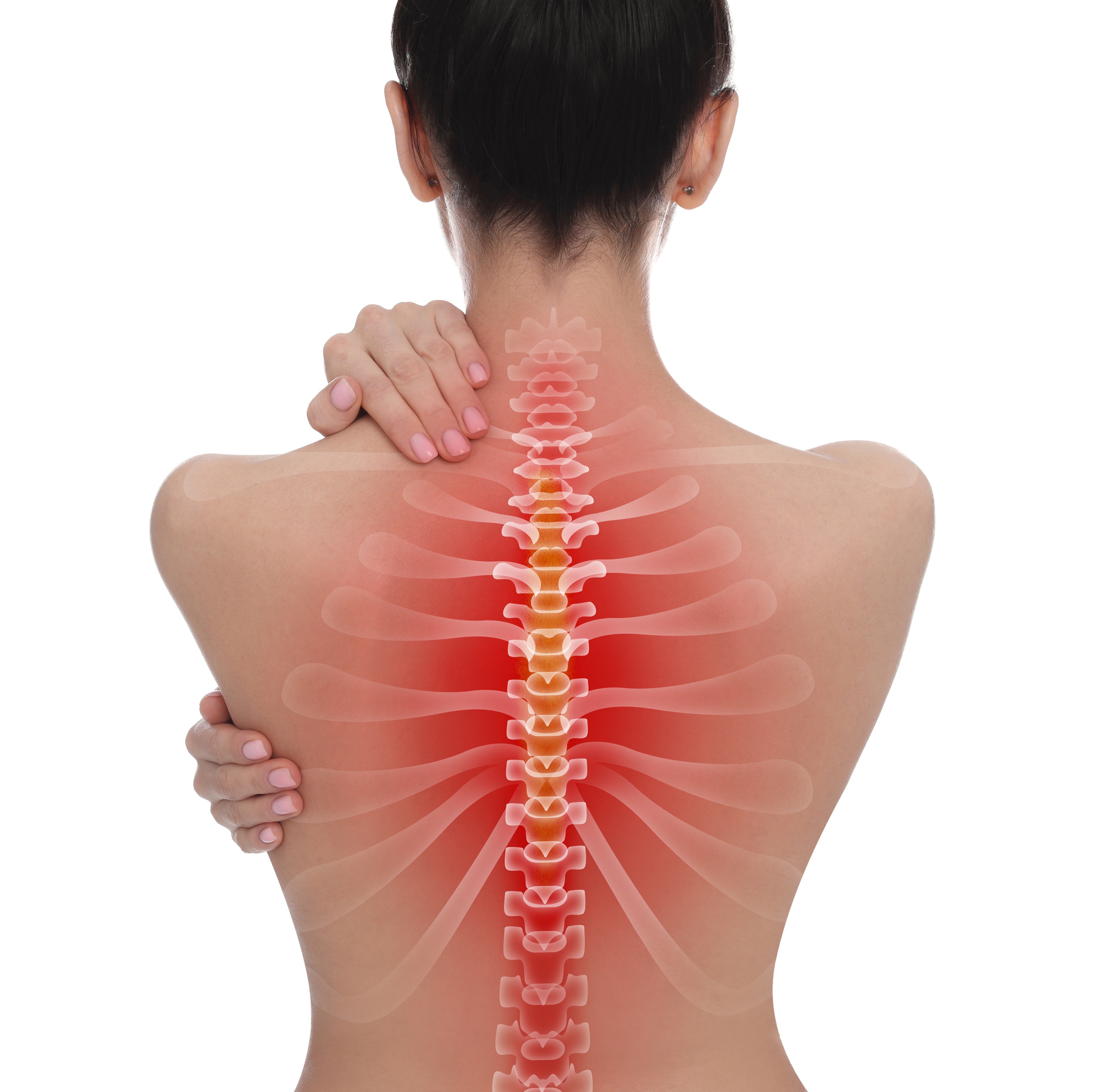
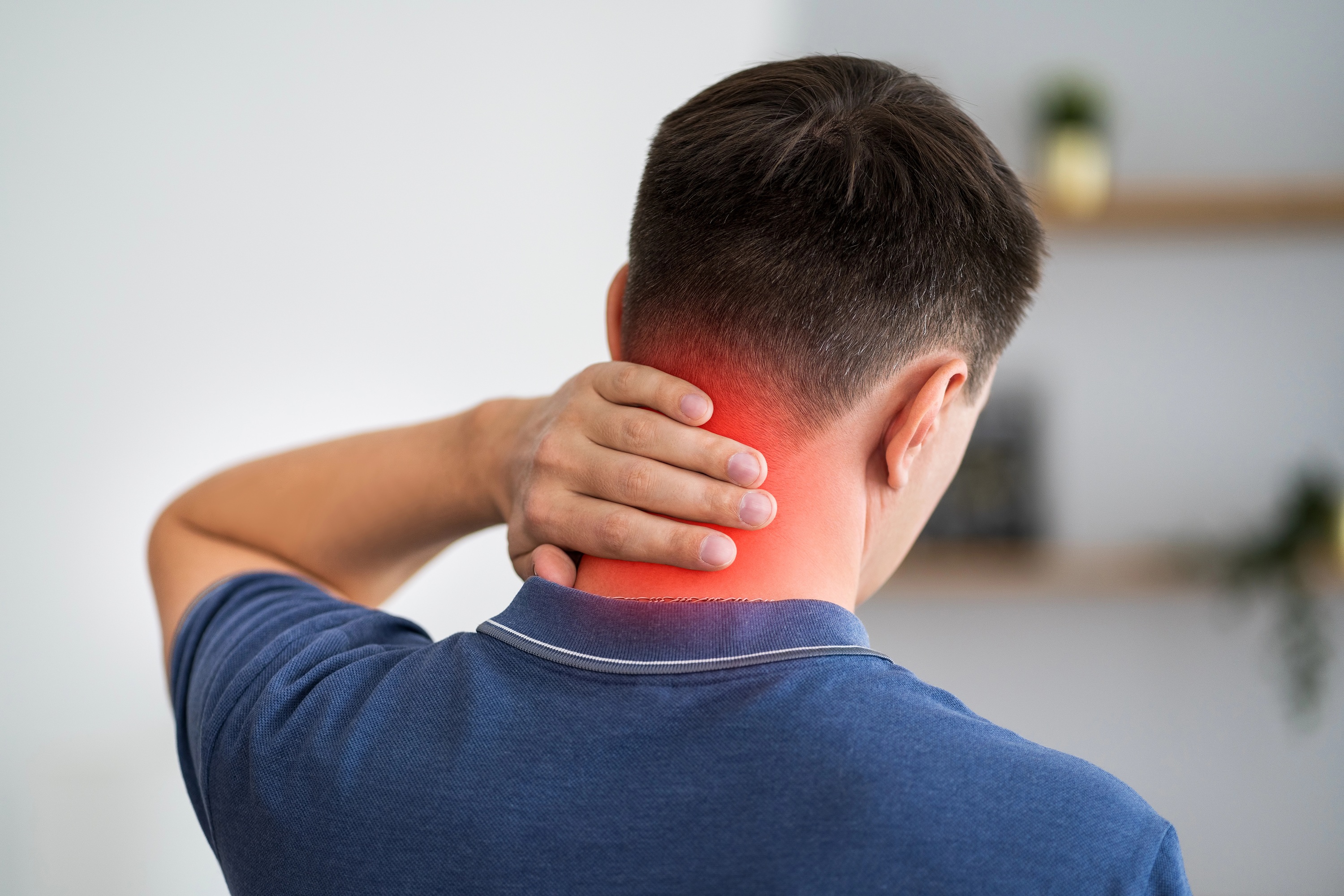
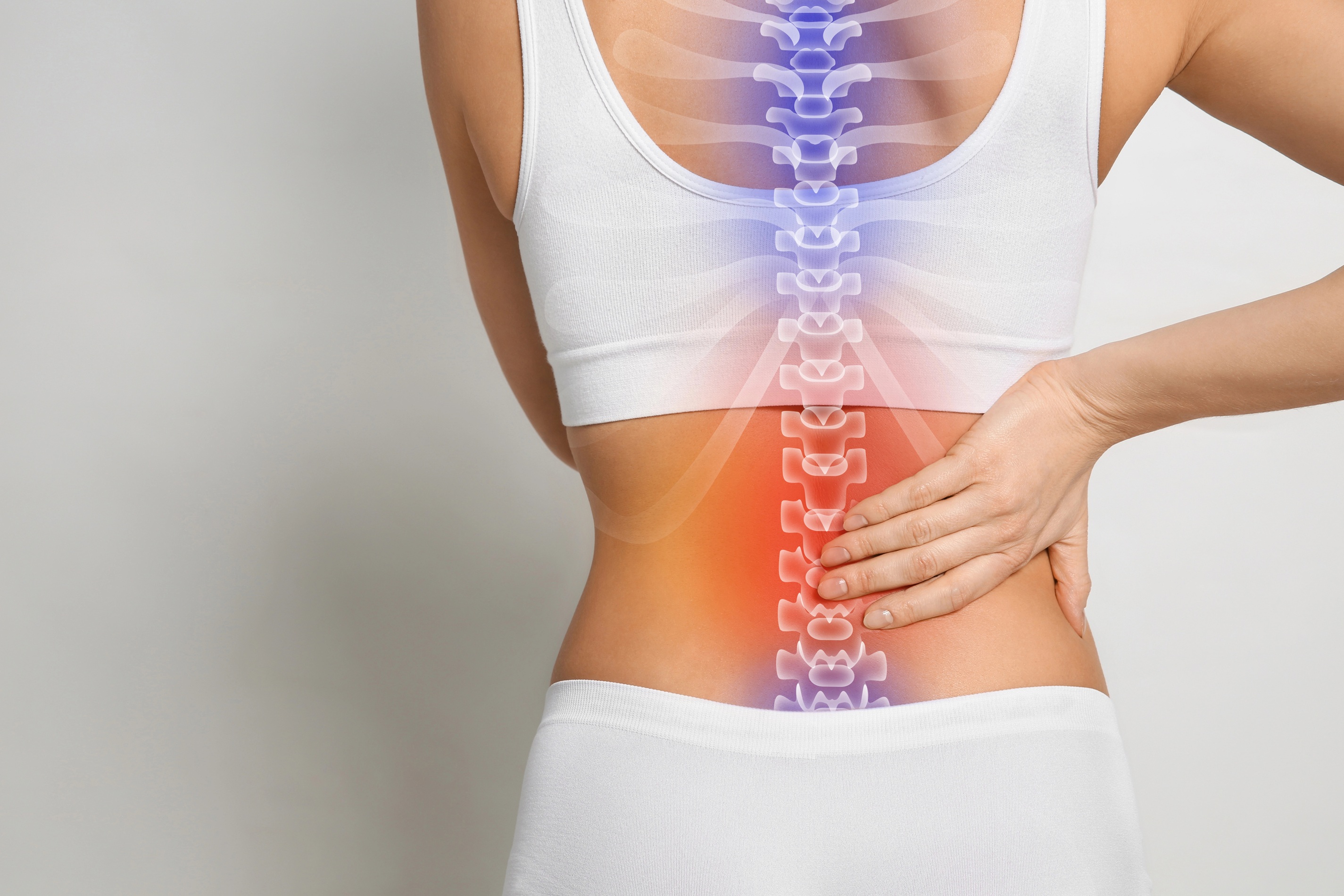
An acute injury is different. Pain often begins suddenly during activity and may be accompanied by swelling, bruising, weakness, or reduced movement. These injury symptoms may indicate damage that requires more than rest.
Knowing when a sports injury needs treatment starts with recognizing the difference between expected post-exercise soreness and symptoms that suggest an actual injury.
Also Read: The Hidden Cost of Delaying Musculoskeletal Injury Treatment
How Long Is Too Long to Wait?
Many people wonder how long they can safely wait before having a sports injury evaluated.
For minor injuries, a few days of observation may be reasonable if symptoms steadily improve. Mild muscle strains, small bruises, and temporary stiffness often respond well to activity modification and home care. Continue monitoring your symptoms during this time.
If symptoms are not steadily improving after several days, continue to interfere with normal movement, or make it difficult to return to usual activities, a professional evaluation may be appropriate. More severe symptoms should be evaluated sooner rather than waiting for a specific number of days to pass.
You should not continue waiting if:
- Pain stays the same or becomes worse.
- Swelling remains noticeable.
- Your range of motion is still limited.
- Returning to exercise immediately causes pain.
- Daily activities remain uncomfortable.
Persistent pain, swelling, weakness, or limited movement may occur with ligament, tendon, cartilage, or other musculoskeletal injuries that warrant further evaluation.
If you are asking yourself should I see a doctor for a sports injury, the answer often depends on how your symptoms progress over the first week. Ongoing pain is one of the clearest signs a sports injury needs treatment.
If you are unsure when to get a sports injury checked, it is generally better to seek an evaluation before symptoms become chronic. When symptoms persist, identifying the injury can help determine which treatment or rehabilitation approach is appropriate.
7 Warning Signs You Shouldn't Ignore
1. Severe swelling
Rapid or significant swelling may indicate damage to ligaments, muscles, or joints that deserves prompt evaluation.
2. Inability to bear weight
If you cannot comfortably stand or walk after an injury, medical assessment is recommended to rule out fractures or significant soft tissue injuries.
3. Joint instability or giving out
A knee, ankle, or shoulder that feels unstable may suggest ligament damage requiring further examination.
4. Numbness or tingling
New or persistent numbness, tingling, or weakness after an injury may indicate nerve involvement and should be evaluated promptly, particularly if symptoms are worsening.
5. Sharp pain with movement
Pain that occurs every time you move a joint often signals more than routine muscle soreness.
6. Visible deformity or suspected fracture/dislocation
A joint or limb that appears deformed after an injury, or an injury accompanied by severe pain and loss of normal function, requires prompt medical evaluation.
7. Symptoms that return every time you exercise
If pain repeatedly returns whenever you resume activity, the underlying injury may still need further evaluation or rehabilitation.
These symptoms are reasons to seek medical evaluation rather than continuing to wait for the injury to improve on its own.
Also Read: Shockwave Therapy for Athletes With Lingering Injuries
What Can Happen If You Wait Too Long?
Delaying injury treatment does not always allow the body to heal naturally. Instead, the body may begin compensating for pain by changing how you walk, run, lift, or move.
These compensation patterns can place additional stress on nearby muscles and joints, increasing the chance of developing secondary injuries.
Waiting too long may also contribute to:
- Persistent pain or swelling
- Reduced flexibility or joint mobility
- Muscle weakness from reduced activity
- Compensatory movement patterns
- A longer or more complicated rehabilitation process
Early evaluation can be particularly useful when symptoms are persistent, worsening, or affecting normal movement because it allows the underlying injury to be identified before returning to activity.
Early Treatment Doesn't Always Mean Surgery
Many people worry that seeking care automatically means surgery. Fortunately, that is often not the case.
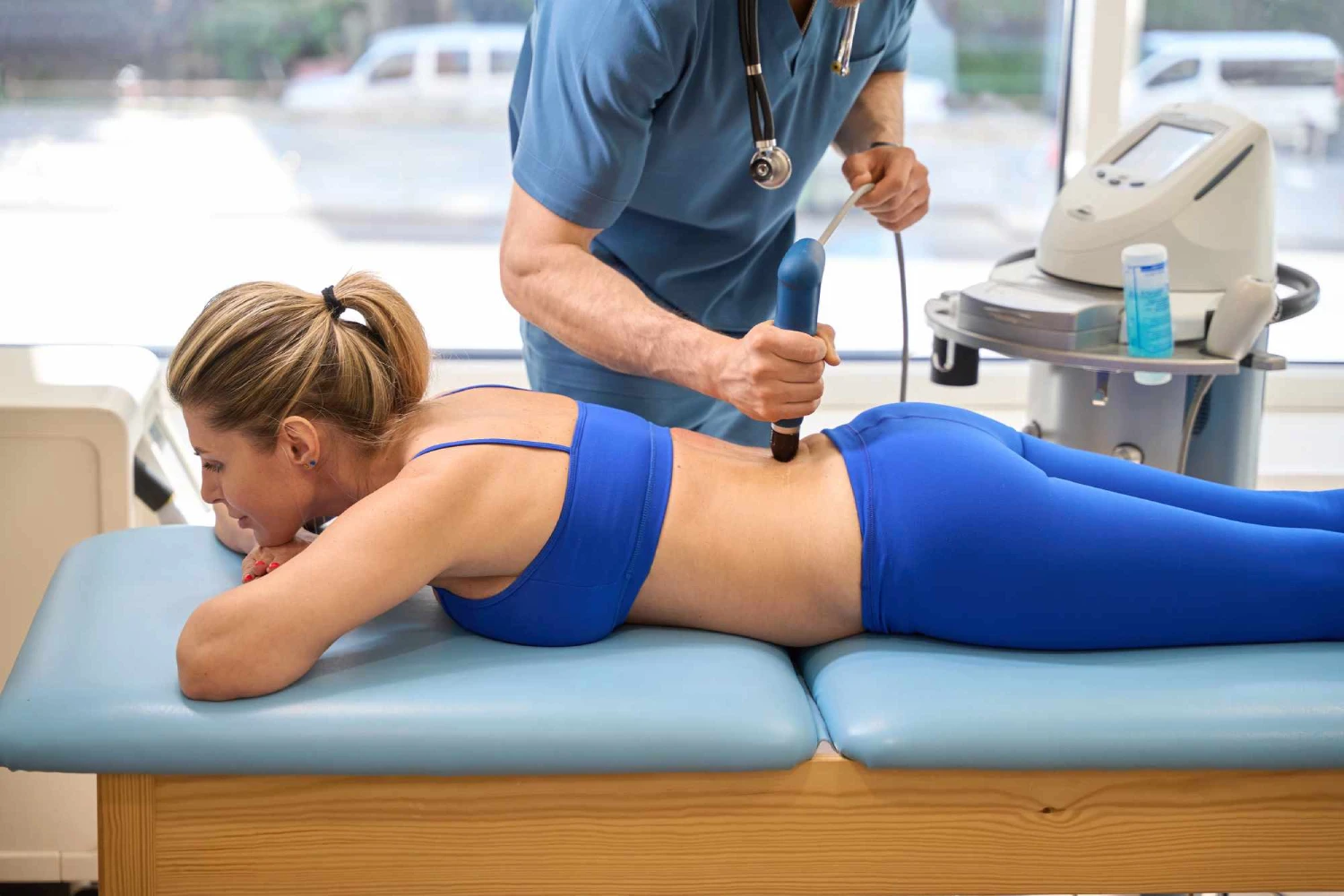
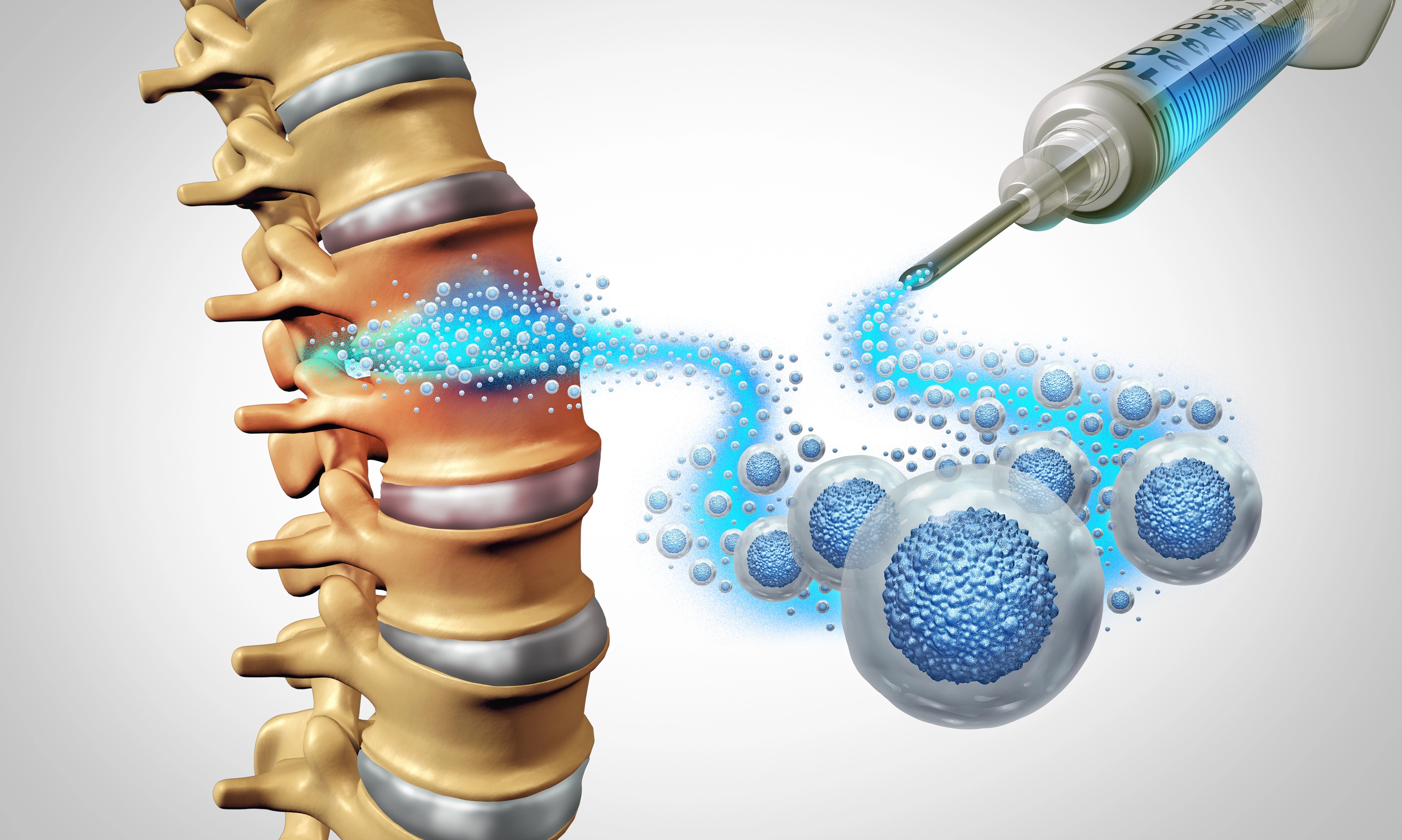
At The Pain Free Institute, treatment begins with a detailed evaluation to identify the source of pain and recommend the most appropriate plan. Depending on the diagnosis, treatment may include activity modification, rehabilitation recommendations, shockwave therapy, regenerative medicine, image-guided procedures, or other minimally invasive approaches when clinically appropriate.
Early diagnosis allows providers to determine which therapies best match your condition before pain becomes chronic. Timely evaluation can help determine whether conservative or minimally invasive treatment is appropriate and whether additional imaging, rehabilitation, or specialist care is needed.
When to Schedule an Evaluation
Consider scheduling an appointment if:
- Your pain does not improve or interferes with normal activities.
- The pain keeps coming back.
- The swelling does not improve.
- Your strength or range of motion has decreased.
- You are changing the way you walk, run, or move because of pain.
If you are uncertain when to seek treatment for a sports injury or when to get a sports injury checked, an evaluation can help determine whether additional sports medicine care is appropriate.
Also Read: Focused Shockwave Therapy vs. Radial Shockwave: Which One Actually Supports Tissue Healing?
Conclusion
Not every sports injury requires immediate medical treatment. Minor strains and soreness often improve with time and appropriate home care.
However, waiting too long can allow certain sports injuries to become more difficult to treat. Recognizing symptoms that warrant medical attention and seeking care when an injury is not improving can help prevent an early return to activity from making the problem worse.
If a sports injury is keeping you from your normal activities, The Pain Free Institute in Los Angeles provides comprehensive evaluations and minimally invasive treatment options based on the underlying diagnosis. Early assessment can help support healing and get you back to the activities you enjoy.
.png)

.png)



Medipark
Miracle Mile Surgery Center provides advanced outpatient surgical care with expert physicians and state-of-the-art facilities.
Contact Us
