
.svg)
















.webp)


Nerve Blocks for Migraines: Who Benefits and What to Expect
Migraines are often dismissed as simple headaches, but for those living with them, they are a neurological event that can stop life in its tracks. The throbbing pain, sensitivity to light, and nausea can last for days, leaving patients searching for a way to break the cycle. When standard pills do not work, or the side effects become too much to handle, The Pain Free Institute looks toward more direct methods of relief.
Nerve blocks have emerged as a significant resource for people who feel stuck in a loop of recurring pain. By targeting the specific path ways that carry pain signals, these injections offer a different path forward for those who have not found success with traditional pharmaceutical options.
What Is a Nerve Block?
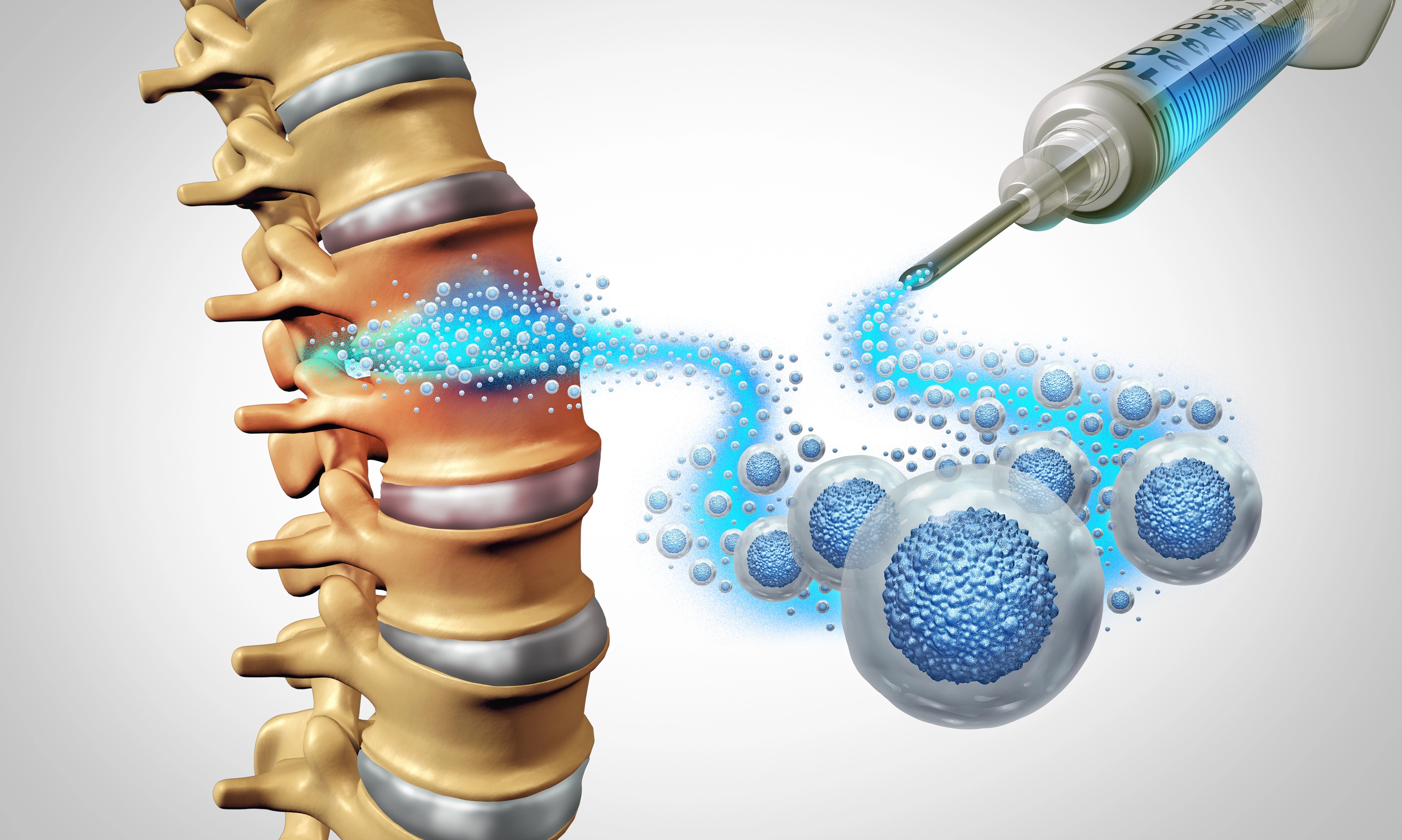
A nerve block is a medical procedure in which a small amount of medication is injected near a specific nerve or group of nerves. The primary aim is to dampen the pain signals traveling from that area to the brain.
In the context of migraines, these injections usually contain a local anesthetic. This numbs the area quickly. Sometimes, a steroid is included to help calm inflammation around the nerve tissue. While oral medications must travel through your digestive system and blood stream, a nerve block goes directly to the site of irritation.
Several nerves are commonly involved in migraine and headache treatment:
● Occipital Nerves: Located at the back of the head, just above the neck.
● Supraorbital Nerves: Found near the eyebrows and fore head.
● Trigeminal Nerve: A major nerve involved in facial and head sensations.
By interrupting the pain signals at these specific points, the procedure can provide a window of relief that oral medication may not achieve.
Also Read: Headaches, Migraines, and Nerve Pain Treatments
Why Nerve Blocks Are Used for Migraines
Many patients reach a point where daily preventive pills or rescue medications stop working. This is often when migraines become frequent, occurring 15 or more days per month. At this stage, the nervous system can become hypersensitive.
Nerve irritation in the neck or scalp often fuels the fire of a migraine. When these nerves stay in a state of high alert, they send constant distress signals. A nerve block acts like a reset for these pathways. Instead of just masking a symptom, the injection physically interferes with the transmission of the pain message.
Who May Benefit From Migraine Nerve Blocks?
Not every headache requires an injection, but for certain groups, nerve blocks area game-changer. You might be a candidate if you fall into one of these categories:
● Chronic Migraine Sufferers: People who experience headaches more often than not.
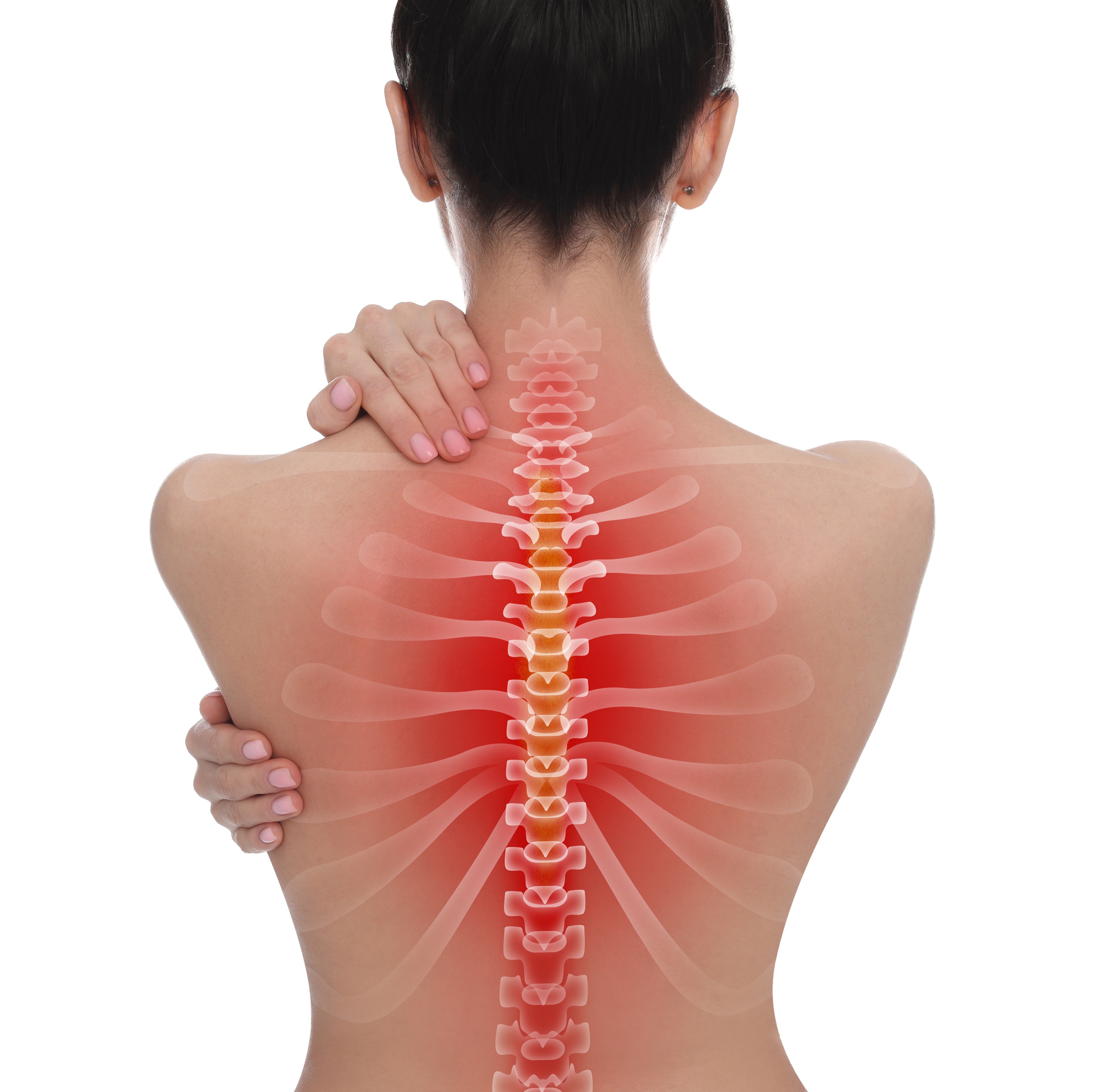
● Neck and Scalp Tension: If your headaches feel like they start at the base of your skull or if your scalp feels tender to the touch, the occipital nerves are likely involved.
● Medication Sensitivity: Some people cannot take standard migraine drugs due to heart issues, pregnancy, or severe side effects like brain fog and fatigue.
● Medication Overuse Headaches: Using Triptans or over-the-counter pain killers too often can actually cause more headaches. Nerve blocks help bridge the gap while a patient detoxes from these medicines.
● Need for Fast Relief: When a patient is in the middle of a debilitating flare-up, a block can provide faster results than waiting for a new pill to build up in the system.
What Conditions Are Treated With Nerve Blocks?
While the term migraine is a broad label, doctors use nerve blocks to treat several specific types of head pain:
● Chronic Migraines: Long-term, recurring neurological episodes.
● Occipital Neuralgia: Piercing or zapping pain that shoots from the neck up into the scalp.
● Tension-Type Headaches: Frequent band-like pressure around the head.
● Cervicogenic Headaches: Pain that originates from the cervical spine but is felt in the head.
● Post-Traumatic Headaches: Headaches that persist after a concussion or neck injury.
What to Expect During the Procedure
One of the biggest advantages of a nerve block is its simplicity. The appointment is usually brief, lasting 15 to 30 minutes.
During the procedure, you will likely sit or lie down in a comfortable position. The provider cleans the skin at the injection site. Using a very fine needle, they inject the medicine near the targeted nerve. You may feel a brief pinch or stinging sensation as the anesthetic enters the tissue, but this typically lasts only a few seconds.
In some cases, providers use ultrasound imaging to see the exact location of the nerve and surrounding blood vessels. This helps guide the needle with high accuracy. Once the injection is done, the area usually feels numb almost immediately.
Recovery and Aftercare
No downtime is required after a nerve block. Most patients can drive themselves home and return to their normal routine right away.
It is normal to feel some soreness at the injection site for a day or two. You might also feel a bit of numbness in the scalp or forehead, depending on which nerve was treated. This is a sign the medicine is working. While the numbing effect starts fast, if a steroid was used, it may take two to five days to feel the full benefit of reduced inflammation.
Also Read: Headache and Migraine Treatment in Los Angeles: Finding Lasting Relief at The Pain Free Institute
How Long Does Relief Last
The duration of relief varies from person to person. For some, the numbing effect breaks the migraine cycle, and they remain pain-free for several weeks or even months. For others, the relief might last for a shorter window.
Providers often view nerve blocks as part of a larger strategy. They can serve as a bridge to provide relief while waiting for long-term preventive treatments to take effect. If the blocks are successful, they can be repeated every few months as needed to maintain a better quality of life.
Nerve Blocks vs. Other Migraine Treatments
● Oral Medications: These are systemic, meaning they affect the whole body. Nerve blocks are localized.
● Botox: Botox involves multiple small injections administered every 12 weeks to prevent migraines. Nerve blocks are often used for more immediate relief or to target specific nerve pain.
● Lifestyle Changes: Managing sleep and diet is important, but for many, it isn’t enough to stop the pain. Nerve blocks provide a medical intervention when lifestyle changes fall short.
Safety and Side Effects
Nerve blocks are widely considered a low-risk procedure. Because the injection does not enter the spine or brain, the risk is minimal.
Common side effects include:
● Temporary swelling or bruising.
● A brief “steroid flare”, increased pain before it gets better.
● Temporary dizziness.
Serious complications are very rare. However, people with active infections at the injection site or those with certain bleeding disorders may not be candidates for this treatment.
How Providers Decide if a Nerve Block Is Right
The process begins with a clear diagnosis. Your provider will look at your headache history, where you feel the pain, and what treatments you have tried in the past. If your pain follows the path of a specific nerve, such as shooting up from the neck or sitting directly behind one eye, a nerve block becomes a very likely recommendation.
By identifying the specific nerve involvement, the provider can develop a plan focused on your pain patterns rather than a general approach.
Conclusion
Nerve blocks provide a targeted approach to managing the burden of migraines. They provide an avenue for those who have found little luck with pills or who need to break a persistent cycle of pain.
Every person’s experience with migraines is different. By identifying the specific nerves involved and using targeted injections, it is possible to reduce the frequency and severity of these episodes. Taking the time to understand these medical pathways is a major part of regaining control over your daily life.
Book your consultation at The Pain Free Institute today!
.png)

.png)





Medipark
Miracle Mile Surgery Center provides advanced outpatient surgical care with expert physicians and state-of-the-art facilities.
Contact Us
