
.svg)

Miracle Mile Surgery Center
Modern Medical Webflow Template for a Hospital or Doctor Site. Buy the template.




.webp)

Regenerative Medicine: Treatments,
Benefits, Costs & What to Expect
Persistent pain can make every day feel like a climb. Whether it is a stiff knee that prevents your morning walk or a shoulder injury that makes it hard to sleep, the search for relief often leads to a crossroads: managing symptoms with pills or facing a major surgery.
The Pain Free Institute in Los Angeles offers a different path for regenerative medicine. Instead of just masking pain, these treatments focus on the biology of healing. By using the body’s own cells and growth factors, regenerative therapies aim to repair damaged tissues and restore function. Many patients choose this path because it fills the gap between physical therapy and invasive operations.
What Is Regenerative Medicine?
The core idea of regenerative medicine is simple: your body has an innate ability to heal itself. When you get a cut, your blood clots and new skin grows. However, some areas, such as joints, tendons, and spinal discs, have a poor blood supply and struggle to repair themselves after an injury or years of wear.
Regenerative medicine specialists in our Los Angeles office use biology to jumpstart this stalled healing process. At a cellular level, these therapies signal the body to send resources to the site of damage, reducing inflammation and supporting the growth of healthy new tissue. It is a biological approach to pain, focusing on the source of the problem rather than just the sensation.
Common Regenerative Treatments
Here are the most common regenerative therapies offered at in Los Angeles.
Platelet Rich Plasma (PRP)
PRP is one of the most requested treatments. It involves drawing a small amount of your own blood, spinning it in a centrifuge to concentrate the platelets, and injecting that rich plasma back into the injured area. PRP injections in Los Angeles medical offices like ours are frequently used for tendonitis and early-stage arthritis.
Stem Cell-Based Therapies
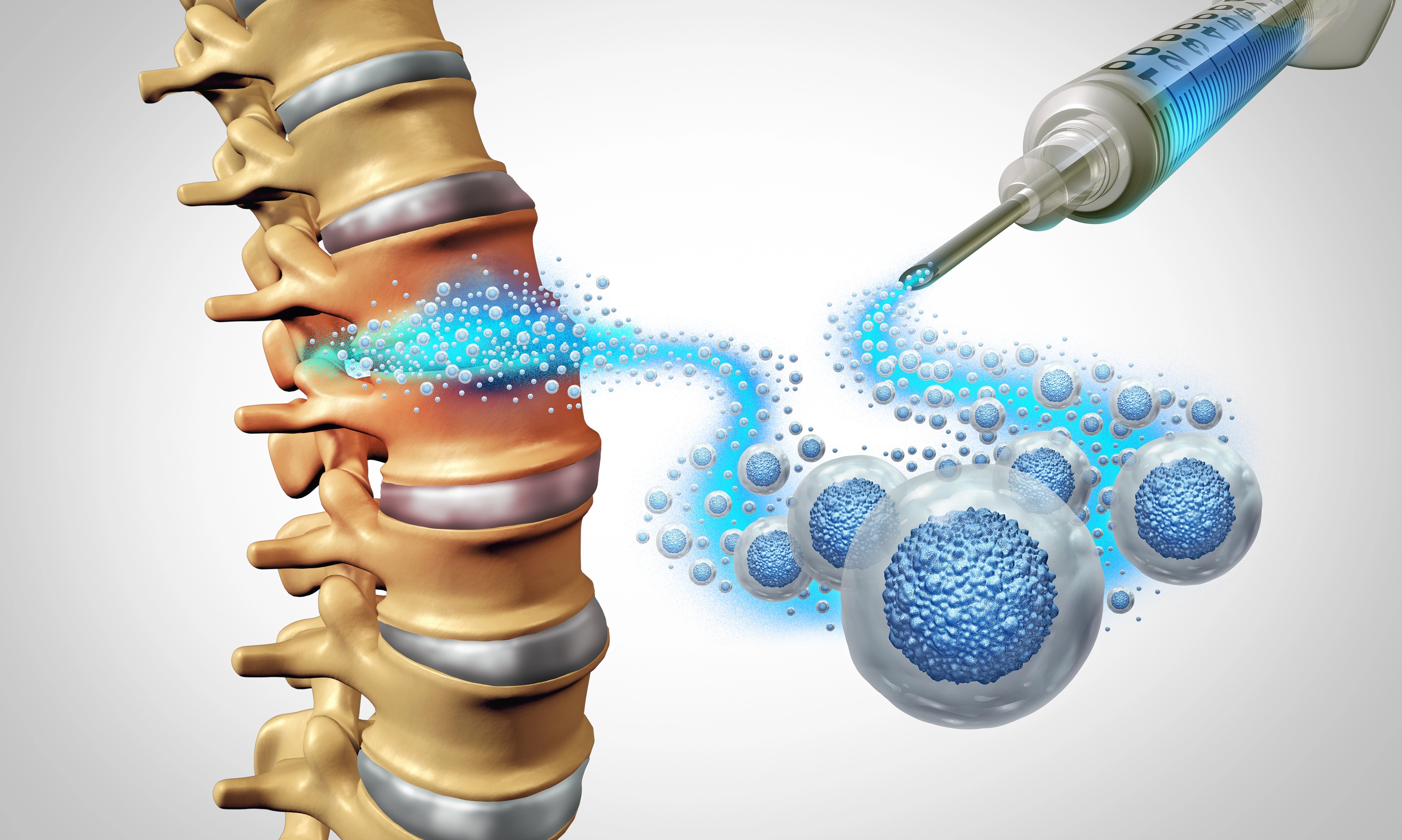
Regenerative stem cell therapy uses specialized cells that have the potential to develop into different types of tissue. Orthopedic stem cell therapy often involves cells sourced from your own bone marrow or fat tissue, or a donor source. These stem cell injections in Los Angeles are often used for more significant degeneration where a stronger healing response is needed.
Prolotherapy
Prolotherapy involves injecting a mild irritant into ligaments or tendons. Prolotherapy injections in Los Angeles medical offices trick the body into thinking a new injury has occurred, which restarts the inflammatory healing cycle to tighten loose or weakened joints.
Exosomes and Shockwave Therapy
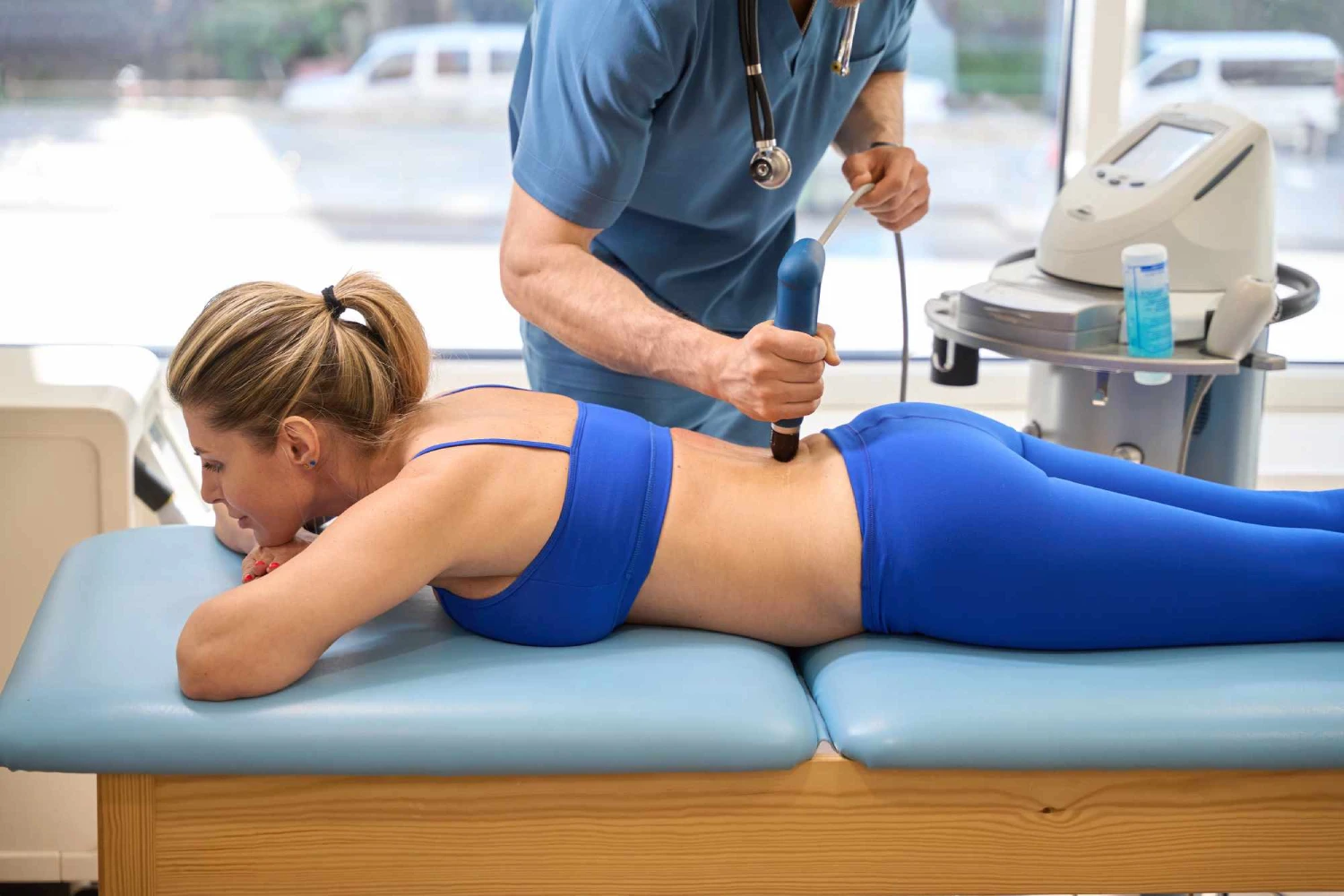
Some clinics use exosomes, small vesicles that carry signals between cells, to improve communication during the healing process. Others may use shockwave therapy to break up scar tissue and improve blood flow, supporting the work of the injections.
Conditions Regenerative Medicine Can Address
If you are searching for “regenerative medicine near me”, you likely have a specific area of pain. These treatments are versatile and used for:
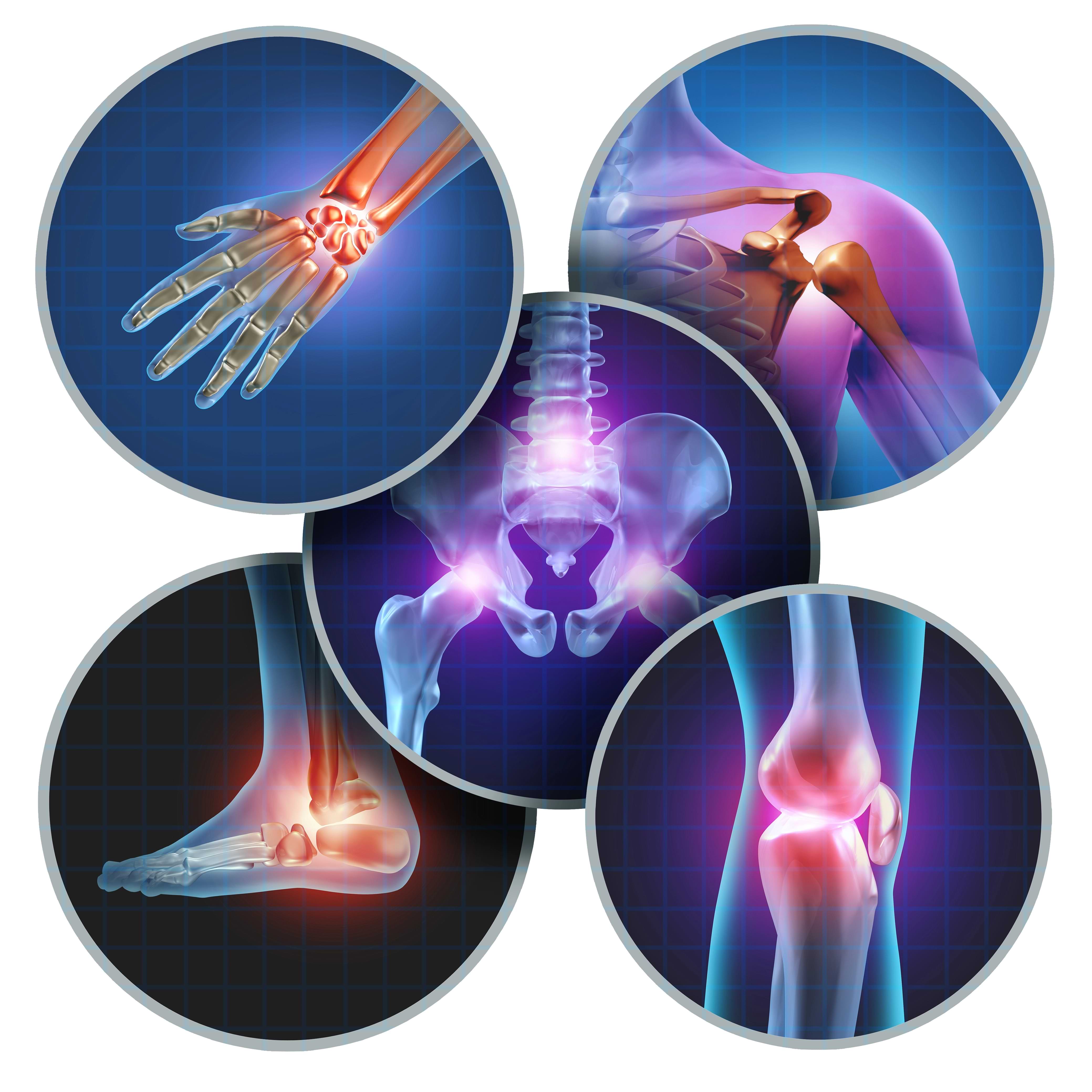
Knee Pain: PRP and stem cell therapy for knee pain in Los Angeles are common for those with meniscus tears or bone-on-bone symptoms.
Shoulder Pain: Regenerative medicine for shoulder pain in Los Angeles helps with rotator cuff tears and labrum issues.
Hip & Ankle: Regenerative medicine for hip pain in Los Angeles can delay or prevent the need for joint replacements.
Sports Injuries: From ligament sprains to muscle tears, regenerative medicine for sports injuries in Los Angeles helps athletes return to their sport faster.
Chronic Back Pain: Regenerative medicine for back pain in Los Angeles targets facet joints and disc issues.
Tendon Issues: Specific protocols, such as PRP for tendonitis in Los Angeles, PRP for plantar fasciitis in Los Angeles, and PRP for tennis elbow in Los Angeles, focus on areas that usually heal slowly.
Benefits of Regenerative
Treatments
Why choose regenerative orthopedics in Los Angeles over standard care?
Avoid Surgery: These are non-surgical, outpatient procedures with no hospital stay.
Less Downtime: Most patients can walk out of the clinic and return to light activities quickly.
Natural Healing: Using your own orthobiologics in Los Angeles reduces the risk of rejection or allergic reactions.
Long-Term Results: While cortisone shots provide fast relief that wears off, regenerative injection therapy in Los Angeles aims for a lasting fix by repairing the tissue.

Who Is a Good Candidate?
You might be a candidate for cell therapy in Los Angeles if:
- You have chronic pain that has lasted more than three months.
- Physical therapy and rest haven’t fully resolved your injury.
- You want to avoid the risks and long recovery of surgery.
- You are an active adult who needs to maintain mobility for work or play.
It is important to have realistic expectations. Patients with very advanced, systemic diseases or active infections may not be the right fit for these specific procedures.
Also Read: Regenerative Medicine & Alternative Therapies
What to Expect During Treatment
The Consultation
Your journey begins with a regenerative medicine consultation in our Los Angeles location. A regenerative medicine doctor will review your medical history and imaging to see if the damage is suitable for these therapies.
The Procedure
Collection: Blood is drawn for PRP, or tissue is harvested for stem cells.
Processing: Sample is prepared in a specialized lab or centrifuge.
Injection: Concentrated biologics injections are delivered directly into the injured site, often using ultrasound or fluoroscopy to see exactly where the needle goes.
Recovery
After the injection, you might feel some localized soreness. This is normal; it is the “good” inflammation that starts the healing process. Most people return to work within a day or two, though heavy exercise is usually restricted for a few weeks.
Recovery Timeline and Results
Healing takes time. Unlike a numbing injection, you won’t feel 100% better the moment you leave.
Weeks 1-2: You may feel a temporary increase in stiffness.
Weeks 4-8: Most patients begin to notice improved mobility and a decrease in daily pain.
Months 3-6: This is when the most significant tissue remodeling occurs.
Factors such as your age, nutrition, and activity level will influence how quickly you heal.
Costs of Regenerative Medicine
One common question is about regenerative medicine costs in Los Angeles. Because these treatments are often considered elective by insurance companies, they are usually out-of-pocket expenses.
PRP cost in Los Angeles: Generally, the most affordable option, often ranging from $700 to $2,000 depending on the area.
Stem cell therapy cost in Los Angeles: Usually higher due to the complexity of harvesting and processing the cells.
While the upfront cost is higher than a co-pay, many patients find value in avoiding the high deductibles, time off work, and rehabilitation costs associated with major surgery.
Risks and Safety
While generally safe because they use your own biological material, these treatments should always be performed by a medical professional. Common side effects include temporary swelling, bruising, or soreness at the injection site. Serious complications, such as infection, are rare when performed in a sterile clinical environment.
Regenerative Medicine vs.
Traditional Treatments
Choosing the Right Provider
Not all clinics are equal. When looking for a PRP consultation in Los Angeles, make sure the provider:
Uses imaging for every injection.
Has a background in orthopedics or pain management.
Provides a clear plan for your specific injury.
Is transparent about what the treatment can and cannot do.
Long-Term Outlook
Regenerative medicine works best as part of a whole-body plan. This might include physical therapy to strengthen the muscles around a newly repaired joint or changes in nutrition to support cell growth. By treating the body as a system, you can maintain the results of your PRP for joints or PRP for osteoarthritis for years to come.
Also Read: How to Choose the Right Pain Management Specialist in Los Angeles
FAQs
1. What is regenerative medicine, and how does it work?
Regenerative medicine is a field of healthcare focused on repairing or replacing damaged cells, tissues, and organs to restore normal function. Unlike traditional treatments that might only manage symptoms, like pain medication, or surgically remove damaged tissue, regenerative medicine uses biological materials to stimulate the body’s natural healing response. At its level, these treatments work by delivering a high concentration of growth factors or specialized cells directly to an injury, signaling the body to restart a stalled healing process or build new, healthy tissue.
2. Are regenerative treatments safe?
When performed by a qualified medical professional, these treatments are considered very safe. Most procedures use autologous materials, meaning they come from your own body, like your blood or bone marrow. This virtually eliminates the risk of allergic reactions or tissue rejection. Because they are minimally invasive and typically performed with a needle rather than a scalpel, the risks of heavy bleeding or major complications are significantly lower than with traditional surgery.
3. What conditions respond best to regenerative therapy?
Joint Issues: Mild to moderate osteoarthritis in the knees, hips, and shoulders.
Soft Tissue Injuries: Partial tears in the rotator cuff, meniscus, or ligaments.
Chronic Tendonitis: Stubborn conditions like tennis elbow, Achilles tendonitis, and plantar fasciitis.
Spine Pain: Certain types of disc-related back or neck pain.
4. How is PRP different from stem cell therapy?
PRP: Uses platelets from your blood. They release growth factors that tell other cells what to do.
Stem Cell Therapy: Uses specialized cells, often from bone marrow or fat, that have the potential to become different types of tissue, such as cartilage or bone. Stem cell therapy is generally reserved for more severe tissue damage or degeneration where PRP alone might not be enough.
5. How long does it take to see results?
Phase 1 (Days 1-7): You may feel temporary soreness or a healing flare as inflammation begins.
Phase 2 (Weeks 2-6): Most patients begin to feel a gradual reduction in pain and improved joint stability.
Phase 3 (Months 3-6): This is typically when the most significant improvement occurs as the tissue continues to remodel and strengthen.
6. How long do results typically last?
Results vary, but many patients experience relief that lasts between one and five years. Factors that influence longevity include the severity of the original injury, your age, and your lifestyle. Unlike cortisone, which can weaken tissue over time, regenerative treatments aim to make the tissue healthier, which often leads to more durable, long-term relief. Some patients choose to have a maintenance or booster treatment every few years to sustain their results.
7. Is regenerative medicine painful?
The procedure involves injections, so you will feel a brief pinch or pressure, similar to a standard vaccination or blood draw. For more involved procedures like bone marrow harvesting, local anesthesia is used to numb the area, and some clinics offer light sedation. Most patients describe the post-procedure feeling as a dull ache or stiffness that lasts for 2 to 5 days, which is manageable with rest and ice.
8. How many treatments will I need?
For many mild to moderate injuries, a single treatment is sufficient. However, for more chronic or severe conditions like advanced arthritis, a series of 2 to 3 treatments spaced several weeks apart may be recommended to achieve the best outcome. Dr. Shahbaz Farnad will determine the number of sessions based on how your body responds to the initial injection.
9. Can regenerative therapy replace surgery?
In many cases, yes, especially for patients with partial tears or moderate joint degeneration. Regenerative medicine acts as a bridge for those who are not ready for a total joint replacement but find that physical therapy isn't enough. However, for complete tears or severe structural deformities, surgery may still be the only viable option. A thorough evaluation with imaging is needed to make this determination.
10. What are the risks or side effects?
The most common side effects are temporary and localized to the injection site, including:
Swelling and redness.
Increased soreness for a few days.
Minor bruising.
Serious risks like infection are extremely rare, less than 1%, when the procedure is done in a sterile clinical setting.
11. Why isn’t regenerative medicine usually covered by insurance?
Most insurance companies still label these treatments as investigational or experimental. They typically wait for large-scale, multi-year clinical trials before adding new treatments to their covered lists. Because the field is evolving so rapidly, the insurance paperwork hasn’t caught up to the clinical reality. However, some specific applications, like PRP for certain chronic wounds, are beginning to see limited coverage.
12. How much do regenerative treatments cost?
Because they are out-of-pocket, costs are a major consideration.
PRP: Usually ranges from $500 to $2,000 per session.
Stem Cell Therapy: More complex and typically ranges from $3,000 to $8,000+.While the upfront cost is higher than a typical co-pay, many patients weigh this against the high cost of surgical deductibles and the loss of income during a long surgical recovery.
13. Who is not a good candidate for regenerative therapy?
You may be turned away or advised to wait if you have:
An active infection.
Active cancer or a history of certain blood-borne cancers.
Severe systemic disease that prevents healing.
Very advanced bone-on-bone arthritis where there is no remaining cartilage to work with.
14. Can regenerative medicine help if other treatments fail?
Yes, this is one of the most common reasons patients seek out these therapies. If cortisone, physical therapy, or even clean-up surgeries, like a knee scope, have failed to provide lasting relief, regenerative medicine offers a different biological pathway to healing that doesn’t rely on the same mechanisms as those previous treatments.
15. What should I ask during my consultation?
To ensure you are getting the best care, ask:
“How many of these specific procedures have you performed?”
“Do you use ultrasound or X-ray guidance to ensure the cells reach the exact spot?”
“What type of imaging do you need to see before we start?”
“Where do you source your materials (my body or a donor)?”
Conclusion
Regenerative medicine represents a shift in how we handle pain. Whether you are dealing with a sports injury or years of joint wear, these therapies provide a way to regain your mobility and get back to the life you love.Are you interested in learning more about how these treatments could apply to your specific injury or chronic pain?
Book a consultation with The Pain Free Institute today!