
.svg)







.webp)

Physician-Led Interventional Pain Management Near West Hollywood, CA for Active Adults
.webp)
Last Updated: September 15, 2026
For West Hollywood residents whose days move between early workouts, long hours on set or at a desk, and evenings out along Santa Monica Boulevard, persistent pain has a way of narrowing what feels possible. The Pain Free Institute provides pain management for patients in and around West Hollywood, CA from its Wilshire Boulevard office in the Miracle Mile neighborhood of Los Angeles, with Fairfax Avenue providing a direct local connection from West Hollywood to Wilshire Boulevard. Care is led by Dr. Shahbaz Farnad, M.D., a physician board-certified in Anesthesiology with subspecialty certification in Pain Medicine and an Interventional Pain Management Specialist who designs individualized, interventional plans that may combine image-guided procedures, regenerative options, and concierge-level continuity of care for chronic back, neck, joint, and nerve pain.

A Physician-Led Pain Practice Serving West Hollywood From Miracle Mile
West Hollywood residents may seek pain management for sports-related or musculoskeletal pain, chronic back or neck pain, headaches, neuropathy, CRPS, or other persistent pain concerns. Pain may interfere with activities ranging from training and walking along Santa Monica Boulevard to long workdays at a desk or on set. Each visit begins with a thorough evaluation so the diagnosis and treatment options can be considered before a procedure is recommended.
Reaching the Wilshire Boulevard Office From West Hollywood by Way of Fairfax Avenue
The Pain Free Institute does not maintain a separate office inside West Hollywood. The practice is located at 5757 Wilshire Blvd Ste PR2 in the Miracle Mile neighborhood of Los Angeles. Fairfax Avenue provides one local route south from West Hollywood to Wilshire Boulevard. Travel time varies with traffic and starting point.
Patients may be coming from the Santa Monica Boulevard corridor, the Pacific Design Center and Melrose Avenue area, or residential areas north of Fountain Avenue. These local reference points help orient the route toward Fairfax Avenue and Wilshire Boulevard. Because Los Angeles traffic varies throughout the day, patients should allow appropriate travel time when planning an appointment.
What Brings West Hollywood Patients to Dr. Farnad for Pain Relief
Patients comparing pain management options near West Hollywood may consider several clinical and practical features of care at The Pain Free Institute.
Board certification in Anesthesiology and Pain Medicine
Dr. Shahbaz Farnad is board-certified in Anesthesiology with subspecialty certification in Pain Medicine and practices interventional pain management
Fellowship-trained interventional focus
Dr. Farnad completed his medical degree at the David Geffen School of Medicine at UCLA, an anesthesiology residency at Rush University in Chicago, and a fellowship in interventional pain management at Mount Sinai Hospital in New York
An interventional, non-opioid first approach
the practice emphasizes image-guided and minimally invasive procedures, and Dr. Farnad is experienced in helping patients transition off high-dose opioid regimens
Depth in image-guided procedures
Dr. Farnad is highly experienced in fluoroscopy-guided interventional procedures and spinal cord stimulation
Regenerative options when appropriate
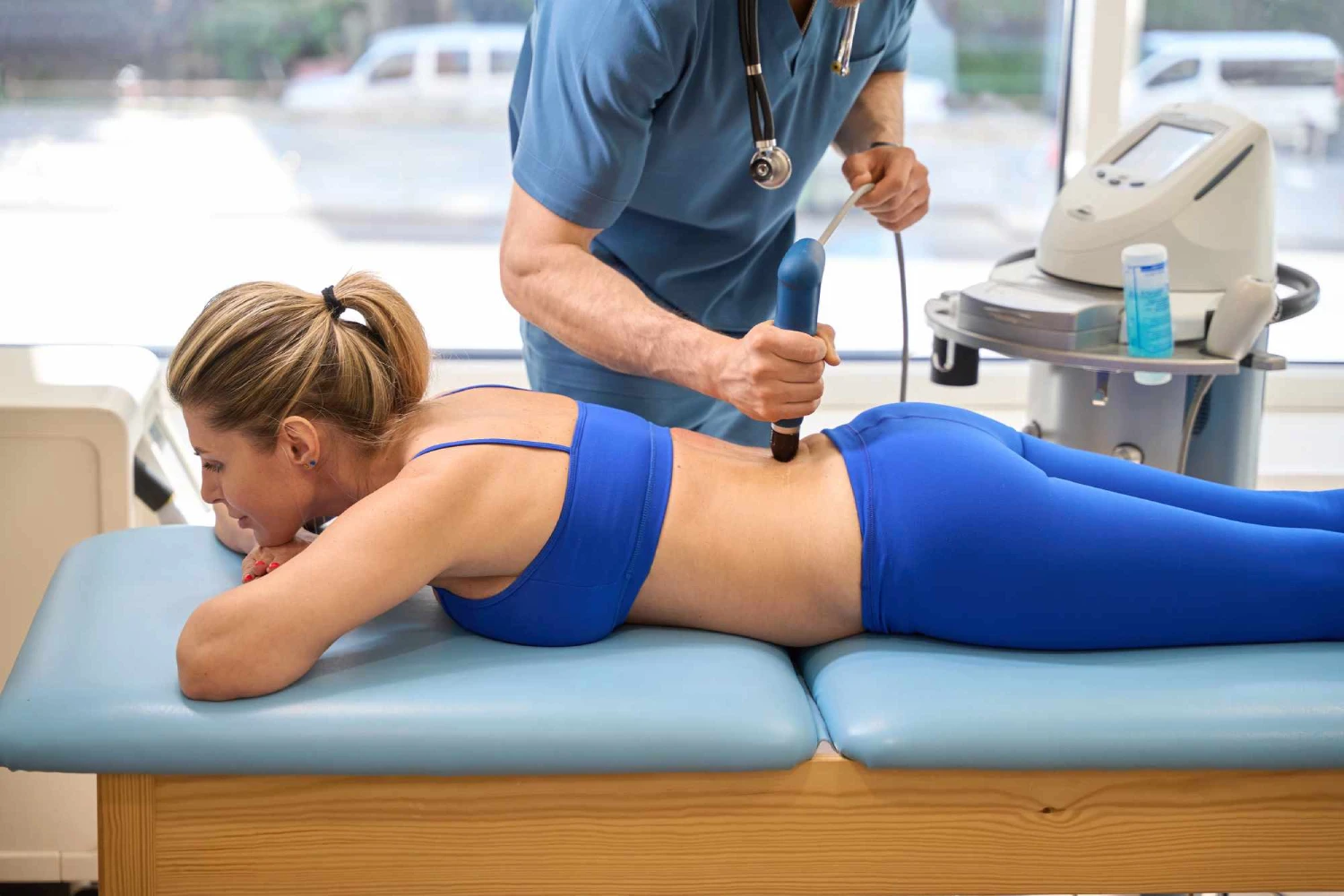
shockwave therapy, platelet-rich plasma, and other regenerative treatments may be included as one part of an individualized plan when they fit the diagnosis
A concierge care model
The Pain Free Institute is structured so patients receive the time and attention they deserve, with care coordinated by one physician across the full treatment plan
Experience with active and sports-related pain
Dr. Farnad regularly treats sports injuries and musculoskeletal pain, which suits the fitness-focused pace many West Hollywood residents want to protect
Comfort with complex conditions
Dr. Farnad's clinical interests include Complex Regional Pain Syndrome, atypical headaches, and nerve-related pain that has not responded to earlier care
A Miracle Mile location near West Hollywood
the Wilshire Boulevard office can be reached from West Hollywood via Fairfax Avenue, and Dr. Farnad also serves as Medical Director of the Miracle Mile Surgery Center
The Goals Behind a West Hollywood Pain Management Plan
Across diagnosis, interventional procedures, and regenerative care, treatment at The Pain Free Institute keeps returning to a few practical goals. Each reflects what a West Hollywood patient living with chronic pain is usually hoping to get back.
Targeted Care for Chronic Back and Neck Pain
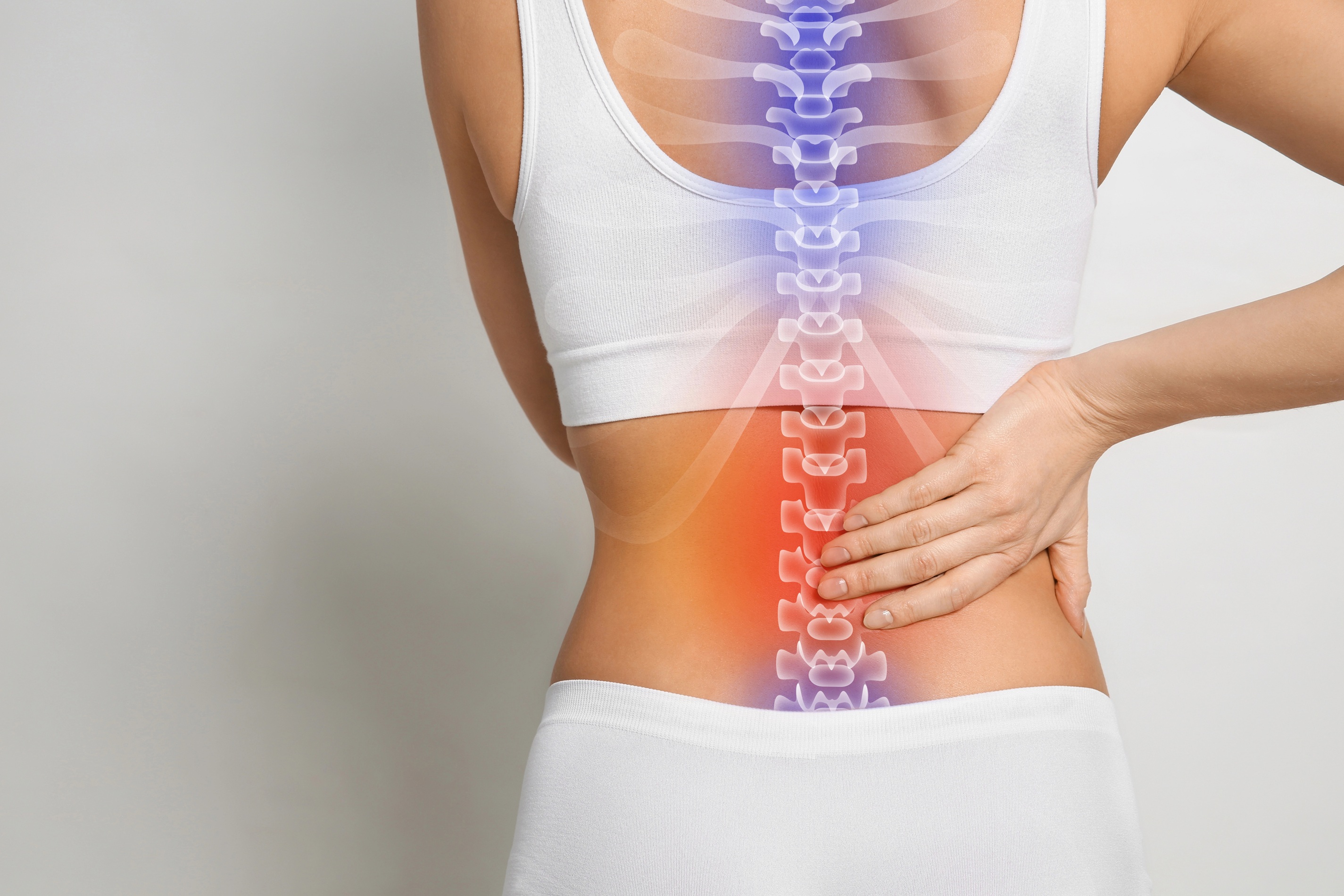
Many patients come in because of ongoing back or neck pain from a herniated disc, spinal stenosis, facet joint problems, or a pinched nerve. Depending on the diagnosis, care may range from targeted spinal injections to radiofrequency ablation to open a path toward calmer, more predictable days. The aim is to reduce the intensity and frequency of pain so ordinary movement feels less limited.
Supporting an Active West Hollywood Routine
For residents whose weeks revolve around the gym, long walks, or an on-the-go lifestyle, a knee, hip, shoulder, or foot problem can quietly take over. Depending on the diagnosis, non-surgical options such as shockwave therapy, platelet-rich plasma, and joint injections may be considered for selected sports, joint, and soft-tissue conditions. Candidacy and the right combination are decided together, and results vary from patient to patient.
Managing Nerve-Related and Complex Pain
Neuropathy, CRPS, post-surgical nerve pain, and stubborn headaches can be harder to pin down and more disruptive than they look from the outside. Nerve blocks, ablation, and neurostimulation are among the tools Dr. Farnad may use to interrupt pain signals when they are appropriate for the condition. The appropriate option depends on the diagnosis, prior treatment response, anatomy, and individual goals.
An Interventional Path Explored Before Bigger Steps
The practice emphasizes minimally invasive and non-opioid options when clinically appropriate. More involved treatments are considered based on the diagnosis, prior treatment response, anatomy, and individual goals. Regenerative treatment options may be discussed as one component of that path when the diagnosis supports it. The goal is a plan that is matched to the actual cause of the pain and kept as targeted as the situation allows.
Treatment Categories Available to West Hollywood Patients on Wilshire Boulevard
Care at The Pain Free Institute is organized around a few working categories, each matched to the patient's diagnosis. Most patients begin with a thorough evaluation and then move into one or more of the areas below.
Image-Guided Spinal Injections and Nerve Blocks
This group includes epidural steroid injections, facet joint injections, medial branch blocks, selective nerve root blocks, and sacroiliac joint injections, along with occipital and trigeminal nerve blocks for certain head and facial pain. Many spinal injection procedures use fluoroscopic imaging to help guide needle placement. Depending on the procedure, an injection may serve a diagnostic purpose, a therapeutic purpose, or both.
Nerve Ablation and Neurostimulation
When injections point to a specific pain generator, radiofrequency ablation, pulsed radiofrequency, and cryoneurolysis can interrupt the nerves carrying the pain signal. For more persistent or complex pain, spinal cord stimulation, peripheral nerve stimulation, and dorsal root ganglion stimulation may be considered. Dr. Farnad reviews which approach fits your anatomy and history before moving forward.
Regenerative and Minimally Invasive Therapies
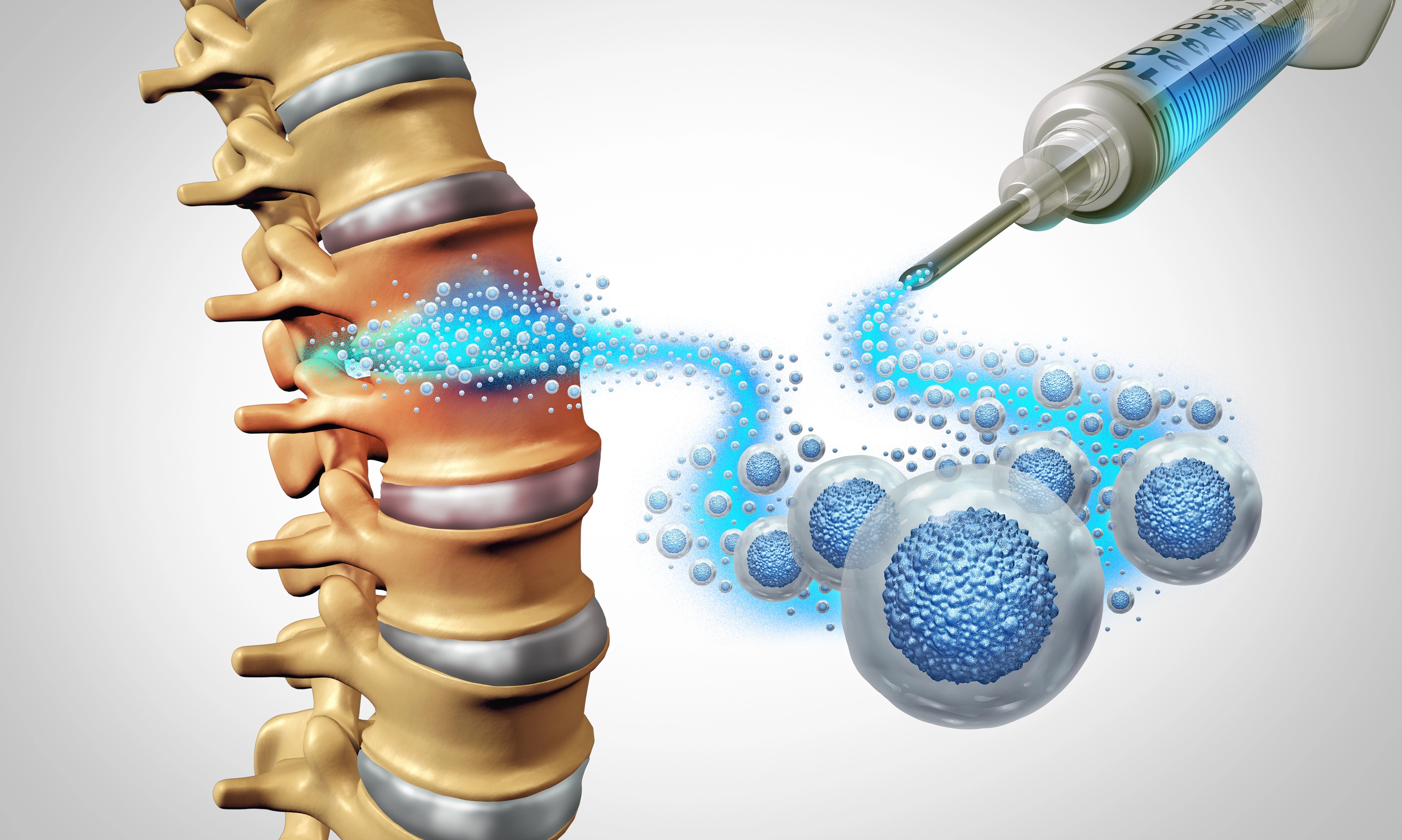
For suitable cases, shockwave therapy, platelet-rich plasma, prolotherapy, and related treatments aim to support the body's own healing. These regenerative options are one possible component of an individualized pain plan. For more information, patients can also review the practice's Regenerative Medicine and Alternative Therapies page. Whether a regenerative treatment fits is determined during the evaluation, and evidence and expected outcomes vary by condition and treatment.
Concierge, Personalized Pain Management
The Pain Free Institute operates as a concierge practice built around personalized pain management and continuity of care. This model is designed so appointments have room for the time and attention each patient deserves, with care led by Dr. Farnad and treatment planning individualized to the patient's diagnosis and goals. The Pain Free Institute is an out-of-network practice. Many PPO insurance plans include out-of-network benefits, although deductibles, coinsurance, coverage, and reimbursement vary by plan. The team can explain the practice's fees and billing process, and patients should confirm their specific out-of-network benefits directly with their insurer.
The Full Range of Pain Treatments Open to West Hollywood Patients
• Epidural steroid injections for nerve-related back and neck pain
• Facet joint injections for spinal joint pain
• Medial branch blocks for diagnosing facet-related pain
• Selective nerve root blocks for targeted nerve pain
• Sacroiliac joint injections for lower back and pelvic pain
• Radiofrequency ablation and rhizotomy for selected nerve-mediated pain
• Pulsed radiofrequency therapy for selected nerve-related pain
• Cryoneurolysis, also called cryoablation, for select nerve pain
• Spinal cord stimulation for chronic, hard-to-treat pain
• Peripheral nerve stimulation for localized nerve pain
• Dorsal root ganglion stimulation for focused nerve pain
• Kyphoplasty and vertebroplasty for painful spinal compression fractures
• Occipital and trigeminal nerve blocks for certain headaches and facial pain
• Shockwave therapy for plantar fasciitis and soft-tissue injuries
• Platelet-rich plasma injections for selected joint and tendon conditions
• Stem cell therapy as a regenerative option when appropriate
• Prolotherapy for joint and ligament support
• Hyaluronic acid injections for osteoarthritic joint pain
• Corticosteroid injections for inflammation and joint pain
• Trigger point injections for muscle knots and myofascial pain
• Botox injections for chronic migraine and certain muscular pain
• Intravenous infusion therapy for select chronic pain conditions
• Sympathetic nerve blocks for CRPS and related nerve pain
The Doctor Overseeing Pain Care for West Hollywood Patients
Pain care at The Pain Free Institute is led by Dr. Shahbaz Farnad, with full credentials available on the practice website.
Dr. Shahbaz Farnad, MD, Medical Director and Interventional Pain Management Specialist
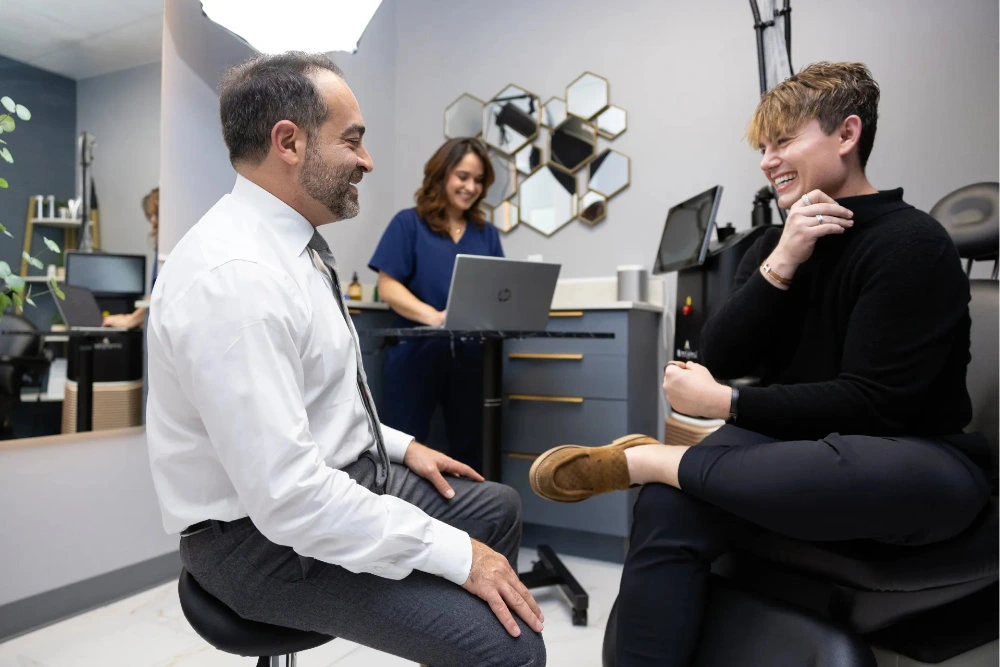
Dr. Shahbaz Farnad is a double board-certified anesthesiologist and interventional pain management specialist known for an integrative, patient-centered approach to chronic pain. He earned his undergraduate degree in Mass Communications Studies at UCLA and his medical degree at the David Geffen School of Medicine at UCLA, then completed an anesthesiology residency at Rush University in Chicago and a fellowship in interventional pain management at Mount Sinai Hospital in New York. Early in his career he served as Assistant Professor of Anesthesiology and Pain Medicine at Mount Sinai and helped direct a satellite pain management fellowship, and his clinical interests include non-opioid interventional treatment of back and neck pain, Complex Regional Pain Syndrome, atypical headaches, and sports-related injuries. He established his practice in the Miracle Mile neighborhood of Los Angeles, a short drive south of West Hollywood, and also serves as Medical Director of the Miracle Mile Surgery Center and founder of Apollo Anesthesia Associates. His focus remains on helping patients achieve long-term relief and regain function through thoughtful, interventional care.
Quick Answers for West Hollywood Patients Weighing a First Visit
Where is The Pain Free Institute located in relation to West Hollywood?
The office is at 5757 Wilshire Blvd Ste PR2 in the Miracle Mile neighborhood of Los Angeles, on the edge of Hancock Park and outside West Hollywood. Patients travel to the Miracle Mile office rather than visiting a separate West Hollywood location.
How do patients from West Hollywood get to the office?
Fairfax Avenue provides one common surface-street route from West Hollywood toward Wilshire Boulevard. Los Angeles traffic varies by time of day, so patients should check current conditions and allow appropriate travel time.
Can The Pain Free Institute help with sports and fitness injuries?
Yes. Dr. Farnad regularly treats sports and overuse injuries with minimally invasive options such as shockwave therapy, platelet-rich plasma, and joint injections. Candidacy and the right approach are determined during the evaluation, and results vary by patient.
West Hollywood and the Surrounding Communities We Serve
Nearby West Hollywood and Los Angeles areas served by the Miracle Mile office include:
• West Hollywood, CA (90069, 90046, 90048)
• The Sunset Strip
• The Norma Triangle
• West Hollywood Park
• The Santa Monica Boulevard corridor
• The Pacific Design Center and Melrose Avenue area
• The Fairfax Avenue corridor
• The Fairfax District
• Hancock Park
• Miracle Mile
• Larchmont and Windsor Square
• Mid-City Los Angeles
Fitting Pain Care Into the Fast Pace of West Hollywood Life
What Patients Say About Their Experience at The Pain Free Institute
These testimonials reflect individual patient experiences. Treatment response, number of sessions, recovery, and outcomes vary and are not guaranteed.
“Dr. Farnad is amazing. Shockwave therapy is the only treatment that has taken away my foot pain. I have suffered from plantar fasciitis, fibromas, a heel spur and a nerve entrapment on my foot. It's been painful for few years, but in just four sessions of shockwave therapy the pain is pretty much obsolete. I absolutely recommend Dr. Farnad. Best decision I've made in regards to my health! Thank you Dr. Farnad!!”
- Amy Cromwell
“Dr. Farnad is honestly such an amazing Dr! I've been with him for a couple months for back pain and him and his team have been by far the best regarding treatments. They are very understanding and welcoming and more than anything super attentive!”
- Melady Henriquez
“The check in process was done very quickly and professionally! Dr. Farnad was very precise about my treatment plan to get me to feel better and back to my normal self prior to my accident! I feel that I am in very good hands and completely trust Dr. Farnad and his diagnosis of my condition!!”
- ray tornero
Plan a Pain Consultation From West Hollywood Around Your Routine
Call (323) 433-7744 or schedule online to start a consultation conversation with the Pain Free Institute team. The front desk can explain what a first pain evaluation involves, when diagnostic steps or an image-guided procedure might be part of the plan, and help you schedule a visit from West Hollywood that works with the office's available appointment times.
• Address: 5757 Wilshire Blvd, Ste PR2, Los Angeles, CA 90036
• Phone: (323) 433-7744
• Hours: Monday to Friday, 8:30 AM to 5:00 PM. Closed Saturday and Sunday.
What West Hollywood Patients Want to Know About Pain Management
What is the success rate of spinal injections?
Spinal injections help many patients, but the degree of relief depends on the underlying condition, the type of injection, and the individual, so a single success rate does not apply to everyone. Dr. Farnad reviews what results are realistic for your specific diagnosis during the evaluation.
How painful are spine injections?
Comfort varies by the type of injection and by patient. Local anesthetic may be used to numb the treatment area, and some patients experience pressure or temporary soreness. Dr. Farnad reviews what to expect for the specific procedure beforehand.
How long do I need to rest after an epidural steroid injection?
Activity guidance after an epidural steroid injection depends on the procedure, sedation, medical history, and individual response. Follow the specific post-procedure instructions provided by Dr. Farnad rather than relying on a single timeline for every patient.
What can you not do after an epidural steroid injection?
Post-procedure restrictions vary. Dr. Farnad provides instructions about activity, bathing, medications, and transportation based on the specific injection and whether sedation was used.
How many times can you have facet joint injections?
There is no single injection schedule that applies to every patient. Frequency depends on whether the procedure is diagnostic or therapeutic, the patient's response, steroid exposure, clinical need, and applicable coverage requirements. Dr. Farnad determines whether and when another injection is appropriate.
How long does it take for facet joint injections to start working?
The local anesthetic can ease pain quickly, while the steroid effect typically develops over two to seven days and sometimes up to about two weeks. Relief and its duration vary from patient to patient.
Where are medial branch blocks performed?
Medial branch blocks are performed with image guidance in an appropriate procedure setting. The Pain Free Institute performs procedures at its office and affiliated Miracle Mile Surgery Center; the site of service for a specific procedure should be confirmed when scheduling.
What happens if nerve ablation doesn't work?
If radiofrequency ablation does not provide the expected relief, Dr. Farnad reassesses the diagnosis, the targeted pain generator, and the patient's response before discussing another treatment. A repeat procedure is considered only when it is clinically appropriate.
Who is not a candidate for radiofrequency ablation?
For facet-mediated spinal pain, response to diagnostic medial branch blocks is commonly used to help determine candidacy for radiofrequency ablation. Other candidacy considerations include infection risk, bleeding risk, anatomy, medical history, and the specific nerve target.
Is cryoablation FDA approved?
FDA clearance applies to specific medical devices and their labeled indications for use; it does not mean that every cryoneurolysis application is separately FDA-approved. Dr. Farnad can explain which device is being considered and its intended use for your condition.
Does The Pain Free Institute offer shockwave therapy for conditions like plantar fasciitis near West Hollywood?
Yes. Shockwave therapy is one of the treatments Dr. Farnad uses for conditions such as plantar fasciitis, tendon pain, and other soft-tissue injuries that are common among active West Hollywood residents. The number of sessions and expected results are patient- and condition-dependent.
Can regenerative treatments like PRP help West Hollywood patients avoid surgery for joint pain?
PRP may be considered for selected joint and tendon conditions as part of a broader treatment plan. Evidence and expected benefit vary by diagnosis, and PRP should not be presented as a guarantee that surgery can be avoided. Dr. Farnad reviews the potential benefits, limitations, alternatives, and individual candidacy before treatment.
Does The Pain Free Institute treat CRPS for patients near West Hollywood?
Yes. Complex Regional Pain Syndrome is one of Dr. Farnad's clinical interests, and options such as sympathetic nerve blocks and neurostimulation may be considered as part of an individualized plan. For more information, patients can also review the practice's CRPS information before or after their consultation.
What interventional options are available for chronic back and neck pain for West Hollywood patients?
Interventional care for chronic back and neck pain may include image-guided spinal injections, nerve blocks, radiofrequency ablation, and regenerative therapies, matched to the source of the pain. Dr. Farnad focuses on the least invasive approach that fits your diagnosis and reserves more involved steps for when they are truly needed.
Does The Pain Free Institute treat migraines and tension headaches for West Hollywood patients?
Treatment depends on the headache diagnosis. Botox may be considered for chronic migraine prevention, while nerve blocks may be appropriate for selected headache or facial-pain patterns. Tension-type headaches may require a different approach, so Dr. Farnad first evaluates the headache type and pattern before recommending treatment.
Personalized Pain Care Within Reach of West Hollywood
If you want a physician who will take the time to understand what your pain is keeping you from, explain your options from image-guided injections to regenerative therapies in plain language, and make sure you leave each appointment feeling heard and informed, Dr. Farnad and The Pain Free Institute are ready to help. As an interventional practice near West Hollywood in the Miracle Mile neighborhood, the team focuses on individualized care aimed at improving function and managing chronic pain. Reach out when you are ready, and they will help you arrange a visit from West Hollywood that fits your schedule.
Meet With Dr. Farnad to Map Out Your Options