
.svg)






.webp)

Sports Injury/Pain Management
Sports Injury/Pain Management
Pushing through the pain is often celebrated in athletic culture, but for many active adults, it is the very thing that leads to long-term limitations. At The Pain Free Institute, we focus on helping you move beyond the “no pain, no gain” mentality. Whether you are a weekend warrior, a dedicated runner, or someone dealing with the strain of a physically demanding lifestyle, our approach to sports injury management is built on restoring function and protecting your future mobility.
Understanding Your Injury: Acute vs. Overuse
Acute Injuries
These occur suddenly during activity. Examples include a sudden ankle sprain, a muscle tear from a sprint, or a joint dislocation. You likely know exactly when the injury happened because of sudden, sharp pain or swelling.
Chronic and Overuse Injuries
These are often more subtle and develop over time. They result from repetitive stress on muscles, tendons, or joints. If you have been ignoring a dull ache in your shoulder during your tennis serve or a nagging tightness in your knee after a run, you may be dealing with an overuse injury. Without attention, these minor irritations can become significant barriers to your active lifestyle.
The Path to Recovery: Diagnosis and Evaluation
You cannot fix what you haven’t identified. Many patients attempt to self-treat with rest and ice, only to find the pain returns the moment they resume their favorite activities. Our treatment process begins with an in-depth evaluation to find the source of your discomfort.
We look beyond the immediate pain point to see how your body moves as a whole. Sometimes, knee pain is caused by an imbalance in the hip or ankle. By using detailed physical exams and, when necessary, advanced imaging like MRI or ultrasound, we gain a clear picture of the structural health of your joints and tissues. This clarity allows us to create a roadmap for recovery that addresses the root cause rather than just masking the symptoms.
Targeted Pain Management Strategies
When conservative methods like rest or basic physical therapy aren’t providing the relief you need, interventional pain management provides a middle ground between “waiting it out” and undergoing surgery. Our goal is to reduce inflammation and pain so you can fully participate in the rehabilitation needed to return to your sport.
Image-Guided Injections
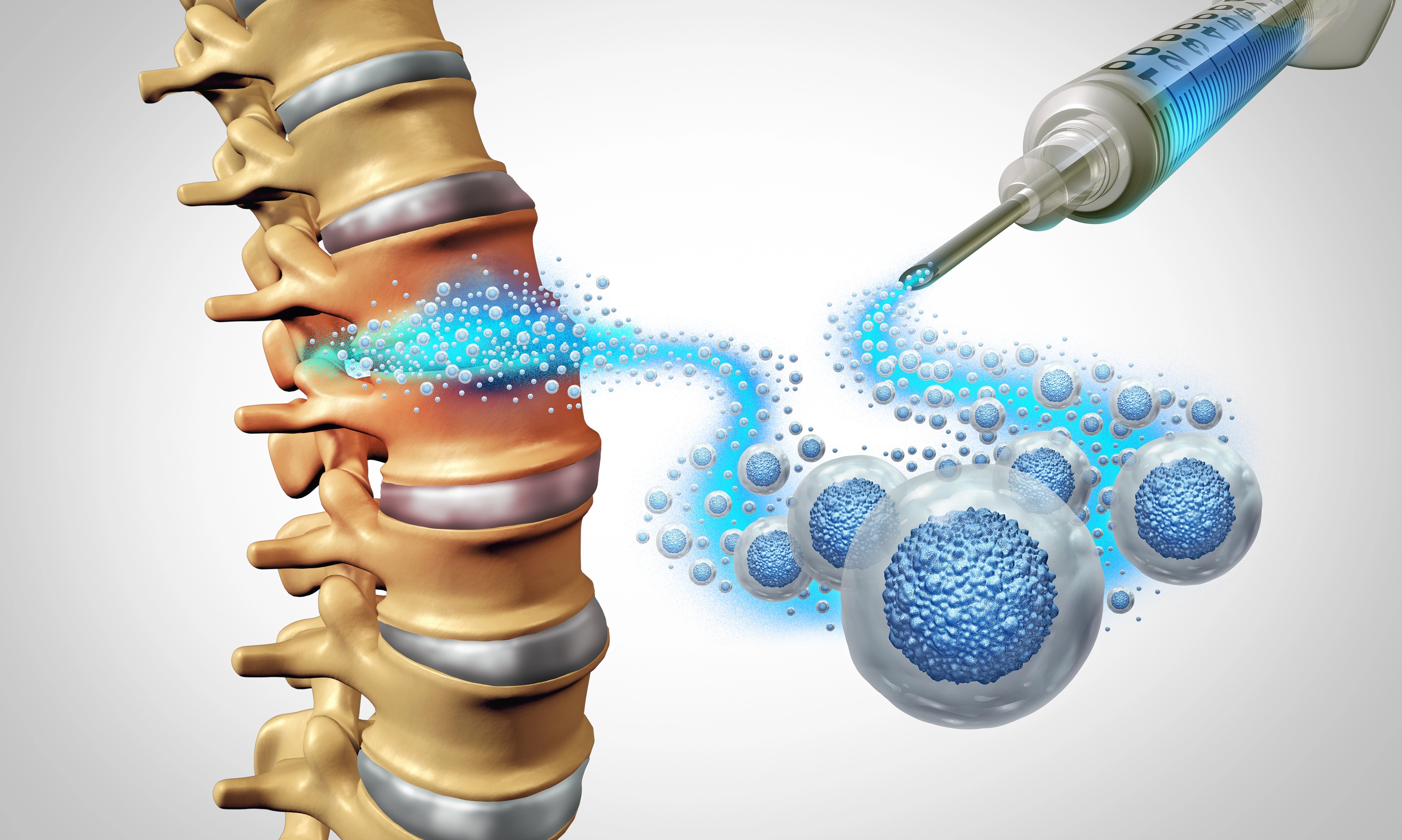
To maximize treatment outcomes, we may use real-time imaging to deliver medication or regenerative substances directly to the injury site. This high efficacy approach ensures the treatment reaches the specific tendon, ligament, or joint space that is inflamed.
Interventional Relief
For individuals with long-standing joint pain or nerve involvement, we offer many treatments designed to interrupt pain signals and reduce inflammation. These methods are particularly helpful for patients who have “tried everything” but still find themselves sidelined by discomfort.
Moving Beyond the “Quick Fix”
True recovery is about more than feeling better today; it is about building a body that can withstand tomorrow's demands. We coordinate closely with physical rehabilitation professionals to focus on:
01
Restoring Range of Motion
Regaining the flexibility you lost due to injury or inactivity.
02
Building Functional Strength
Strengthening the muscles that support your joints to prevent future breakdowns.
03
Biomechanical Balance
Correcting movement patterns that may have contributed to the injury in the first place.
Frequently Asked Questions
When should I see a pain specialist for a sports-related injury?
If your pain is accompanied by swelling, prevents you from finishing a workout, or lasts longer than 48 to 72 hours despite rest, it is time for a professional medical evaluation. Seeking help early can prevent a minor muscle or ligament strain from turning into a major tear.
Can pain management help if my injury happened months or years ago?
Yes. Lingering pain from old injuries often indicates that the area did not heal properly or that you have developed compensatory movements that are now causing new issues. We can evaluate these “cold” injuries to find ways to improve function and reduce daily discomfort.
Do I need medical imaging before starting sports injury treatment?
Not always, but it is often helpful. While we start with a physical exam, imaging helps us assess the extent of tissue damage. This helps us determine if a conservative approach is safe or if more direct intervention is required.
Are injections always necessary for sports injury pain?
No. Injections are a tool we use when pain is severe enough to prevent you from moving or participating in therapy or has become chronic.
How can pain management help prevent future injuries?
By identifying imbalances and treating them to reduce chronic inflammation, we help you return to activity on a more stable foundation. We also provide guidance on how to pace your return to sports to avoid re-injury.
Take the Next Step Toward Peak Performance
Don’t let a manageable injury become a permanent limitation. At The Pain Free Institute, we are committed to helping you navigate the journey from pain back to the activities you love.
Schedule an appointment today!