
.svg)

Search the site

Dealing with joint discomfort or a lingering tendon injury can disruptyour daily life, making it difficult to stay active or perform routine tasks. At The Pain Free Institute, we offer biological treatments that supportyour body’s inherent ability to repair itself. Platelet-rich plasma (PRP) therapy is a restorative approach for individuals seeking to address the source of their pain without relying on surgery or temporary masking agents.
Understanding PRP
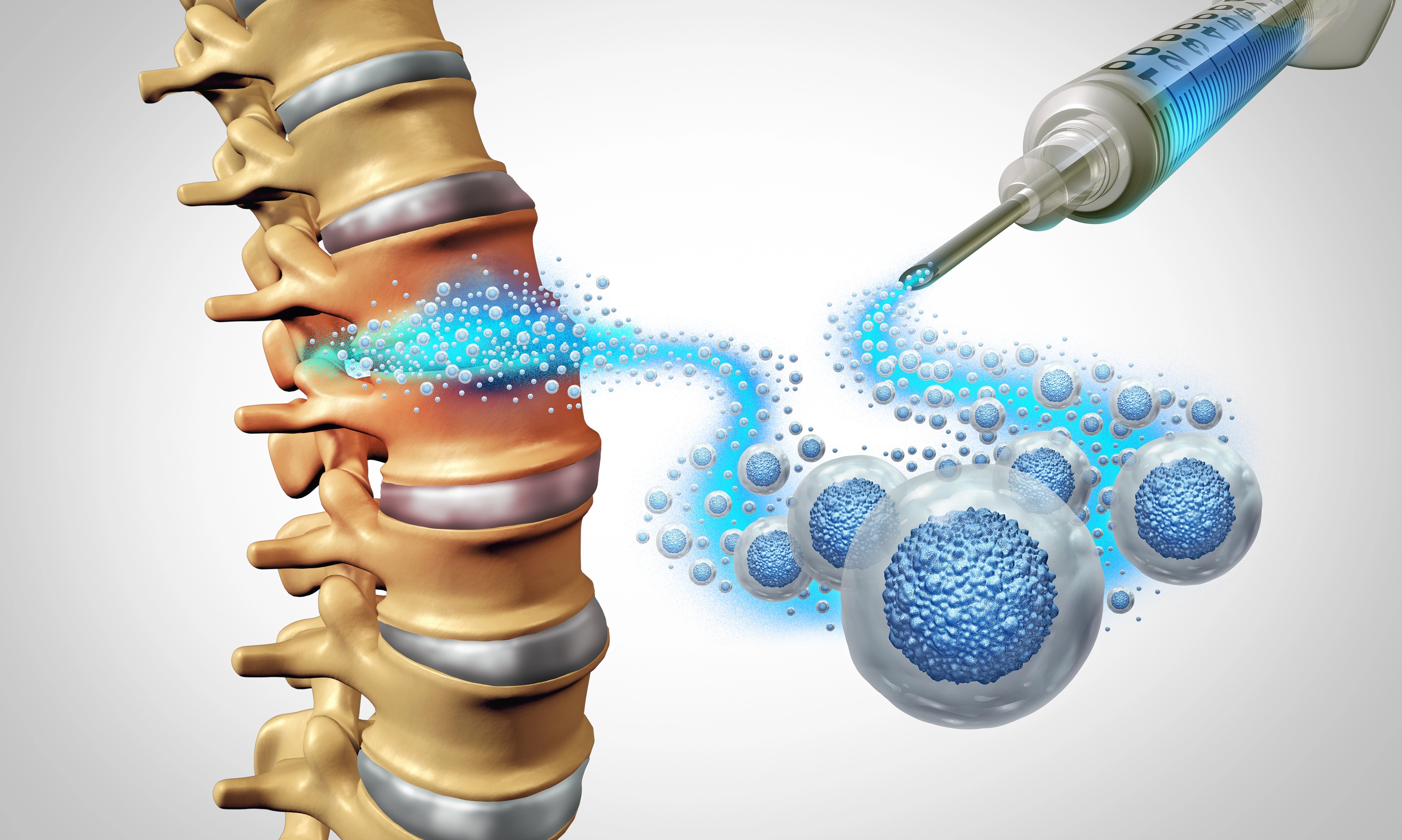
Platelet-rich plasma is a concentration of your own blood platelets. While platelets are best known for their role in clotting, they also contain hundreds of proteins called growth factors. These proteins play a significant role inrepairing musculo skeletal injuries. By delivering a high concentration of these platelets directly to the site of an injury, we aim to support the biological processes necessary for tissue repair. This treatment does not introduce foreign substances into your body; instead, it uses your own cells to help mend damaged tendons, ligaments, and joints.
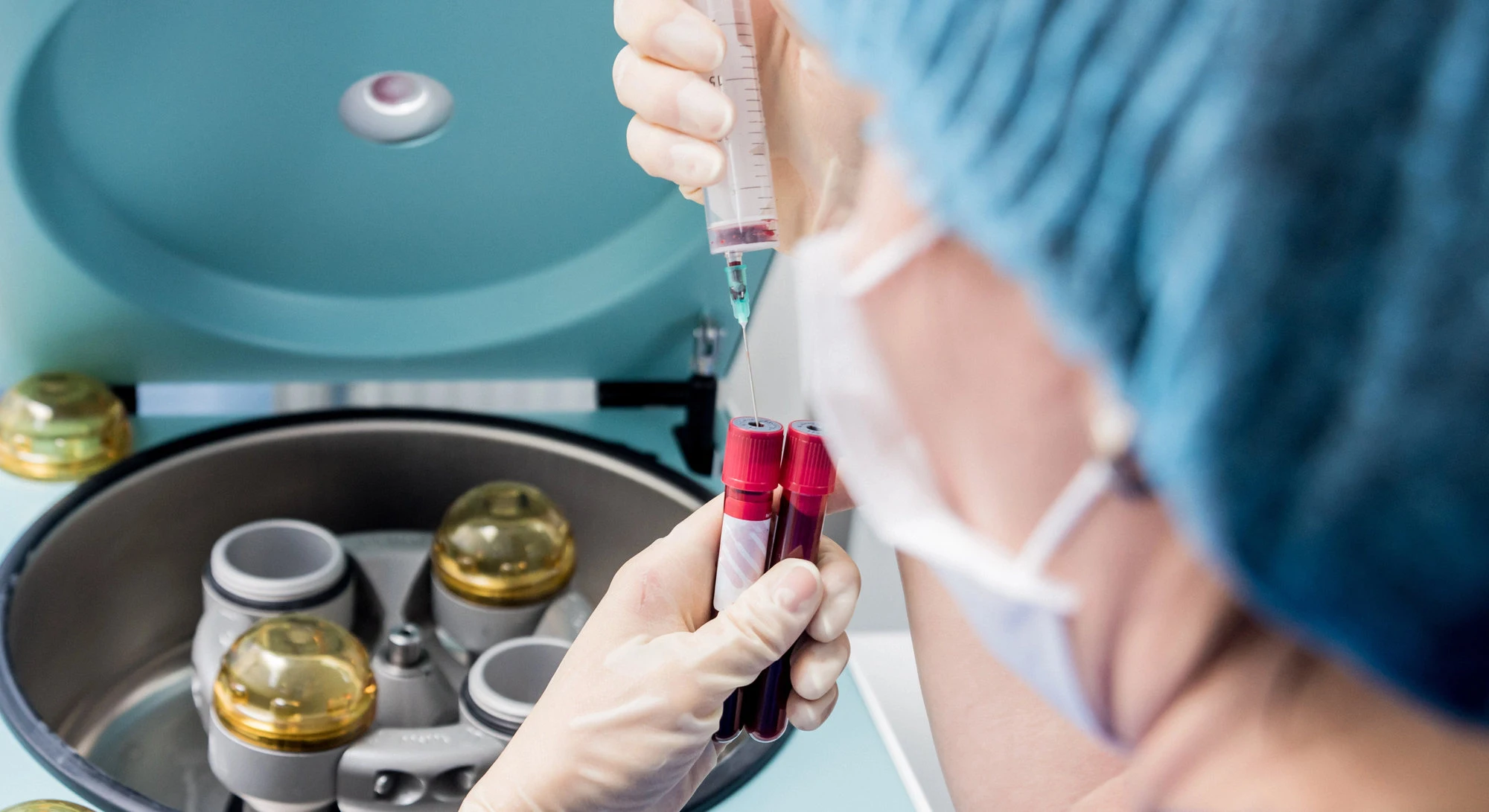
Blood Collection: A small amount of your blood is drawn, similar to a standard lab test.
Centrifugation: The blood is placed in a device that spins at high speeds to separate the platelets from other blood components.
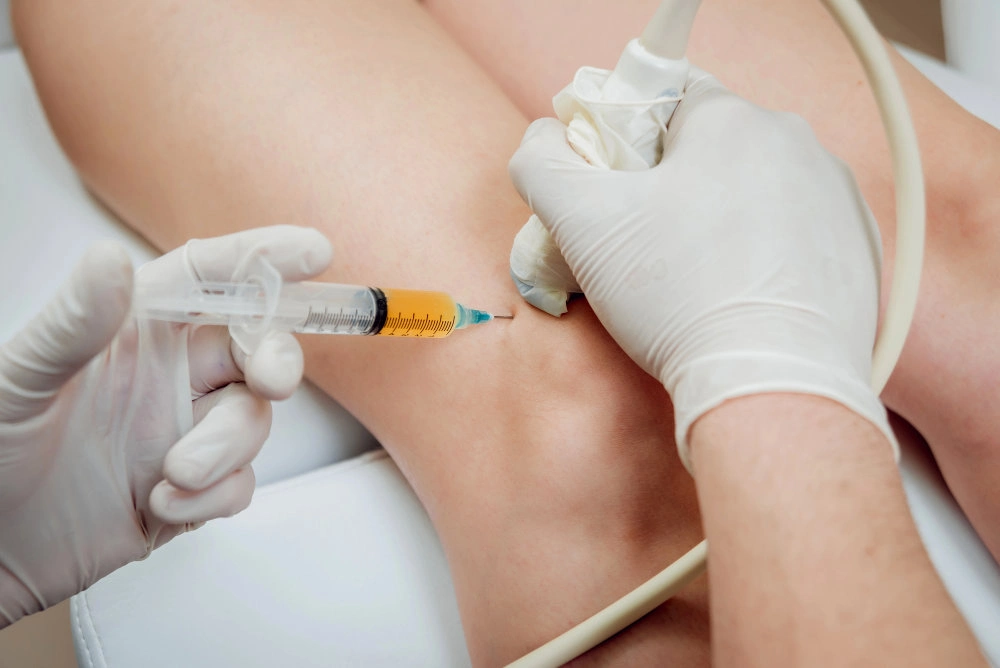
Injection: The concentrated plasma is injected into the injured area.
Many patients come to us after trying rest, physical therapy, or medication without achieving the relief they need. PRP is particularly valuable for injuries that have entered a stagnant phase of healing.
Common Conditions Addressed
Such as tennis elbow, Achilles tendonitis, or patellar tendonitis
Support for joint stability after over stretching or minor tears.
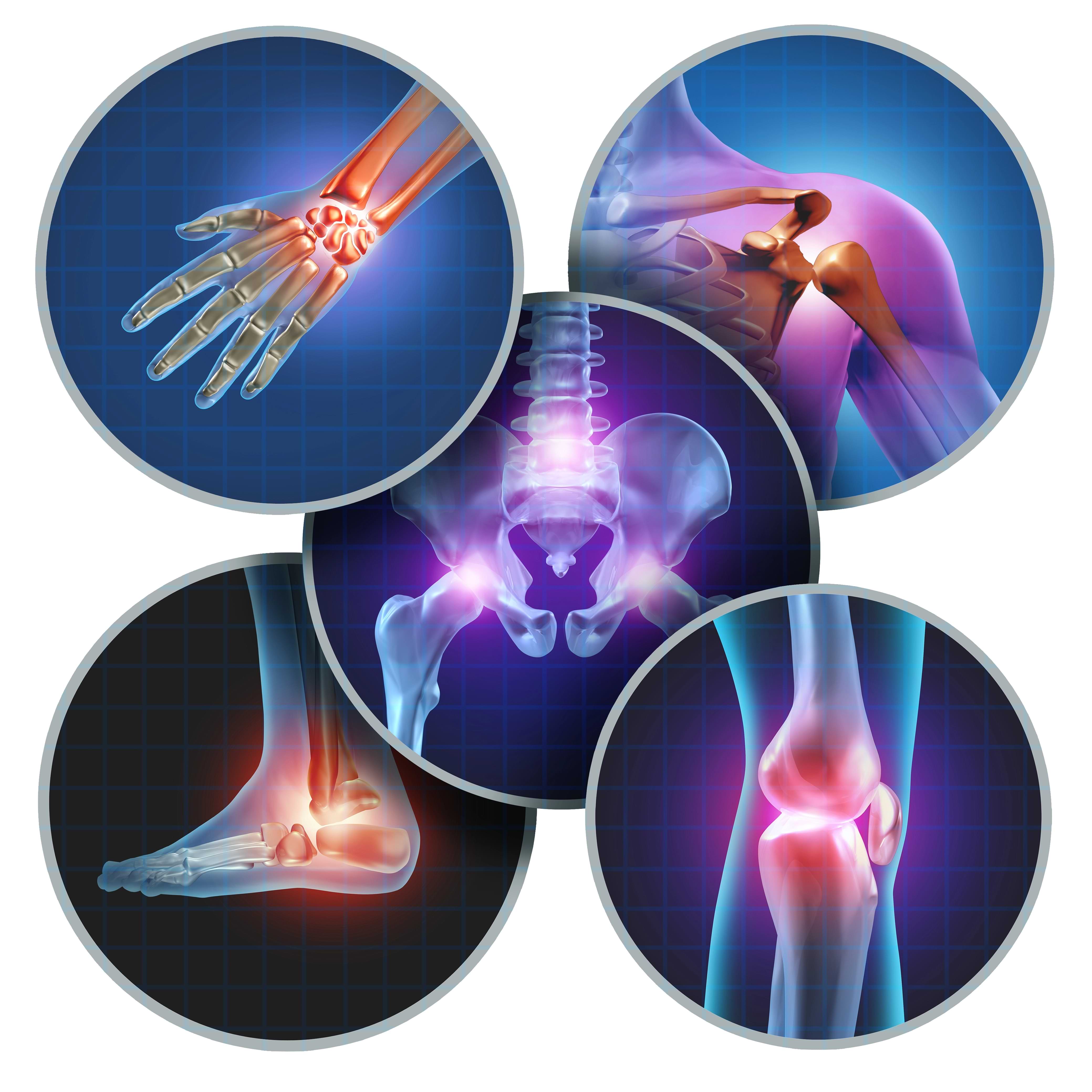
Manage discomfort associated with early-stage arthritis in the knees, hips, or shoulders.
Assist in repairing soft-tissue tears caused by sports or repetitive activity.
Addressing these issues early is important. When an injury is left unmanaged, the body may stop its repair efforts, leading to a chronic state of degeneration. Seeking an evaluation sooner rather than later helps us address the damage before it becomes more difficult to manage.
Also Read: How to Choose the Right Pain Management Specialist in LosAngeles
Diagnostic Imaging Before recommending any treatment, we review your medical history and existing imaging, such as MRIs or X-rays. In many cases, we use diagnostic ultrasound during your visit to view the tissue in real-time. This allows us to see the exact location of a tear or area of inflammation.
Image-Guided Injections: To help platelets reach the site of damage, we may use ultrasound guidance during the procedure. This allows us to monitor the needle’s path and confirm that the PRP is placed exactly where it is needed for the best possible biological response. This level of accuracy is standard in our safety and care protocols.
Personalized Care Planning: Every patient receives a plan based on their specific injury and activity level. This includes:
● Activity Modification: Guidance on which movements to avoid during the initial healing phase.
● Physical Therapy Coordination: We work with your physical therapist to ensure your rehabilitation exercises align with your cellular recovery.
● Follow-Up Care: We monitor your progress at specific intervals to track improvements in function and pain levels.
What types of pain or injuries can PRPhelp treat?
PRP is used to treat various musculoskeletal conditions, including chronic tendon pain, ligament injuries, and mild-to-moderate joint arthritis. It is a preferred option for active adults seeking to return to sports or exercise without surgery.
Is PRP a possibility if my pain has been present for a long time?
Yes. Chronic injuries often occur when the body’s natural repair cycle stalls. PRP can“re-start” this process by introducing a fresh concentration of growth factors to the area, making it a viable choice even for long-standing issues.
Do I need imaging before an injection?
Yes. We require a clear diagnostic picture to confirm that PRP is the right choice for you. If you do not have recent imaging, we can discuss which scans are necessary during your initial visit.
How is PRP different from steroid injections?
While steroids target inflammation for temporary comfort, PRP uses your cells to repair the area. PRP is a biological treatment aimed at long-term function rather than aquick, temporary fix.
How long does it take to see results?
Since PRP relieson your body’s natural growth cycles, results are not instantaneous. Most patients begin to notice improvements in pain and mobility within four to six weeks, with continued progress over several months.
Is PRP considered a safe treatment?
PRP is generally very safe because ituses your own blood. This greatly reduces the risk of allergic reaction or rejection. All procedures are performed in a controlled medical setting.
Will I need time off work after PRP?
Most patients can return to work the sameday or the following day. If your job involves physical labor, we may recommend light-duty modifications for a short period.
Can PRP be used for more than one area at a time?
In some cases, yes. This depends on your overall health and the nature of your injuries. Your physician will help determine what is appropriate during your evaluation.
What does the injection feel like?
You may feel brief pressure or soreness during the injection. Discomfort is usually mild and temporary.
Will I be sore after the procedure?
Some soreness or stiffness is common for a few days and is part of the body’s healing response. This typically fades as recovery progresses.
Can I exercise after PRP?
Light activity is often allowed, but high-impact or strenuous exercise is usually limited for a short time. You will receive specific guidance based on your injury.
Is PRP effective for arthritis?
PRP is often used for early to moderate joint arthritis. It can help improve comfort and function by supporting joint tissue health.
How longdo PRP results typically last?
Many patients experience relief for months or longer. Because PRP supports healing, results tend to last longer than temporary injections.
Can PRP be repeated if needed?
Yes. Some patients benefit from a seriesof treatments, especially for more complex or chronic conditions.
What if PRP is not the right option for me?
If PRP is not appropriate, we will discuss alternative treatments that better fit your condition and goals. Your care plan is always based on what is safest and most effective for you.
If you are struggling with a sports injury, repetitive strain, or joint pain that has not responded to standard care, PRP injections may be an appropriate path forward. Our team under Dr. Shahbaz Farnad is dedicated to providing clear, medically sound guidance to help you make an informed decision about your health.
Contact The Pain Free Institute today to book a consultation.

Medipark
Miracle Mile Surgery Center provides advanced outpatient surgical care with expert physicians and state-of-the-art facilities.
Contact Us





.webp)


