
.svg)







.webp)

Ketamine Therapy for Chronic Pain Relief
A non-opioid pain treatment for those who haven’t found relief through standard treatments.
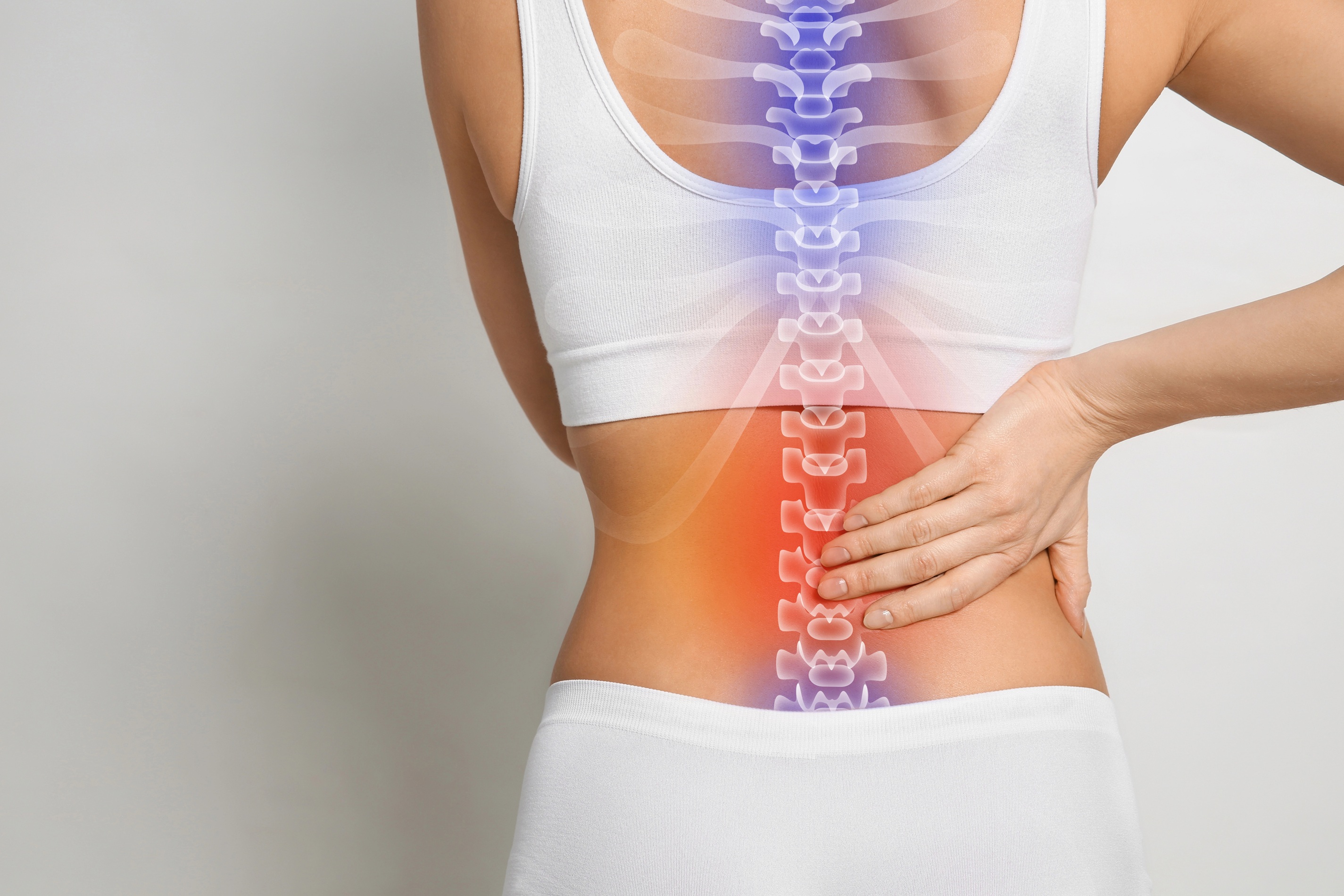
Living with long-term pain can feel like an uphill battle. If you have tried medications, injections, or physical therapy without success, you may feel stuck. Our practice provides physician-guided ketamine infusions to help patients manage difficult pain conditions and regain their quality of life.
By focusing on how the brain and nerves process pain, finding a ketamine pain clinic near me offers a different approach for those seeking to move beyond traditional methods.
What Is Ketamine Therapy for Pain?
Ketamine has been a trusted tool in medicine for over 50 years. Originally used as a surgical anesthetic, doctors discovered that in much lower doses, it has a powerful impact on chronic pain.
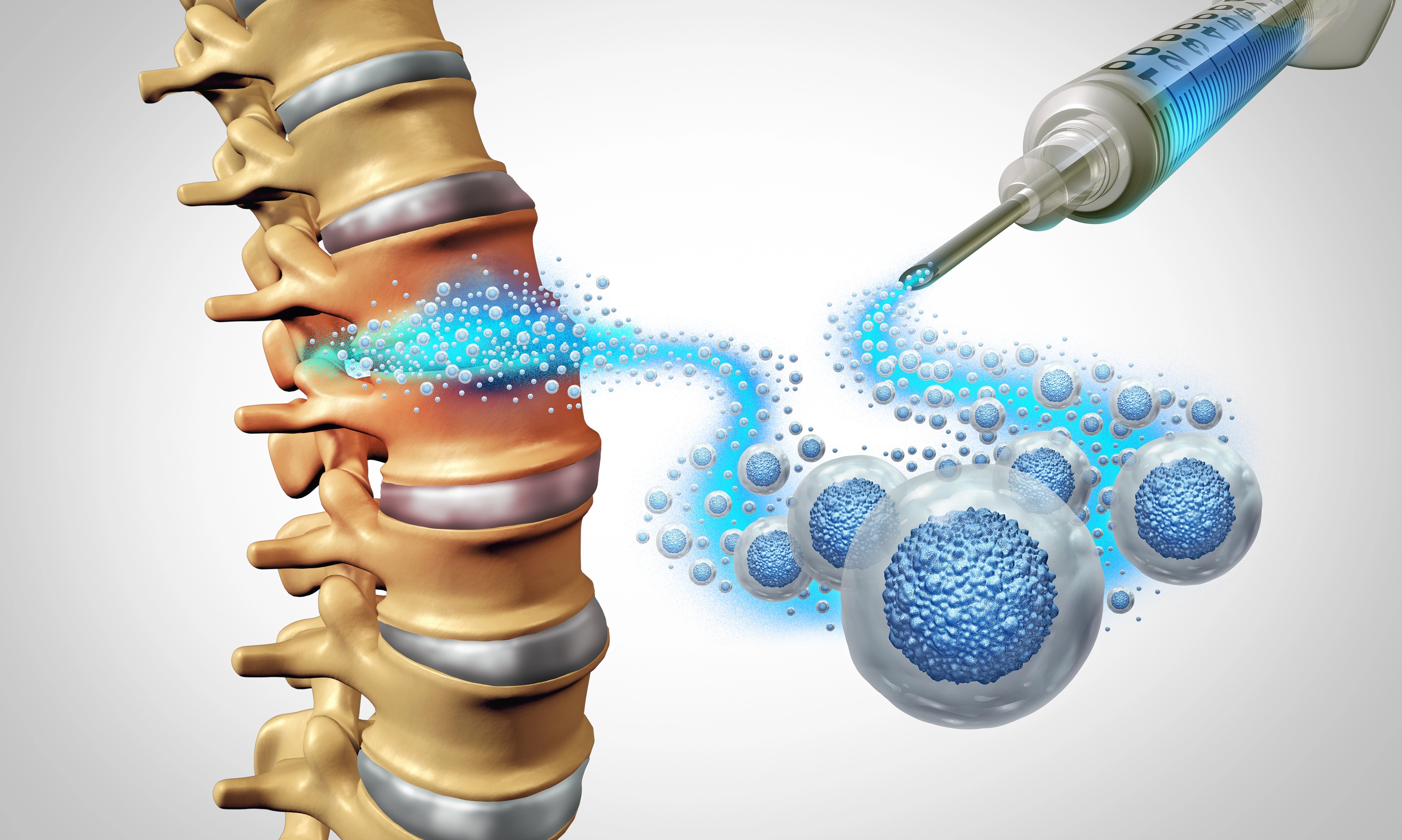
While many people now hear about ketamine for mental health, its use in chronic pain treatment options is distinct. When used for pain, the infusions are typically longer and involve different dosing schedules. The medicine works by interacting with the NMDA receptors in your nervous system. These receptors play a big part in how your body sends and receives pain signals.
When pain lasts for months or years, the nervous system can become stuck in a cycle of high sensitivity. Ketamine helps by blocking these receptors, essentially helping the nervous system reboot its signaling process. This makes it a valuable tool for people whose pain has become resistant to other treatments.

Conditions Ketamine May Help
Ketamine is not for every type of ache or mild injury. Instead, it is used for stubborn, severe pain that stems from the nerves or the brain’s processing systems.
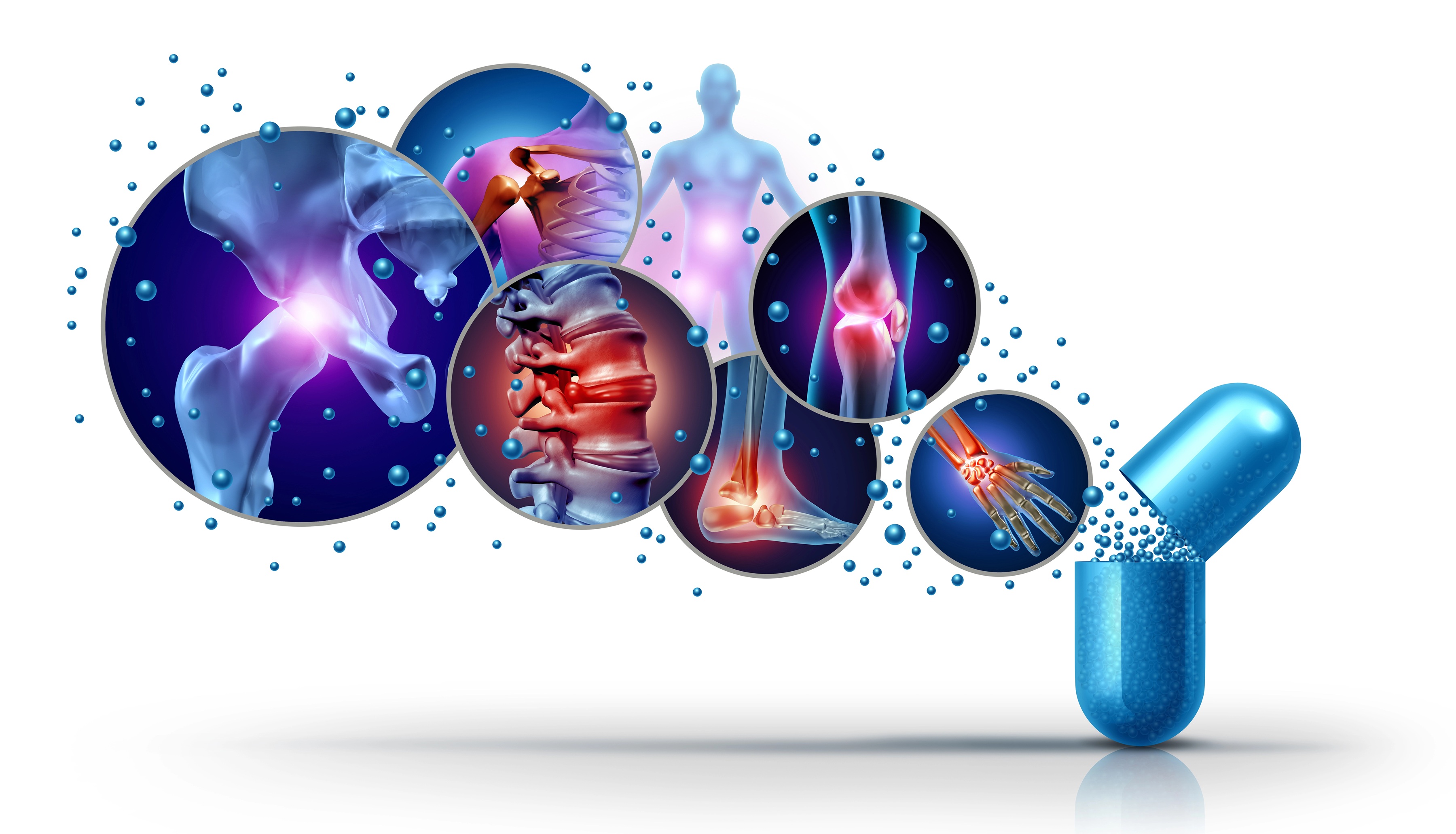
Common conditions we address include:
Chronic nerve pain
Including neuropathy from diabetes or injury.
Complex Regional Pain Syndrome (CRPS)
A condition often characterized by severe, burning pain in a limb.
Fibromyalgia
Helping to manage widespread musculoskeletal pain and sensitivity.
Migraines and severe headaches
Particularly those that do not respond to standard pills or Botox.
Post-surgical pain
For patients who continue to hurt long after a procedure has healed.
Injury-related pain
Managing discomfort that lasts far beyond the normal healing window.
Treatment-resistant pain
Any condition where traditional meds have failed to provide comfort.
A physician will review your history to see if this path fits your needs, whether it’s ketamine for nerve pain or ketamine for CRPS.
Why Ketamine Is Different From Traditional Pain Medications
Most pain medications work by dulling the senses or reducing inflammation. Opioids, for example, attach to receptors that can lead to dependency and often become less effective over time.
Ketamine works differently. It addresses central sensitization, a state in which the nervous system remains in a high-alert mode, making even light touch or normal movement feel painful.
01
NMDA Receptor Blocking
By targeting these specific receptors, ketamine can interrupt the cycle of pain.
02
Neuroplasticity
It helps the brain form new connections, potentially changing how you experience pain long after the medicine leaves system.
03
Non-Opioid
It provides a way to find relief without the risks associated with narcotic pain relievers.
04
Lasting Impact
While a pill might work for four hours, a series of ketamine infusions for pain may provide relief that lasts for weeks or months.
What Treatment Looks Like
The Initial Evaluation
Before any treatment begins, you will meet with Dr. Shahbaz Farnad. We look at your medical records, past treatments, and current health status. This helps us decide if you are a candidate and allows us to create a dosing plan for your specific situation.
The Infusion Session
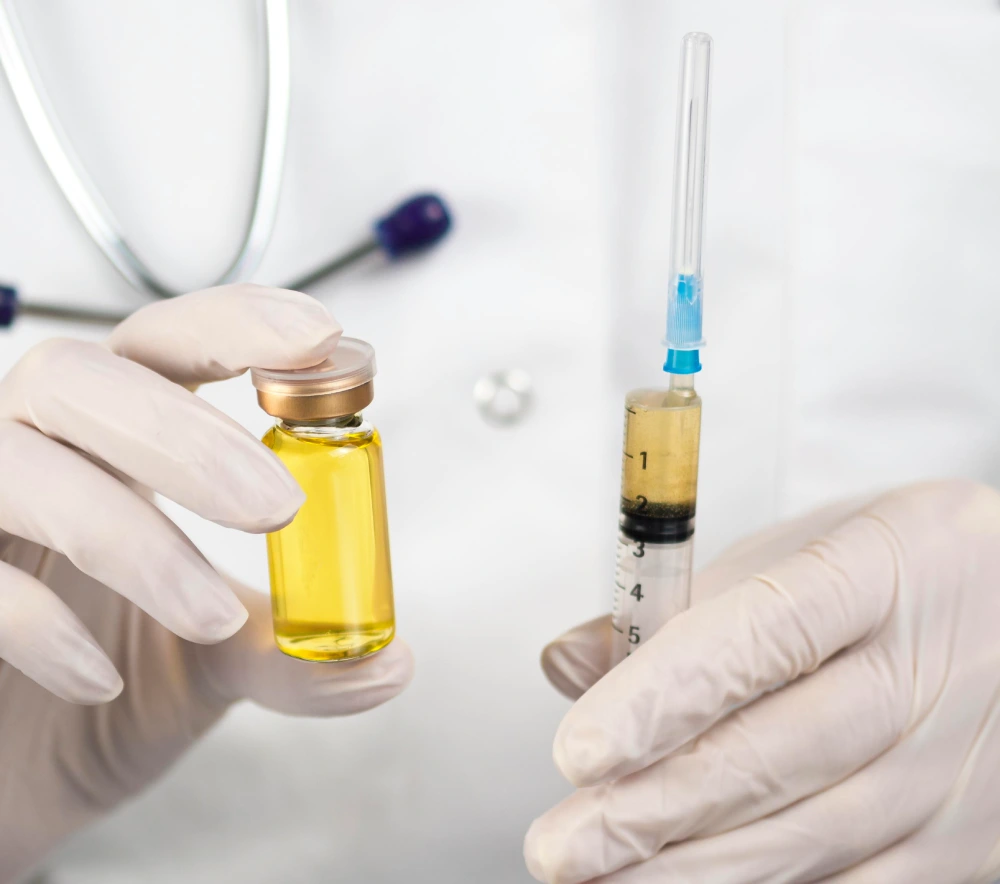
During the session, you will relax in a quiet, private room. The medicine is delivered slowly through an IV. Unlike a surgical setting, you remain awake, though you will likely feel very relaxed or dreamy.
Monitoring and Safety
A medical professional monitors your heart rate, blood pressure, and oxygen levels throughout the entire session. We stay with you to help if you feel any discomfort or have questions.
The Schedule
Pain protocols usually involve a series of infusions over several days or weeks. Each session for pain management typically lasts between two and four hours, depending on your specific condition and how you respond to the medicine.
Safety and Side Effects
Because we provide ketamine in a controlled, clinical setting, it is very safe. However, like any medicine, it can cause temporary side effects.
During the infusion, some patients experience:
● Dizziness or a feeling of floating
● Mild blurred vision
● Nausea
● A temporary rise in blood pressure
These effects usually fade within an hour of finishing the session. We ask that you have a responsible adult drive you home and rest for the remainder of the day.
Who should avoid ketamine?
Those with uncontrolled high blood pressure, certain heart conditions, or a history of psychosis may not be candidates for this therapy. We conduct a screening to identify these factors early on.
What Results Can You Expect?
It is important to have realistic expectations. Ketamine is a powerful tool, but it is rarely a one-and-done cure.
Relief Timelines
Some patients feel a change after their first or second session. For others, it takes several infusions to notice a significant shift.
The Main Benefits
Our focus is on helping you do more of what you love. Success often looks like:
● Lower pain scores on a daily basis.
● Better sleep because you aren't waking up in discomfort.
● The ability to participate in physical therapy or exercise.
● Reduced reliance on other medications.
We work with you to track your progress and adjust your care plan based on how your body reacts.
Why Choose This Practice?
When dealing with chronic pain, you need a team that understands the science and the struggle.
Medical Oversight
Every infusion is managed by experienced professionals who prioritize clinical safety.
Focus on Complex Pain
We don't just treat symptoms; we look at the underlying nerve pathways involved in your condition.
Individualized Care
Your dose and schedule are built for you, not based on a generic template.
A Supportive Setting
We provide a calm environment where you are heard and respected.
Integrated Care
We are happy to coordinate with your primary doctor or physical therapist to support your recovery.
Also Read: How to Choose the Right Pain Management Specialist in Los Angeles
Frequently Asked Questions
Is ketamine therapy safe for chronic pain treatment?
Yes, when administered by medical professionals in a clinical setting, it is very safe. We use doses that are significantly lower than those used in hospital operating rooms. Throughout your visit, we use medical monitors to track your heart rate, blood pressure, and oxygen levels. Our staff is trained to manage any side effects immediately, providing a controlled environment that is far safer than trying to manage severe pain with high doses of home medications.
How is ketamine for pain management different from its usein surgery or mental health care?
The difference lies in the dose and the duration of the infusion. In surgery, high doses are used to induce a deep sleep. In mental health, sessions are often short, lasting about forty minutes. However, for chronic pain, the infusions are much longer, often lasting two to four hours. This prolonged exposure is necessary to help quiet the over active NMDA receptors and address the physical nerve pathways that contribute to long-term suffering.
What types of pain respond best to ketamine therapy?
This therapy is particularly helpful for centralized pain or nerve-based conditions. This includes Complex Regional Pain Syndrome (CRPS), peripheral neuropathy, and fibromyalgia. It is also highly effective for patients with severe migraines or those who have developed a high tolerance to opioid medications. If your pain feels like burning, tingling, or extreme sensitivity to touch, you may be a strong candidate for this approach.
Also Read: Headache and Migraine Treatment in Los Angeles: Finding Lasting Relief at The Pain Free Institute
How quickly do patients feel relief after treatment?
The timeline forrelief varies from person to person. Some individuals feel a noticeable decrease in their pain levels with in twenty-four hours of their first or second session. For others, the benefits are cumulative, meaning the relief builds slowly as you move through your initial series of infusions. We track your progress closely to see how your body responds and adjust the plan to help you find comfort as soon as possible.
How long do ketamine results typically last?
While ketamine is not a permanent cure, it can provide significant relief that lasts much longer than daily pills. Many patients enjoy a period of reduced pain lasting several weeks or even several months after completing their initial series. The goal is to create a window of comfort that allows you to return to physical therapy, work, and the hobbies you enjoy, which further helps in long-term recovery.
Will I need ongoing treatments to maintain relief?
Most patients benefit from a maintenance plan. After the initial round of infusions, you might return for a single booster session every few months. These sessions help reinforce the reset of your nervous system and prevent pain levels from climbing back up. We work with you to find the longest possible gap between treatments while still keeping your symptoms under control.
What does ketamine feel like during a session?
Most people describe the experience as very relaxing and peaceful. You may feel a sense of heaviness in your limbs or a feeling of floating. Some patients notice mild changes in their vision or how they perceive sounds. Because you are in aquiet, private room, most people find it helpful to listen to calm music and rest. The dreamy feeling wears off quickly once the infusion is complete.
Are there side effects I should be concerned about?
The side effects are generally mild and go away shortly after the IV is removed. You might feeldizzy, nauseated, or slightly blurred in your vision for about an hour. We can provide additional medicine during the session to prevent nausea if you are sensitive to it. There are no long-term hangover effects, though we require youto rest and avoid driving for the rest of the day to stay safe.
Who is not a good candidate for ketamine therapy?
While it is safe for most, we carefully screen every patient. Those with certain heart conditions, uncontrolled high blood pressure, or a history of psychosis may not be cleared for treatment. Additionally, if you are currently pregnant or have severe liver disease, we may look at other ways to manage your pain. A full medical review is conducted during your consultation to look at these factors.
Can ketamine help if other pain treatments have failed?
Yes, and this is often when ketamine is most helpful. Many standard pain medications target the same pathways, which is why they often stop working over time. Ketamine targets the NMDA receptor, a completely different part of the pain system. By addressing the "wind-up" phenomenon in the nerves where other drugs cannot, it can provide relief for patients who have run out of choices.
Can ketamine therapy becombined with other pain treatments?
Yes. Ketamine therapy often works best as part of a broader care plan. Many patients continue physical therapy, gentle exercise, or other non-opioid treatments along side infusions. We coordinate with your existing providers to ensure everything works together safely and effectively.
Will ketamine affect mypersonality or mental clarity long-term?
No. Ketamine doesnot change who you are or how you think once it leaves your system. Any dreamy or altered sensations occur only during the infusion and fade shortly afterward. Patients return to their normal mental state the same day.
Is this treatment appropriatefor older adults?
Age alone does not disqualify you. Many older adults benefit from ketamine therapy, especially when pain limits mobility or independence. What matters most is your overall health and medical history, which we carefully review during your consultation.
What should I do to preparefor an infusion session?
You will receive specific instructions, but most patients are asked to avoid eating for a few hours before treatment and to arrange a ride home. Wearing comfortable clothing and bringing calming music can help make the session more relaxing.
How do you measure whetherthe treatment is working?
We track changes in pain levels, sleep quality, daily function, and medication use over time. These markers help us understand how your body is responding and guide adjustments to your treatment plan so care remains personalized and effective.
Take the Next Step Toward Relief
You don’t have to live in a cycle of constant pain and frustration. If you are tired of treatments that don’t last, it may be time to see if ketamine therapy is right for you.
Our team is ready to help you understand your path forward. Contact us today to learn more about our process and how we can support your journey back to a more active life.
Talk to a pain specialist and schedule a consultation with us!