
.svg)







.webp)

Interventional Pain Management Through Concierge Medicine near Beverly Hills, CA
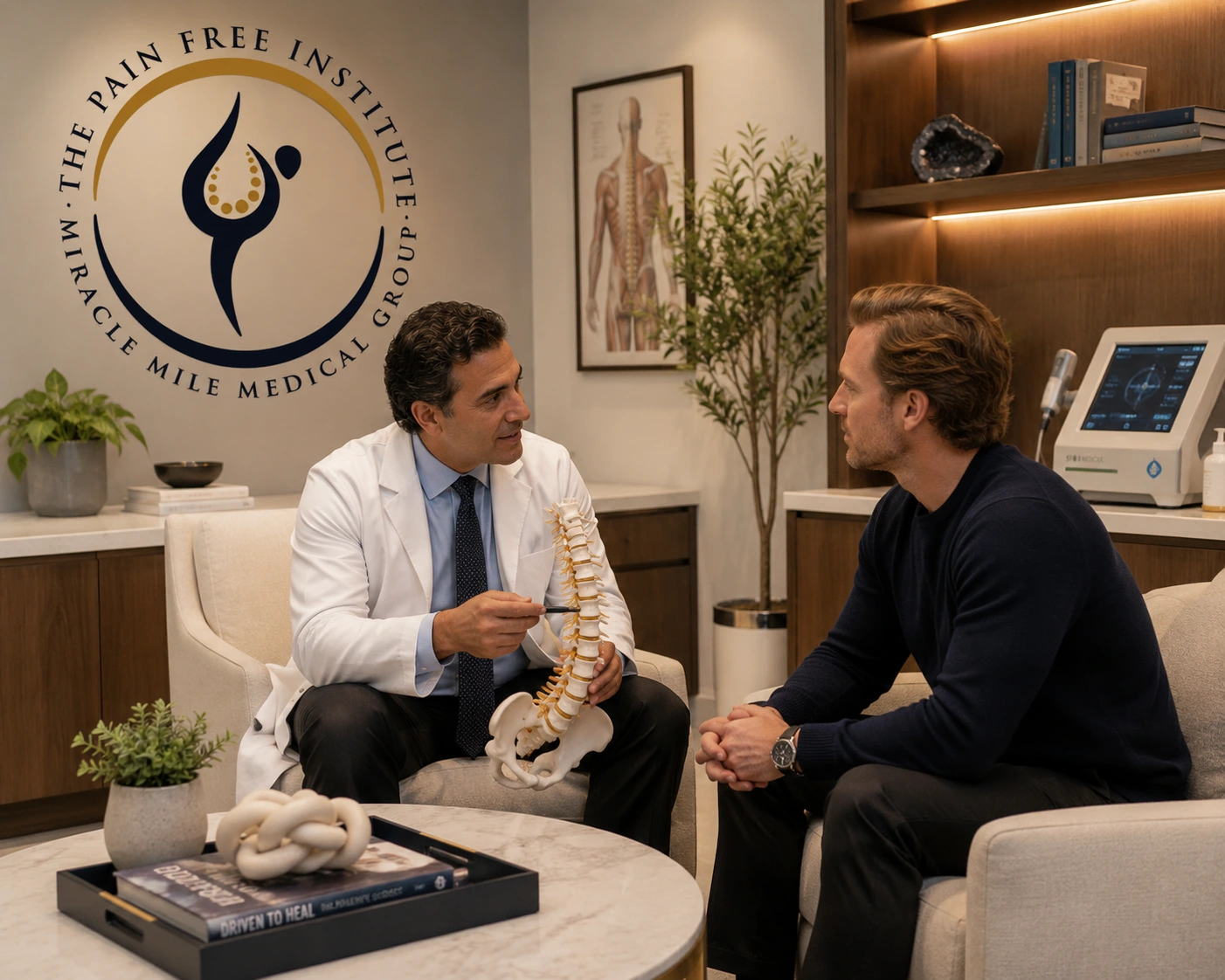
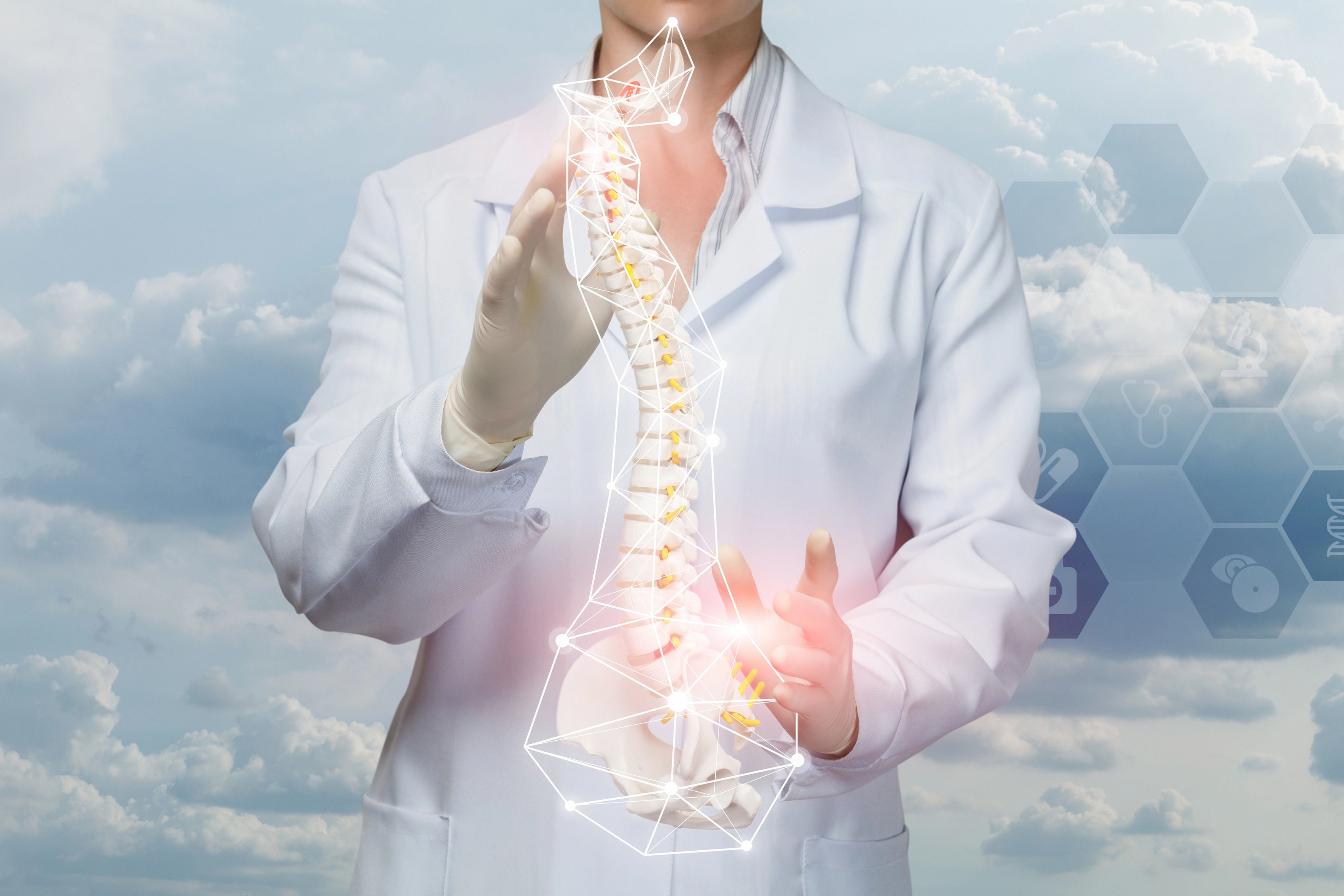
By the time many Beverly Hills patients go looking for a concierge pain specialist, they have already sat through rushed insurance visits, tried an opioid prescription or two, and heard at least one surgeon describe an operation they would rather avoid. The Pain Free Institute offers a different path from its Miracle Mile office at 5757 Wilshire Blvd, Ste PR2, a short drive east of Beverly Hills along Wilshire Boulevard. Care is led by Dr. Shahbaz Farnad, a double board-certified anesthesiologist and interventional pain management specialist, and the practice runs on an out-of-network, concierge model focused on interventional, regenerative, and non-opioid options for chronic pain. Patients receive the time and attention they deserve, leaving each appointment feeling heard, informed, and confident in a treatment plan designed to address the root cause of their pain rather than just mask it.

Concierge Pain Care for Beverly Hills Patients Who Want Time, Access, and Options
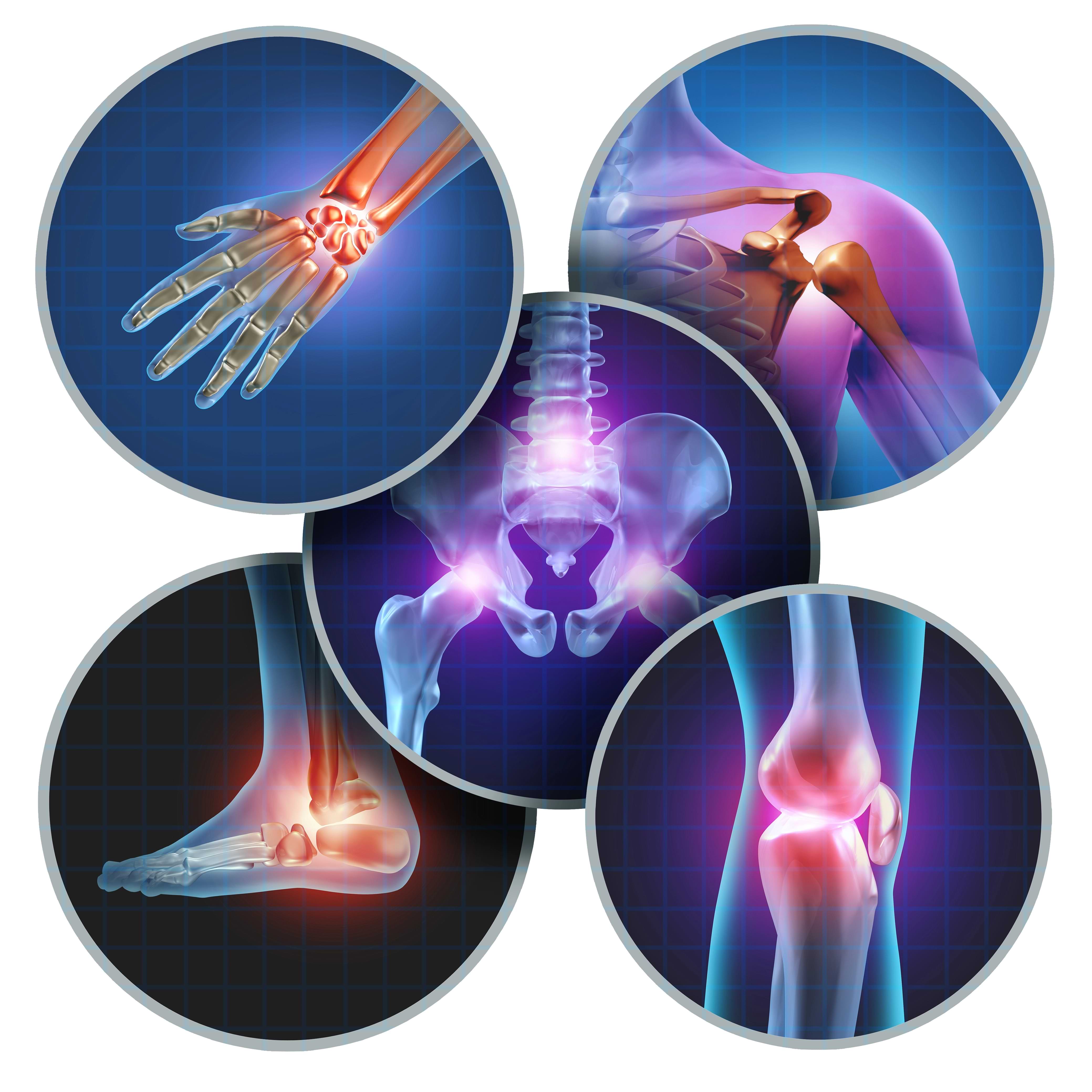
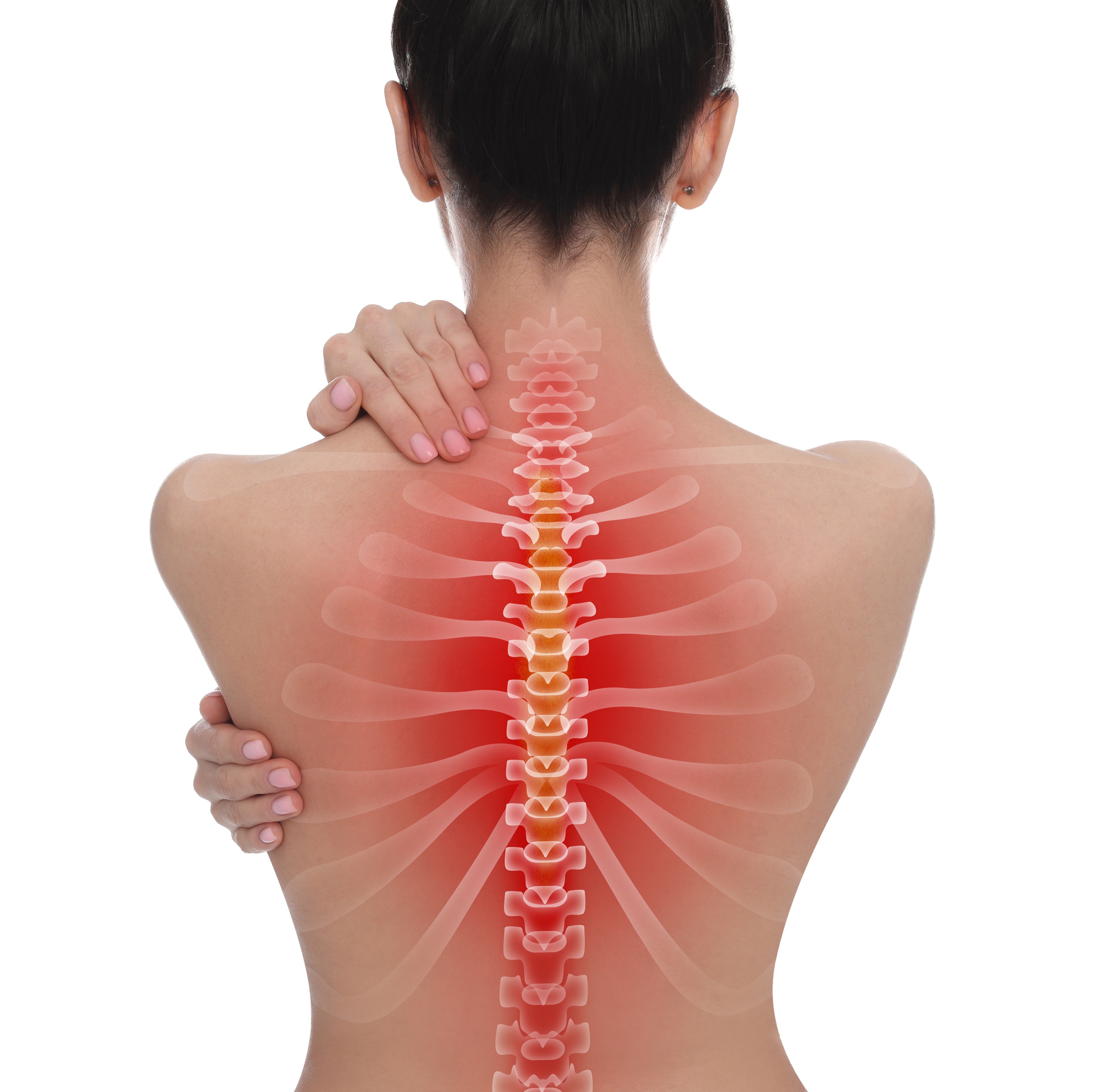
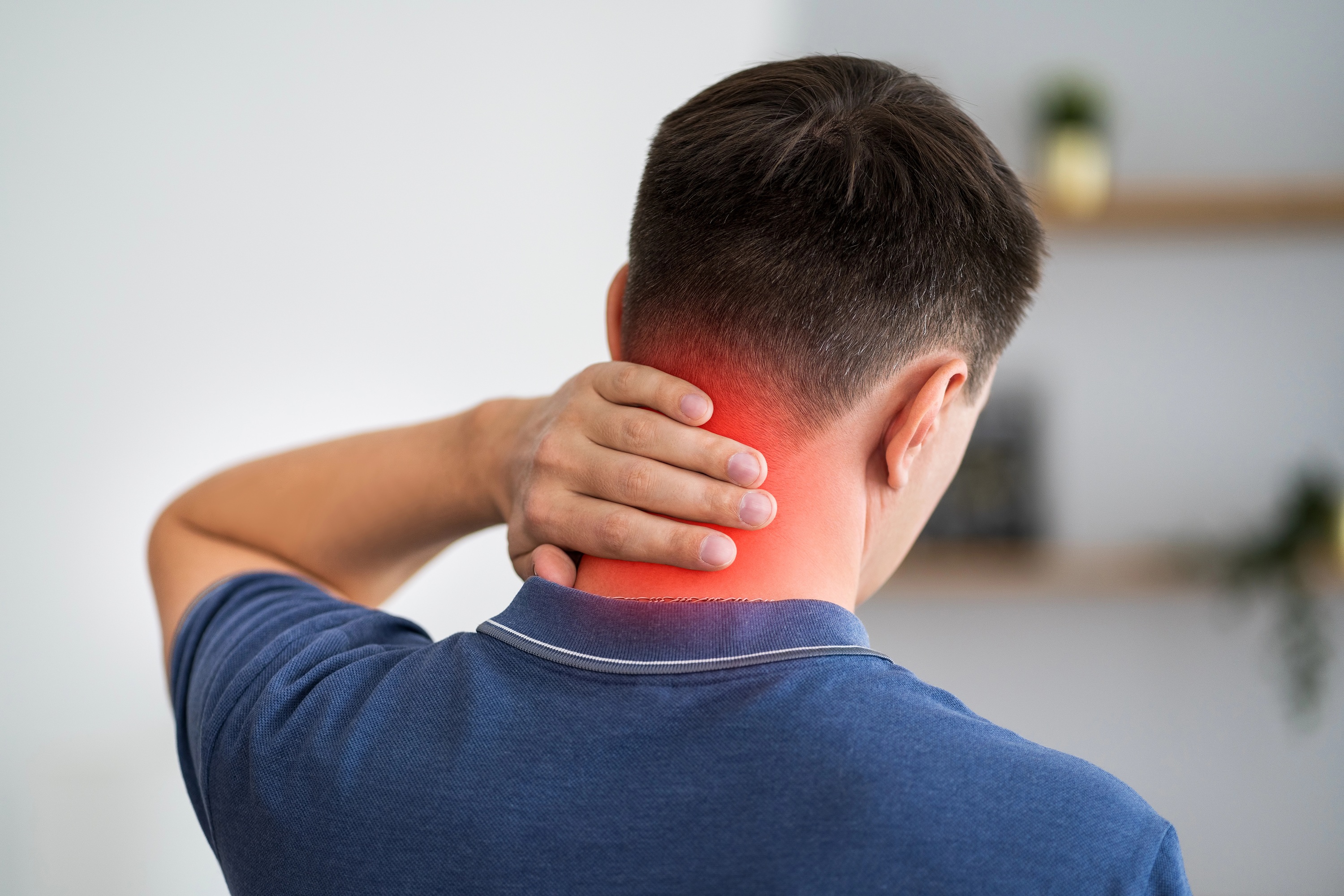
Because the Pain Free Institute works outside insurance networks, the visits look different from the start. Appointments are longer, the plan is built around the diagnosis rather than around what a network will authorize, and Dr. Farnad walks through interventional and regenerative options before anything is scheduled. Beverly Hills patients who come in tend to fall into a few groups: those managing chronic back, neck, joint, or nerve pain, those dealing with migraines and recurring headaches, those recovering from a sports injury or surgery that left lingering pain, and those who simply want a more personal level of medical attention than a high-volume office can offer.
Wilshire Boulevard Connects Beverly Hills Directly to the Miracle Mile Office
The Pain Free Institute does not operate a separate office inside Beverly Hills. The single office sits at 5757 Wilshire Blvd, Ste PR2, in the Miracle Mile district, on the same Wilshire Boulevard that runs through the heart of Beverly Hills past the Beverly Wilshire hotel. For most Beverly Hills patients, the route is simply Wilshire heading east, a straight shot that usually takes ten to fifteen minutes depending on the time of day. There is no need to navigate the dense medical towers closer to the city center.
That position is part of the appeal. Beverly Hills patients are already used to leaving the immediate city limits for specialists at Cedars-Sinai or UCLA, so a short drive east on Wilshire to a dedicated pain institute fits a pattern they know. The Miracle Mile location sits among the museums of the Museum Row stretch, between Beverly Hills, West Hollywood, and Hancock Park, which keeps it central without the parking and congestion of a hospital campus.
For patients coming from the Golden Triangle, the Flats, or the residential streets south of Wilshire, the trip can be folded into an existing errand or appointment on the east side of the city. The front desk is glad to suggest mid-morning or early-afternoon windows when Wilshire moves fastest, so the drive in and the drive home both stay short.
What Sets the Pain Free Institute Apart for Beverly Hills Patients
Beverly Hills patients generally choose this practice after comparing it carefully against the hospital-affiliated pain clinics closer to home. The points below describe what they most often name as the deciding factors.
A double board-certified physician
Dr. Shahbaz Farnad is board-certified in both anesthesiology and interventional pain management, and he leads every treatment plan personally
An out-of-network, concierge model
The practice works outside insurance networks, which means longer appointments and a plan built around the patient and the diagnosis rather than around coverage limits
An interventional and non-opioid focus
The emphasis is on interventional and regenerative approaches that aim to relieve pain without surgery or long-term opioid use
Regenerative medicine options
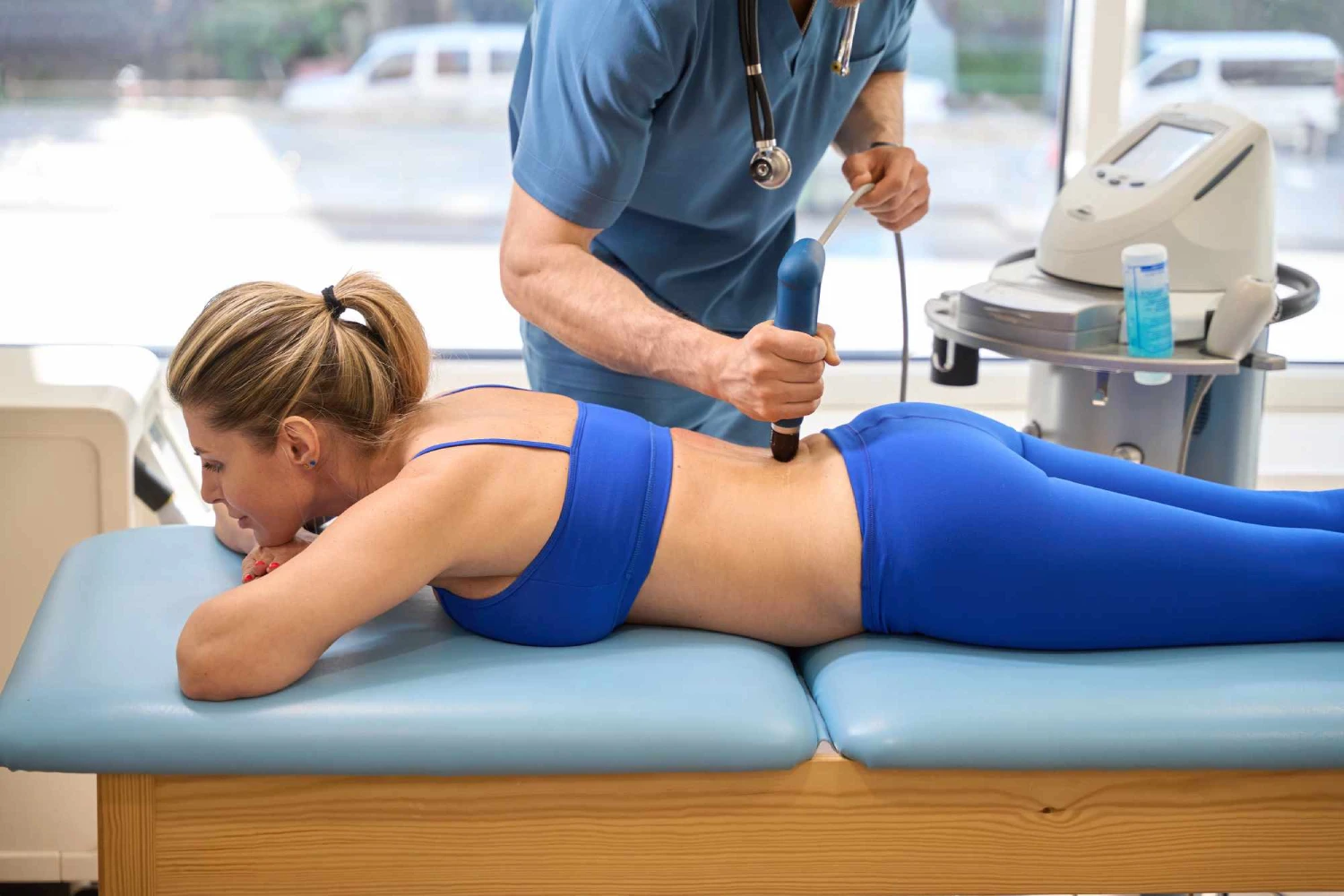
PRP injections, stem cell therapy, prolotherapy, and shockwave therapy are offered as part of a regenerative approach to joint and soft-tissue pain
Image-guided interventional procedures
Dr. Farnad is highly experienced with fluoroscopy-guided injections and spinal cord stimulation, which support precise, targeted treatment
Experience tapering high-dose opioids
Helping patients reduce or transition off high-dose opioid regimens is one of Dr. Farnad's specific clinical focuses
Single-physician continuity
Patients see Dr. Farnad himself across visits rather than a rotating roster, so the plan stays consistent from one appointment to the next
An academic and surgical-center background
Dr. Farnad is a former Assistant Professor of Anesthesiology and Pain Medicine at Mount Sinai and serves as Medical Director of Miracle Mile Surgery Center
A calm, unhurried office
Appointments leave room for questions, and each option is explained in plain language before anything is scheduled
A central Miracle Mile location
The office sits a short drive east of Beverly Hills on Wilshire, away from the congestion of the larger hospital medical buildings
The Goals Behind Every Pain Treatment Plan for Beverly Hills Patients
Care at the Pain Free Institute is organized around a few clear priorities that repeat across injections, procedures, and regenerative treatments. The four goals below describe what a Beverly Hills patient is working toward with each visit.
Relief That Does Not Depend on Surgery or Daily Opioids
The first goal for most Beverly Hills patients is meaningful relief that does not require an operation or a standing opioid prescription. Interventional injections, nerve ablation, and regenerative options are chosen to calm the pain at its source. For many patients this can reduce or remove the need for medication that only masks the problem.
Getting Back to Movement and Daily Life
Pain that limits how a person walks, works, sleeps, or plays tennis is the real problem behind most visits. Treatment plans are built around restoring function, not just lowering a pain score on paper. The aim is to help Beverly Hills patients return to the activities and routines that chronic pain had quietly taken away.
Treating the Source, Not Just the Symptom
Dr. Farnad takes time to identify what is actually driving the pain, whether it is a spinal disc, an irritated nerve, an arthritic joint, or an old injury that never fully healed. Image-guided procedures and regenerative therapies are then matched to that specific cause. Addressing the root of the problem is what makes relief more durable.
Care From One Physician Who Knows Your History
Continuity is a goal in itself. Seeing the same board-certified specialist at every visit means the plan adjusts based on a full understanding of what has and has not worked. That relationship is a core part of what the concierge model is meant to deliver for Beverly Hills patients.
Treatment Approaches Used for Beverly Hills Pain Patients
Care at the Wilshire Boulevard office is grouped into several working categories, each matched to the patient and the source of the pain. Many Beverly Hills patients begin with a diagnostic consultation and then build a plan that draws from more than one of the categories below.
Interventional Spine and Joint Injections
This category covers epidural steroid injections, facet joint injections, medial branch blocks, selective nerve root blocks, and sacroiliac joint injections for spine-related pain, along with corticosteroid, hyaluronic acid viscosupplementation, trigger point, and Botox injections for joint and muscle pain. These image-guided injections are used to calm inflammation and interrupt pain signals at a precise location. They often serve as both a diagnostic step and a treatment.
Nerve Ablation and Neurostimulation
For pain that returns after injections, Dr. Farnad offers radiofrequency ablation and rhizotomy, pulsed radiofrequency therapy, and cryoneurolysis to quiet the nerves carrying the pain signal. Spinal cord stimulation, peripheral nerve stimulation, and dorsal root ganglion stimulation are available for more persistent nerve pain. Occipital, trigeminal, and sympathetic nerve blocks address specific head, face, and nerve-related pain.
Regenerative Medicine Options
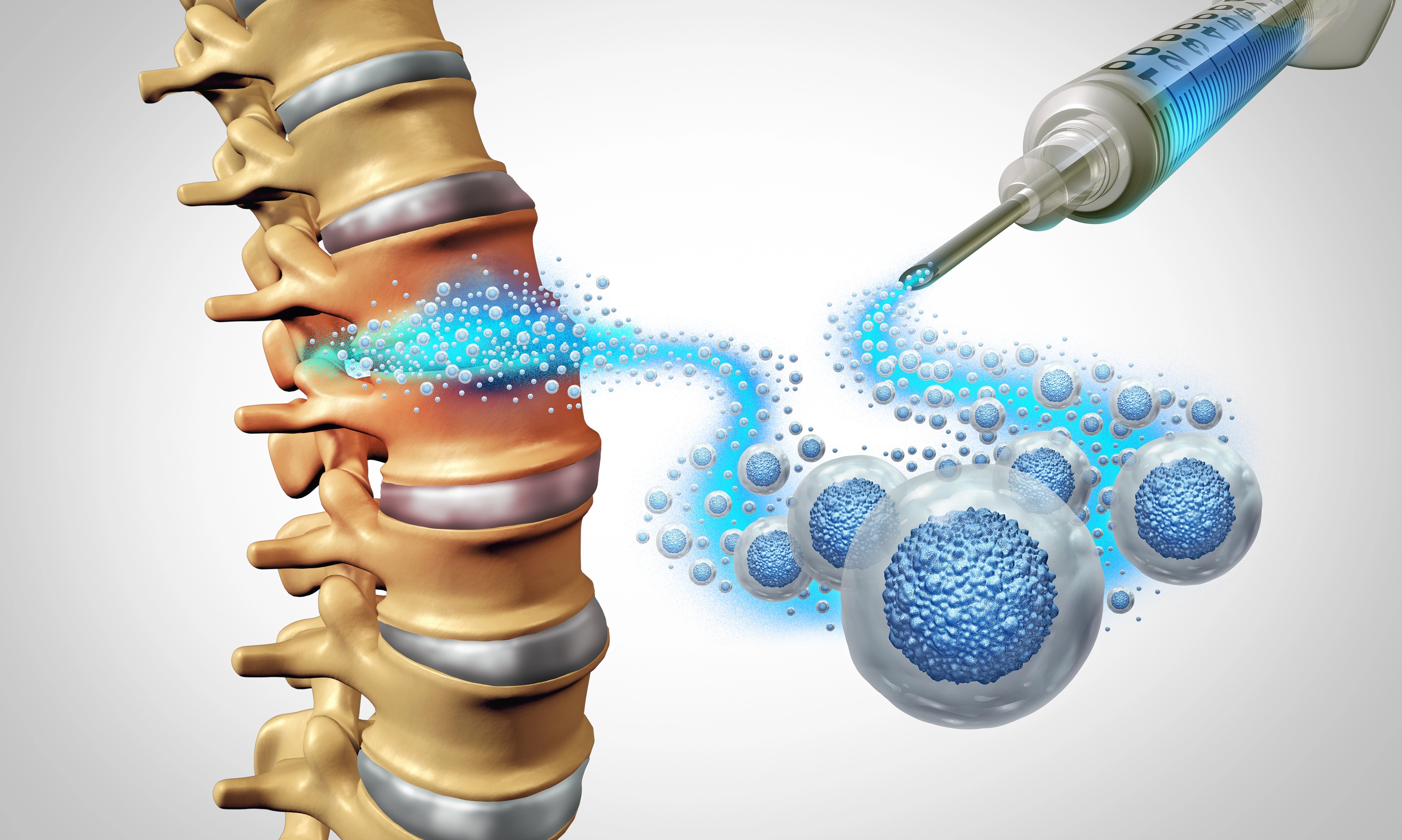
The regenerative side of the practice includes platelet-rich plasma injections, stem cell therapy, prolotherapy, and shockwave therapy, which are used to support the body's own repair of joints, tendons, and soft tissue. These options appeal to Beverly Hills patients looking at knee, shoulder, or hip pain who want a non-surgical path. Candidacy is confirmed during an evaluation, since regenerative responses vary by patient.
Minimally Invasive Procedures and Infusion Therapy
For compression fractures and certain spinal conditions, minimally invasive kyphoplasty and vertebroplasty can stabilize the area and reduce pain. Intravenous infusion therapy and peripheral joint nerve ablation round out the options for chronic and complex pain. Each procedure is planned around the patient's imaging, health history, and goals.
Conditions and Treatments Addressed for Beverly Hills Patients
• Epidural steroid injections for spine-related pain
• Facet joint injections and medial branch blocks
• Selective nerve root blocks
• Sacroiliac joint injections
• Radiofrequency ablation and rhizotomy
• Pulsed radiofrequency therapy
• Cryoneurolysis (cryoablation)
• Spinal cord stimulation
• Peripheral nerve stimulation
• Dorsal root ganglion stimulation
• Platelet-rich plasma (PRP) injections
• Stem cell therapy
• Prolotherapy
• Shockwave therapy for tendon and joint pain
• Hyaluronic acid viscosupplementation injections
• Corticosteroid injections
• Trigger point injections
• Botox injections for chronic pain
• Occipital and trigeminal nerve blocks
• Sympathetic nerve blocks
• Kyphoplasty and vertebroplasty
• Intravenous infusion therapy
• Care for herniated discs, sciatica, neuropathy, & arthritis
• Care for knee, hip, shoulder, and joint pain
• Care for migraines, headaches, and TMJ-related pain
• Care for sports injuries and post-surgical pain
The Specialist Directing Pain Care at the Pain Free Institute
Every treatment at the Pain Free Institute is delivered by the physician below. A brief credential summary appears here, with full provider information available on the practice website.
Dr. Shahbaz Farnad, MD, Medical Director and Interventional Pain Management Specialist
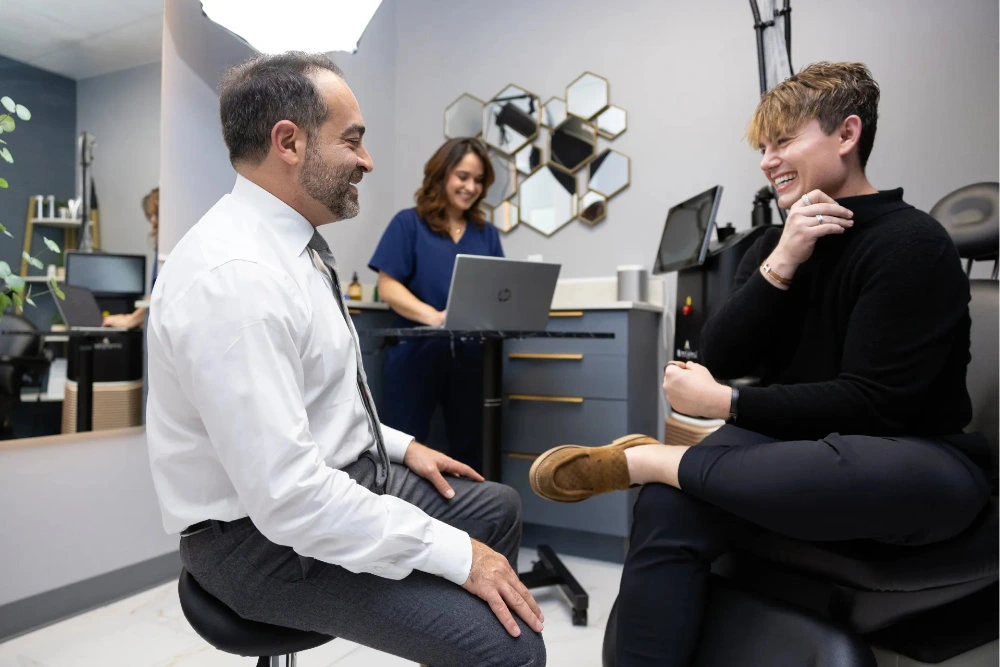
Dr. Shahbaz Farnad is a double board-certified anesthesiologist and interventional pain management specialist known for an integrative, patient-centered approach to chronic pain. He completed his medical degree at the David Geffen School of Medicine at UCLA, his anesthesiology residency at Rush University in Chicago, and a fellowship in interventional pain management at Mount Sinai Hospital in New York City. Early in his career he served as Assistant Professor of Anesthesiology and Pain Medicine at Mount Sinai and helped direct a satellite pain fellowship program. His clinical interests include non-opioid interventional treatment of spinal pain, Complex Regional Pain Syndrome, atypical headaches, and sports injuries, and he is highly experienced in spinal cord stimulation, fluoroscopy-guided procedures, and transitioning patients off high-dose opioids. Alongside the Pain Free Institute, he serves as Medical Director of Miracle Mile Surgery Center and founded Apollo Anesthesia Associates, though his primary focus remains the daily practice of pain management.
What Beverly Hills Patients Ask Before Their First Visit
Where is the office, and how far is it from Beverly Hills?
The office is at 5757 Wilshire Blvd, Ste PR2, in the Miracle Mile district, on the same Wilshire Boulevard that runs through Beverly Hills. For most Beverly Hills patients the drive east is about ten to fifteen minutes depending on traffic. The front desk can suggest the lightest windows for your route.
Do you take insurance, or is this an out-of-network practice?
The Pain Free Institute works outside insurance networks, which is what allows for longer appointments and a plan built around your diagnosis rather than network rules. Many patients with PPO plans submit our documentation to their insurer for possible out-of-network reimbursement, so a visit is not always fully out of pocket. The team can explain pricing for any recommended treatment during your consultation.
Is parking available at the Wilshire Boulevard office?
Yes, parking is available at the Wilshire Boulevard location, so Beverly Hills patients do not need to hunt for street parking before an appointment. The front desk can confirm current parking and entry details when you schedule. Letting them know your arrival time also helps keep your visit on schedule.
Beverly Hills Pockets and Westside Areas Our Patients Travel From
We regularly see patients commuting in from neighborhoods across Beverly Hills and the surrounding Westside. Common origin points for the drive east to the Miracle Mile office include:
• Beverly Hills, CA (90210, 90211, 90212)
• The Flats of Beverly Hills
• Trousdale Estates
• The Golden Triangle and Rodeo Drive area
• South of Wilshire
• Beverly Hills Post Office area in the 90210 hills
• Benedict Canyon
• Coldwater Canyon
• Holmby Hills
• Beverlywood border
• Century City professionals working near the Avenue of the Stars
• West Hollywood border patients heading south to Wilshire
• Carthay and the Beverly Grove edge
• Hancock Park and Larchmont near the office
Keeping an Active Beverly Hills Life With Pain Care a Short Drive Away
Targeted Pain Management Strategies
“My second time at Dr. Farnad. Again a wonderful experience. He takes time with you. It is not 5 or 10 minutes long and the doctor rushes you out. He takes time with you and answers questions and always asks is there anything else you would like to know. Great Doctor. His assistant Dr Jessica is also wonderful, as well as everyone in the office! I highly recommend!”
- Barbara Andrews
“Dr. Farnad and his staff are wonderful. I came in for shockwave treatment and it has been helping a lot with my pain. He is very knowledgeable and kind in his approach. There is no doubt that I will be pain free soon. I highly recommend a visit if you need help.”
- Troy Hayes
“Dr. Farnad is patient, thorough, and genuinely invested in his patients' well being. I highly recommend him to anyone seeking not only effective treatment but also a doctor who truly cares.”
- Mark Aprahamian
Begin Your Pain Relief Plan From Beverly Hills
Call (323) 433-7744 or schedule online to start a consultation conversation with the Pain Free Institute team. The front desk will explain how the out-of-network model works, what records or imaging to bring, and how to time the short drive east on Wilshire so your first visit fits cleanly into the day.
• Address: 5757 Wilshire Blvd, Ste PR2, Los Angeles, CA 90036
• Hours: Monday to Friday, 8:30 AM to 5:00 PM. Closed Saturday and Sunday.
Pain Management Questions Beverly Hills Patients Ask Most
How long will a spinal injection last?
Relief from a spinal injection such as an epidural steroid injection varies widely. Some patients feel better for a few weeks, while others get several months of relief, and the duration often depends on the underlying condition and how the body responds. Dr. Farnad uses the result of each injection to guide the next step in the plan.
Can you walk after a lumbar epidural steroid injection?
Yes, most patients can walk on their own shortly after a lumbar epidural steroid injection, though some feel temporary leg heaviness or numbness that passes within a few hours. We ask that someone drive you home as a precaution, and light activity is usually fine the next day. Specific aftercare is reviewed before you leave.
How many times can you get an epidural steroid injection?
Epidural steroid injections are typically limited to roughly three to four per year because of the cumulative steroid dose, though the exact number depends on your health and your response. Dr. Farnad spaces them based on how long your relief lasts and looks at other options when injections alone are not enough. The plan is always individualized.
Is RF ablation risky?
Radiofrequency ablation is considered a low-risk, minimally invasive procedure when performed by an experienced specialist under image guidance. As with any procedure there are possible side effects such as temporary soreness or numbness at the site, which Dr. Farnad reviews with you beforehand. Serious complications are uncommon.
How painful is RF ablation?
Most patients describe radiofrequency ablation as tolerable, with some pressure or a brief warm sensation during the procedure. A local anesthetic numbs the area, and mild soreness for a few days afterward is normal. The team can walk through comfort options during your consultation.
How long does stem cell therapy last?
Results from stem cell therapy vary from patient to patient, and many people notice gradual improvement over several weeks to months as the tissue responds. Some experience relief that lasts a year or longer, while others benefit from repeat treatment. Because regenerative responses differ, Dr. Farnad sets realistic expectations during the evaluation.
Who is not a good candidate for kyphoplasty?
Kyphoplasty is generally not recommended when a fracture has already healed, when there is a spinal infection, or when a bleeding disorder is not well controlled. A careful review of imaging and medical history helps determine candidacy. Dr. Farnad discusses whether the procedure fits your specific situation.
Are you put to sleep for kyphoplasty?
Kyphoplasty is usually performed under local anesthesia with sedation rather than full general anesthesia, so you are relaxed and comfortable but not completely unconscious. The exact approach depends on your health and the complexity of the case. The anesthesia plan is reviewed with you ahead of time.
What should I avoid after kyphoplasty?
For the first several days after kyphoplasty, avoid heavy lifting, bending, twisting, and strenuous activity so the treated area can settle. Most patients return to normal movement gradually with guidance from the care team. You will receive activity instructions tailored to your recovery.
Who is not eligible for PRP?
Platelet-rich plasma therapy may not be appropriate for patients with certain blood disorders, active infections, or some cancers, and it is generally postponed during pregnancy. A review of your medical history and current medications helps confirm whether PRP is a safe option. Dr. Farnad walks through candidacy during the consultation.
Why do Beverly Hills patients travel to Miracle Mile instead of a closer pain clinic?
Beverly Hills patients are accustomed to seeking out dedicated specialists rather than settling for the nearest option. The Pain Free Institute is a single-physician, out-of-network practice focused entirely on interventional and regenerative pain care, which the larger hospital-affiliated clinics are not structured around. For many patients, that focused attention is the reason they make the short trip east on Wilshire.
Can Beverly Hills patients get a priority or same-week appointment?
Because the practice runs on a concierge model rather than a packed network schedule, Beverly Hills patients can often be seen sooner than at a high-volume clinic. The front desk works to fit new patients into the earliest reasonable slot and can prioritize urgent pain situations. Calling the office directly is usually the fastest way to find an opening.
How private and discreet is the office for Beverly Hills patients?
The Miracle Mile office operates at a boutique scale rather than as a high-volume floor, so waiting-room overlap stays minimal and appointments are kept low-profile. Beverly Hills patients who value privacy tend to appreciate the calm, single-specialist setting away from a busy hospital campus. The team can arrange timing to keep a visit as discreet as possible.
Can a Beverly Hills patient see Dr. Farnad for a second opinion before agreeing to surgery?
Yes, and many Beverly Hills patients come in specifically for a non-surgical second opinion after an operation has been recommended elsewhere. Dr. Farnad reviews your imaging and history to see whether interventional or regenerative options might address the pain first. No referral is required to schedule that conversation.
What pain conditions do Beverly Hills patients most often come in for?
Beverly Hills patients commonly seek help for chronic back and neck pain, sciatica and nerve pain, arthritis and joint pain in the knees, hips, and shoulders, migraines, and lingering pain from sports injuries or past surgery. Dr. Farnad tailors the workup to the specific condition rather than applying one protocol to everyone. The first visit focuses on pinpointing the source before any treatment is planned.
Concierge Pain Relief Within Reach of Beverly Hills
If you want a pain specialist who will take the time to hear the full history, explain every interventional and regenerative option in plain language, and build a plan aimed at both calming the pain and restoring how you move through your day, Dr. Farnad and the Pain Free Institute are ready to help. Reach out whenever it suits your schedule, and the team will arrange a first visit around the short drive in from Beverly Hills.
• Address: 5757 Wilshire Blvd, Ste PR2, Los Angeles, CA 90036
• Hours: Monday to Friday, 8:30 AM to 5:00 PM.
• Saturday and Sunday: Closed
• Website: https://www.thepainfreeinstitute.com/
Book Your Visit With the Pain Free Institute