
.svg)















.webp)

Infusion Therapy
What Infusion Therapy Is and Why It’s Used
Modern medicine continues to evolve, providing new ways to manage health challenges that once seemed insurmountable. Among these advancements, infusion therapy services stand out as a great method for delivering potent medications directly to the body. For many patients, especially those dealing with chronic pain or systemic diseases, this method offers a level of relief that standard pills or local injections simply cannot match.
What Is Infusion Therapy?
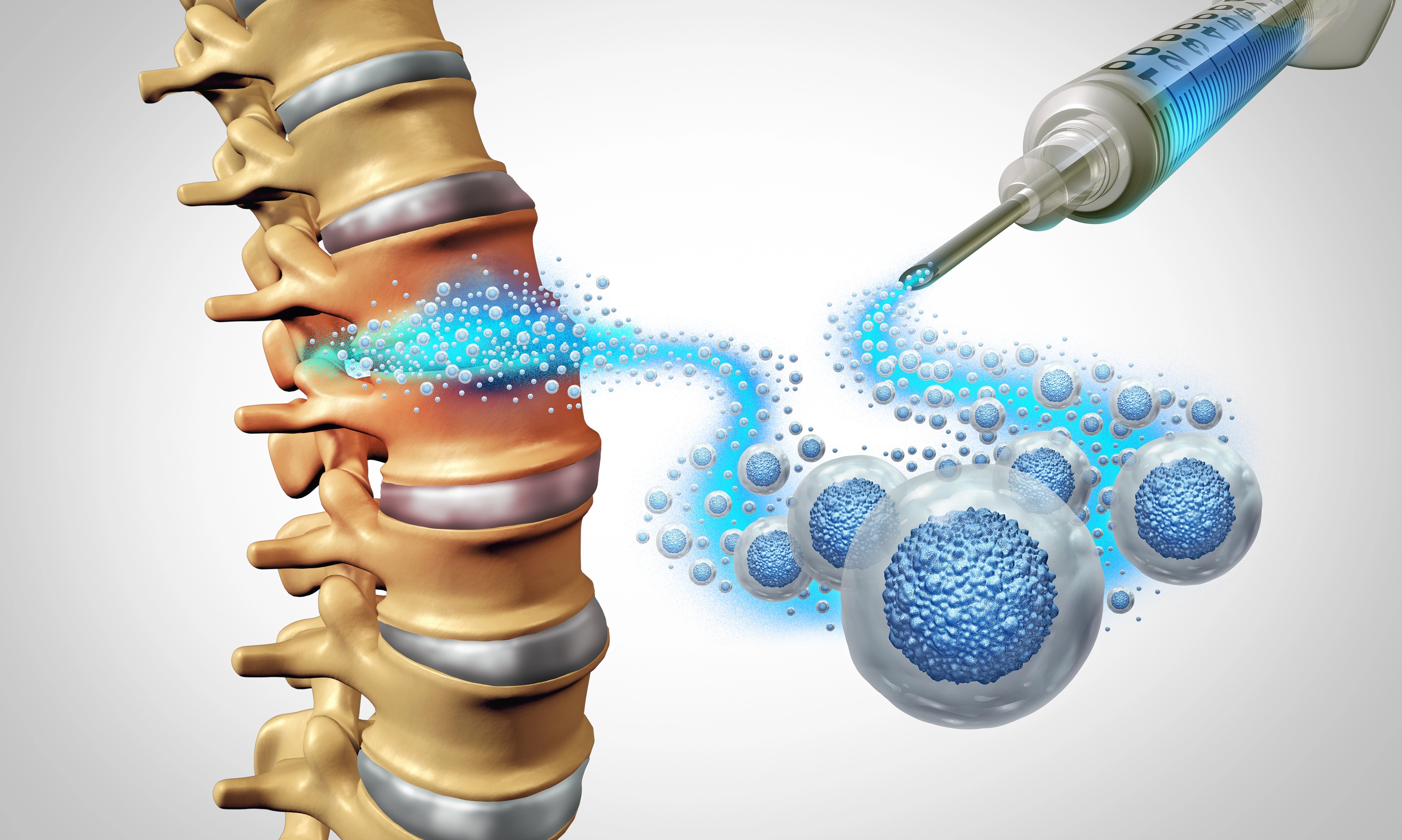
Medical infusion therapy involves the administration of medication through a needle or catheter. This is typically done intravenously, through IV, meaning the medicine enters the bloodstream directly. This process bypasses the digestive system, which is a major advantage for certain types of drugs that might be broken down by stomach acid or poorly absorbed by the gut.
IV infusion therapy allows for a higher concentration of medication to reach the target area quickly. When you take a pill, the body must digest it, filter it through the liver, and then circulate it. During an infusion treatment, the medication is 100% bioavailable from the moment it enters the vein. This is why an infusion clinic is often the preferred setting for treating severe or long-term illnesses that require steady, high-dose delivery.
Medical teams consider outpatient infusion therapy when oral medications fail to provide relief, cause too many side effects, or when a drug’s molecular structure is too large to be absorbed through the stomach lining.

Conditions Commonly Treated With Infusion Therapy
The scope of specialty infusion therapy has expanded significantly. While many people associate IVs with hydration or chemotherapy, an infusion therapy center today treats a wide variety of neurologic, inflammatory, and chronic pain conditions.
Chronic Pain Conditions
For those suffering from persistent pain, IV treatments can help reset pain signaling.
Complex Regional Pain Syndrome (CRPS)
This condition often involves severe, burning pain that doesn’t respond to typical painkillers.
Chronic Neuropathic Pain
Damage to the nervous system can lead to constant discomfort.
Centralized Pain Conditions
When the brain becomes overly sensitive to pain signals, systemic infusions can help quiet the nervous system.
Also Read: When Pain Becomes Chronic: Why Early Intervention Matters
Neurologic and Inflammatory Conditions
Many systemic diseases require biologic infusion therapy. These medications are made from living organisms and work to block specific parts of the immune system.
Rheumatoid arthritis infusion therapy
Helps reduce joint swelling and prevent permanent damage.
Crohn’s disease infusion therapy
Targets inflammation in the digestive tract.
Ulcerative colitis infusion therapy
Similar to Crohn’s, this treats severe inflammation in the colon.
Multiple sclerosis infusion therapy
Slows the progression of nerve damage.
Lupus infusion therapy
Manages the overactive immune response that attacks healthy tissues.
Hematologic and Bone Health
Sometimes the body lacks the ability to process or maintain certain nutrients.
Iron infusion therapy
Used when oral iron supplements cause stomach distress or fail to raise iron levels.
Anemia iron infusion treatment
Specifically targets low red blood cell counts to restore energy and oxygen flow.
Osteoporosis infusion therapy
Strengthens bones by delivering bone-building medications once or twice a year.
Symptoms That May Indicate Infusion Therapy Is Appropriate
If you are seeking infusion therapy in Los Angeles, you might be wondering if you are a candidate. Doctors typically look for specific signs that a patient needs more than standard care:
01
Persistent pain
You have tried physical therapy and oral medications for months without success.
02
Worsening symptoms
Your condition is progressing despite following a standard treatment plan.
03
Limited daily function
Pain or fatigue makes it difficult to work, sleep, or maintain a social life.
04
Recurrent flares
You experience frequent “attacks” of symptoms that require emergency visits or steroids.
How Infusion Therapy Is Evaluated and Planned
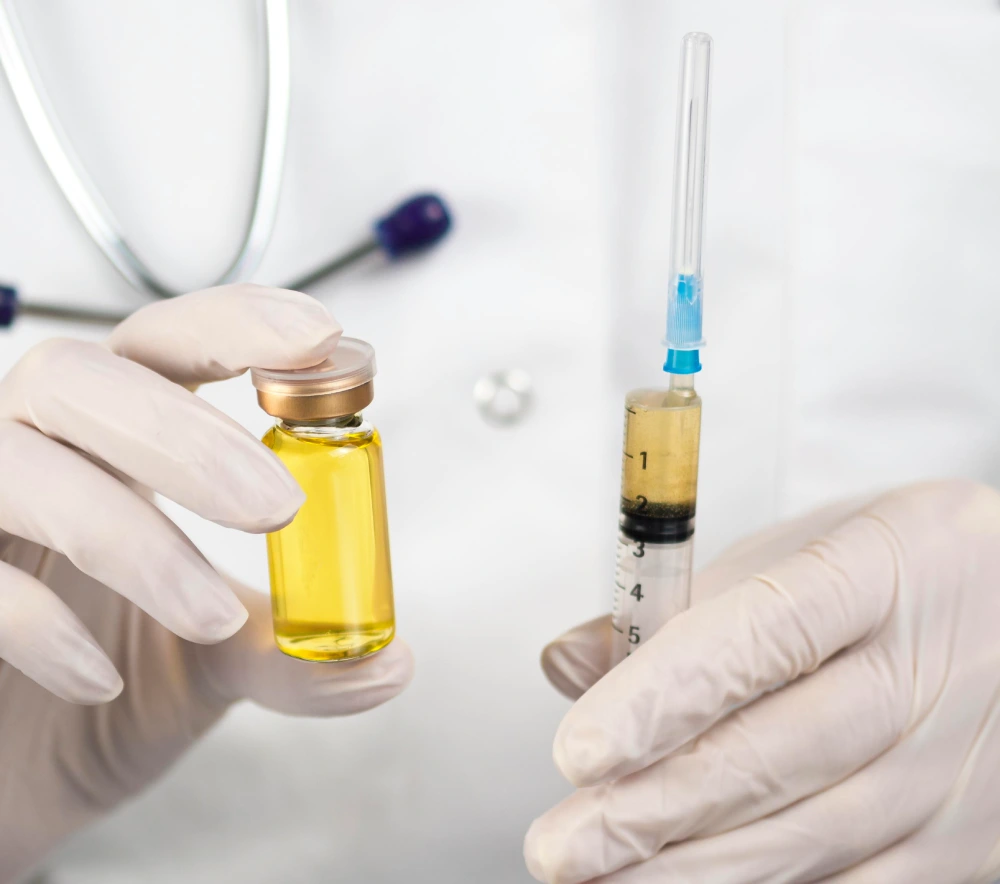
Before starting at an infusion clinic, you undergo a detailed evaluation. This isn’t a “one-size-fits-all” process. The medical team reviews your history, looking at which medications you’ve tried and why they didn’t work.
The planning stage involves:
● Checking blood work to ensure liver and kidney health.
● Confirming the diagnosis through imaging or specialist referrals.
● Setting clear benchmarks for success, such as a 50% reduction in pain or improved mobility.
● Creating a schedule that fits your life, as some treatments are weekly while others are every few months.
Benefits of Infusion Therapy
The move toward outpatient infusion therapy is driven by the clear advantages it holds over traditional methods.
Targeted and Controlled Medication Delivery
Because the medication drips slowly into the blood, doctors have total control over the dose. If a patient feels a bit dizzy, the rate can be slowed down immediately. This level of control is impossible with a pill once it is swallowed. Furthermore, avoiding the gut means fewer issues with nausea or ulcers, which are common with long-term use of oral anti-inflammatories.
Potential for Improved Symptom Control
For many, autoimmune infusion therapy is the only way to achieve true remission. By stopping the inflammatory process at a cellular level, patients often find they can reduce their reliance on daily pills, which often carry their own heavy list of side effects.
The Infusion Therapy Treatment Process
Understanding what happens during a visit to an infusion therapy center can help ease any anxiety.
Before Treatment
You will have a baseline assessment. You should hydrate well the day before to facilitate IV placement. The staff will explain exactly which medication is being used and what the expected timeline is.
During Infusion
You will be seated in a comfortable chair. A nurse will start the IV line, usually in the arm or hand. During the infusion treatment, you can read, watch a movie, or rest. Medical staff monitor your heart rate and blood pressure to make sure you are comfortable. The length of the session depends on the drug; an iron infusion therapy session might take 30 minutes, while certain biologic infusion therapy sessions can take several hours.
After Treatment
Once the bag is empty, the IV is removed. You may be asked to remain for a brief observation period to ensure you don't have a reaction. Most people can drive themselves home, though for certain pain-related infusions, you might need a ride.
Safety and Monitoring
Safety is the top priority in any medical infusion therapy program. Every session is supervised by trained professionals. They are looking for:
● Allergic reactions: These are rare but can be managed immediately with on-site medicine.
● Side effects: Some patients experience fatigue or mild headache after a session.
● Effectiveness: Doctors will check in regularly to see if your symptoms are improving. If a specific specialty infusion therapy isn't working after a few months, the plan can be adjusted.
Infusion Therapy as Part of a Comprehensive Care Plan
IV treatments work best when they aren’t the only tool in the box. A plan at The Pain Free Institute might combine rheumatoid arthritis infusion therapy with physical therapy to keep joints moving. For chronic pain, an infusion might be used alongside nerve blocks or lifestyle changes. The idea is to create a multilayered approach in which the infusion targets systemic inflammation or nerve signaling, thereby enabling other therapies to be more effective.
Personalized Infusion Therapy at The Pain Free Institute
At The Pain Free Institute, the focus is on the individual. Whether you need lupus infusion therapy or help with chronic migraines, the team looks at your specific health goals. The aim is to help you return to the activities you love by using infusion therapy services to manage the symptoms that hold you back. By focusing on function and comfort, the institute helps patients navigate the path away from chronic suffering.
Also Read: How to Choose the Right Pain Management Specialist in Los Angeles
FAQs – Infusion Therapy
What conditions are treated with infusion therapy?
A wide range of conditions are treated, including rheumatoid arthritis, Crohn’s disease,ulcerative colitis, multiple sclerosis, lupus, and osteoporosis. It is also used for chronic pain, such as CRPS, and for nutrient deficiencies, such asanemia, with iron infusion treatment.
How do I know if infusion therapy is right for me?
If you have a chronic condition that has not responded to pills or ifyou cannot tolerate the side effects of oral medications, you may be a candidate. A consultation at an infusion clinic is the best way to find out.
Is infusion therapy safe for long-term use?
Yes, many people receive biologic infusion therapy for years tomaintain remission of their diseases. Regular monitoring by a doctor helps manage any long-term risks.
How long does an infusion session take?
It varies. Some sessions are as short as 30 minutes, whereas other scan last 4 to 5 hours, depending on the medication and the required infusion rate.
WillI feel relief immediately after treatment?
Some people feel better within hours, especially with hydration or certain pain medications. However, for auto immune infusion therapy, it may take several sessions before you notice a significant change in your symptoms.
How many infusion sessions are usually needed?
This depends on the diagnosis. Iron infusion therapy may require onlyone or two sessions, whereas treatments for multiple sclerosis or rheumatoid arthritis are typically on going.
Are there side effects from infusion therapy?
Common side effects include fatigue, a metallic taste in the mouth(with iron), or mild redness at the injection site. Serious reactions are rare and monitored by the staff.
Can infusion therapy reduce the need for oral medications?
In many cases, yes. By successfully managing the disease at its source, patients can often lower their dose of daily steroids or pain killers.
Is infusion therapy covered by insurance?
Most insurance plans cover medical infusion therapy, especially for diagnosed chronic conditions. The office staff can usually help verify coverage before you start.
How is infusion therapy different from injection-based treatments?
An injection is a single “shot” that delivers a small amount of medicine into a muscle or under the skin. An infusion provides a larger volume of medicine slowly into the blood stream over a longer period.
Contact The Pain Free Institute Today
If you are struggling with chronic pain or a systemic inflammatory condition, it may be time to look beyond traditional pills. Infusion therapy in Los Angeles offers a path toward better symptom control and a more active life.
The team at The Pain Free Institute is ready to help you understand your options. Whether you require anemia iron infusion treatment or rheumatoid arthritis infusion therapy, we provide a professional and comfortable environment for your care. Reach out today to schedule a consultation and see if IV infusion therapy is the right choice for your health journey.