









How do I schedule an appointment at The Pain Free Institute?
You can schedule an appointment by calling us at (323) 433-7744, submitting an appointment request through our website at thepainfreeinstitute.com, or visiting our office at 5757 Wilshire Boulevard, PR2, Los Angeles, CA 90036. We are here Monday through Friday, 8:30 AM to 5:00

Are the procedures at The Pain Free Institute painful?
Most procedures are performed under local anesthesia or light sedation to minimize discomfort. Patients may experience mild pressure or temporary soreness during or after certain injections, but significant pain during treatment is uncommon. Our team prioritizes your comfort throughout every step.
Are the procedures performed in-office or at a hospital?
Many procedures are performed right in our office or at the Miracle Mile Surgery Center, our affiliated outpatient surgical facility. This allows for high-quality care in a comfortable, convenient setting without a hospital stay.
Are there any risks or side effects from interventional pain procedures?
All medical procedures carry some level of risk. The most common side effects from injections include temporary soreness, minor bruising, or a brief increase in pain before improvement. Serious complications such as infection or nerve damage are rare and are minimized through imaging guidance and sterile technique.
Can I combine multiple treatments for better results?
Yes. A multimodal approach is often the most effective strategy for complex or chronic pain conditions. Dr. Farnad may recommend combining therapies — such as spinal injections alongside physical therapy or regenerative medicine alongside neuromodulation — to maximize long-term outcomes.
Can I eat and drink normally before my appointment?
For consultations and most non-sedation procedures, normal eating and drinking is fine. If your procedure involves sedation or general anesthesia, you will be instructed to fast beforehand. Always follow the specific pre-procedure instructions provided by our team.
Can pain management improve my quality of life without surgery?
Absolutely. Many patients experience significant, lasting improvement through non-surgical interventions such as spinal injections, nerve ablation, regenerative therapies, and neurostimulation — without the risks or recovery time associated with surgery.
Can pain management treatments provide permanent relief?
While some patients achieve long-lasting or even permanent relief — particularly with certain nerve ablation procedures and regenerative therapies — outcomes vary by individual and condition. Our goal is to provide the most durable relief possible and to continue supporting you as your needs evolve over time.
Can The Pain Free Institute treat pain caused by a sports injury?
Yes. We offer specialized care for sports injury and trauma-related pain, including joint injections, regenerative medicine, shockwave therapy, and other targeted treatments designed to restore function and get you back to the activities you love.
Does The Pain Free Institute offer stem cell therapy?
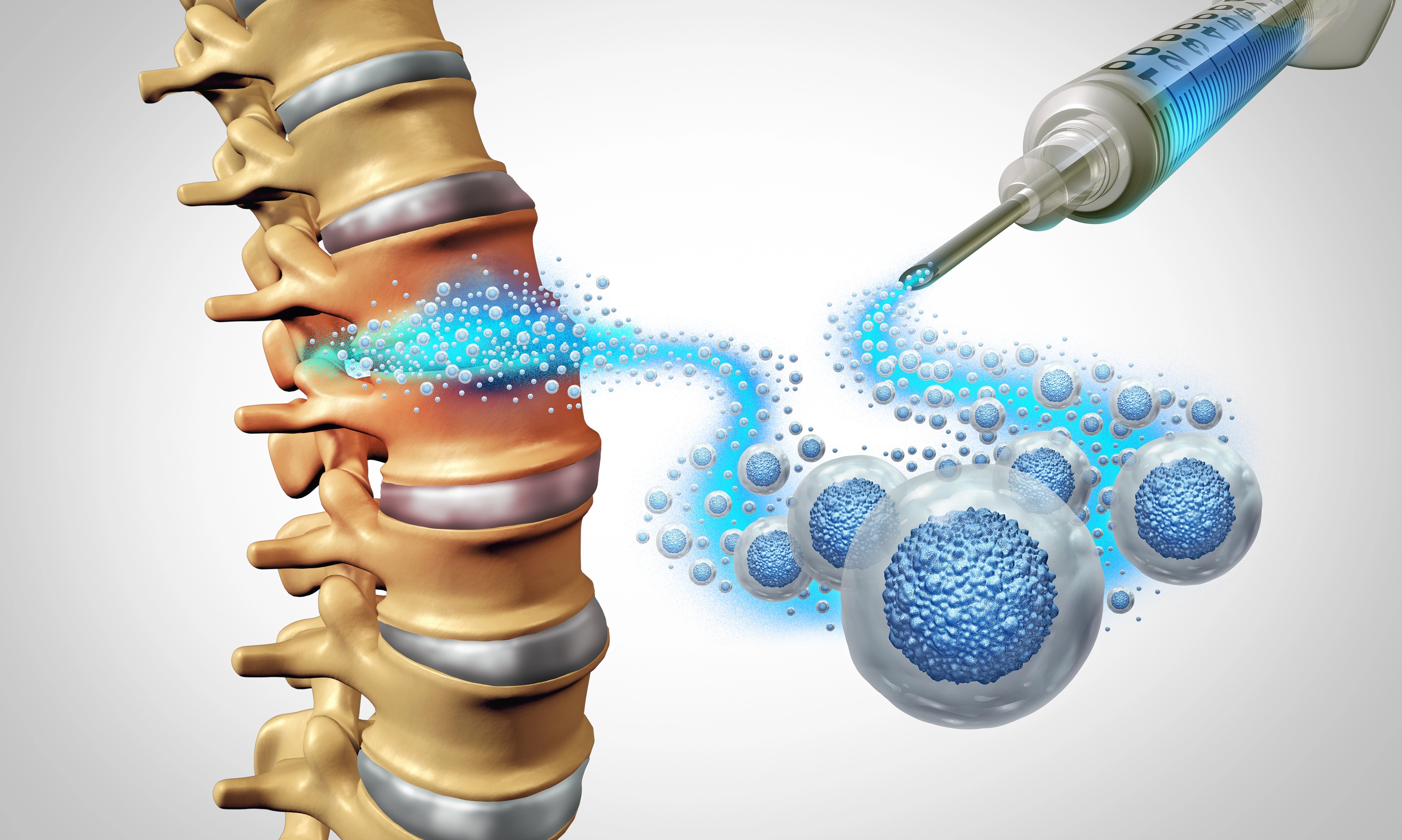
Yes. Stem cell therapy is among the regenerative medicine options we offer. It works by introducing cells that can differentiate into specialized tissue types, promoting healing at the site of injury and potentially reducing chronic pain over time.
Do I need a referral to be seen at The Pain Free Institute?
In many cases, a referral is not required to schedule a consultation. We recommend calling our office or submitting a contact form to confirm based on your insurance plan and specific situation.
Do I need someone to drive me home after a procedure?
For most procedures involving sedation or nerve blocks that may temporarily affect motor function, we recommend having a responsible adult drive you home. Please plan accordingly and confirm with our office when scheduling your appointment.
How do I schedule an appointment at The Pain Free Institute?
You can schedule an appointment by calling us at (323) 433-7744, submitting an appointment request through our website at thepainfreeinstitute.com, or visiting our office at 5757 Wilshire Boulevard, PR2, Los Angeles, CA 90036. We are here Monday through Friday, 8:30 AM to 5:00
How long does pain relief from a spinal injection last?
Relief from spinal injections such as epidural steroid injections can last anywhere from several weeks to several months. The duration depends on the underlying condition, the type of injection used, and how well the affected area responds to treatment.
How long does relief from nerve ablation typically last?
Pain relief following nerve ablation can last anywhere from six months to two or more years, depending on the location and type of procedure. As nerves regenerate over time, the procedure can be repeated if pain returns.
How long do most procedures take?
Many interventional procedures, such as injections and nerve blocks, take between 15 and 45 minutes including preparation time. More complex procedures like spinal cord stimulator implantation may take longer. Your care team will give you a clear time estimate before your appointment.
How quickly will I feel results after treatment?
The timeline varies by procedure. Some patients feel relief within days of an injection, while regenerative therapies like PRP or stem cell treatment may take several weeks as the body's healing process progresses. Dr. Farnad will set clear expectations during your consultation.
Is chronic pain a normal part of aging?
While some discomfort can accompany aging, persistent or debilitating pain is not something you simply have to accept. Chronic pain is a medical condition with effective treatment options, and our team can help you find relief regardless of age.
Is radiofrequency ablation the same as nerve ablation?
Radiofrequency ablation (RFA) is the most common form of nerve ablation. It uses radiofrequency energy to heat and disrupt the targeted nerve, preventing it from transmitting pain signals. The terms are often used interchangeably in a clinical context.
Is The Pain Free Institute accepting new patients?
Yes — The Pain Free Institute is currently accepting new patients. You can call us at (323) 433-7744 or submit a request through our website to schedule your first appointment.
What are minimally invasive spine procedures?
Minimally invasive spine procedures use advanced imaging guidance and small specialized instruments to access and treat specific areas of the spine with minimal disruption to surrounding tissue. These procedures offer shorter recovery times and lower complication rates compared to traditional open surgery.
What are spinal injections and who are they for?
Spinal injections deliver anti-inflammatory medication directly to the source of pain along the spine. They are highly effective for conditions such as sciatica, herniated discs, spinal stenosis, and sports-related back injuries that cause nerve inflammation or compression.
What happens during my first consultation?
During your initial visit, Dr. Farnad will review your medical history, discuss your symptoms, and conduct a physical examination. He may also review any imaging studies you bring. Together, you will develop a personalized treatment plan tailored to your specific pain condition and health goals.
What if I don't respond to a treatment?
If a particular treatment does not provide the expected relief, Dr. Farnad will reassess your condition and adjust the treatment plan accordingly. Our approach is collaborative and adaptive — we explore every appropriate option to help you find lasting pain relief.
What is a medial branch block?
A medial branch block is a diagnostic injection that targets the medial branch nerves supplying the facet joints of the spine. If the block provides significant relief, it confirms those nerves as the pain source and guides whether radiofrequency ablation would be appropriate.
What is a nerve block?
A nerve block involves injecting a local anesthetic — and sometimes a steroid — near a specific nerve or group of nerves to interrupt pain signals. Nerve blocks can serve both a diagnostic purpose (confirming the pain source) and a therapeutic one (providing relief).
What is interventional pain management?
Interventional pain management is a subspecialty that uses minimally invasive procedures
What is ketamine infusion therapy?
Ketamine infusion therapy delivers low-dose ketamine intravenously to interrupt chronic pain pathways in the central nervous system. It is used for complex regional pain syndrome (CRPS), refractory nerve pain, fibromyalgia, and treatment-resistant depression-related pain.
What is nerve ablation and when is it recommended?
Nerve ablation uses controlled energy — such as radiofrequency heat or cryotherapy — to disrupt or destroy the specific nerve fibers transmitting pain signals. It is often recommended when nerve blocks have provided temporary relief but a longer-lasting solution is needed.
What is peripheral nerve stimulation?
Peripheral nerve stimulation works similarly to spinal cord stimulation but targets specific peripheral nerves outside the spinal cord. It is used to treat localized chronic pain conditions affecting the limbs, head, or torso.
What is PRP therapy?
Platelet-rich plasma (PRP) therapy is a form of regenerative medicine in which a concentrated solution of your own platelets is injected into damaged tissue. The growth factors in platelets help accelerate tissue repair and reduce inflammation, making it a popular option for joint pain and soft tissue injuries.
What is recovery like after an injection or nerve block?
Recovery from most injections is minimal. Many patients return to light activities the same day, though we generally recommend avoiding strenuous exercise or heavy lifting for 24 to 48 hours. Any temporary soreness at the injection site typically resolves within a day or two.
What is shockwave therapy and how does it work?
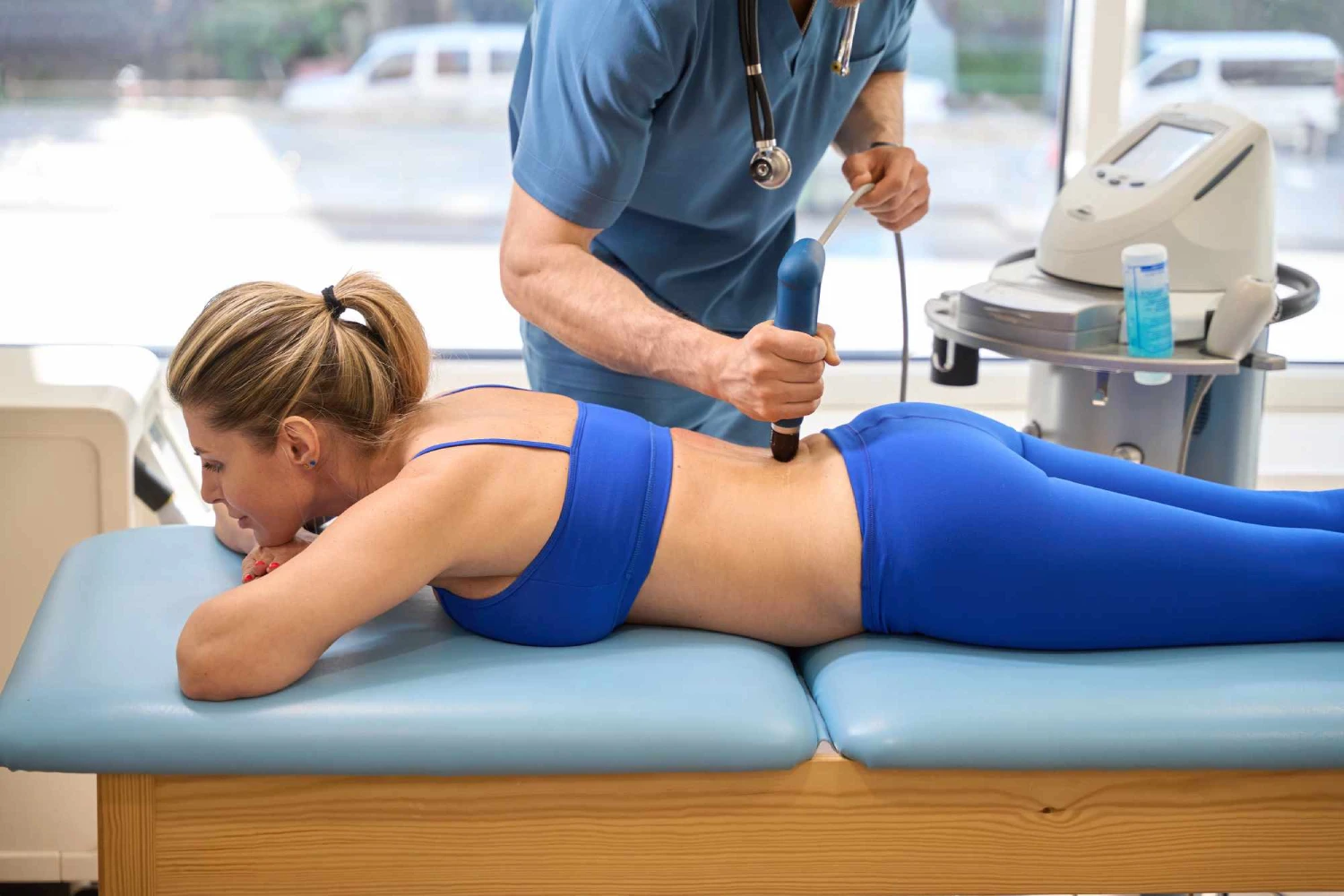
Shockwave therapy uses high-energy acoustic waves delivered to injured or painful tissue to stimulate the body's natural healing response. It can reduce inflammation, break down scar tissue, and promote tissue regeneration — making it effective for conditions like tendinopathy, heel pain, and chronic musculoskeletal injuries.
What is spinal cord stimulation?
Spinal cord stimulation involves implanting a small device that delivers mild electrical impulses to the spinal cord, interrupting pain signals before they reach the brain. It is typically considered for patients with chronic pain who have not found adequate relief through other treatments.
What is the difference between acute pain and chronic pain?
Acute pain is short-term and typically linked to a specific injury or illness, resolving as the body heals. Chronic pain persists for three months or longer and often requires a more structured, long-term treatment approach to manage effectively.
What joint injections are available for arthritis or musculoskeletal pain?
We provide a range of joint injection options including corticosteroid injections for inflammation, hyaluronic acid (viscosupplementation) for knee arthritis, and PRP injections to promote joint healing — all guided by imaging for precision and safety.
What makes The Pain Free Institute different from other pain clinics?
We take a holistic, multidisciplinary approach to pain care. Rather than relying solely on medication, we prioritize non-surgical, minimally invasive treatments — including regenerative therapies and advanced neuromodulation — tailored to each patient's unique needs and goals.
What should I avoid before an injection or procedure?
Instructions vary by procedure, but generally you may be asked to avoid blood-thinning medications such as aspirin or ibuprofen for several days prior, and to fast for a specified period if sedation will be used. Our team will provide detailed pre-procedure instructions when you schedule.
What should I bring to my first appointment?
Please bring a valid photo ID, your insurance card, a list of current medications, any prior imaging studies (MRI, X-ray, CT scans), and relevant medical records or referral notes from your primary care provider.
What treatments are available for headaches and migraines?
We offer specialized treatments for chronic headaches and migraines, including nerve blocks such as occipital nerve blocks, trigger point injections, Botox injections for chronic migraine prevention, and ketamine infusion therapy for refractory cases.
What types of pain does The Pain Free Institute treat?
We treat a wide range of pain conditions including spine and back pain, nerve pain, joint and musculoskeletal pain, headaches and migraines, post-surgical pain, cancer-related pain, sports injuries, and chronic pain conditions affecting daily quality of life.
What types of spinal injections does The Pain Free Institute offer?
We offer a range of spinal injection therapies including epidural steroid injections, facet joint injections, medial branch blocks, sacroiliac joint injections.
Where is The Pain Free Institute located?
We are located at 5757 Wilshire Boulevard, PR2, Los Angeles, CA 90036. We are open Monday through Friday from 8:30 AM to 5:00 PM.
Who is Dr. Shahbaz Farnad?
Dr. Shahbaz Farnad is a specialist in Interventional Pain Management and the lead physician at The Pain Free Institute. He brings a comprehensive, compassionate approach to each patient, focusing on lasting relief through individualized treatment plans.
Will I need imaging before receiving treatment?
In many cases, yes. MRI, X-ray, or CT imaging helps Dr. Farnad accurately identify the source of your pain and plan the safest, most targeted treatment approach. If you have existing imaging, please bring it to your consultation.
Will I need to take opioids as part of my treatment?

Our approach emphasizes non-opioid, minimally invasive treatment options whenever possible. While medications may be part of a comprehensive plan in certain cases, our goal is to reduce dependence on opioids through targeted interventional therapies.


.webp)