
.svg)








.webp)

Knee PainTreatment: Causes, Symptoms, and Effective Relief Options
Knee pain is one of the most frequent reasons people visit a healthcare provider. Because this joint supports nearly the entire weight of your body while allowing for a wide range of motion, it is highly susceptibleto both sudden damage and gradual wear.
Why Knee Pain Is So Common
The knee is a complex hinge joint that does more than just bend and straighten. It rotates slightly and absorbs a substantial amount of force with every step. Because of this mechanical demand, even small mis alignments orminor injuries can lead to significant discomfort.
Short-Term vs. Ongoing Conditions: Acute knee pain treatment usually focuses on a specific event, like afall or a sudden twist during a game. In these cases, the damage is often to aligament or cartilage. Conversely, chronic knee pain treatment addresses discomfort that lasts for months or years. This is often the result of repetitive stress or systemic issues like arthritis.
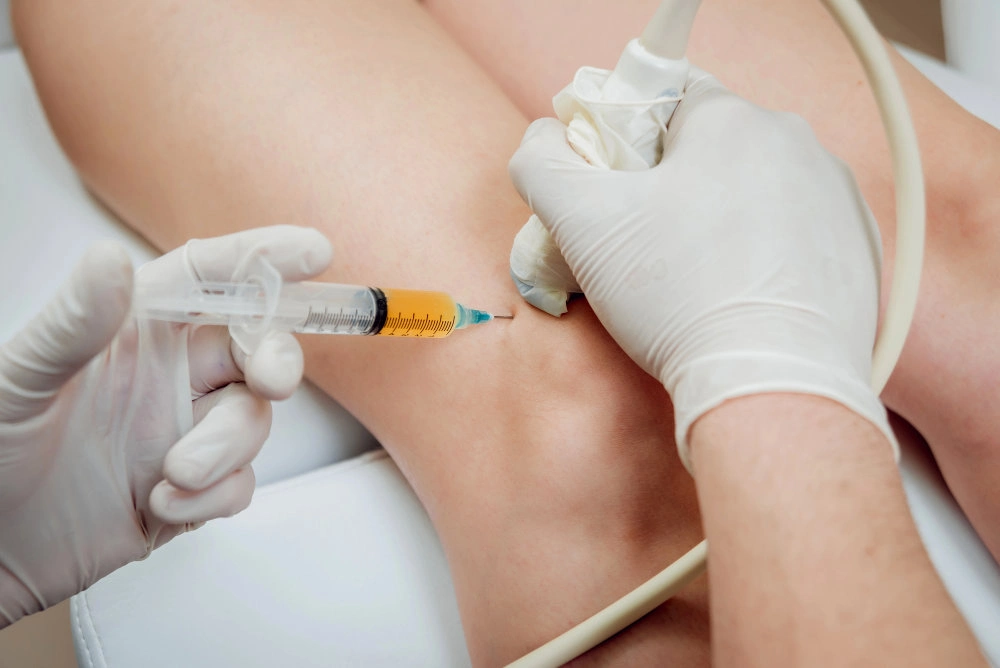
The Value of Early Evaluation: Delaying medical care can allow a minor issue to become a permanent problem. Early knee pain management helps prevent compensatory patterns, such as walking differently to avoid pain, which can eventually lead to hip or back issues. Professional evaluation helps identify the “pain generator” so that the treatment for knee pain can be targeted correctly.
Understanding the Knee Joint
To understand how to treat knee pain, you must first understand whatcan go wrong inside the joint. The knee consists of the femur, the tibia, and the patella.
Basic Anatomy
● Cartilage: This slippery tissue covers the ends of the bones, allowing them to glide smoothly.
● Meniscus: Two C-shaped pieces of tough cartilage that act as shockabsorbers between your thigh bone and shin bone.
● Ligaments: These act like strong ropes to hold the bones together and keep the joint stable.
● Tendons: These connect muscle to bone, enabling leg movement. When any of these structures are overloaded or damaged, the result is knee joint pain. If the cartilage wears down, you may require osteoarthritisknee pain treatment. If a ligament stretches excessively, it becomes a sprain that requires specialized knee rehabilitation.
Common Causes of Knee Pain
Acute Knee Injuries
These happen in an instant. You might feel a “pop” or a sharp snap.
Ligament Sprains and Tears
Common in athletes, injuries to the ACL or MCL often require a combination of rest and physical therapy for knee pain.
Meniscus Injuries
A sudden twist can tear the meniscus. Meniscus tear knee pain treatment focuses on reducing swelling and restoring the gliding motion of the joint.
Direct Trauma
Falls or blows to the knee can cause fractures or severe bone bruising.
Chronic and Degenerative Conditions
These develop over time and are often more difficult to manage without a medical plan.
Osteoarthritis
This is the “wear and tear” of the joint. Arthritis knee pain treatment focuses on reducing inflammation and preserving what cartilage remains.
Tendonitis
Often called “Jumper's Knee,” this is inflammation of the tendons from repetitive jumping or running.
Patellofemoral Pain Syndrome
This involves pain behind the knee cap and is acommon cause of runner’s knee.
Knee Pain FromRepetitive Strain
Not all pain comes from the gym. Occupational tasks, such as prolonged kneeling, squatting, or standing on hard surfaces, can lead to knee joint pain and the need for treatment. Over time, these small stresses add up, causing the joint to break down faster than it can repair itself.
Symptoms That Shouldn’t Be Ignored
Many people try to “walk off” their discomfort, but certain signs indicate the need for professional knee pain treatment
Preventing Back Pain Recurrence
● Swelling and Stiffness: If the knee looks puffy or feels tight, there is fluid inside the joint.
● Instability or “Giving Way”: If you feel like your knee might collapse while walking, this suggests a ligament or structural issue.
● Locking: If you cannot fully straighten or bend your leg, a piece of loose cartilage might be caught in the joint.
● Pain with Stairs: This is a classic sign of knee cap issues or early arthritis.
● Sleep Interruption: If pain keeps you awake, it has reached a level that requires active knee pain management.
How Knee Pain Is Diagnosed
At The Pain Free Institute, the diagnostic process is more than just looking at a scan. It involves a clinical evaluation of how you move.
● Movement Assessment: Observing how you walk and stand helps the specialist determine whether the pain originates from the knee itself or from poor hip orankle mechanics.
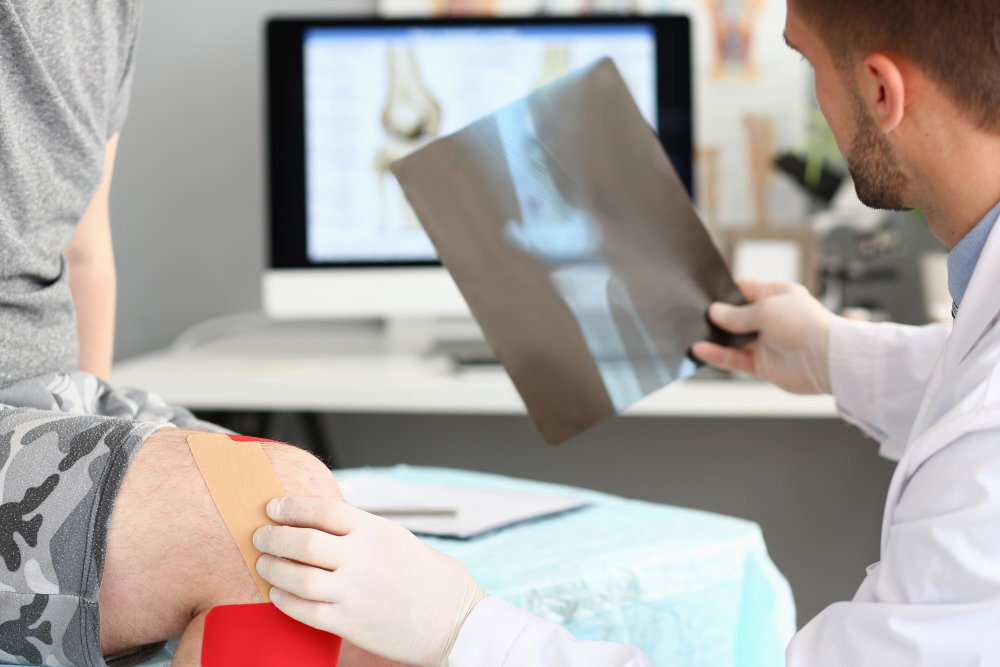
● Imaging: X-rays are excellent for seeing bone and joint space, while MRIs provide a clear look at soft tissues like the meniscus and ligaments.
● Identifying the Pain Generator: Sometimes, what shows up on an MRI isn't actually what is causing the pain. A physical exam confirms which findings are relevant to your symptoms.
Non-Surgical Knee Pain Treatment Options
Many patients fear that a visit to a pain management specialist means they will be told they need surgery. In reality, there are many knee pain treatment options that do not require surgery.
Conservative Care
This is the starting point for most acute knee pain treatment.
● Activity Modification: Learning how to stay active without overloading the injured joint.
● Physical Therapy for Knee Pain: This is perhaps the most powerful tool for long-term recovery. It involves knee pain exercises designed to strengthen the quad riceps and ham strings, which take the pressure off the joint.
● Bracing: A brace can provide the external stability needed to allow a ligament to heal.
Interventional Pain Management
When conservative care isn't enough, medical interventions can provide the knee pain relief needed to begin rehabilitation.
● Joint Steroid Injections: These are potent anti-inflammatories. A cortisone injection for knee pain can quickly reduce swelling and allow a patient to participate in physical therapy.
● HyaluronanI njections: This involves injecting the gel-like substance hyaluronic acid into the joint to act as alubricant. It is a common treatment for knee pain caused by arthritis.
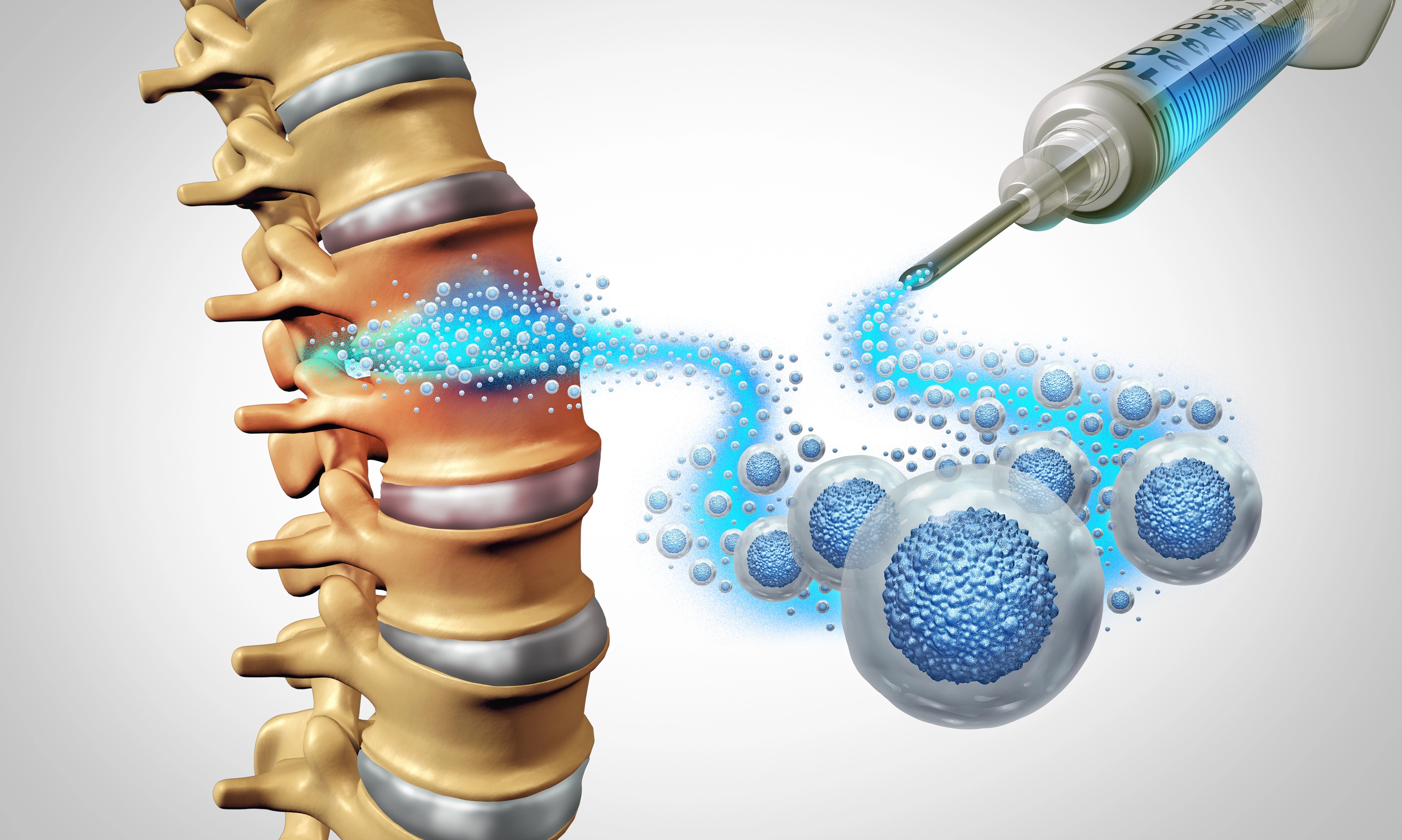
● PRP Treatment for Knee Pain: Platelet-rich plasma uses the patient’s own blood cells to promote healing in damaged tissues.
● Stem Cell Therapy Knee Pain: This is an emerging field in regenerative medicine aimed at helping the body repair damaged structures.
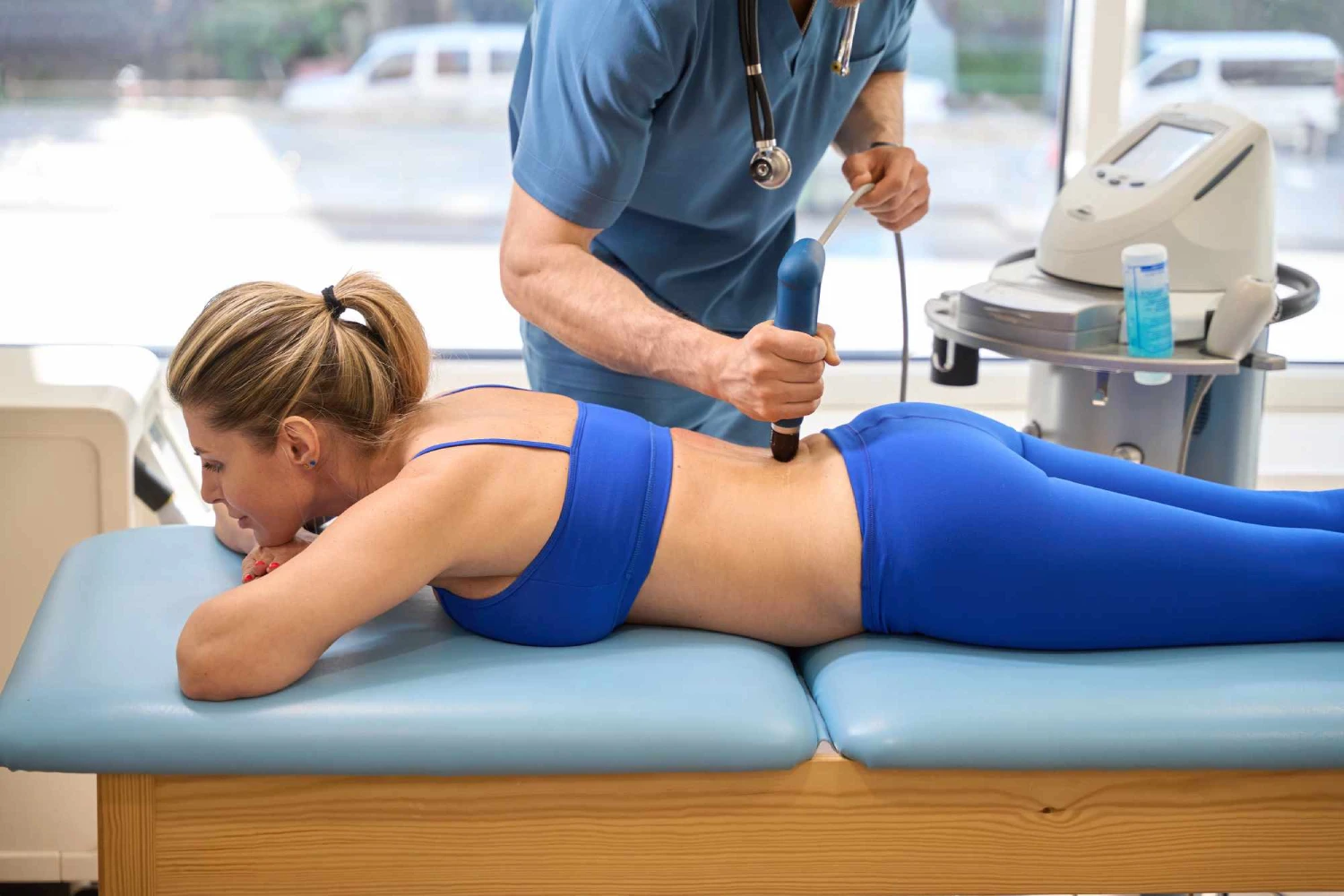
● Shockwave Therapy: This uses sonic waves to stimulate healing and reduce pain in targeted areas.
When Knee Pain Becomes Chronic
If knee joint pain is left unaddressed, the body begins a cycle ofinflammation. This inflammation can further degrade the cartilage, leading to increased pain and reduced mobility. Chronic knee pain treatment is about breaking this cycle. Without intervention, patients often lose the ability to perform basic daily activities, leading to a decline in overall health.
Personalized Care at The Pain Free Institute
We believe that every patient in Los Angeles deserves a plan that fits their specific lifestyle. Whether you need knee pain treatment Los Angeles residents trust for sports performance or simply to walk your dog without limping, our approach combines diagnosis, intervention, and knee pain rehabilitation. We focus on restoring your ability to move without relying onlong-term pain medication.
Also Read: Regenerative Medicine & Alternative Therapies
Personalized Knee Pain Treatment at The Pain Free Institute
At The Pain Free Institute, we recognize that your pain is as individual as you are. We move away from the “standard” model of care to provide knee pain treatment that Los Angeles patients can rely on for their specific needs.
Individualized Evaluation
We do not believein a one-size-fits-all care model. Every patient undergoes a detailed medical evaluation that looks at their health history, lifestyle, and physical goals.Whether you are an athlete seeking runner’s knee pain treatment or a grandparent wanting to walk in the park, your plan is tailored to you.
Combining Diagnosis, Intervention, and Rehabilitation
Effective knee pain treatment requires a multi-step approach. We combine precise diagnostic tools with medical interventions, like knee pain injections, and follow up with structured knee pain rehabilitation. This ensures that wearen’t just masking the pain, but actually addressing why it happened.
Restoring Movement and Reducing Medication
Our primary focusis on restoring your natural movement. By using physical therapy for knee pain and regenerative options such as PRP treatment, we aim to reduce your reliance on daily pain medications. We want to help you achieve knee pain relief that lastsby making the joint stronger and more resilient.
Recovery, Rehabilitation, and Prevention
Recovery is not just about the absence of pain; it is about the restoration of joint function. Knee pain exercises are a major part of this. By building the muscles around the joint, you create a “natural brace” that protects the bones and cartilage.
Recovery, Rehabilitation, and Prevention
Recovery is not just about the absence of pain; it is about therestoration of joint function. Knee pain exercises are a major part of this. Bybuilding the muscles around the joint, you create a “natural brace” thatprotects the bones and cartilage.
Preventing Reinjury
Once the pain is managed, the focus shifts to prevention. This includes:
● Weight management to reduce load on the joints.
● Wearing supportive footwear.
● Maintaining flexibility in the calves and ham strings.
When Surgery May Be Discussed
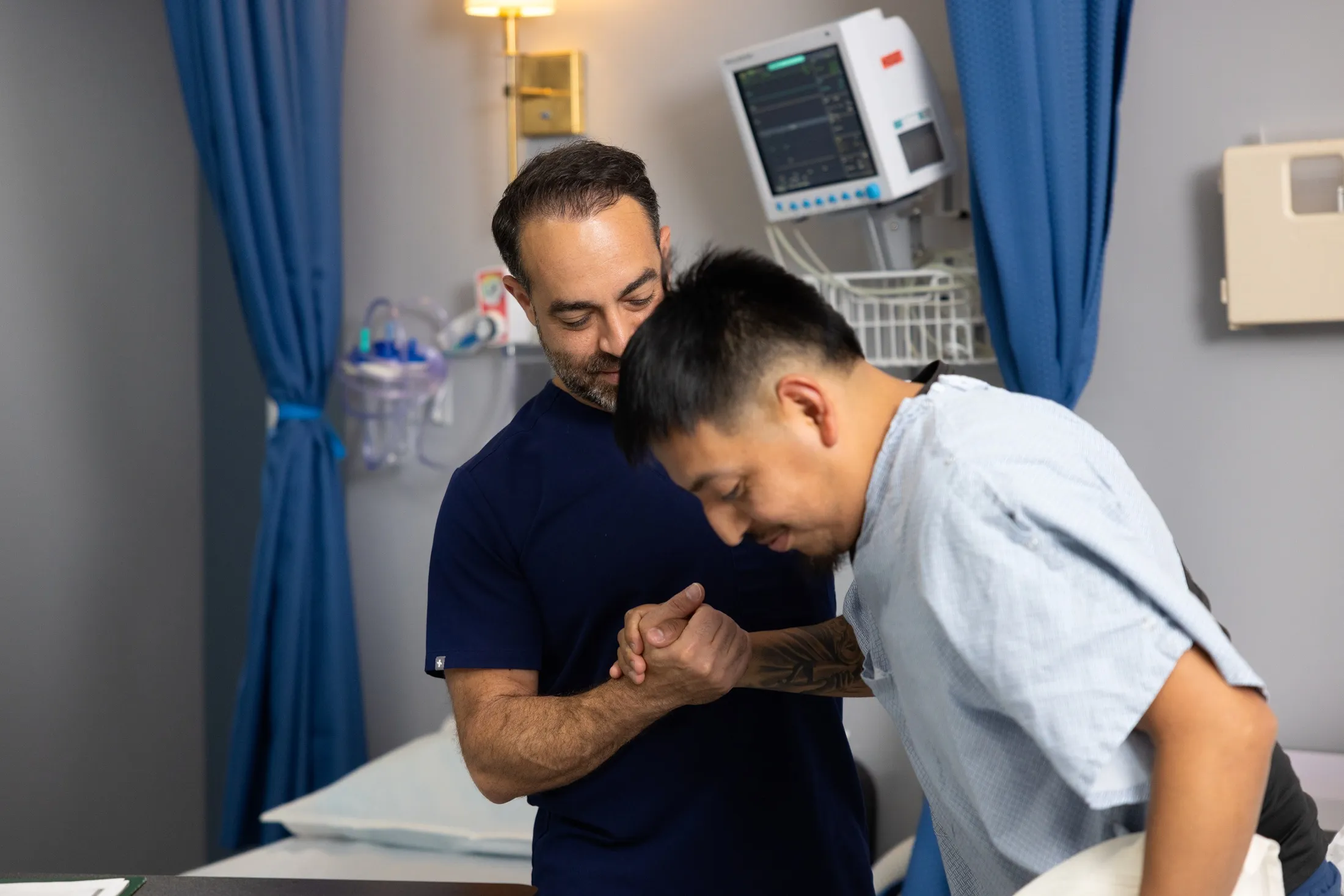
While we prioritize non-surgical treatment options for knee pain, there are times when surgical interventions must be considered. This usually occurs when there is a complete ligament tear, such as the ACL, or when bone-on-bone arthritis renders walking impossible. However, even when surgery is required, pain management remains important. Rehabilitation, before surgery, and post-surgical pain control areall part of a successful knee pain treatment journey.
Knee Pain Treatment FAQs
When should Isee a pain specialist for knee pain?
You should seek a specialist if your pain lasts more than two weeks,if you cannot put weight on your leg, or if the joint looks deformed orseverely swollen.
Can knee pain improve without surgery?
Yes. The vast majority of knee issues can be managed through physical therapy, weight loss, and interventional knee pain injections
What causes knee pain without a specific injury?
This is often due to osteoarthritis-related knee pain, treatment needs, or repetitive strain. Over use and age-related wear are common causes that don’t involve a single “accident.”
Do I need imaging before starting knee pain treatment?
Not always. A physical exam can often identify the problem. However, imaging is helpful if the pain is severe or if the diagnosis is unclear.
How long does knee pain treatment usually take ?
Soft-tissue injuries often require 6 to 12 weeks of rehabilitation for knee pain. Chronic conditions may require ongoing management.
Are injections safe for knee pain?
Yes, especially when performed under image guidance. Whether it is cortisone injections or PRP treatment for knee pain, both are standard medical procedures.
Can knee pain come from issues outside the knee joint?
Absolutely. Problems in the hip or lower back can cause “referred pain” that is felt in the knee.
What activities should I avoid with knee pain?
Initially, avoid high-impact activities like running or jumping. Low-impact activities such as swimming or cycling are often more suitable for individuals undergoing knee pain treatment.
How does chronic knee pain affect long-term mobility?
If left unmanaged, it leads to muscle wasting and joint stiffness, making it harder to remain active as you age.
Can pain management help delay or avoid knee surgery?
Yes. By using knee pain injections and targeted knee pain exercises, many patients find enough relief to postpone or completely avoid surgery.
Take Control of Your Knee Health
You do not have to live with the limitations of joint discomfort. Whether you are searching for knee pain treatment in Los Angeles or need aspecific plan for ligament injury knee pain treatment, the team led by Dr. Shahbaz Farnad at The Pain Free Institute is here to help. We invite you to schedule a full evaluation to identify the source of your symptoms. Our focusis on providing non-surgical, evidence-based treatment for knee pain that helps patients regain mobility and return to the activities they love.

Medipark
Miracle Mile Surgery Center provides advanced outpatient surgical care with expert physicians and state-of-the-art facilities.
Contact Us

